

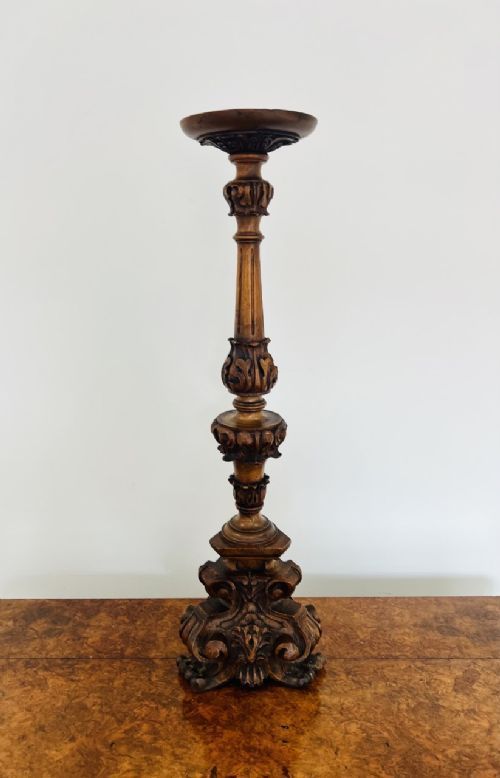
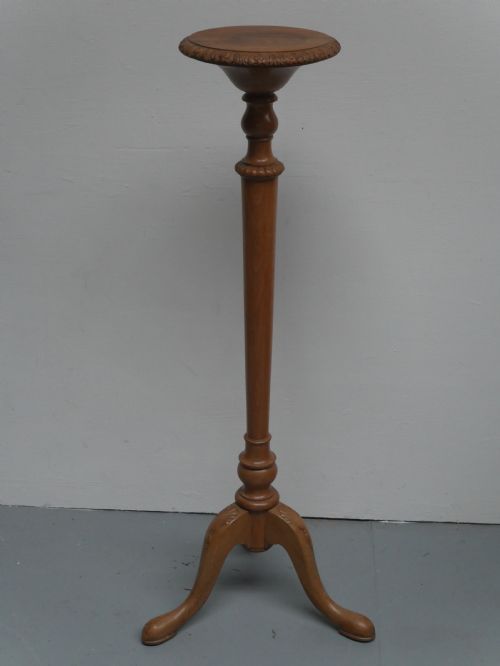

Brown Wooden Column Pedestal
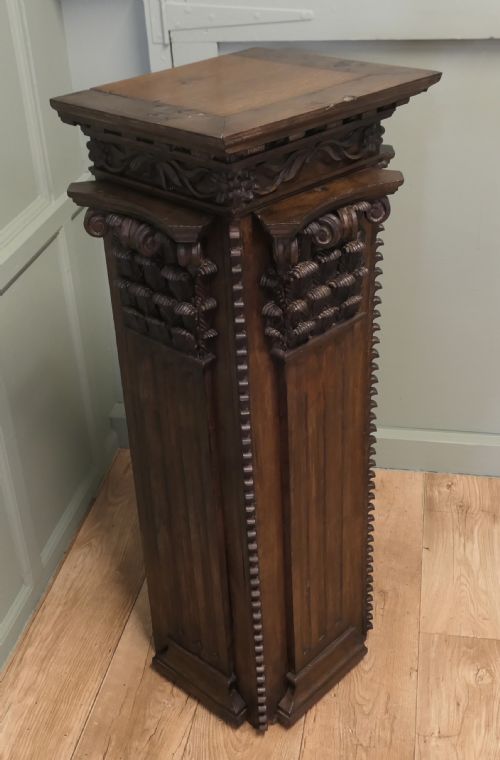
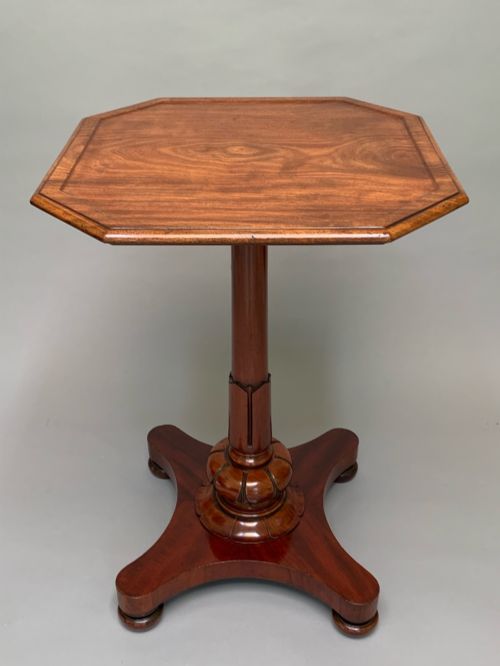
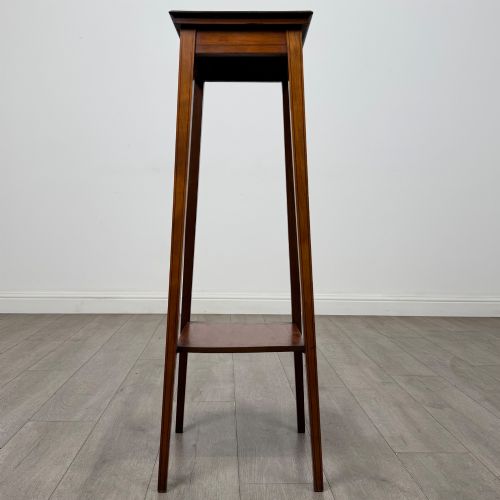
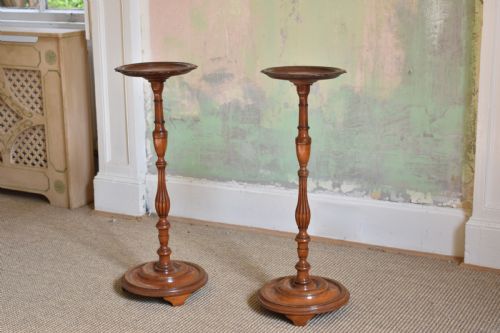
These brown wooden column pedestals elevate sculpture, plants and busts with classical presence, offering architectural height and polished timber character to an interior.
Brown Wooden Column Pedestal
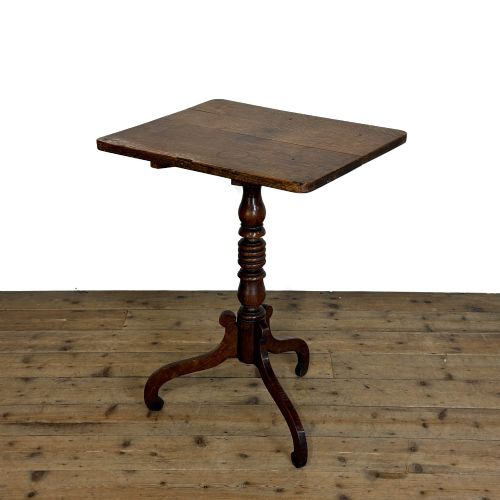
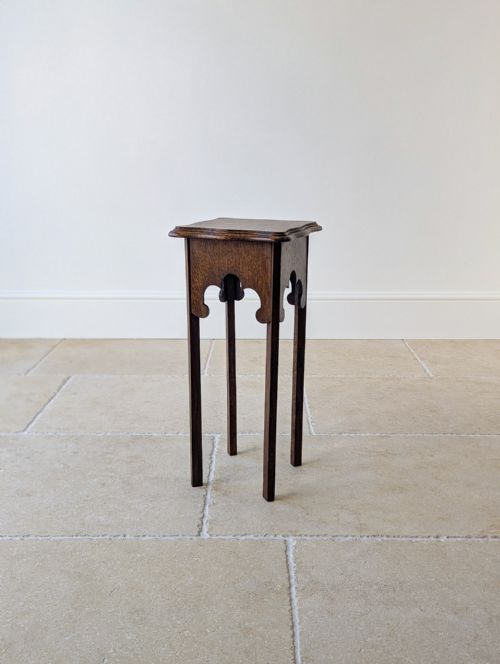
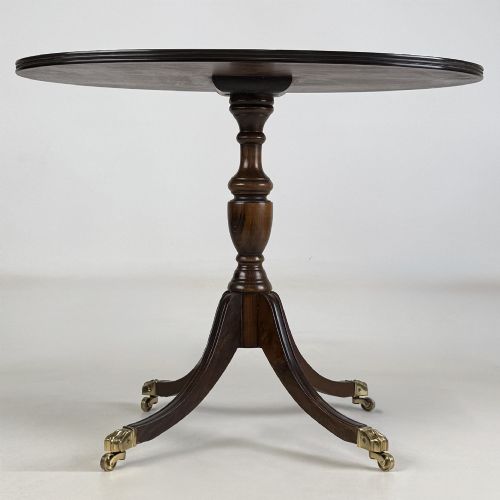
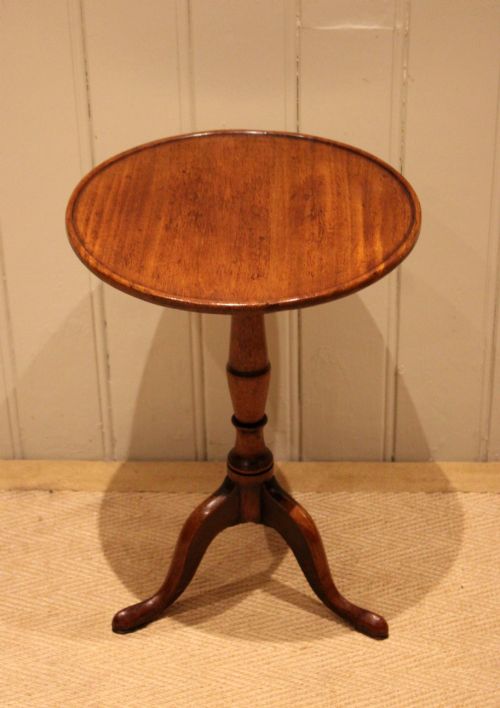
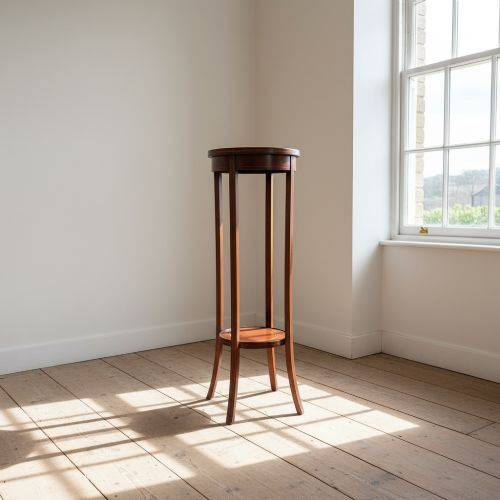
A brown wooden column pedestal serves as a raised platform or display stand, drawing primarily from Victorian, Edwardian and Georgian eras. You will frequently encounter tall mahogany, oak and walnut examples designed to display urns, bronzes and jardiniere pots.
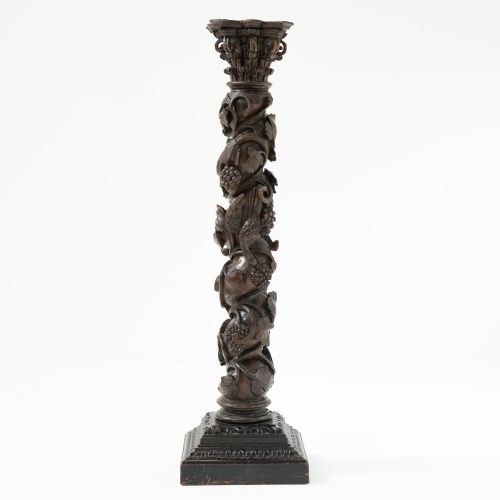
Makers shaped these supports into tall circular columns, spiral pillars and tripod torcheres spanning the nineteenth and early twentieth centuries. The selection ranges from carved oak barley twist legs to sleek mahogany display columns and decorative satinwood stands.
Materials and Construction
Cabinet makers utilised dense hardwoods including mahogany, oak and walnut, often accentuating the grain with polished finishes. Finer pieces incorporate satinwood, boxwood inlay, macassar ebony and marble inserts to create visual contrast on the column shaft.
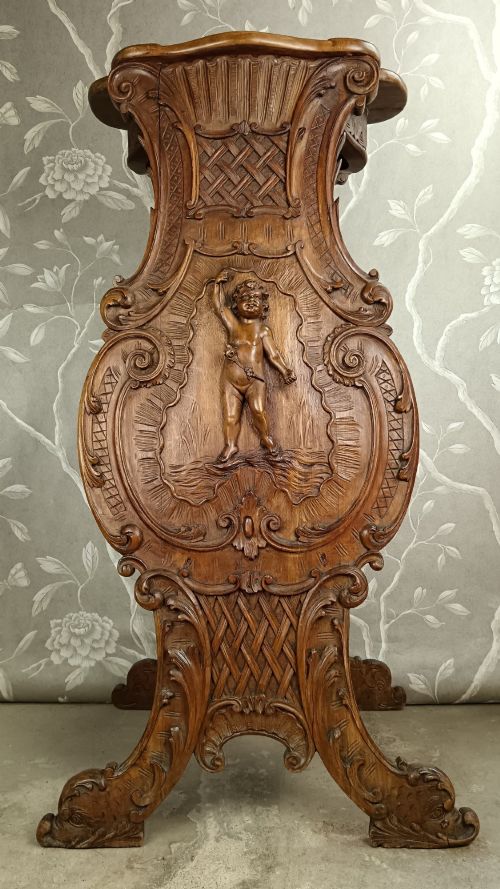
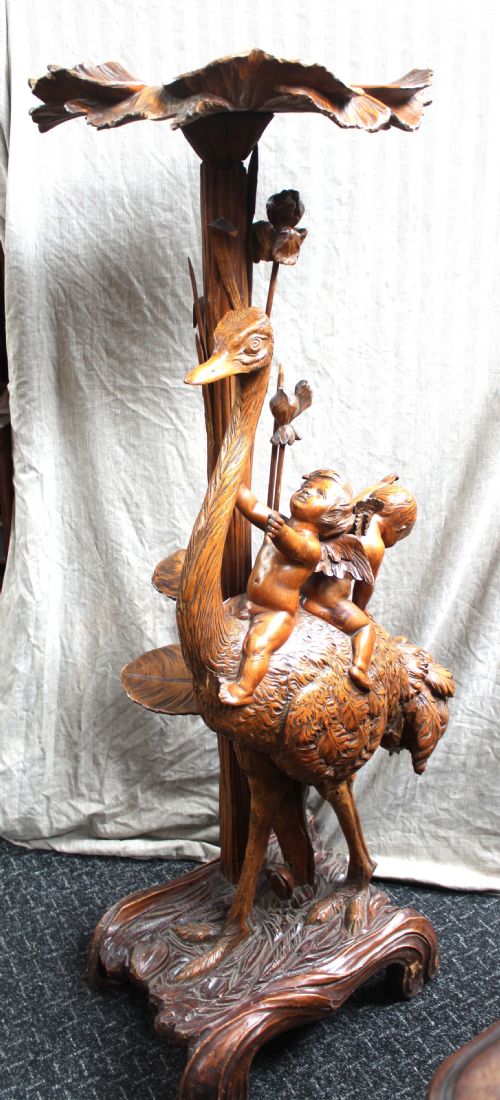
Structural stability relies on solid timber turning, tripod bases and sturdy central shafts designed to bear significant vertical weight. Carved details such as caryatids, solomonic twists and neoclassical motifs demonstrate advanced joinery and hand-carving techniques.
Listings feature mahogany, oak and walnut columns alongside rarer satinwood and macassar ebony examples from Victorian, Edwardian and Georgian periods.
Gradation of Quality
The distinction between standard utility stands and exceptional pieces lies in the depth of hand-carving and the choice of timber figurations like burr oak or figured walnut. Heavy architectural mouldings and crisply defined columns indicate superior workshop production.
Proportion and structural balance dictate the refinement of a pedestal, ensuring that heavy carved capitals remain securely centered over stable tripod or plinth bases without listing.
The Brown Wooden Column Pedestal Glossary
- Torchere
- A tall stand designed specifically to carry a light or a display figure. These slender wooden pillars elevate plants and sculptures above floor level.
- Solomonic
- A helical or spiral twist column design inspired by classical architecture. This twisting form creates dynamic shadow lines down the wooden shaft.
- Jardiniere
- A decorative planter pot container often paired with dedicated stands. These matching tables and pedestals accommodate indoor floral arrangements.
- Tripod
- A three-legged base structure providing stable floor support for narrow display columns. This configuration prevents rocking on uneven historic floorboards.
- Caryatid
- A sculpted female figure serving as an architectural support pillar. These carved wooden figures replace standard column shafts on elaborate pedestals.
Brown Wooden Column Pedestal: Frequently Asked Questions
What fits on a pedestal?
These elevated columns suit heavy bronze sculptures, classical marble busts, heavy ceramic urns and potted plants needing light. The flat top surface distributes weight evenly down the central shaft.
Heavier tripod designs handle larger floral arrangements securely, while slender columns work best for singular display pieces.
How do I place them?
Position pedestals in empty corners, framing doorways or flanking large pieces of furniture to introduce vertical dimension. Taller torchere stands draw the eye upward and break up flat wall expanses.
Ensure the base rests squarely on the floor so the column remains perfectly plumb under its displayed object.
How do I date a pedestal?
Examine the timber species, turning style and joinery methods to determine the manufacturing period. Mahogany and rosewood often point toward Victorian or Georgian production, while oak twist legs frequently suggest Edwardian work.
Tool marks, timber shrinkage patterns and secondary woods inside the construction help verify the age of the column.
Are these stands stable?
Solid hardwood construction and weighted tripod or plinth bases provide natural stability for vertical display columns. Properly balanced pieces distribute the weight directly down through the central shaft.
Heavier marble or cast metal sculptures require sturdy wooden column bases with wide footings to prevent tipping.