




Brown Wooden Bowl
A brown wooden bowl brings immediate warmth to a room, offering tactile pleasure and honest utility shaped by centuries of turning and carving.
Brown Wooden Bowl
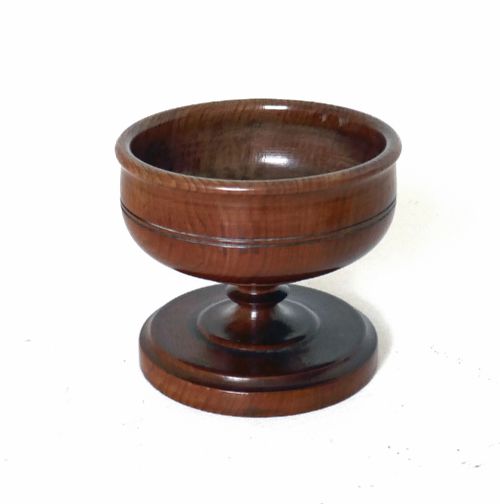
A brown wooden bowl encompasses turned treen, rustic dairy vessels, and formal table pieces found across the centuries. When you search for a brown wooden bowl, you encounter utilitarian treen and serving dishes shaped from domestic and exotic timbers.
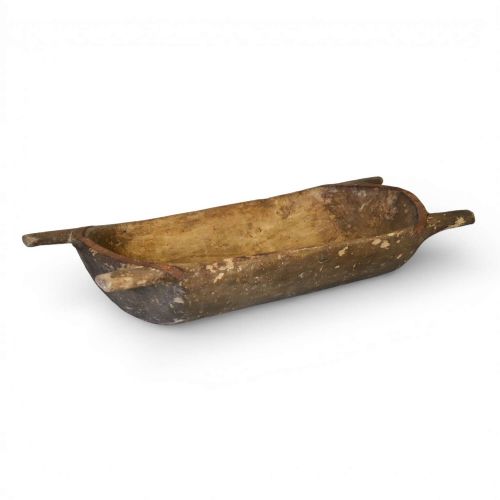
The pieces on this page span the Georgian, Victorian, and Edwardian eras, alongside earlier Georgian and 18th-century examples. You meet French farmhouse kneading dough bowls, turned walnut and sycamore vessels, and mahogany fruit bowls.
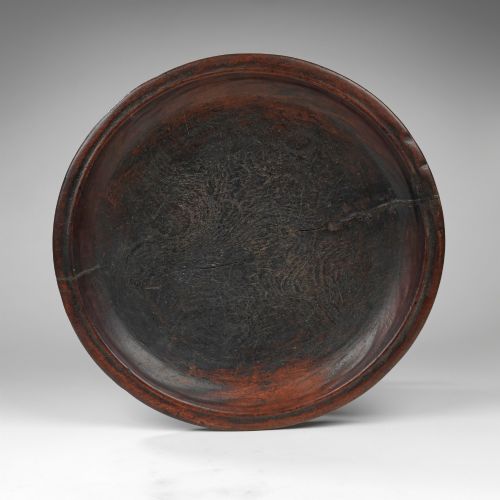
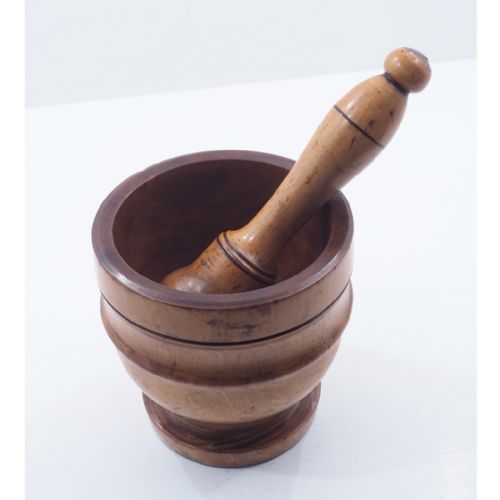
Forms range from deep turned bowls and shallow platters to specialised vessels like cheese coasters and mortars. Each piece reflects the functional requirements of domestic life, kitchen preparation, and table presentation from diverse periods.
How they were made
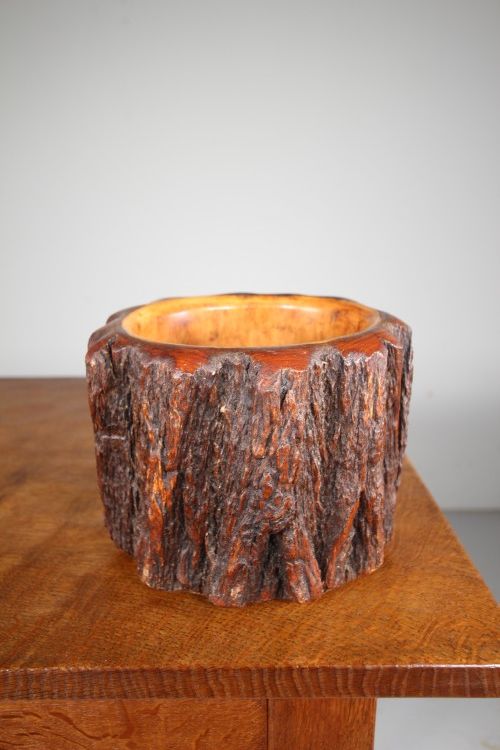
Craftsmen shaped these vessels using traditional turning on a lathe or hand-carving from solid blocks of timber. Woods such as mahogany, oak, walnut, ash, yew, sycamore, and olive wood provide the foundational structure and natural grain patterns.
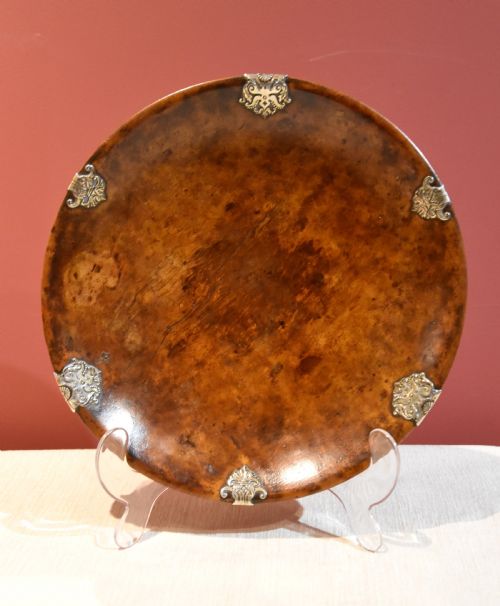
Many items incorporate secondary materials to enhance their utility or presentation, including silver mounts, silver plate, ceramic inserts, and cut glass bowls. Surface finishing relies on natural oils and long handling to develop deep patinas over generations.
Some historical vessels doubled as apothecary mortars, quietly witnessing centuries of powdery remedies and herbal concoctions.
What varies in quality
Quality rests in the harmony of the timber's grain, the precision of the turning, and the depth of the patination earned through age and use. Finer examples display thoughtful selection of Burr walnut, yew, or figured mahogany.
The integrity of the form and the preservation of original surfaces separate everyday utilitarian items from exceptional decorative pieces. Evidence of skilled hand-carving or specialist mounting elevates the stature of an individual vessel.
The Brown Wooden Bowl Glossary
- Treen
- Small handmade wooden objects for domestic use. The word derives from the old English for tree.
- Patina
- The surface sheen and softening of colour developed through years of handling, polishing, and natural ageing.
- Turned
- Shaped on a lathe using cutting tools while the wood rotates. This method produces symmetrical vessels and clean circular profiles.
- Mortar
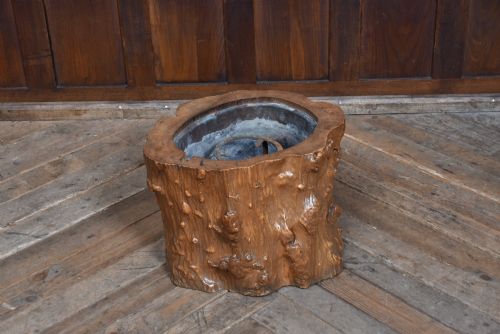
- A heavy bowl used with a pestle for crushing and grinding substances. These are typically carved from dense hardwoods like elm or olive wood.
- Dough bowl
- A large vessel utilised for mixing and proving bread dough. French and domestic examples often feature generous proportions and deep sides.
Brown Wooden Bowl: Frequently Asked Questions
Can I use these bowls for food?
Many historical wooden bowls served domestic and culinary purposes, making them suitable for dry foods or presentation today. Assess the condition of the interior surface and any applied finishes before serving.
Avoid placing wet or acidic foods in antique vessels with delicate historic patinas or silver mounts to protect the materials.
What is treen?
Treen encompasses small wooden household artefacts and utilitarian objects produced before mass manufacturing replaced traditional craftsmanship. Items range from bowls and salt cellars to tea caddies and spoons.
Collectors prize treen for the honesty of the materials, the evidence of tool marks, and the rich patinas acquired through generations of daily use.
How do I date a wooden bowl?
Dating relies on observing tool marks, timber species, wear patterns, and structural construction methods. Hand-turned pieces often display distinct lathe chatter or centre marks specific to early manufacturing techniques.
Comparing the form, style, and wood choice with documented examples from periods like the Georgian era helps narrow down the century of origin.