
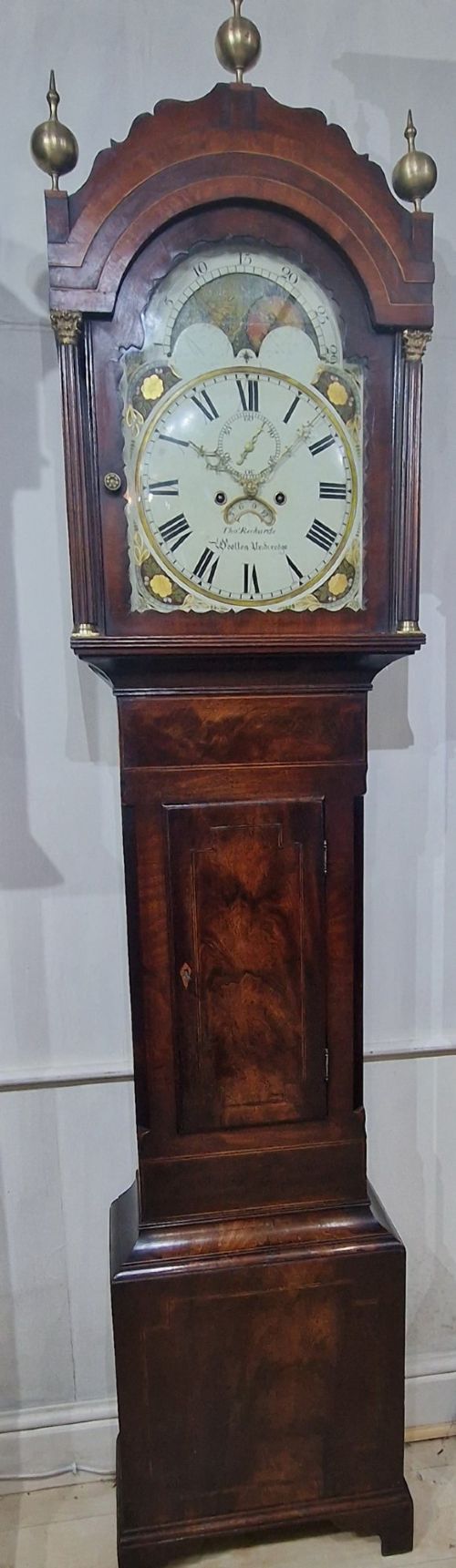


Brown Wood Standing Clock
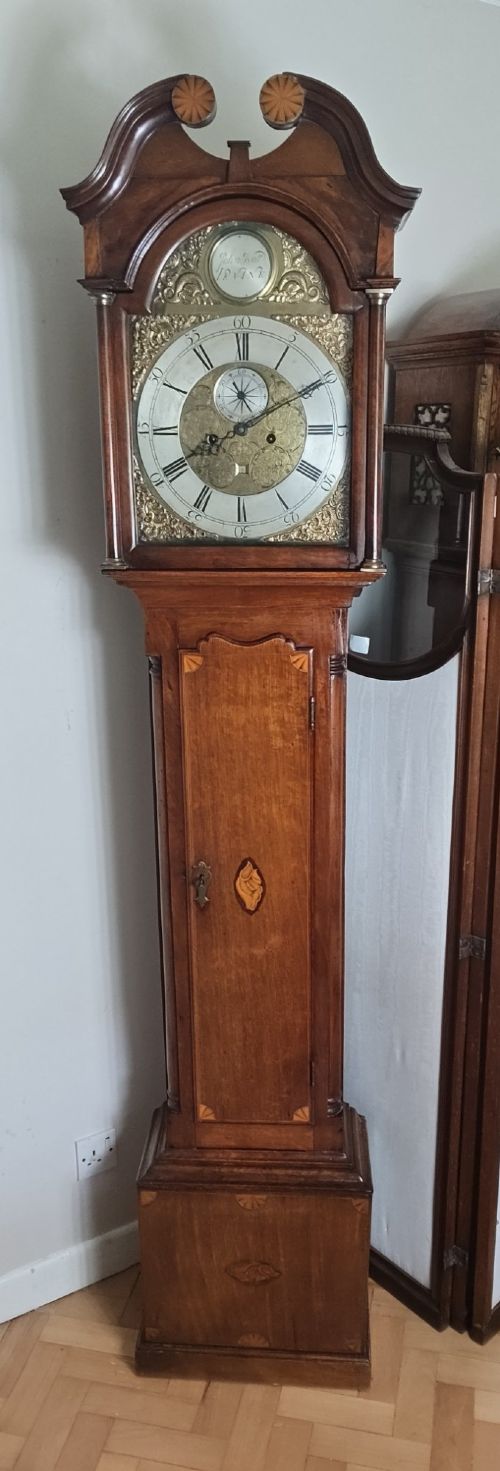
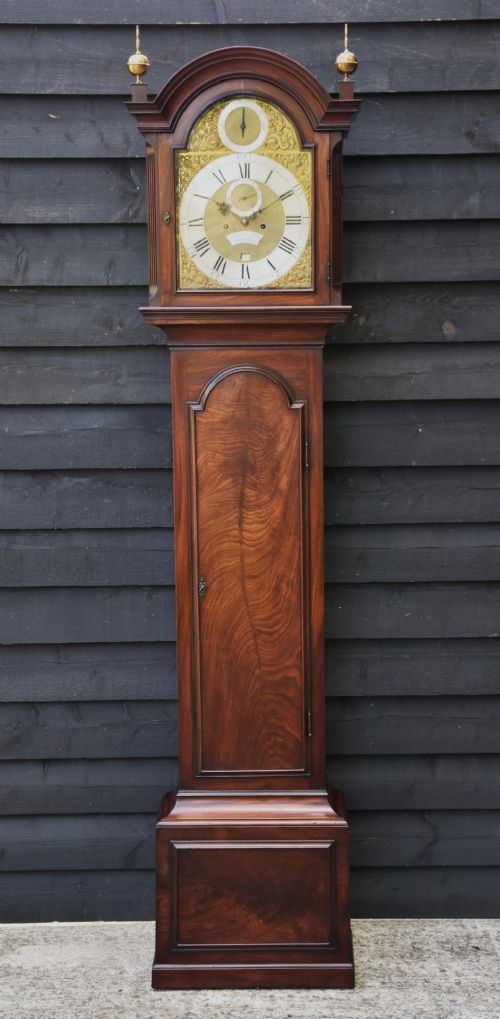
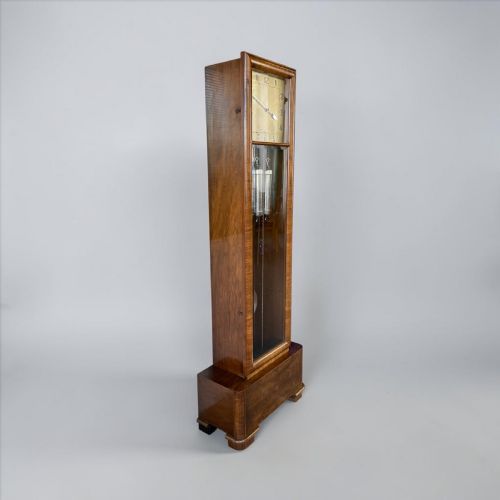
These brown wood standing clock pieces bring timeless mechanical presence and warm timber grain to a room.
Brown Wood Standing Clock
A brown wood standing clock functions as a tall floor-standing timepiece housing a weight-driven or spring-driven movement inside a protective timber case.
The versions most commonly met in these listings span the eighteenth century, the Georgian era, and the Victorian period, appearing as grandfathers, longcases, and smaller grandmother clocks.
Makers such as Matt Wylie Paisley, Richard Alexander, and James Coster of Henley built these tall timepieces in mahogany, oak, and walnut, often incorporating painted dials and moon rollers.
Materials and construction
The casework relies on solid timbers and veneers like mahogany, flame mahogany, oak, and walnut, shaped into tall protective housings that shield the delicate internal gears.
Metals including brass, steel, chrome, and glass form the working movements, dials, and protective face doors that allow visibility of the swinging pendulum and rotating moon rollers.
Some Victorian examples feature a mechanical rocking Father Time figure above the dial, quietly reminding viewers of the relentless passage of hours.
Assessment of quality
Superior examples distinguish themselves through the figuration of the wood grain, such as figured mahogany or flame mahogany veneer, paired with intricate hand-carved details or marquetry.
The refinement of the dial, whether featuring painted arch scenes, brass subsidiary rings, or moon rollers, indicates the workshop's ambition and the maker's skill.
Rickards Wotton Under Edge·Matt Wylie Paisley·Richard Alexander Devizes·James Coster Of Henley·Dan Williams Crickhowell·W Prior Skipton
The Brown Wood Standing Clock Glossary
- Longcase clock
- A tall, weight-driven pendulum clock enclosed in a wooden case standing directly on the floor. These are frequently known by the alternative term grandfather clock.
- Moon roller
- A mechanical cylinder behind the dial that rotates to display the phases of the lunar cycle. It adds considerable visual complexity to the clock face.
- Grandmother clock
- A smaller, more slender variant of the traditional longcase clock standing shorter in overall height. They emerged during later periods while retaining eight-day movements.
- Paterae
- Small circular ornamental motifs carved or inlaid into furniture timber. They often appear on classical neoclassical or Georgian clock hoods and trunk doors.
- Marquetry
- Decorative veneer work forming pictorial patterns using various tinted woods. This technique adorns the surfaces of finer clock cases.
Brown Wood Standing Clock: Frequently Asked Questions
What is a brown wood standing clock?
A brown wood standing clock is a tall floor-standing timepiece housed in a timber case made from materials like mahogany, oak, or walnut.
These pieces combine functional mechanical clockwork movements with architectural cabinetry designed to display the time in domestic interiors.
How do I wind an eight day clock?
An eight day clock requires winding approximately once a week using a specialised key inserted into winding holes on the dial face.
Careful turning lifts the internal weights or tightens the springs until they reach their maximum tension without over-winding the mechanism.
Where were grandfather clocks placed?
Grandfather clocks typically stood in hallways, living rooms, or stairwells where their height and striking chimes could resonate through the household.
Placed on firm, level flooring, they functioned as the central timekeeper for the family and visitors alike.
How do I identify a Georgian clock?
Georgian clocks generally date from the eighteenth or early nineteenth century and feature classical proportions executed in mahogany or oak.
They often display brass dial spandrels, arched painted faces, and traditional woodwork characteristic of cabinetmakers from that era.
What is the difference between a grandfather and grandmother clock?
A grandfather clock is a full-sized longcase timepiece standing well over six feet tall with an eight-day or thirty-hour heavy weight-driven movement.
A grandmother clock is a significantly smaller, more compact version produced during later periods to fit into tighter domestic spaces.