


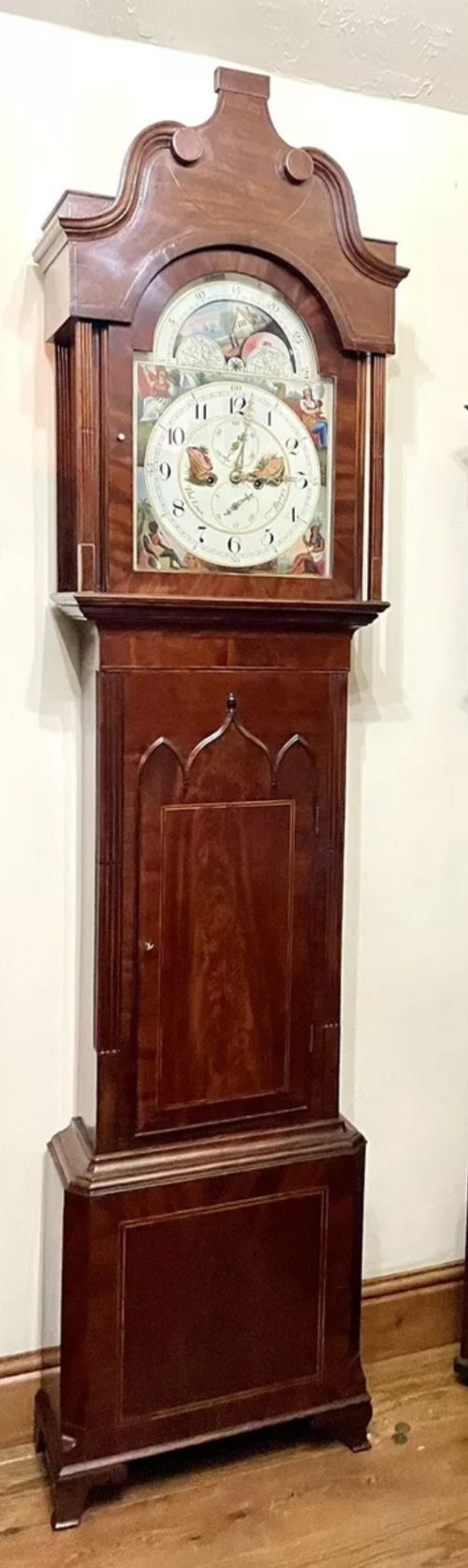


Georgian Inlay Floor Clock
A georgian inlay floor clock stands as a towering piece of functional engineering, bringing historic timekeeping and cabinetwork into a room.
Georgian Inlay Floor Clock
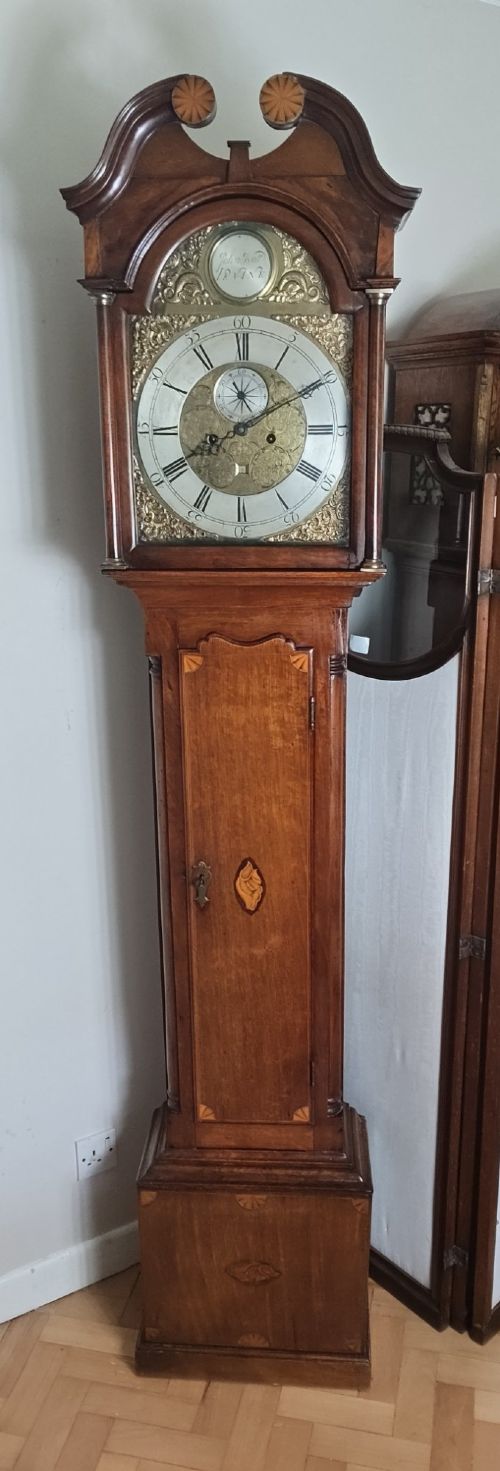
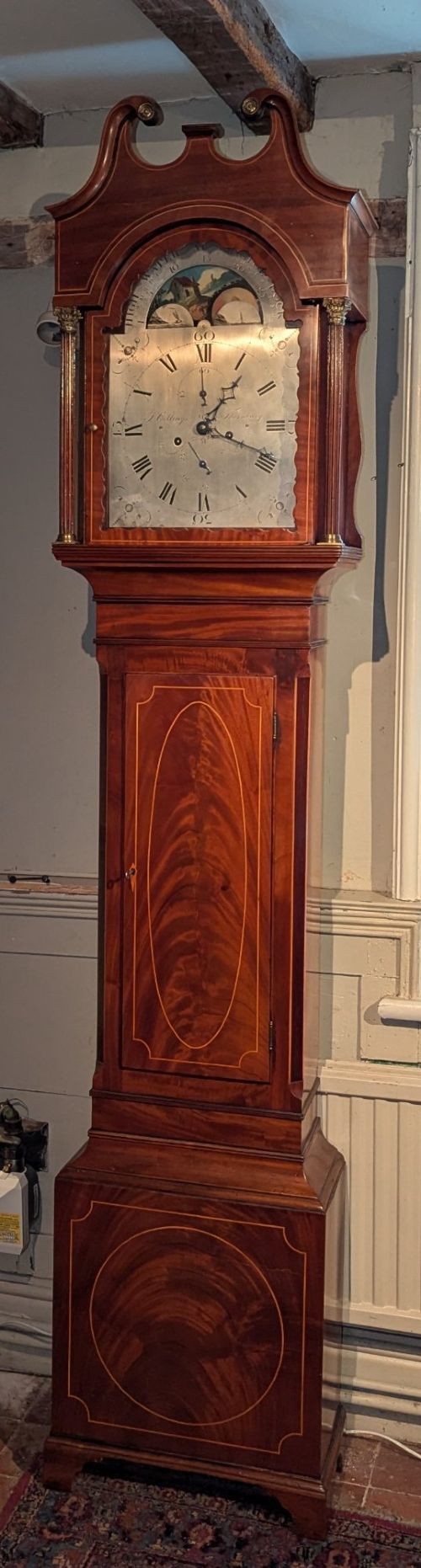
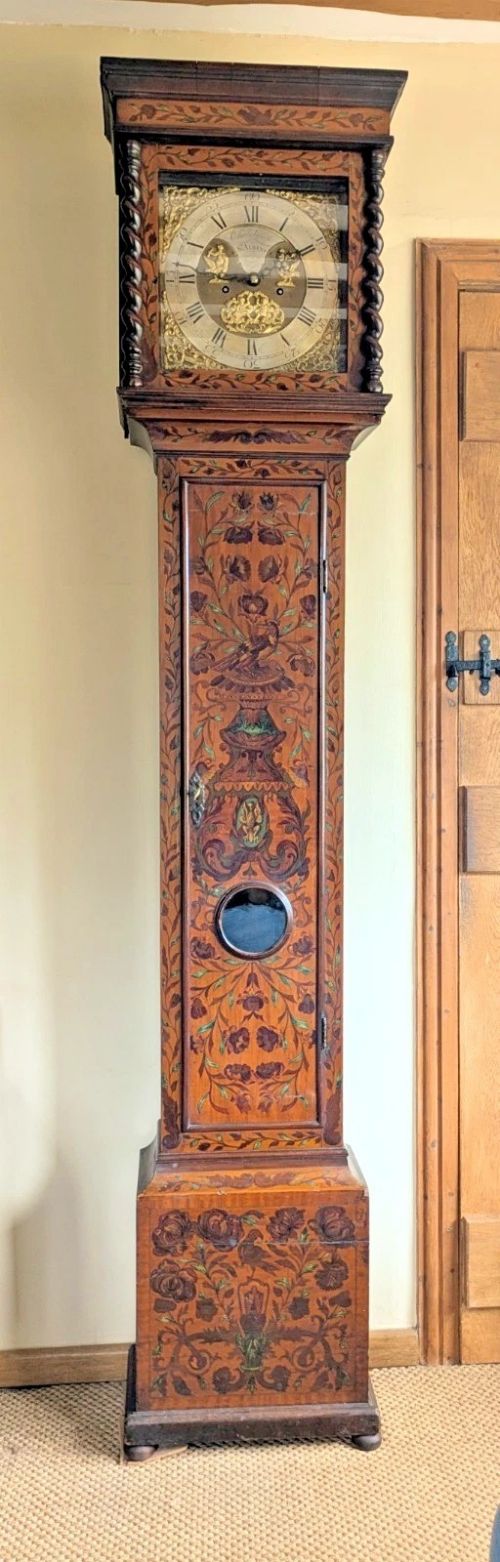
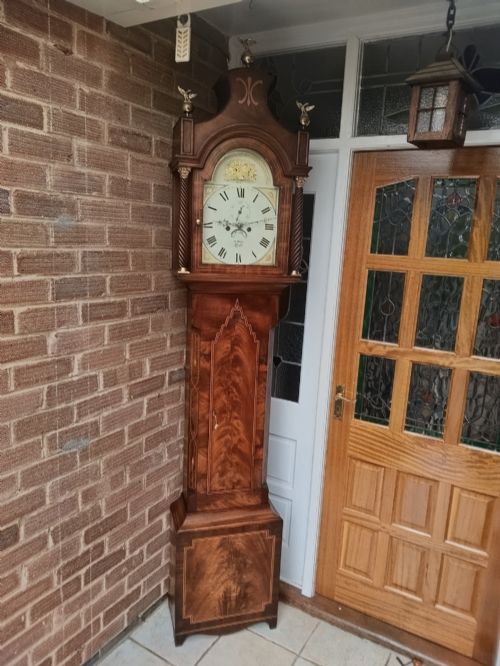
When you search for a georgian inlay floor clock, you encounter tall case timepieces primarily housed in mahogany, oak, and walnut bodies. These tall structures were built to shelter delicate weight-driven mechanisms while displaying decorative woodwork in domestic halls and parlours.
The versions most frequently met on this page span the Georgian, George III, and Regency periods, alongside later Victorian and Edwardian interpretations. They range from restrained regional examples to elaborate urban pieces featuring painted iron or brass dials.
Makers often signed directly on the dial face, linking provincial towns and major cities to individual horological workshops. The tall proportions accommodate swinging pendulums and descending weights that operate the striking trains.
Materials and Construction
Cabinetmakers constructed the tall cases using solid timbers like oak and mahogany, frequently applying flame mahogany veneers and contrasting inlay patterns such as marquetry and paterae. Glass doors protected the dial faces while brass and steel formed the intricate gear trains and escapements hidden inside.
Dial faces combined painted iron or brass backgrounds with hand-lettered numerals and subsidiary dials for seconds, tides, or moon phases. Regional makers sourced materials locally or through trade ports, resulting in varied combinations of timber and metal work.
Some provincial dials display charmingly idiosyncratic spelling by makers who seemingly spelled place names however they pleased that morning.
Distinctions in Quality
Quality reveals itself in the crispness of the cabinet inlay and the stability of the timber used for the long case body. Superior pieces display intricate marquetry and well-figured grain patterns that remain balanced across the door and hood.
The mechanical movement dictates the internal standard, with finer eight-day gear trains showing precise wheel cutting and signed brass dial plates. Regional variations introduce distinct dial artistry, separating standard production from exceptional individual commissions.
Charles Louch St. Albans·John Denbigh Merton Park·David Morice of Auchtermuchty·Thomas Lees Bury·Thomas De Gruchy Jersey·Furnival Oldham·William Smith Keighley·R Lawson Leigh·Edward Glase of Bridgnorth·Edward Renouf Jersey·Joseph Lum·Iames Richards Liverpool·G Brown Edinburgh·Owen of Llanrwst
The Georgian Inlay Floor Clock Glossary
- Longcase clock
- A tall pendulum clock enclosed in a wooden case standing directly on the floor. These timepieces are frequently referred to as grandfather clocks by collectors.
- Marquetry
- Decorative veneer work created by fitting together small pieces of different coloured wood to form pictorial or geometric patterns. This technique enhances the visual depth of the clock door.
- Moon phase
- A dial mechanism tracking the lunar cycle through a rotating painted disk showing the moon's age. It adds mechanical complexity and visual interest to the clock face.
- Paterae
- Small circular decorative motifs inlaid into furniture panels, often resembling rosettes. They punctuate the corners and friezes of the clock hood or trunk.
- Arch dial
- A clock face featuring a rounded upper extension above the main circular dial. This space often houses subsidiary displays like tidal indicators or maker signatures.
Georgian Inlay Floor Clock: Frequently Asked Questions
How do these clocks keep time?
Weight-driven movements utilise descending lead or iron weights suspended by cords or chains to power the gear train. The swinging pendulum regulates the release of energy through the escapement.
Most traditional movements require manual winding using a crank key every eight days, though thirty-hour versions exist. Adjusting the pendulum bob alters the rate to keep the time accurate.
Where should I place a longcase clock?
Tall clocks need stable, level flooring away from direct heat sources and sunlight to protect the wooden case and internal movement. A ground-floor hallway or principal room provides the solid foundation required for accurate pendulum swing.
Securing the upper trunk to a wall prevents accidental tipping, especially on older uneven floors. Sufficient clearance above the case is necessary to allow for the hood to be lifted off during maintenance.
What indicates a regional Scottish or Welsh origin?
Regional pieces often bear signatures from towns outside London, pointing to local horologists who built cases using native timbers. Dial layouts and cabinet proportions frequently reflect regional stylistic preferences.
Inscriptions on the dial face or movement backplate record the maker and town of origin, such as Auchtermuchty or Llanrwst. These regional signatures help trace the distribution of clockmaking traditions across Britain.
How do moon phase dials operate?
The mechanical lunar display uses a two-hemisphere painted disk driven by the motion work behind the dial face. It rotates once every lunar month to show the waxing and waning phases through an arched aperture.
This complication required precise gear ratios calculated by the clockmaker. It served practical purposes for navigation, farming, and tide tracking in coastal communities.