
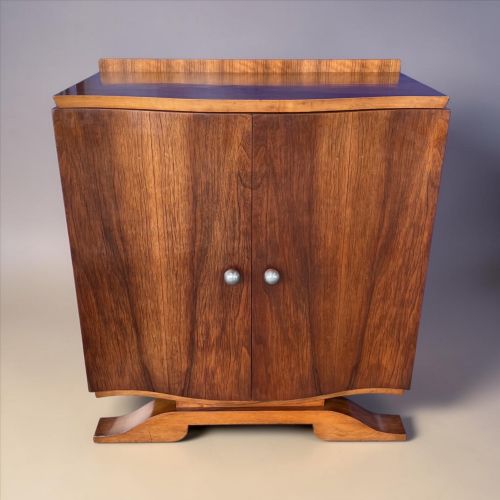
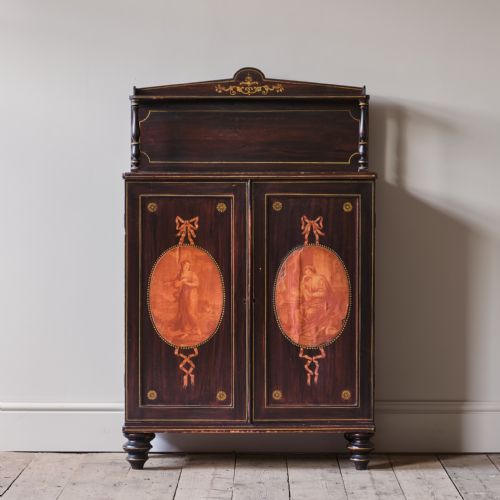

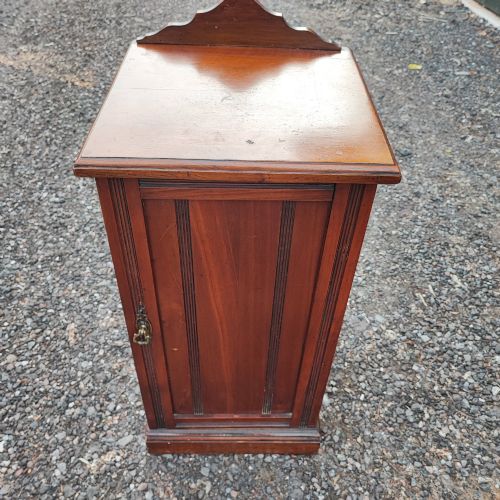
Brown Wood Side Cupboard
A brown wood side cupboard brings warmth and grounded utility to a room, offering compact storage shaped by centuries of cabinet-making.
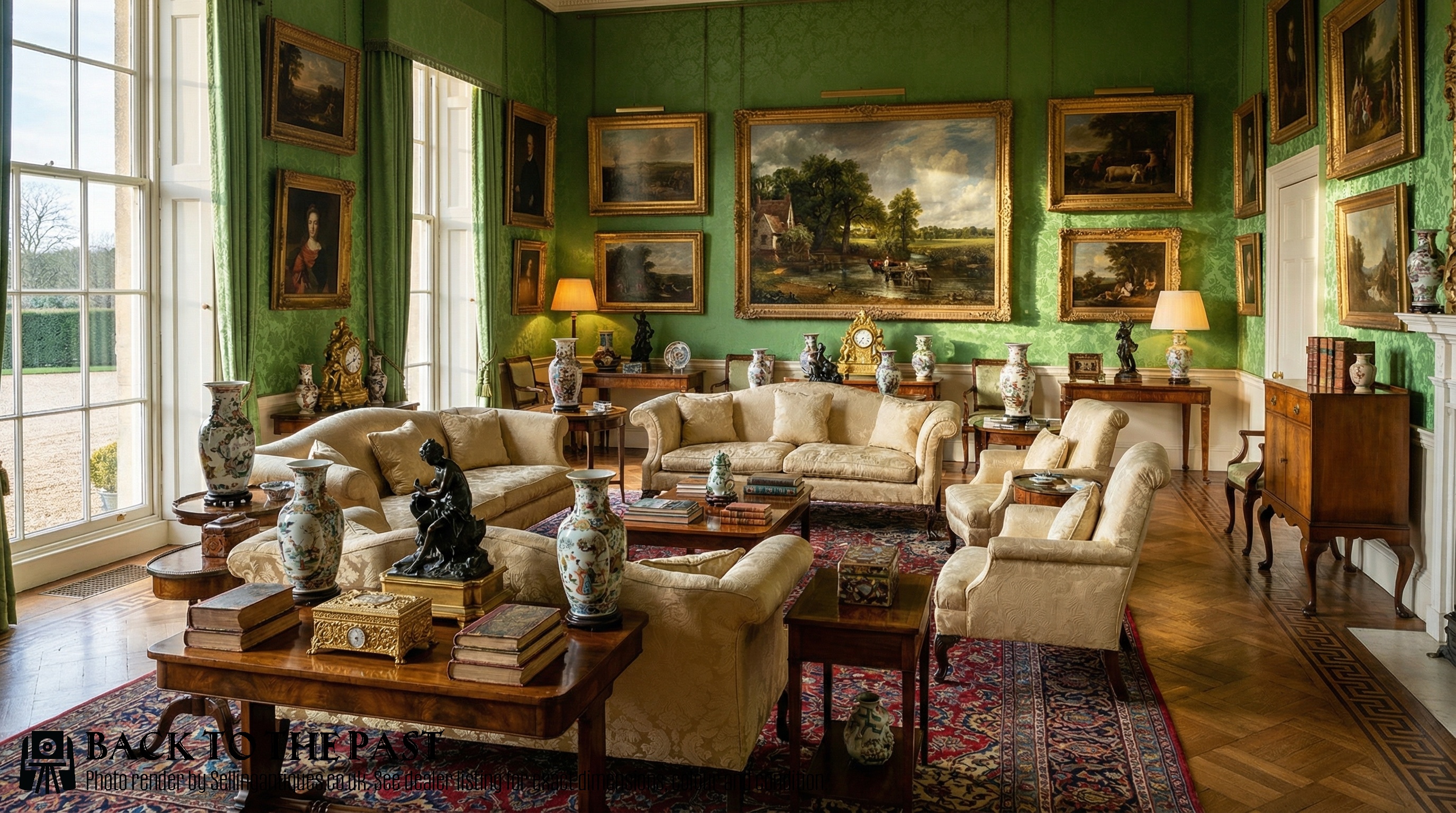
Brown Wood Side Cupboard
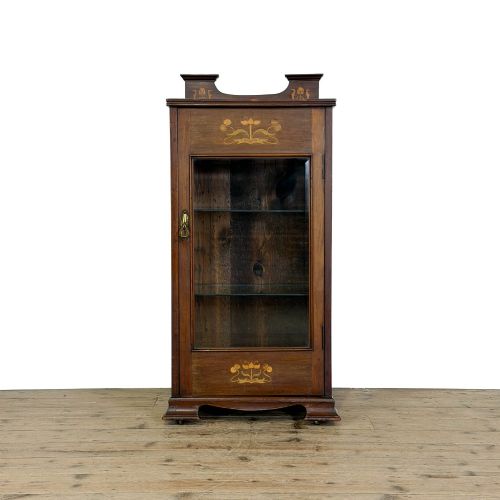
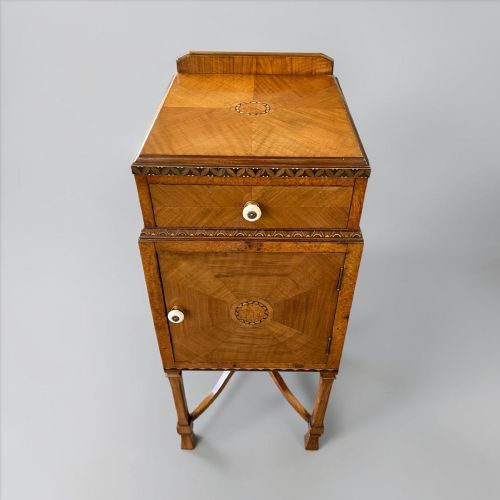
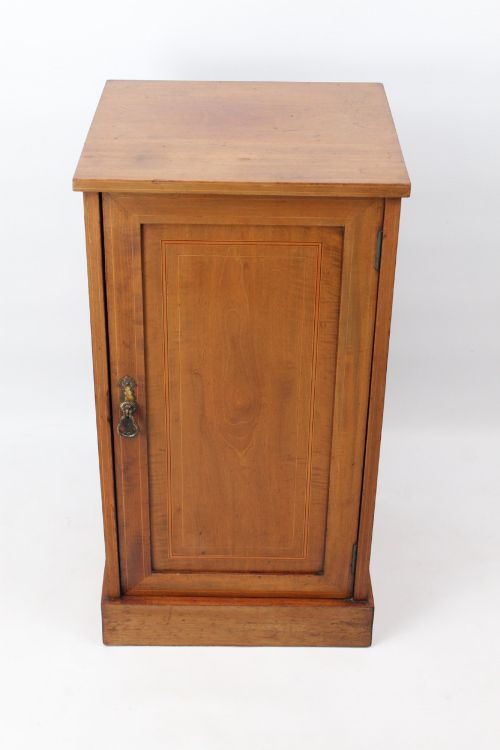
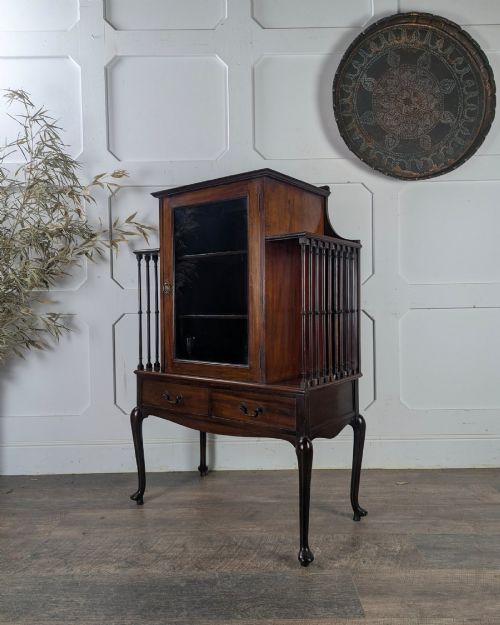
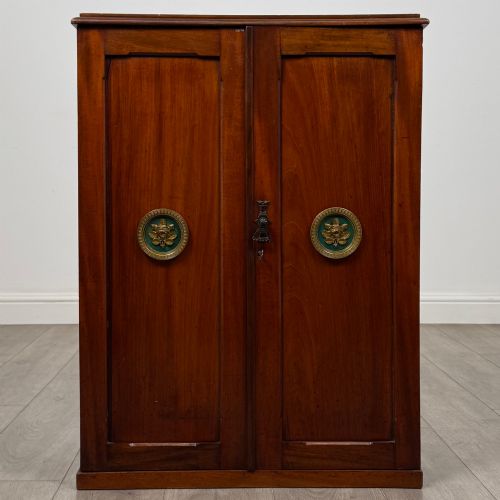
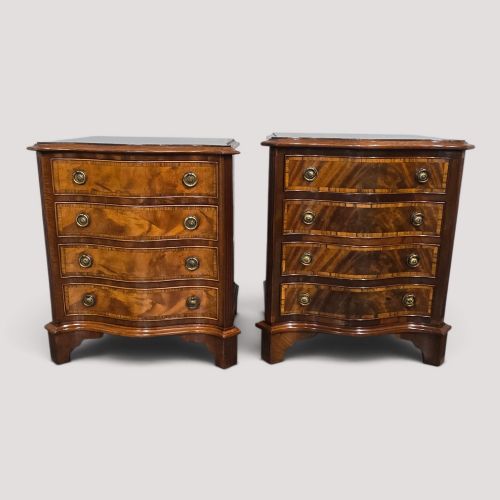
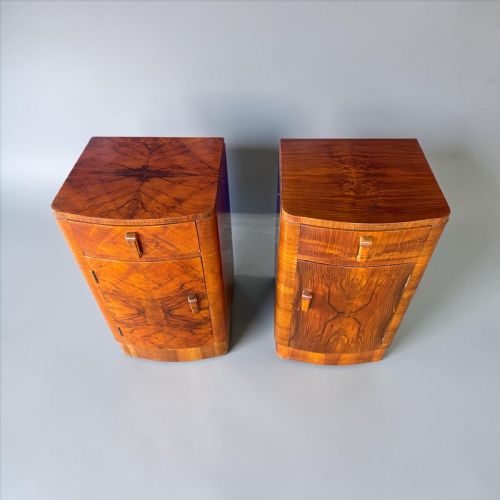
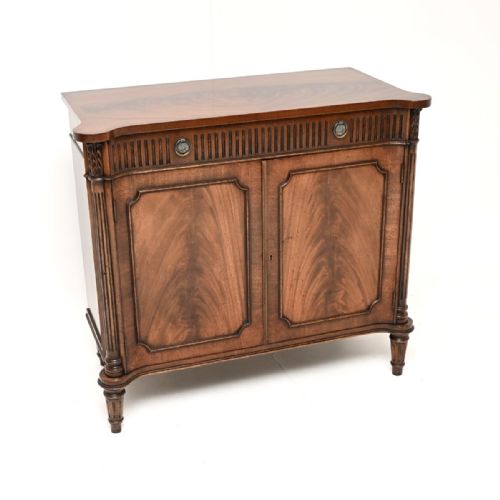
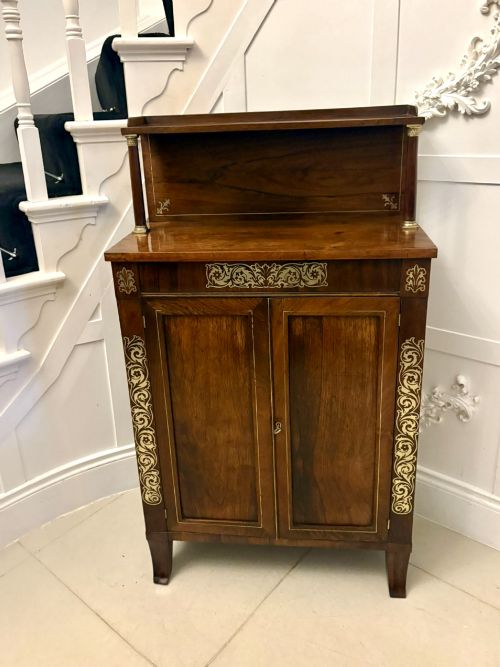
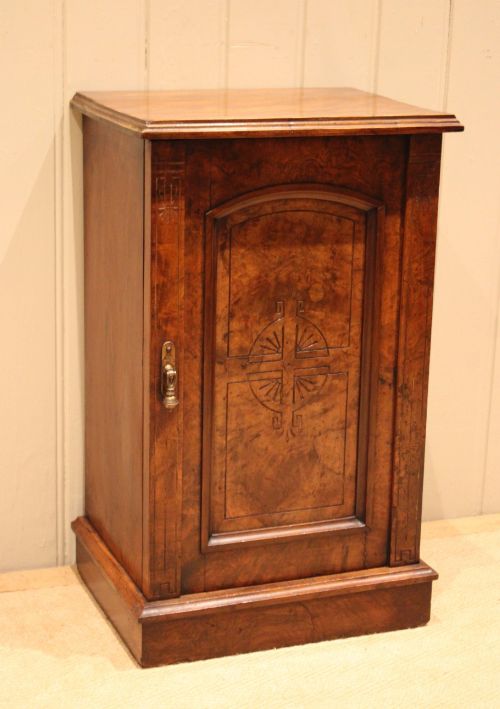
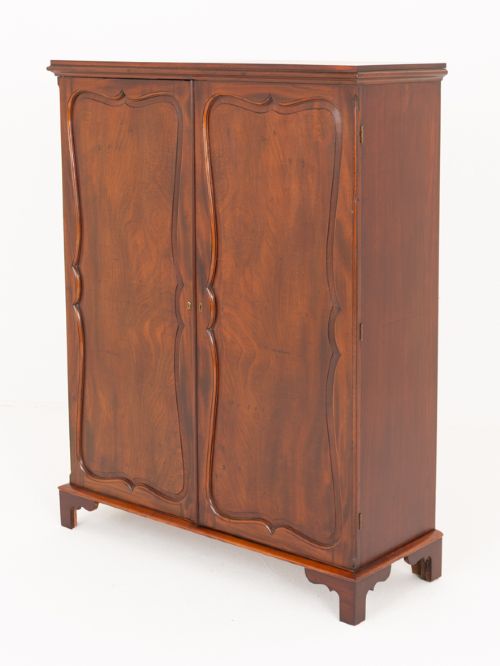
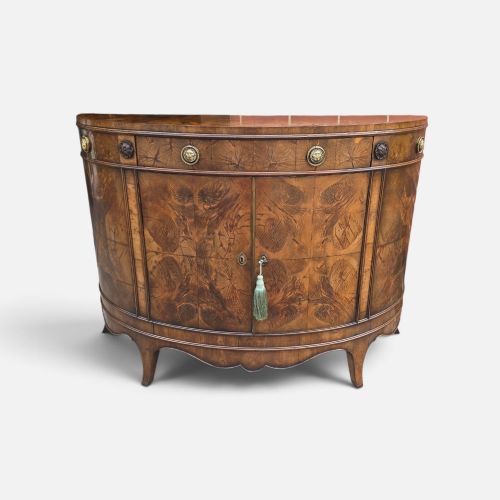
When you search for a brown wood side cupboard, you encounter a varied selection of compact storage furniture spanning several distinct eras. The pieces recorded here range from Georgian and Regency designs through Victorian and Edwardian examples to 1930s Art Deco creations.
Bedside cabinets and side cabinets dominate the selection, alongside specialised forms such as music cabinets, chiffoniers, and display pieces. These items serve practical storage needs in bedrooms, living rooms, and hallways while displaying traditional cabinetry.
Most items belong to the nineteenth and early twentieth centuries, reflecting the enduring popularity of timber storage furniture across successive design movements.
Materials and construction
Makers relied primarily on dense hardwoods such as mahogany, walnut, and oak, often enhanced by decorative veneers including burr walnut, kingwood, amboyna, and flame mahogany. These timbers provided both structural stability and rich grain patterns that defined the appearance of each cabinet.
Traditional joinery techniques combined solid framing with applied veneers, sometimes incorporating brass hardware, marble tops, or inlaid details. Surface treatments ranged from polished French polish finishes to painted decorative schemes.
Listings feature mahogany, walnut, oak, and exotic veneers across periods from the Georgian era through the 1930s.
Judging the work
Quality rests upon the selection of timber figures, the precision of inlaid details, and the integrity of the underlying construction. Superior examples display carefully matched veneer grains and well-fitted doors or drawers that operate smoothly.
The sophistication of the design and the finesse of secondary materials, such as polished marble tops or cast brass mounts, distinguish standard utility furniture from finer decorative works.
The Brown Wood Side Cupboard Glossary
- Chiffonier
- A low sideboard or cabinet featuring doors enclosing shelves, often surmounted by a small shelf or tier.
- Veneer
- A thin layer of figured wood applied over a secondary timber base to create decorative surfaces.
- Demi-lune
- A half-moon shape characteristic of certain console tables, chests, and small cabinets.
- Parquetry
- Geometric patterns formed by small pieces of wood veneer fitted together on a surface.
- Commode
- A low cabinet or chest of drawers, frequently used as a bedside or freestanding piece.
Brown Wood Side Cupboard: Frequently Asked Questions
What is a brown wood side cupboard used for?
These cabinets provide enclosed storage for small items, serving as bedside tables, lamp stands, or supplementary hallway furniture. Their compact proportions allow them to fit into spaces where larger sideboards cannot go.
Historically, specific variations housed sheet music, bedside essentials, or specialised household items while contributing to the decorative scheme of a room.
How do I date a wooden side cabinet?
Dating relies on observing structural characteristics, timber choices, and stylistic details associated with periods like the Georgian, Victorian, or Art Deco eras. Cabinet construction methods and hardware styles offer reliable clues to the decade of manufacture.
Secondary woods used in the interior framing also help determine the geographical origin and period of the piece.
Are these cabinets made of solid wood?
Many pieces combine solid timber frames with decorative wood veneers applied over secondary woods. This technique allowed cabinet-makers to utilise highly figured grain patterns without risking the warping associated with large solid boards.
Examining the interior and drawer linings reveals how the maker balanced structural stability with surface decoration.
How do I care for antique wood furniture?
Protect wooden surfaces by keeping cabinets away from direct heat sources and strong sunlight, which can dry out timber and fade polishes. Regular dusting with a soft, dry cloth preserves the finish without requiring heavy cleaning products.
Applying occasional appropriate wax helps maintain the moisture balance and sheen of antique wood.