
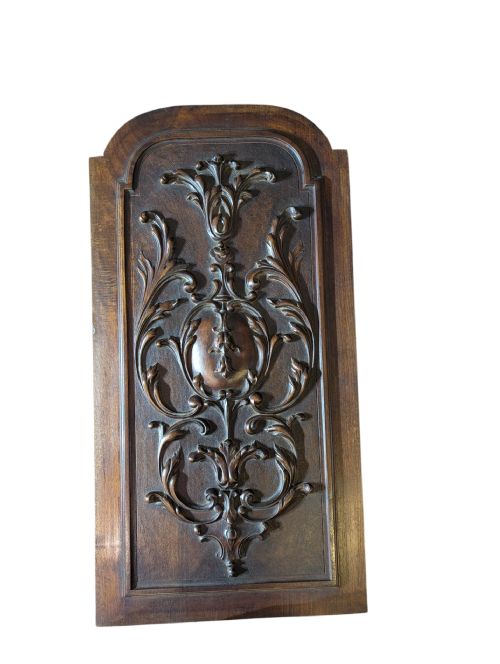
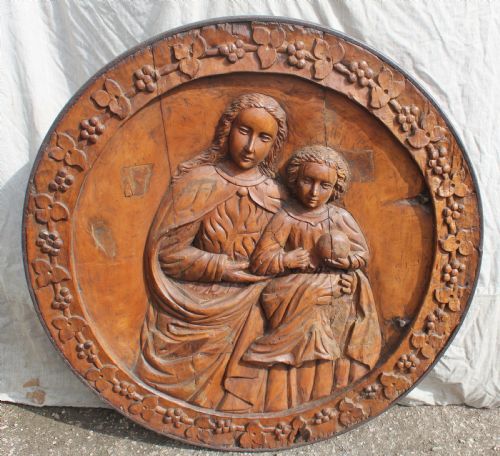
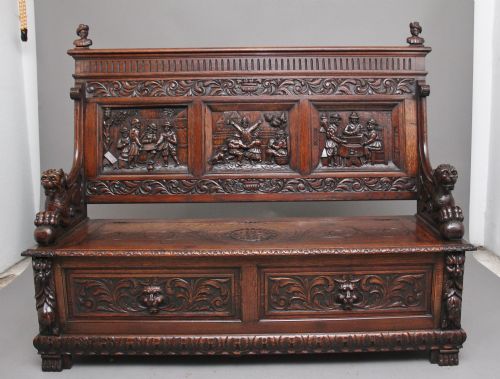
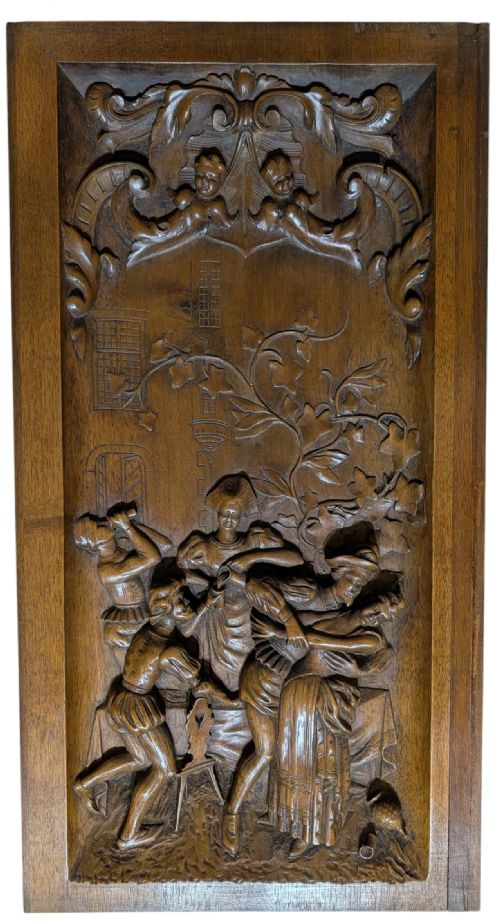
Brown Wood Relief Carving
These brown wood relief carving pieces bring depth and texture to interiors, formed from rich timber sculpted by hand across the centuries.
Brown Wood Relief Carving
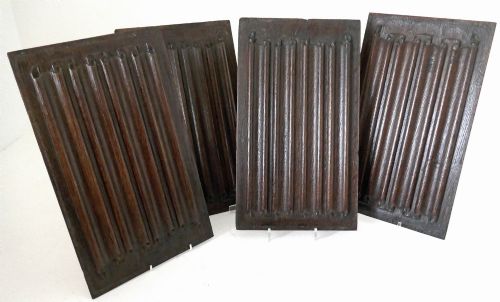
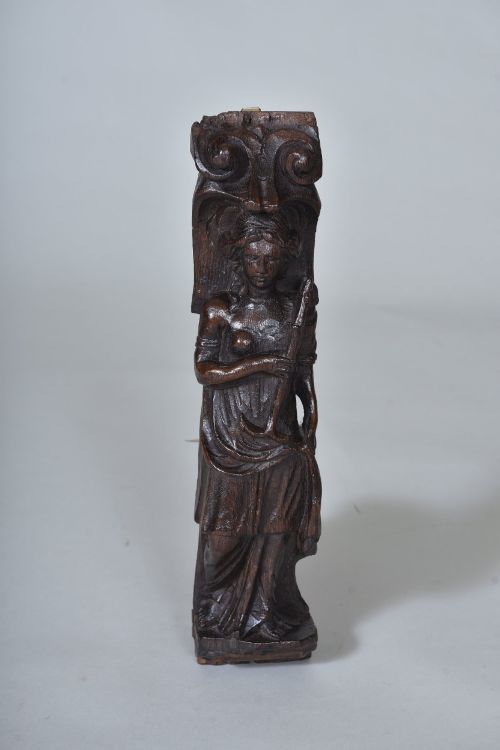
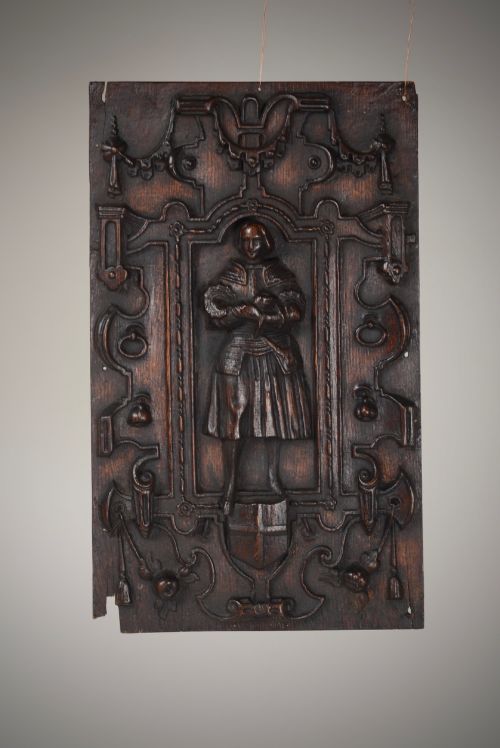
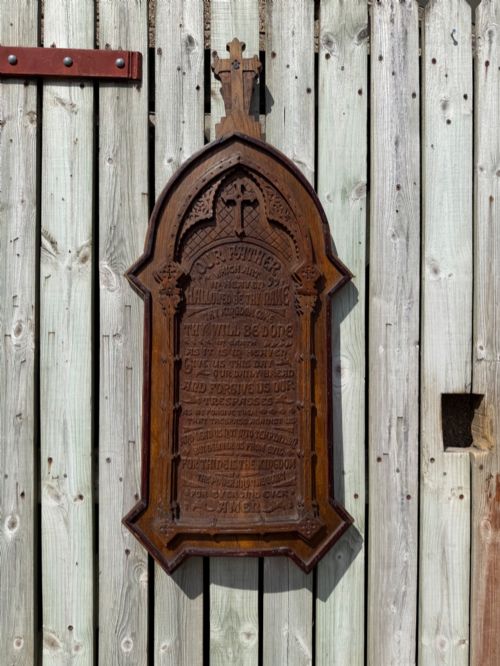
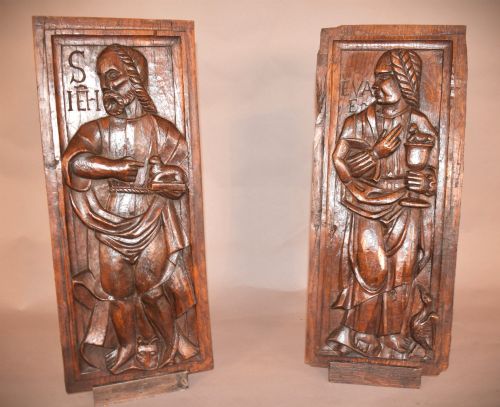
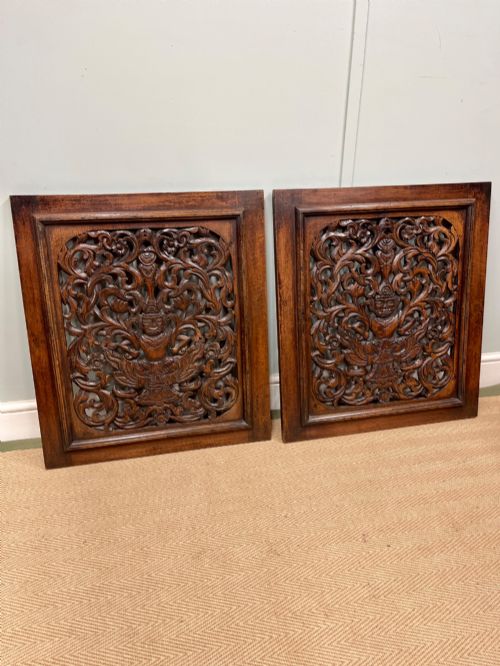
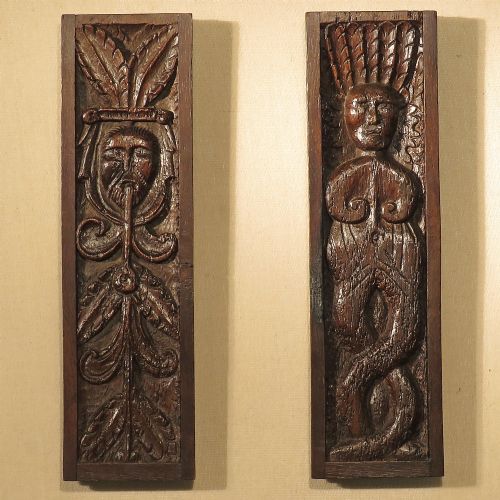
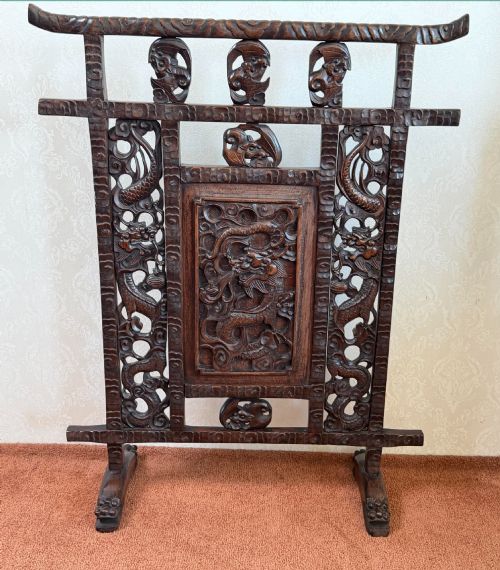
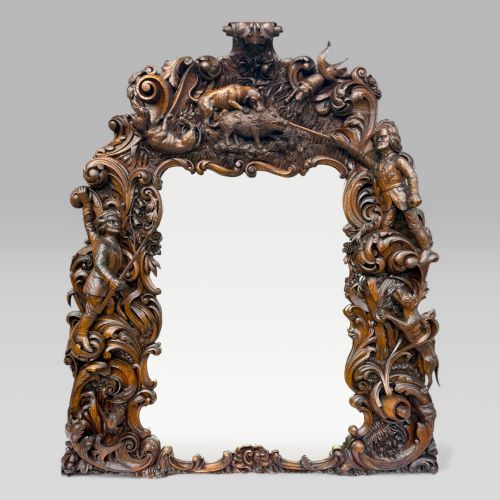
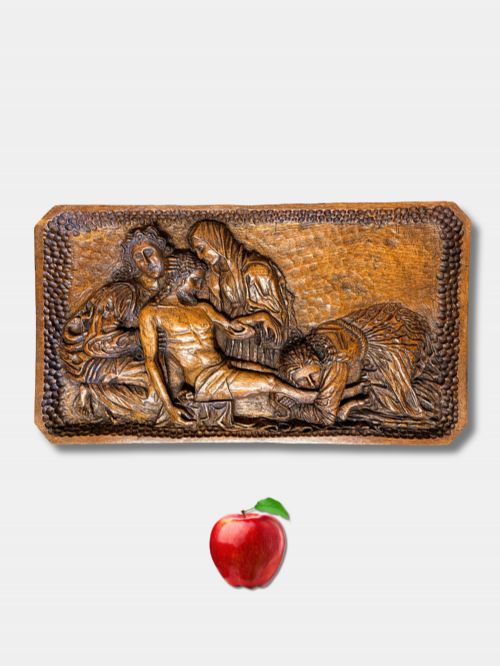
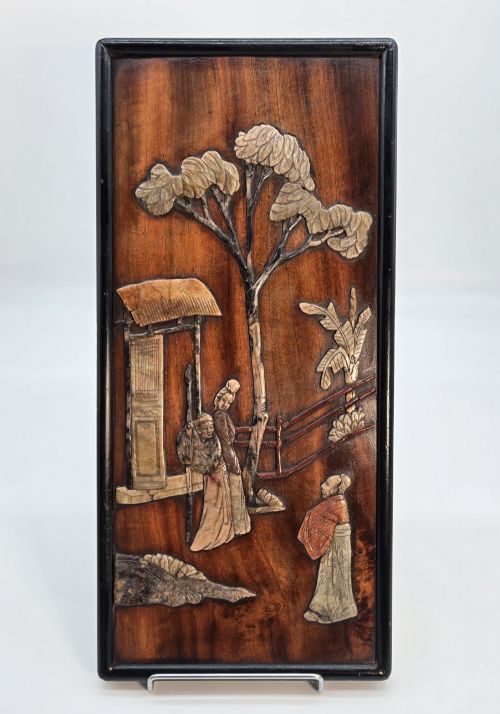
When you search for brown wood relief carving, you encounter architectural fragments, wall panels, and decorative plaques shaped from timber across multiple periods. The selection spans centuries of craftsmanship, ranging from early English linenfold panels to later continental Baroque wall ornaments.
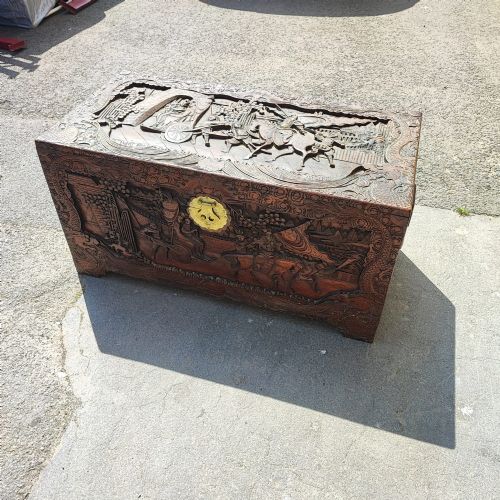
You are most likely to meet 19th-century oak panels, Chinese camphor wood chests, and Black Forest hunting plaques on this page. These forms serve primarily as wall art, architectural salvage, or functional furniture with carved surfaces.
How they were made
Carvers shaped these items using foundational timbers like oak, walnut, teak, and hardwood, working the grain with chisels and gouges to create depth. The technique relies on cutting away the background to leave figures, foliage, or heraldry standing out in relief.
Continental and English workshops utilised seasoned timber, often finishing the surfaces with wax or polish to protect the wood while accentuating the carved details. Some pieces incorporate structural elements of brass or secondary woods to support the primary carved design.
Materials featured across the inventory include oak, walnut, teak, camphor wood, elm, chestnut, and fruitwood.
What varies in quality
The standard of a relief carving depends on the crispness of the chisel work and the depth of the undercutting, which allows figures to detach visually from the background. Master carvers achieved realistic musculature, drapery, and expression, whereas lesser examples rely on shallow, rounded incisions.
The choice of timber and the integrity of the panel construction also determine the grade of the piece. Dense, well-seasoned oak or finely grained walnut retain sharper edges over centuries compared to softer woods that suffer from rounded wear.
Edward Pearce
The Brown Wood Relief Carving Glossary
- Relief carving
- A sculptural technique where figures or designs project from a flat background. High relief stands out significantly, while low relief remains closer to the surface plane.
- Linenfold
- A style of wood panel carving popular in the Tudor period that mimics folded fabric or parchment. It gives plain walls a textured, textile-like appearance.
- Green Man
- A decorative motif consisting of a human face surrounded by or made from leaves and vines. It appears frequently in medieval and Gothic revival wood ornamentation.
- Overmantle
- A large decorative piece, often a mirror or panel, positioned directly above a fireplace mantel. These frequently feature elaborate hunting scenes or heraldic carving.
- Acanthus
- A classical ornamental motif based on the Mediterranean plant with lobed leaves. Carvers utilised this shape extensively in Baroque and classical architectural woodwork.
Brown Wood Relief Carving: Frequently Asked Questions
What are brown wood relief carvings?
These items are sculptural wooden panels, plaques, and architectural elements where figures or patterns project from a solid timber background. They originate from various global traditions and historical periods.
Most examples function as wall art, decorative overmantles, or components integrated into period furniture and architectural schemes.
How should I hang a heavy wood panel?
Heavy panels require secure wall fixings suited to the weight of dense timbers like oak or hardwood. Using a French cleat system distributes the load evenly across the wall.
Ensure the fixing engages directly with structural wall studs or employs heavy-duty wall anchors appropriate for the masonry.
How do I care for antique carved wood?
Maintain the timber by dusting gently with a dry, soft cloth and avoiding modern silicone-based polishes. Periodically applying a microcrystalline wax preserves the finish without building up greasy layers.
Keep the pieces away from direct sunlight, radiators, and extreme humidity fluctuations to prevent the wood from splitting or warping.
How can I tell the period of a carving?
Dating relies on the style of the motif, the tool marks left on the reverse, and the natural ageing of the timber. Gothic and Renaissance pieces display distinct structural assembly methods and tool signatures compared to later Victorian revivals.
Examining the grain shrinkage and patina helps confirm the age of the wood relative to the stated era.