



Brown Wood Mule Chest
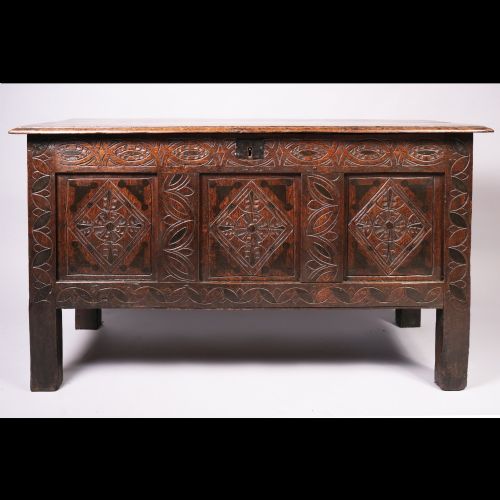
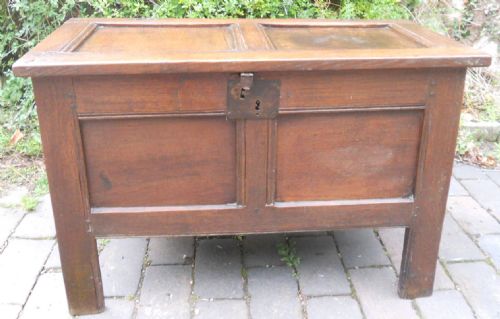
A brown wood mule chest brings centuries of practical storage and rich timber grain directly into a room.
Brown Wood Mule Chest
A brown wood mule chest is fundamentally a storage box, often featuring a drawer beneath the main compartment for added utility. The examples seen here span centuries, drawing from periods such as the seventeenth century, the Georgian era, and the Victorian epoch.
Most pieces meeting this description are constructed from sturdy timbers like oak or elm, reflecting vernacular country traditions. Alongside full-sized chests, smaller variations such as miniature coffers and coffers on stands appear across the selection.
Origins vary from English workshops to Welsh vernacular makers, showing regional differences in proportion and construction. These storage pieces served traditional domestic needs for household linens and woollens.
Materials and construction
The primary materials recorded are solid woods, predominantly oak and elm, paired with functional iron and brass hardware for hinges, locks, and handles. Six-plank construction and joined framing form the backbone of these traditional storage forms.
Surface finishes range from natural waxed timber to scumbled paint applied over the base material. Joinery relies on traditional pegged joints and hand-planed boards rather than modern fasteners.
Recorded forms include six-plank coffers, miniature Welsh coffor bach, and nineteenth-century scumbled painted storage boxes.
Judging quality in storage chests
Quality rests in the integrity of the timber selection and the honesty of the construction, where hand-planed surfaces and original ironwork elevate a piece. Early joined examples display sophisticated framing compared to simpler vernacular boards.
The presence of integrated drawers and well-proportioned stands marks a higher level of domestic furniture design within the range. Preservation of the original surface texture and hardware determines the overall character.
The Brown Wood Mule Chest Glossary
- Mule chest
- A traditional storage chest featuring one or more drawers built beneath the main hinged compartment. This form bridges the gap between a simple blanket chest and a chest of drawers.
- Coffer
- A heavy wooden box with a hinged lid used historically for valuables and household goods. Early examples often utilise joined oak construction.
- Vernacular country
- Furniture made by local craftsmen using regional timbers and traditional methods, prioritising utility over high-style London fashions. These pieces often display distinct local architectural details.
- Scumbled paint
- A decorative paint technique involving translucent layers dragged or brushed over a base coat to imitate finer grain or add texture. It appears on nineteenth-century storage boxes.
- Coffor Bach
- A Welsh term for a miniature coffer or chest, typically constructed in oak during the eighteenth century. These small chests were often made as love tokens or apprentice pieces.
Brown Wood Mule Chest: Frequently Asked Questions
What is a mule chest?
A mule chest is a traditional storage box that combines a top-opening lid with one or more drawers placed beneath the main compartment.
This hybrid design evolved to offer easier access to stored textiles without disturbing items piled on top.
How old are these chests?
The pieces seen here range from seventeenth-century joined oak examples through Georgian and Victorian periods.
Construction methods, timber types, and hardware styles help indicate the specific era of origin.
Where were they made?
These storage pieces originate from various regional workshops, with specific examples noting English and Welsh vernacular traditions.
Local timber choices and distinct framing techniques often point to the geographical source.
How do I use one today?
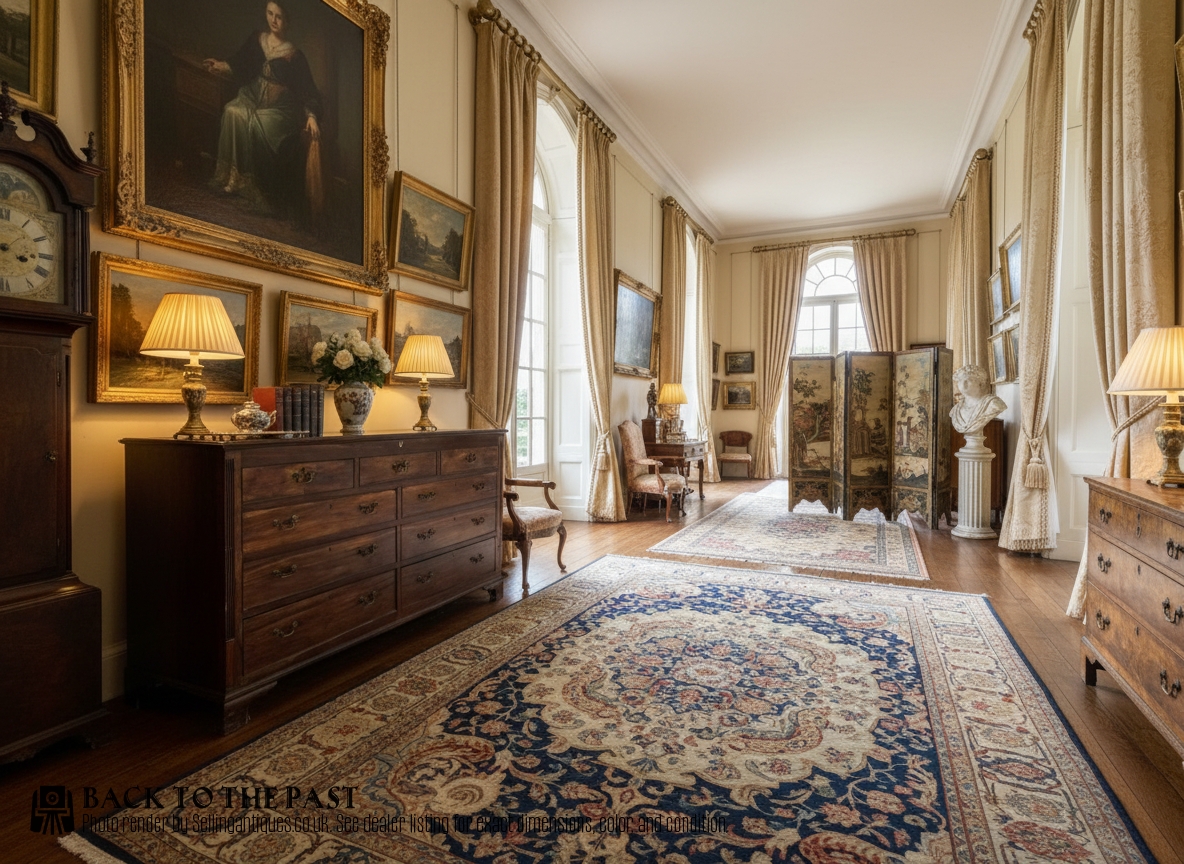
A brown wood chest functions effectively as a blanket box at the foot of a bed or as a living room storage table.
The sturdy flat top surface also allows the piece to serve as a display area for lamps or decorative objects.