

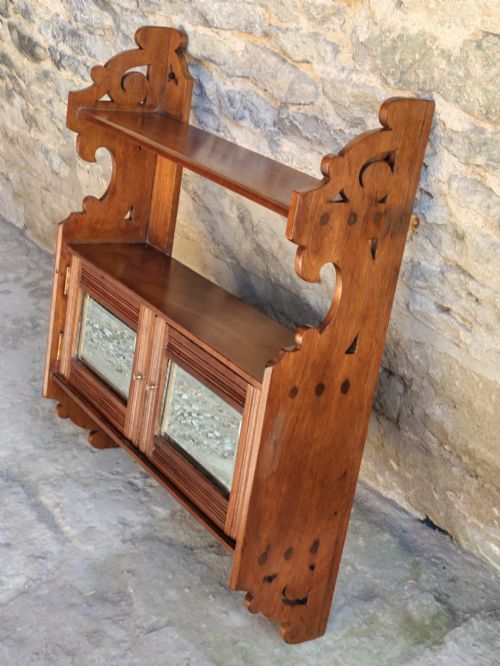
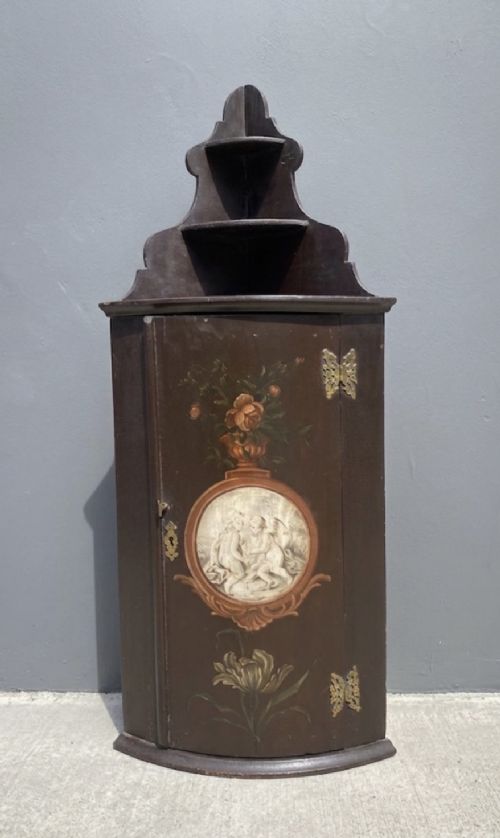

Brown Wood Hanging Cabinet
A brown wood hanging cabinet brings warmth and practical storage to an interior, keeping floor space clear while displaying or concealing small treasures.
Brown Wood Hanging Cabinet
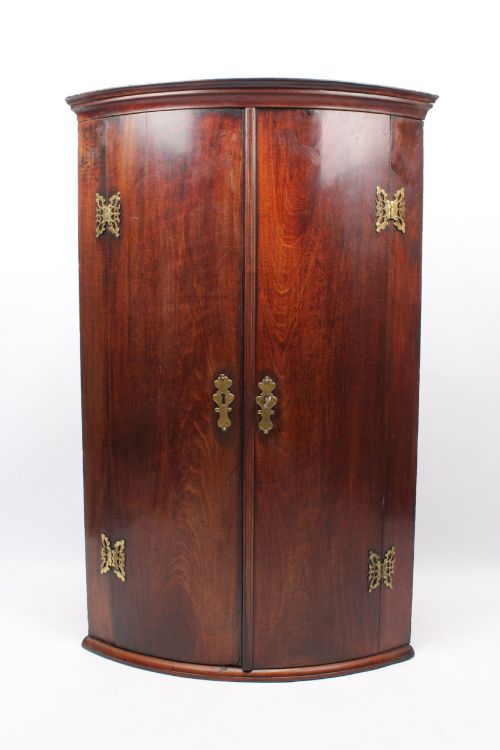
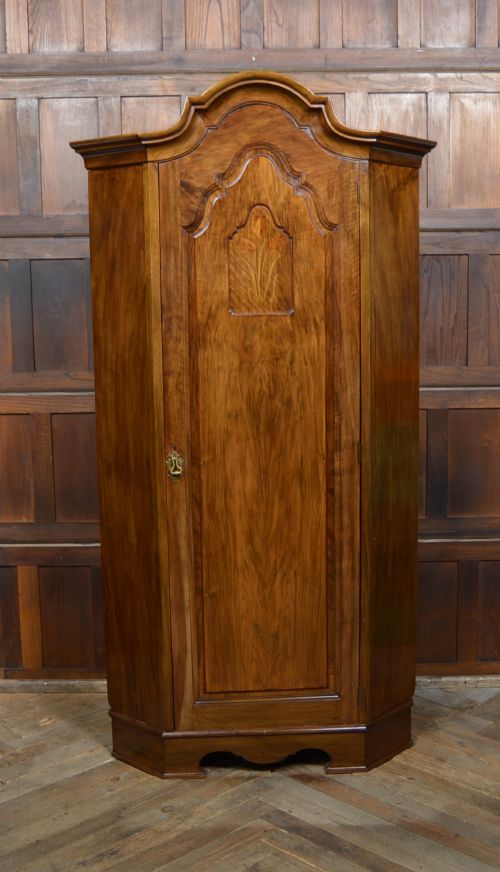
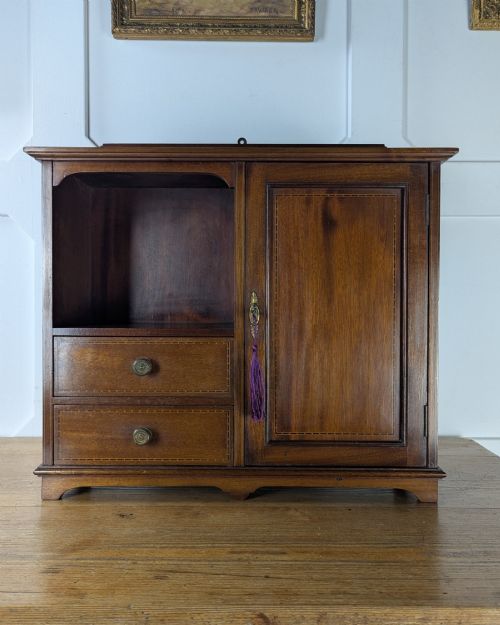
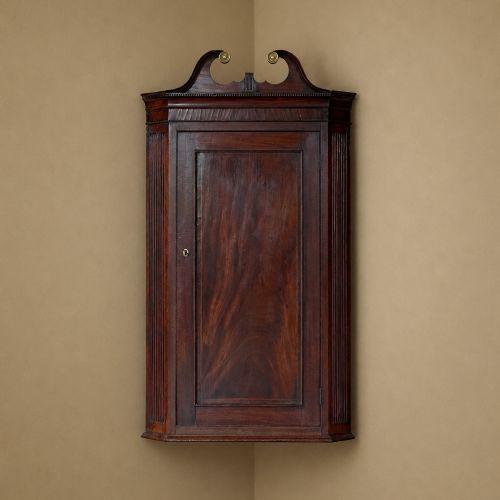
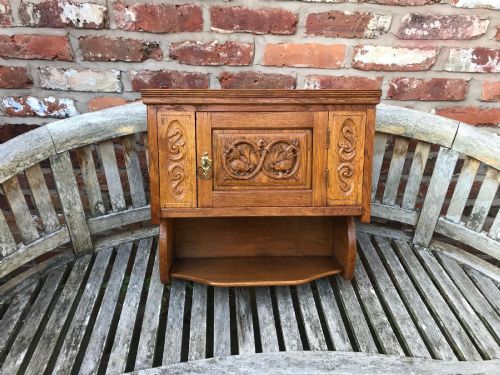
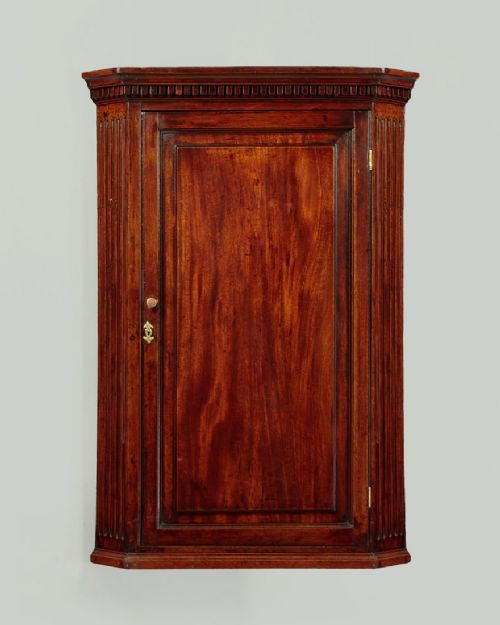
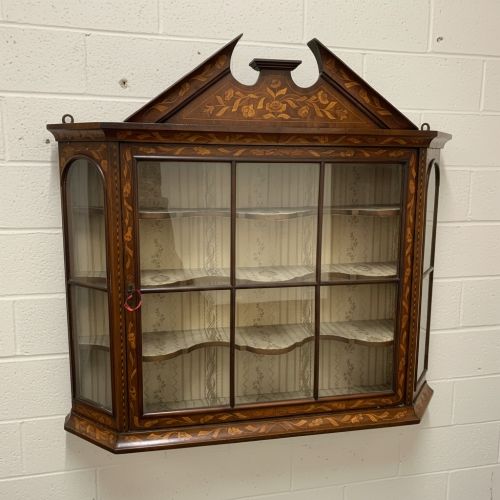
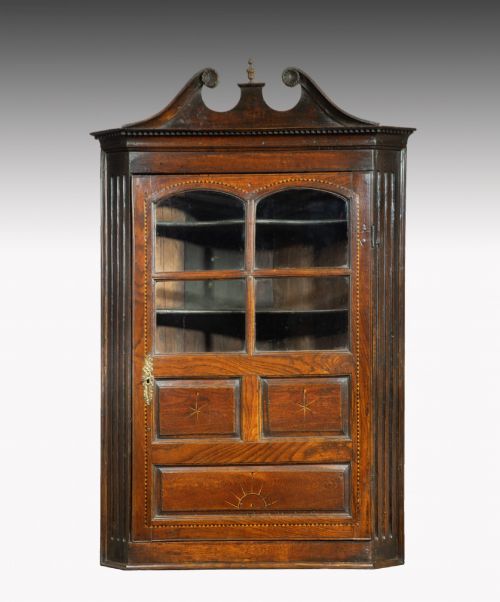
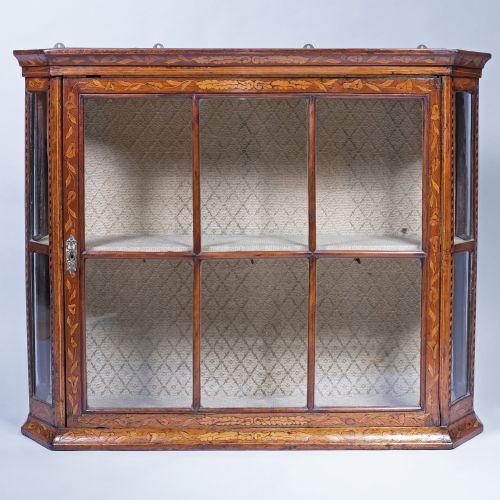
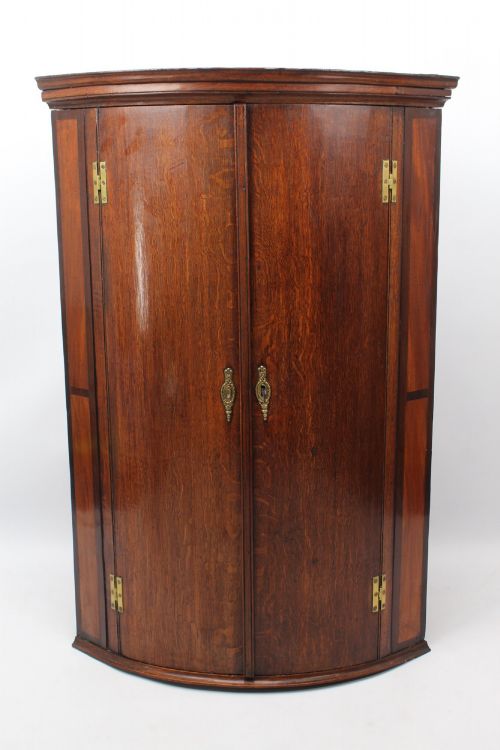
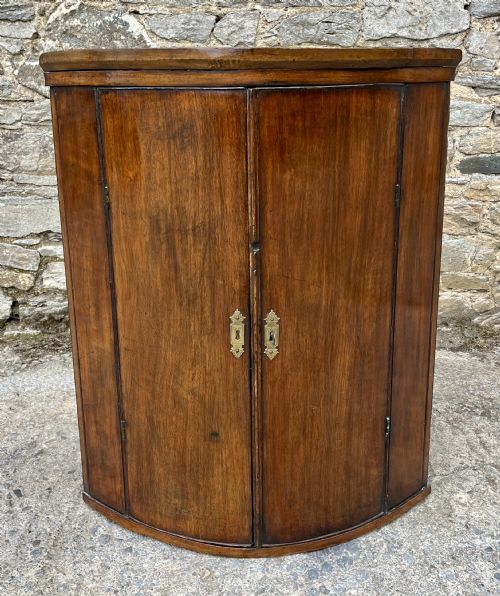
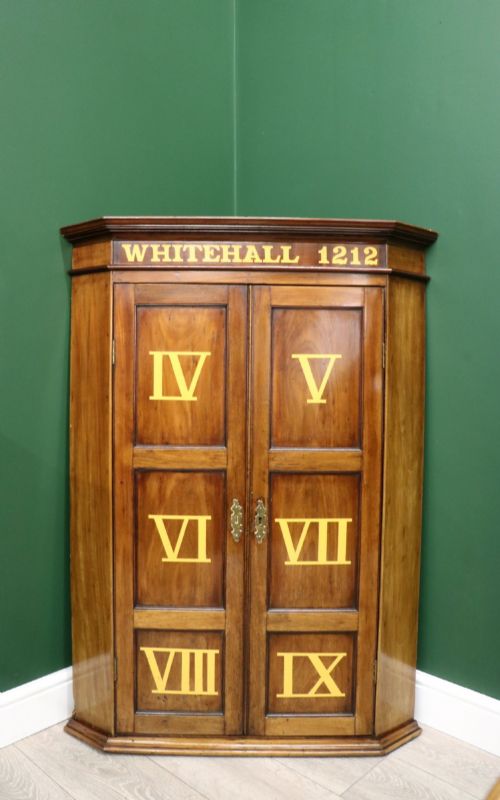
A brown wood hanging cabinet encompasses wall-mounted cupboards, corner units, and display cases constructed from timbers such as mahogany, oak, walnut, and fruitwood. These pieces range from Georgian bow-front corner cupboards to Victorian carved wall cabinets and Edwardian variations designed to utilise vertical space.
Buyers searching for a brown wood hanging cabinet frequently encounter corner cupboards and wall-mounted units originating from the Georgian and Victorian eras. These functional objects were built to store provisions, glassware, or personal items in compact rooms, making them enduringly useful for modern homes.
The selection includes regional interpretations like French fruitwood panetieres alongside British country oak pieces and sophisticated inlaid mahogany examples. Each item reflects the domestic requirements of its period, offering enclosed shelving or glazed doors to suit different display needs.
Materials and construction methods
Cabinetmakers utilised dense hardwoods including mahogany, oak, and walnut, often applying crossbanding, marquetry, or satinwood inlay to enrich the primary timber. Brass hardware such as H-hinges, escutcheons, and keyplates provided both structural support and decorative contrast against the dark wood surfaces.
Joinery techniques relied on dovetail construction for drawers and sturdy frame-and-panel assemblies for doors to accommodate seasonal wood movement. Wall mounting was achieved through robust internal brackets or integrated hanging lugs designed to bear the weight of stored contents safely.
Current listings demonstrate timber selections spanning rich mahogany, dense oak, figured walnut, and provincial fruitwood.
Distinctions in quality and execution
Quality rests in the selection of timber figures, where symmetrical mahogany flame veneers or densely grained quarter-sawn oak elevate a simple carcass into a sophisticated focal point. The crispness of hand-carved details, whether geometric mouldings or floral motifs, distinguishes workshop production from simpler vernacular carpentry.
Internal elements such as shaped wooden shelving, original glass panes, and intact brass locks demonstrate the original maker's commitment to detail. Superior proportions and harmonious integration of inlays indicate a higher standard of design during the period of manufacture.
The Brown Wood Hanging Cabinet Glossary
- Bow front
- A convex curved cabinet front popular during the Georgian period that softens room angles and maximises internal depth.
- Crossbanding
- A decorative border of veneer laid with the grain running perpendicular to the main panel, framing the central timber.
- Marquetry
- An elaborate technique of inlaying contrasting veneers to create pictorial or geometric patterns on cabinet doors.
- Panetiere
- A traditional French wall-mounted food cupboard, often featuring spindle galleries designed for ventilation.
- Escutcheon
- A protective metal plate surrounding a keyhole, frequently cast in brass and shaped to complement the cabinet style.
Brown Wood Hanging Cabinet: Frequently Asked Questions
Where should I hang a corner cabinet?
These units suit unused room intersections, bringing architectural interest and enclosed storage to empty wall junctions without protruding into main walkways.
Ensure the supporting wall is solid enough to bear the weight of the timber and its contents, anchoring securely into studs or masonry.
How do I clean antique wood surfaces?
Dust regularly with a soft, dry cloth and occasionally nourish the timber using traditional beeswax rather than modern silicone sprays.
Avoid placing cabinets near direct heat sources or strong sunlight, which can dry out the wood and fade rich mahogany or walnut tones.
Were all these cabinets originally for corners?
While many surviving examples are triangular corner units designed to fit domestic spaces efficiently, flat-backed wall cabinets also exist.
Flat wall cupboards typically served specific purposes like storing food, pipes, or bathroom sundries rather than general room display.
How can I tell Georgian pieces apart?
Georgian cabinets often display rich mahogany or oak grain, subtle cockbeading around doors, and restrained classical proportions.
Later Victorian and Edwardian interpretations frequently introduce heavier carving, glazed doors with varied pane layouts, or lighter satinwood stringing.