



Small Country Oak Cupboard
A small country oak cupboard is a modest, timber-built storage piece offering vernacular charm and honest utility for compact spaces.
Small Country Oak Cupboard
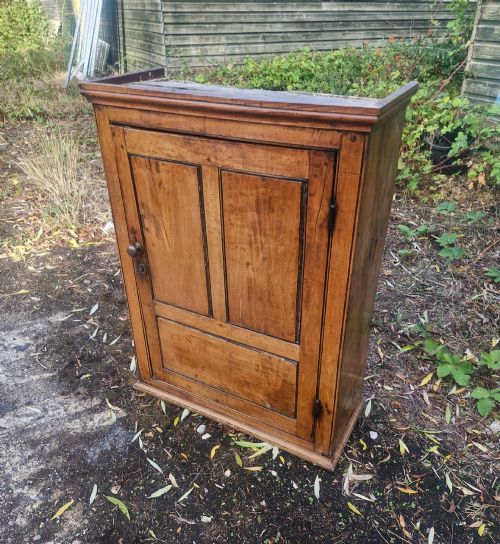
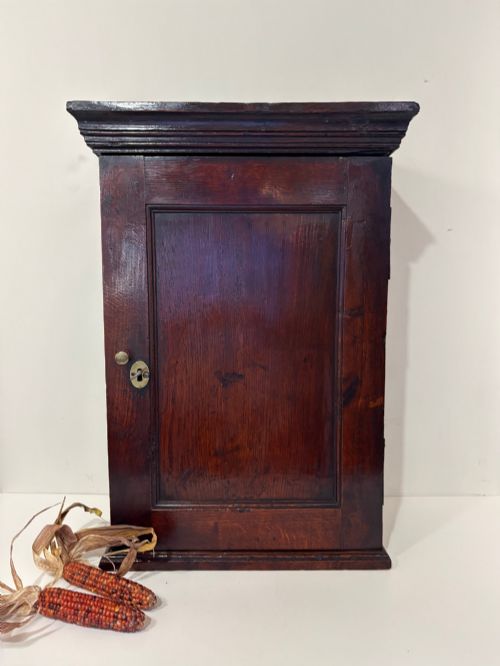
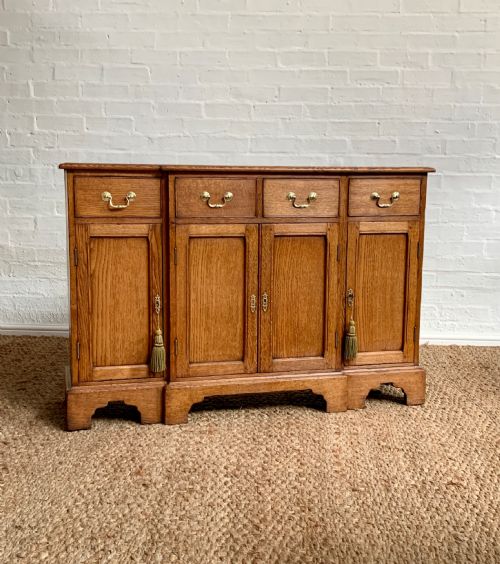
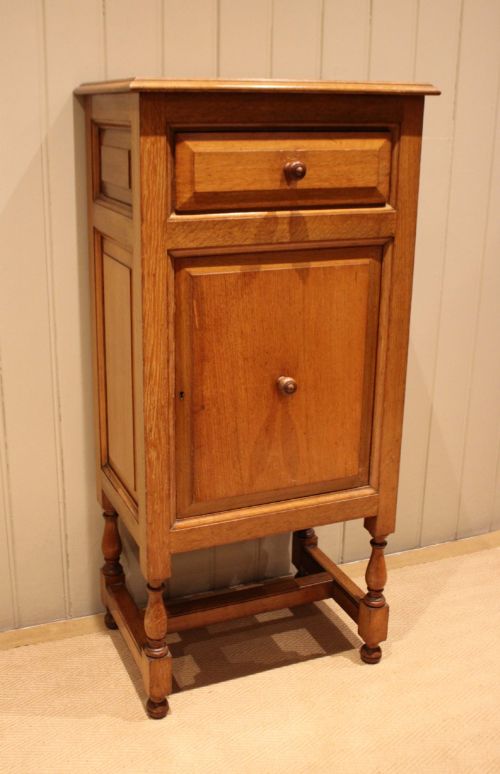
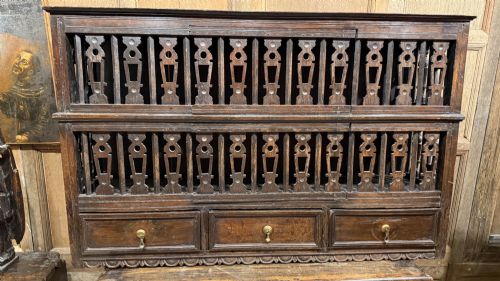
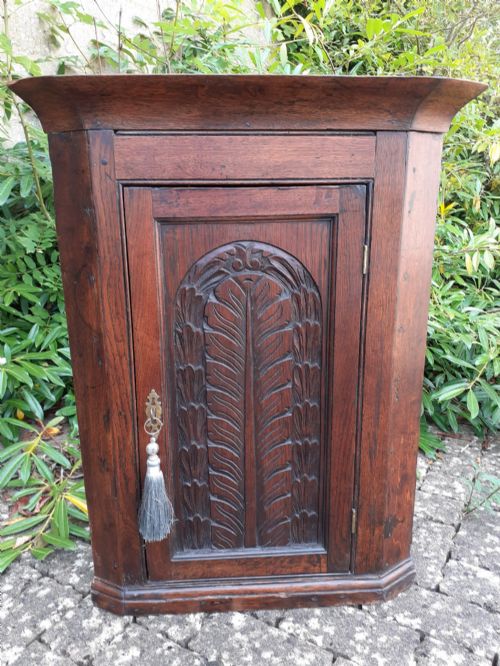
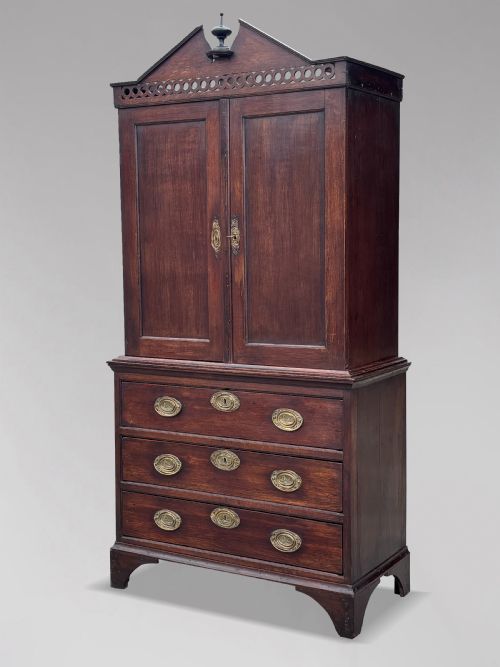
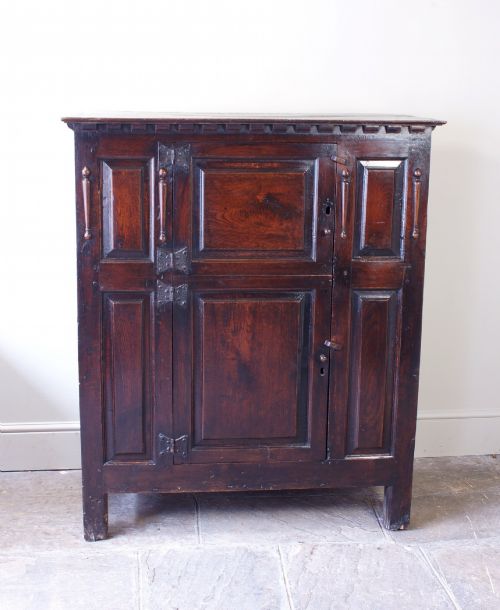
When you search for a small country oak cupboard, you are looking at domestic storage pieces fashioned primarily by regional makers during the seventeenth, eighteenth, and nineteenth centuries. These items range from wall-hanging spice cabinets and corner cupboards to low dresser bases, court cupboards, and hutch forms.
The version you are most likely to meet on this page is an eighteenth-century or Georgian wall-hanging or corner cupboard, often originating from Welsh or provincial English workshops. They served practical domestic purposes, housing food, spices, or household linens in modest farmhouses and rural dwellings.
Beyond standard cupboards, the selection embraces related vernacular forms such as bread safes, side cabinets, and three-part cwpwrdd tridarn variants. These pieces display local building traditions, utilising regional timbers predominantly rooted in oak alongside occasional secondary woods like pine or chestnut.
Materials and construction
These pieces rely heavily on solid oak boards, shaped and joined using traditional methods native to regional workshops. Secondary woods such as pine, chestnut, and yew-wood appear in structural elements or specific regional forms.
Hardware consists of forged iron and cast brass hinges, latches, and escutcheons that secure doors and drawers. Surfaces are shaped with hand tools, showing the tool marks and varied patination accumulated over centuries of domestic use.
Several cupboards retain secret drawers hidden behind internal partitions, originally designed to keep family coins safe from wandering farmhands.
What separates the better pieces
The distinction between ordinary and superior examples lies in the integrity of the timber selection and the restraint of the carving. Better pieces retain their original surface patination, uncompromised by aggressive stripping or modern refinishing.
Proportion and regional character also dictate distinction, with well-balanced architectural mouldings and untouched original brass or iron hardware elevating an everyday storage item to a notable vernacular work.
The Small Country Oak Cupboard Glossary
- Vernacular
- Everyday objects built by local craftspeople using traditional regional styles and available materials rather than high-fashion metropolitan designs. These items prioritise utility and local character.
- Cwpwrdd Tridarn
- A traditional Welsh three-part court cupboard featuring an upper tier, a middle section with enclosed panels or spindle galleries, and a lower base cupboard. They provide substantial storage while exhibiting distinct regional joinery.
- Patina
- The surface sheen and deep colour developed by timber over centuries through handling, waxing, and ageing. A rich patina indicates long-term care and original finish.
- Escutcheon
- A protective plate surrounding a keyhole, usually fashioned from brass or iron. It prevents the timber around the lock from splintering during regular use.
- Spice cupboard
- A small wall-mounted or desk-top cabinet containing multiple internal drawers designed for storing valuable culinary spices and dry goods. They often feature fielded panel doors and delicate interior layouts.
Small Country Oak Cupboard: Frequently Asked Questions
What were small country oak cupboards used for?
These cupboards served multiple domestic storage functions in rural homes, holding dry foods, spices, table linens, and valuables. Wall-hung versions kept perishable items away from damp floors and pests.
Larger variations like court cupboards and dresser bases organised household crockery and provisions, acting as central fixtures in farmhouse kitchens.
How do I tell an 18th-century cupboard from a later copy?
Examine the construction methods, tool marks, and timber shrinkage to determine age. Eighteenth-century examples display hand-cut joinery, pegged mortise and tenon joints, and uneven board widths.
Hardware placement, hand-forged iron hinges, and natural timber patination further separate genuine period pieces from later nineteenth-century or twentieth-century revivals.
Where were these regional cupboards made?
Makers constructed these pieces in rural workshops across provincial England and Wales. Distinct regional styles emerged from areas such as Cardiganshire, Snowdonia, and northern English counties.
Local timber availability and specific vernacular joinery traditions directly influenced the architectural details and overall proportions of each cabinet.
How do I care for antique oak furniture?
Maintain stable indoor humidity levels and keep wooden pieces away from direct heat sources and strong sunlight. Sudden environmental shifts cause timber to warp and split.
Apply traditional beeswax occasionally to nourish the dry wood and preserve the historic surface patination without sealing the timber beneath heavy synthetic varnishes.
What is the difference between a corner cupboard and a wall cabinet?
Corner cupboards feature angled backs specifically built to fit neatly into domestic room corners, maximising space usage in smaller rural dwellings. Wall cabinets feature flat backs designed for hanging on straight walls.
Both variants commonly include single or double doors, internal shelving, and occasional small drawers beneath the main storage compartment.