

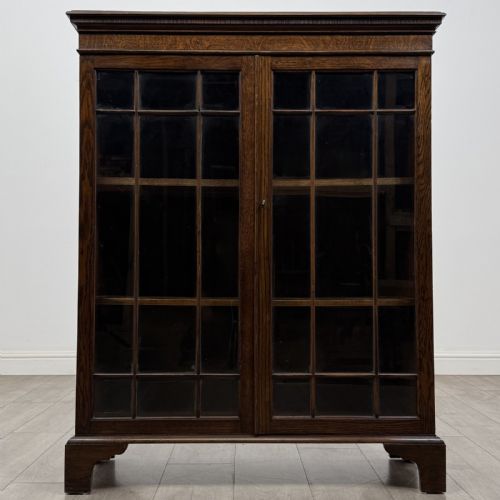
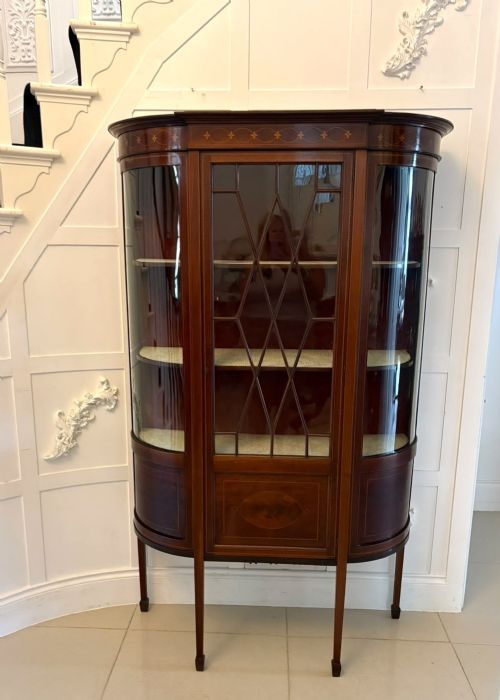
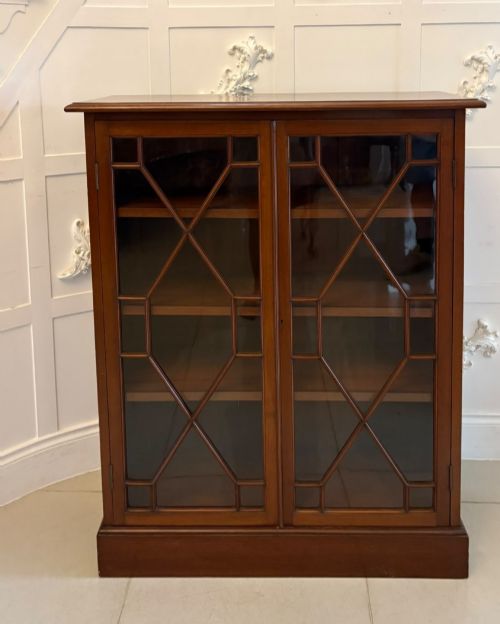
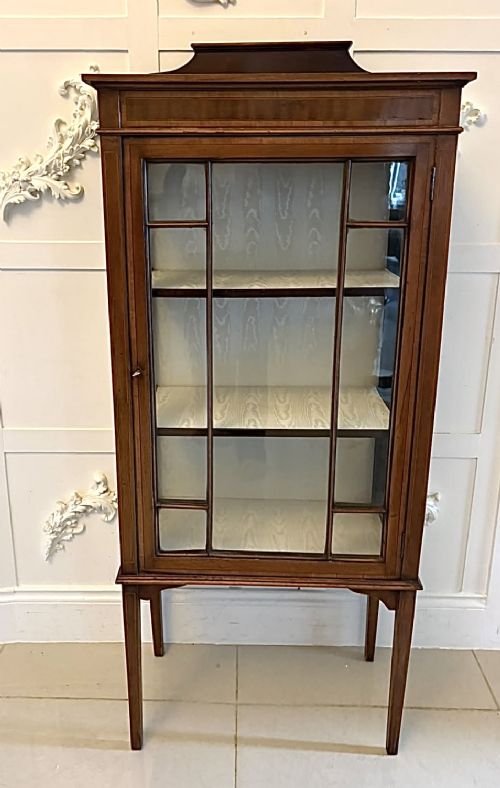
Brown Wood Glazed Cupboard
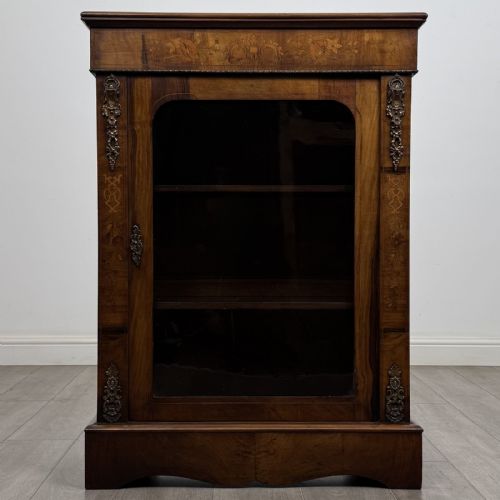
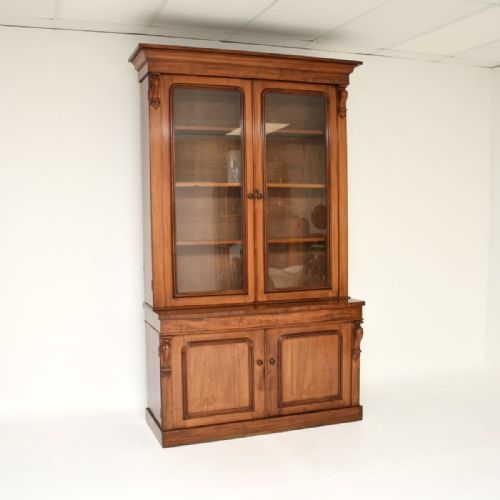
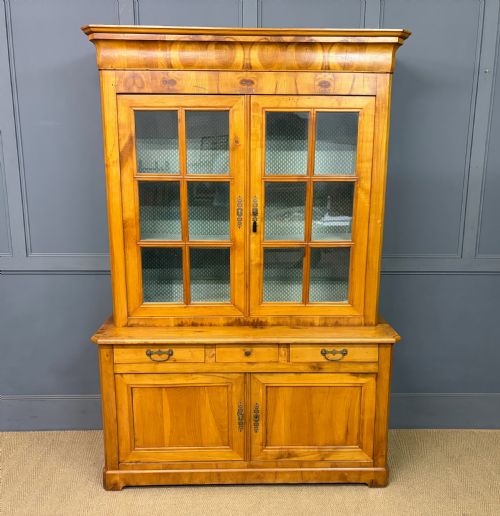
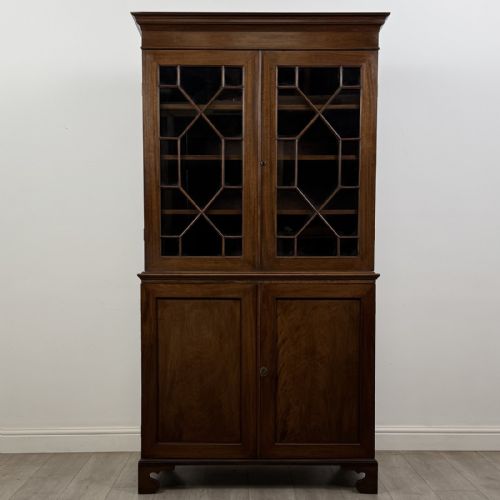
A brown wood glazed cupboard brings warmth and light to a room, storing collections behind clear glass panels.
Brown Wood Glazed Cupboard
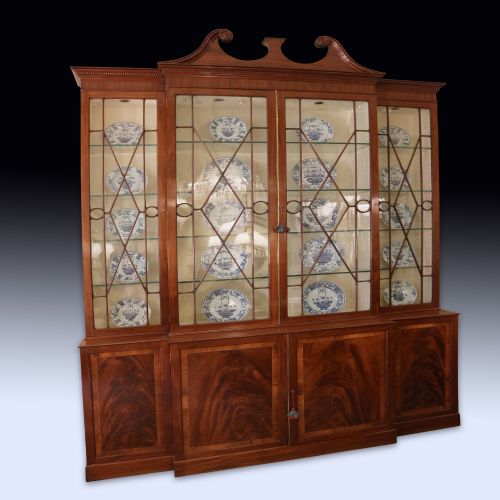
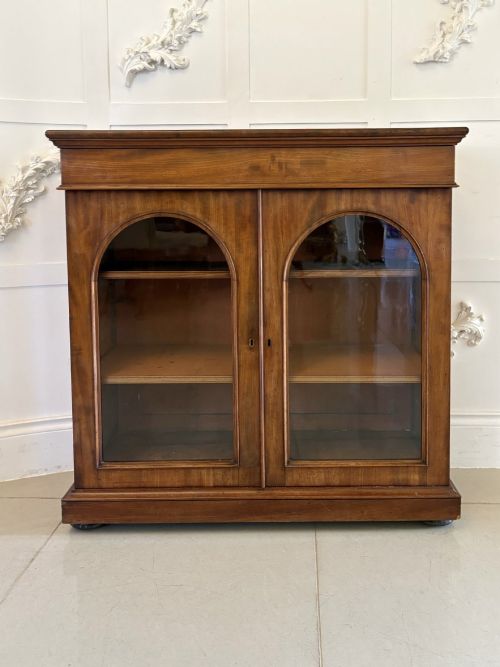
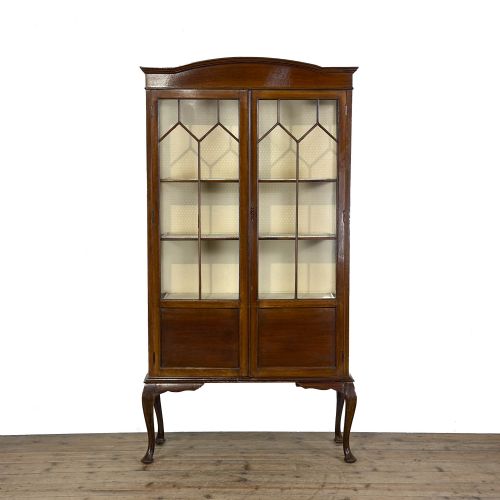
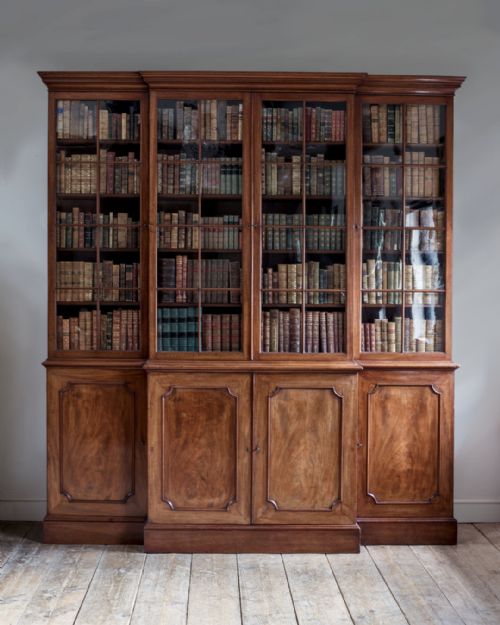
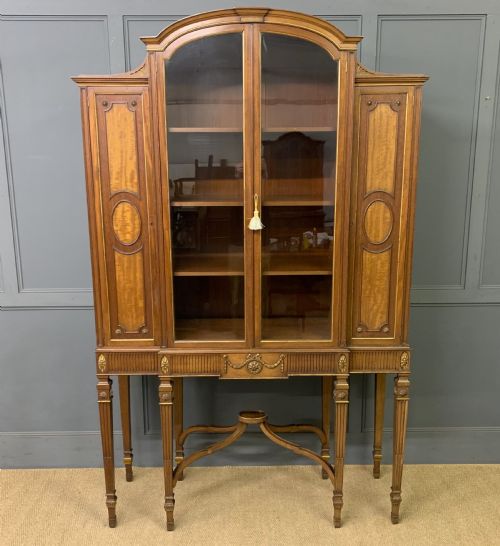
A brown wood glazed cupboard covers a range of practical storage forms spanning the Georgian, Victorian, and Edwardian eras. Buyers searching for a brown wood glazed cupboard will encounter tall breakfront bookcases, floor-standing corner cabinets, and smaller wall-mounted display units.
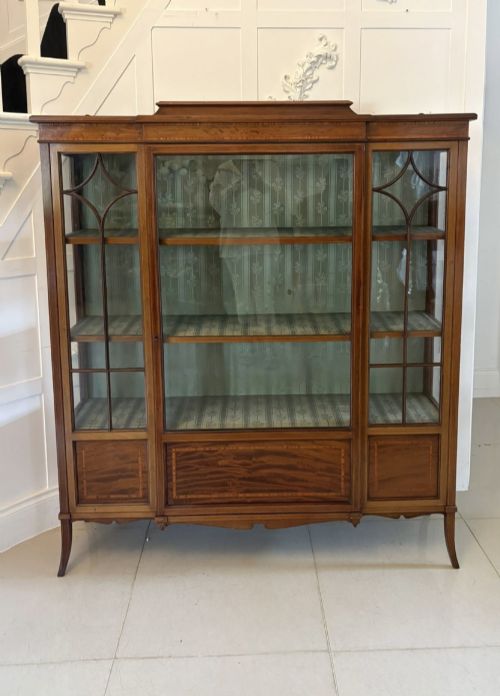
Mahogany and oak dominate the selection, shaped into breakfront libraries, bow-ended vitrines, and china cabinets. These pieces served to protect and display books, ceramics, and curiosities in formal rooms.
Origins stretch from regional British workshops to continental makers, encompassing revival styles like Sheraton Revival and Arts and Crafts. Pieces range from late eighteenth-century wall units to early twentieth-century music cabinets.
Materials and construction
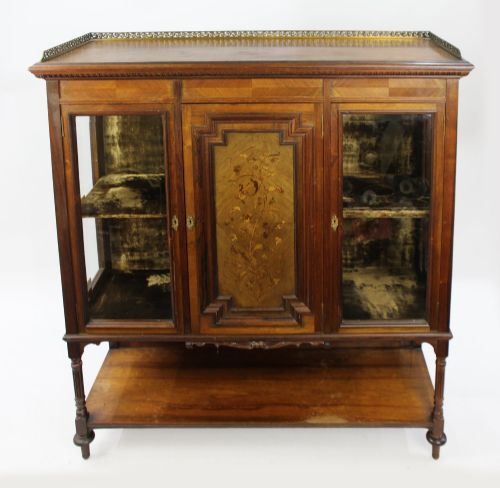
Cabinet makers utilised dense hardwoods such as mahogany, walnut, and oak for structural stability and rich grain figures. Satinwood inlay and brass hardware provided contrast and detail on finer Edwardian and Georgian examples.
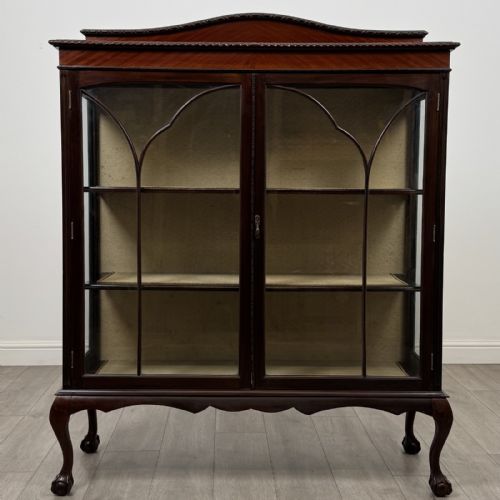
Glazing techniques required timber frames divided by astragal bars or reededs stiles to support individual glass panes securely. Carved elements, claw and ball feet, and painted decorations were applied by hand to finish the woodwork.
Brown Wood Glazed Cupboard Retail Price Guide 2026
Typical asking prices for brown wood glazed cupboard among the pieces listed under this phrase on Sellingantiques today, from the lower quarter to the upper quarter. They describe what is for sale here now, not the wider market.
Forms include breakfront libraries, corner cupboards, and wall cabinets with astragal glazing.
Distinctions in craftsmanship
Superior examples show refined proportions, consistent timber selection, and precise joinery in the door frames and drawer linings. Hand-cut dovetails and well-fitted original glass indicate higher standards of production.
Decoration changes the character of a piece, moving from plain functional storage to elaborate satinwood inlay, painted panels, or carved mouldings. The integration of architectural details, such as breakfront cornices and reeded stiles, separates standard utility items from top-tier cabinet work.
Waring and Gillow
The Brown Wood Glazed Cupboard Glossary
- Astragal glazing
- Wooden bars dividing glass panes within a cabinet door. These slender mouldings create geometric patterns that frame the contents.
- Breakfront
- A cabinet facade where the central section projects forward from the flanking sides. This architectural arrangement adds depth and shadow to large bookcases.
- Vitrine
- A glass-sided display cabinet designed for porcelain and ornaments. It places objects in full view from multiple angles.
- Reeded stiles
- Vertical columns carved with parallel convex mouldings. They soften the corners of upright cabinets.
- Bow-ended
- A curved cabinet front shaped in a gentle outward arc. This profile softens linear room layouts.
Brown Wood Glazed Cupboard: Frequently Asked Questions
What is a glazed cupboard used for?
These cabinets were built to store books, fine china, and glassware while keeping dust away. The transparent doors allowed owners to display valued possessions in living spaces.
Today, they serve the same practical purpose in dining rooms and libraries. They offer visible storage that keeps collections organised and secure.
How do I date a wooden cabinet?
Dating relies on observing timber choices, construction methods, and stylistic details. Georgian pieces often feature hand-cut joinery and solid mahogany, while Edwardian versions frequently include machine-cut elements and delicate inlay.
Hardware and glass characteristics also offer clues. Older panes show slight distortion, and hinges match the period of manufacture.
Where should I place a corner cabinet?
Corner cabinets fit directly into room angles, making use of space that standard rectangular furniture leaves empty. They work well in dining rooms or studies to break up flat wall lines.
Floor-standing versions require stable flooring, while wall-hung variants need secure anchorage into masonry or stud work to support the weight of timber and glass.
How do I care for antique wood and glass?
Maintain the timber by dusting regularly with a soft cloth and applying appropriate wax sparingly. Avoid placing cabinets in direct sunlight to prevent timber fading and veneer drying.
Clean the glass panels with standard solutions applied to a cloth rather than sprayed directly. This prevents moisture from seeping into old wooden frames and joints.