
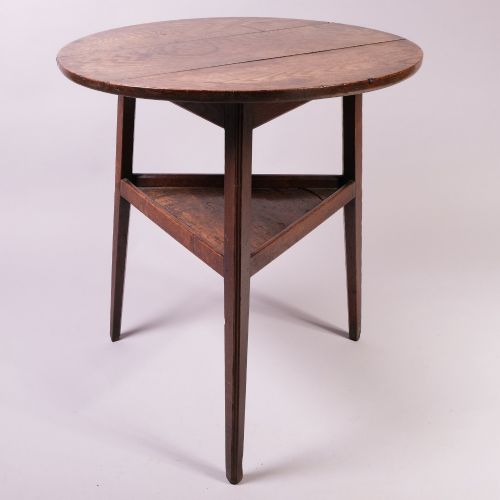
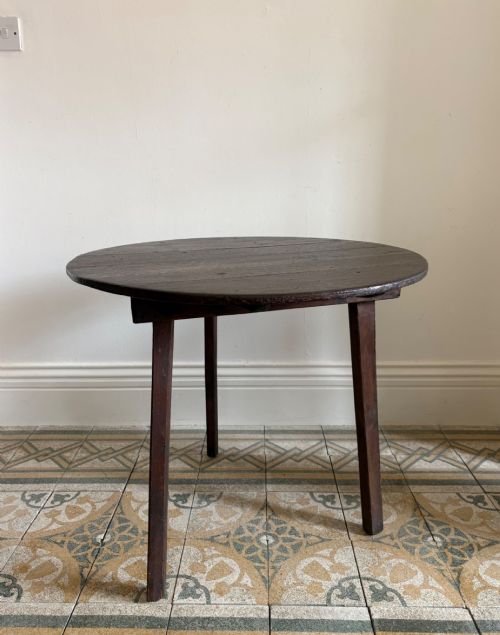


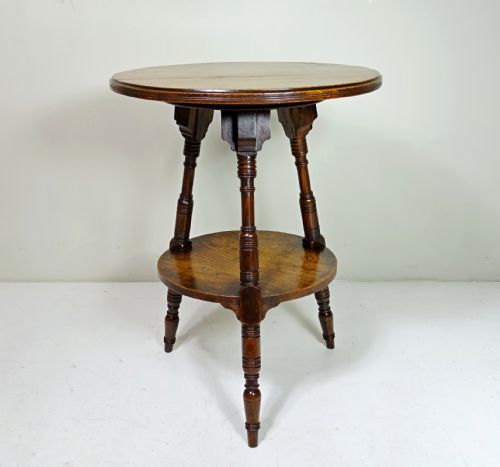
Brown Wood Cricket Table
A brown wood cricket table gives a room that grounded, honest country feel you simply cannot fake with modern joinery.
Brown Wood Cricket Table
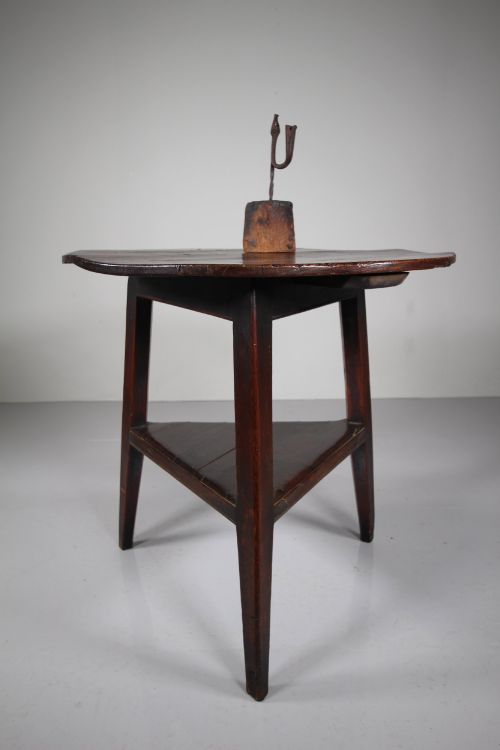
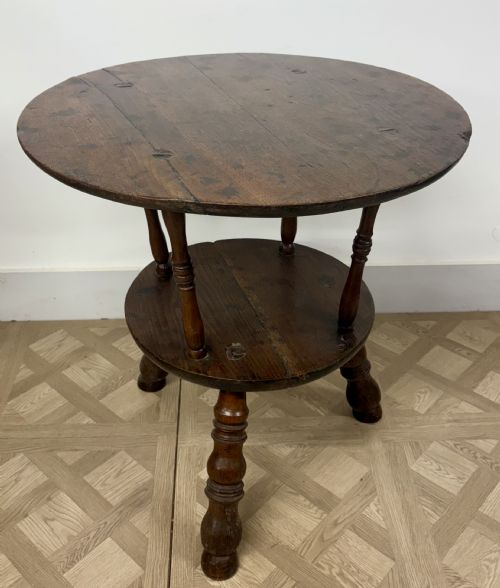
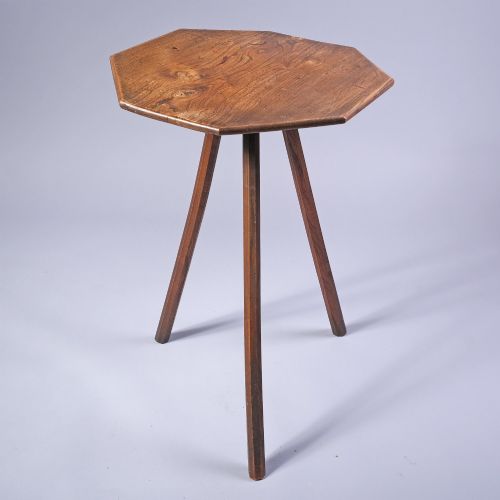
When you search for a brown wood cricket table, you are looking at sturdy, three-legged vernacular pieces designed for uneven farmhouse floors. These traditional items span multiple periods, stretching from the seventeenth century through the Georgian era and into the nineteenth century. You are most likely to meet oak, ash, or elm examples that function as side or occasional tables.
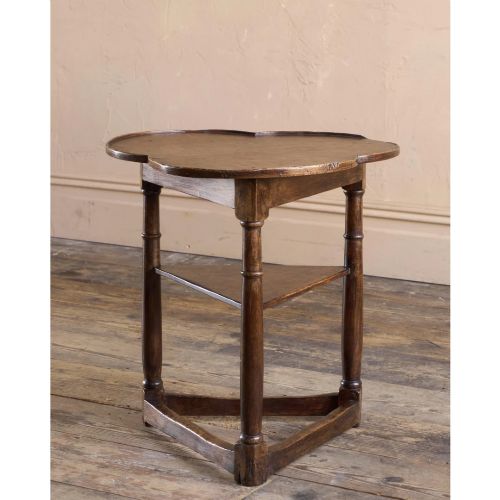
Origins remain firmly rooted in English traditions, utilising local timbers available to country cabinetmakers. Whether you encounter a trefoil top or a simple plank top with a pine base, the utility stays central to the design. These tables bring historical depth and practical surface space into contemporary interiors.
How they were made
Maker-craftsmen built these tables using solid native hardwoods like oak, ash, and elm for the primary surfaces and structures. Pine occasionally appears in the base construction of later nineteenth-century pieces, reflecting the practical sourcing of available materials. Joinery relies on traditional methods suited to domestic rural workshops.
Legs are typically tenoned directly into the underside of the tabletop or connected via stretchers and frames to ensure stability on uneven ground. The timber is left with a natural brown wood finish that deepens in character over decades of use and waxing.
What varies in quality
Quality rests in the choice of timber and the integrity of the original construction rather than elaborate decoration. Pieces featuring dense oak or figured elm with good surface patination sit comfortably above heavily altered examples.
The balance and proportion of the three splayed legs determine the visual grace of the table. Original timber tops matched to stable, well-formed bases command greater appreciation than those with mismatched components.
The Brown Wood Cricket Table Glossary
- Cricket table
- A small, three-legged occasional table originating in England during the seventeenth or eighteenth century. Its three legs ensured stability on uneven flagstone or dirt floors.
- Vernacular
- Everyday furniture made by regional joiners and country craftsmen rather than metropolitan workshops. It prioritises utility and local materials over high-style fashion.
- Trefoil top
- A tabletop shape resembling a three-lobed clover leaf. This uncommon variation adds architectural interest to the standard round surface.
- Pad foot
- A rounded, slightly enlarged foot terminating the leg of a table. It rests flat on the floor and is frequently found on Georgian vernacular pieces.
- Plank top
- A surface constructed from joined solid boards rather than a single panel. It shows the natural grain and width of the early timber used.
Brown Wood Cricket Table: Frequently Asked Questions
What is a cricket table used for?
These tables served as versatile working surfaces in early homes, holding everyday items near hearths or seating areas. Today they function perfectly as lamp tables, bedside stands, or corner display points.
Their compact footprint allows them to fit easily into smaller spaces where a four-legged table might crowd the room.
Why does it have three legs?
Three legs naturally rest firmly on uneven or flagstone floors without rocking, unlike four-legged furniture.
This practical design choice defined early country furniture and remains the defining characteristic of the form.
How do I date a cricket table?
Dating relies on timber selection, construction methods, and tool marks visible beneath the top and around the joints. Seventeenth and eighteenth-century examples display hand-riven boards and pegged joinery.
Later nineteenth-century pieces often utilise machine-sawn timber and simpler framing techniques.
Are these tables sturdy enough for daily use?
Solid hardwood construction makes these pieces remarkably durable for everyday placement in modern rooms. Their historic joinery handles normal household weights easily.
Placing them away from direct heat sources helps preserve the stability of the antique timber.