



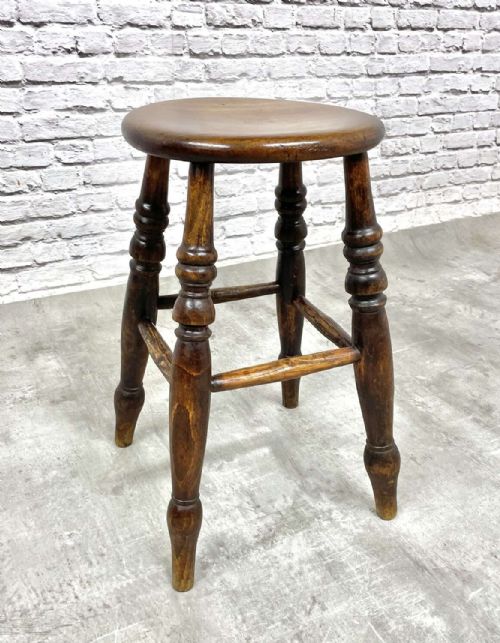


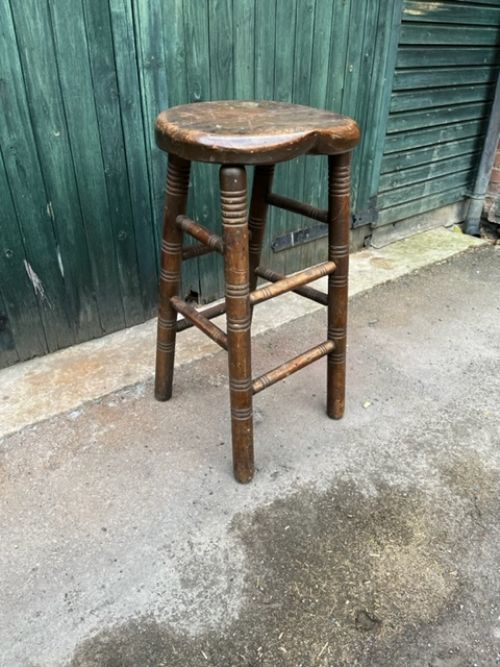

Brown Wood Counter Stool
A brown wood counter stool brings sturdy charm to an interior, offering practical height and honest materials from past centuries.
Brown Wood Counter Stool
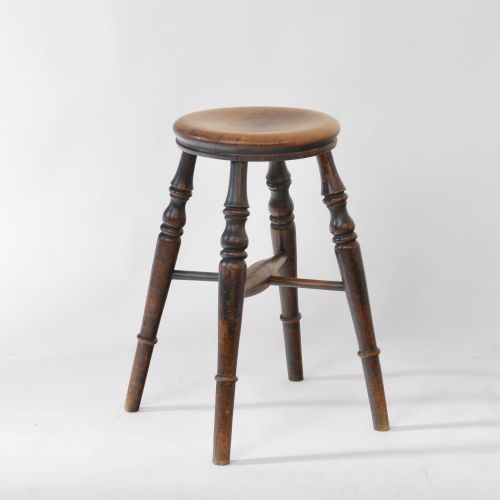
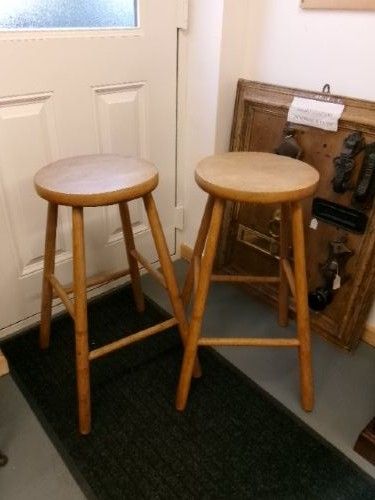
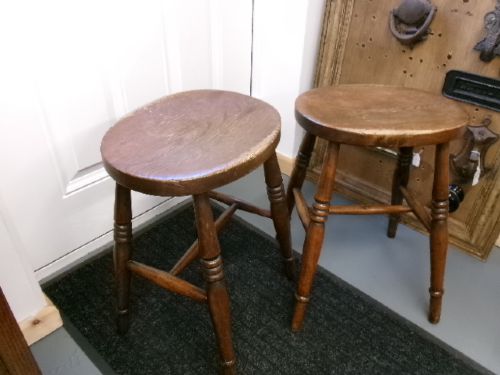
When you search for a brown wood counter stool, you encounter elevated seating spanning the nineteenth century through the mid twentieth century. These pieces serve functional roles at bars, counters, and work spaces while displaying traditional vernacular forms.
The most common examples on this page are nineteenth century pieces rooted in pub, tavern, and country house traditions. These seating options often feature turned or rustic legs supporting solid timber tops designed for daily use.
How they were made
Maker construction relies on traditional timbers including elm, oak, mahogany, beech, and sycamore. Woodworkers shaped these materials into sturdy frames utilising turned supports and saddle seats.
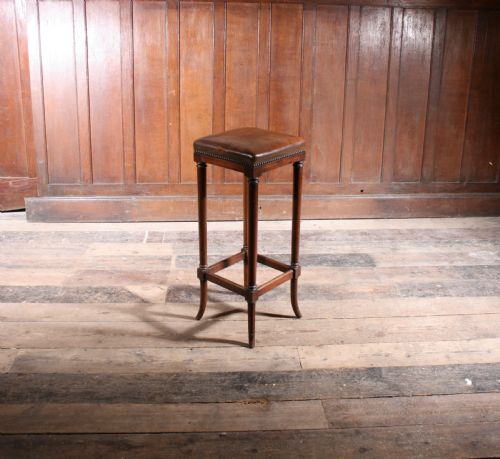
Some variations incorporate leather upholstery or metal components to add durability and comfort. Bentwood techniques also appear among the selections, shaping wood through steam rather than carving.
Brown Wood Counter Stool Retail Price Guide 2026
Typical asking prices for brown wood counter stool among the pieces listed under this phrase on Sellingantiques today, from the lower quarter to the upper quarter. They describe what is for sale here now, not the wider market.
Listings span from the Regency period through the 1940s, featuring woods such as elm, oak, mahogany, and beech.
What varies in quality
The character of the timber and the integrity of the joinery define the standard of each piece. Superior examples display thoughtful grain patterns and well-balanced proportions developed by skilled carpenters.
Industrial and vernacular iterations derive their merit from honest wear and original structural elements. Excessive restoration or replaced components diminish the integrity of an antique stool.
The Brown Wood Counter Stool Glossary
- Saddle seat
- A seat base carved with ergonomic hollows to fit the body. This shape appears frequently on elm pub and bar stools.
- Bentwood
- Wood softened by steam and bent into curved structural forms. This technique creates lightweight yet resilient frames.
- Vernacular
- Everyday objects built by local craftspeople for practical utility rather than high style. These pieces prioritise function over ornamental flourish.
- Dished top
- A wooden seat surface hollowed into a shallow basin shape. This detail provides comfort and prevents slipping.
Brown Wood Counter Stool: Frequently Asked Questions
What is a brown wood counter stool?
A brown wood counter stool is a tall seat designed for raised surfaces, constructed from timbers such as elm, oak, and mahogany. These items trace their origins to pubs, taverns, and country houses.
Such seating ranges from nineteenth century vernacular designs to industrial workshop pieces. They provide both practical utility and historical character.
How were these tall stools used?
Historical tall stools served practical functions in commercial and domestic settings. They provided elevated seating for clerks, tavern patrons, and craftspeople.
Today, they adapt easily to modern kitchen islands and breakfast bars. Their height makes them suitable for casual dining and social spaces.
How do I identify a nineteenth century stool?
Nineteenth century stools display hand-turned legs, pegged joints, and timber patination developed through decades of use. Materials like solid elm or mahogany indicate traditional construction methods.
Makers often utilised simpler joining techniques and heavier timbers compared to later twentieth century examples. Look for signs of honest wear and traditional tool marks.
Are industrial stools different from country stools?
Industrial stools incorporate metal mechanisms or adjustable frames suited for workshops and factories. Country and tavern stools rely entirely on wooden construction with turned beech or elm.
Both types share a focus on utility but reflect different working environments. Industrial pieces often feature utilitarian iron hardware alongside wood.