





Tall Wooden Pub Stool
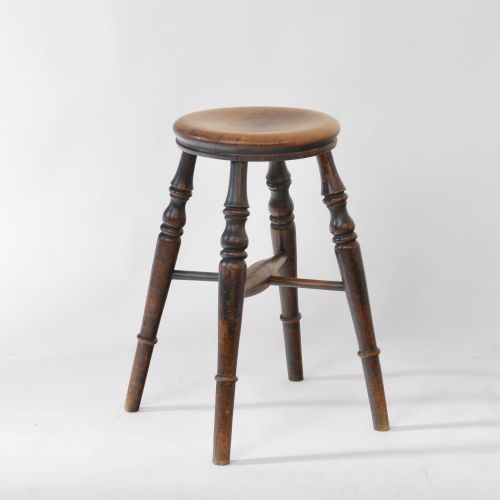
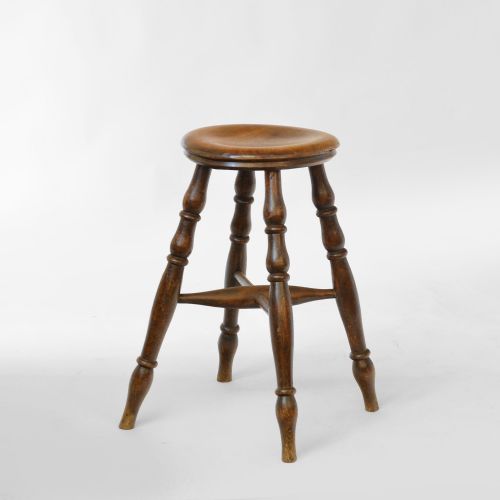
These tall wooden pub stool examples combine utility and enduring character, offering solid seating built for public houses and commercial spaces.
Tall Wooden Pub Stool
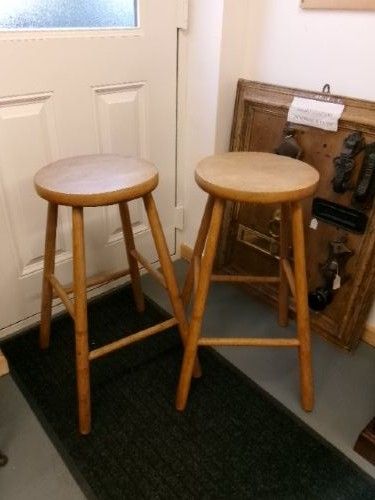
A tall wooden pub stool serves practical seating needs in commercial taverns, public houses, and domestic settings, often taking the form of bar stools or clerk's stools. These pieces draw from periods including the nineteenth century and the early decades of the twentieth century, reflecting utilitarian designs from eras of bustling trade.
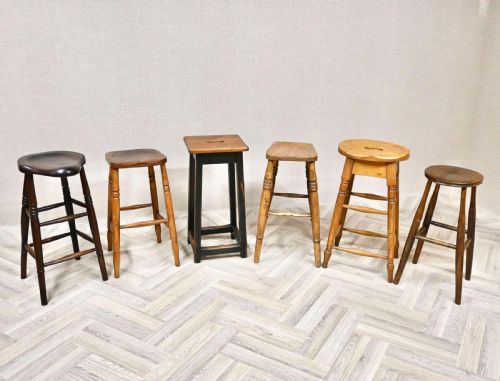
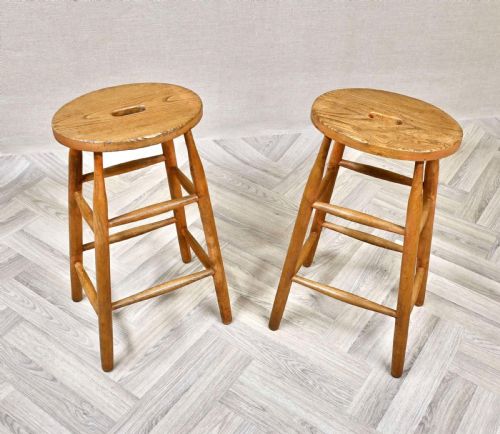
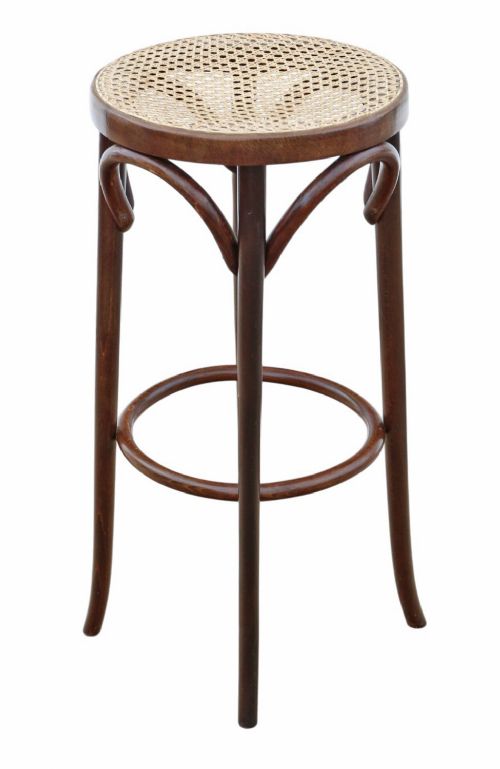
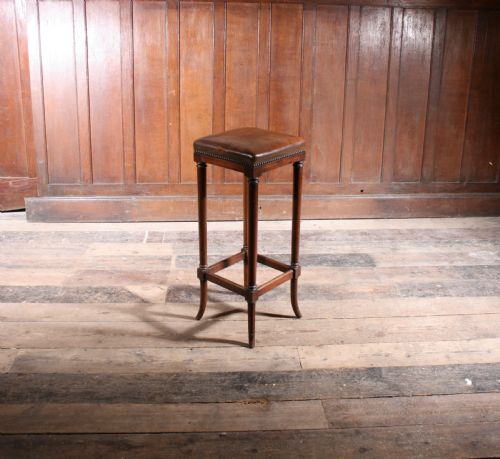
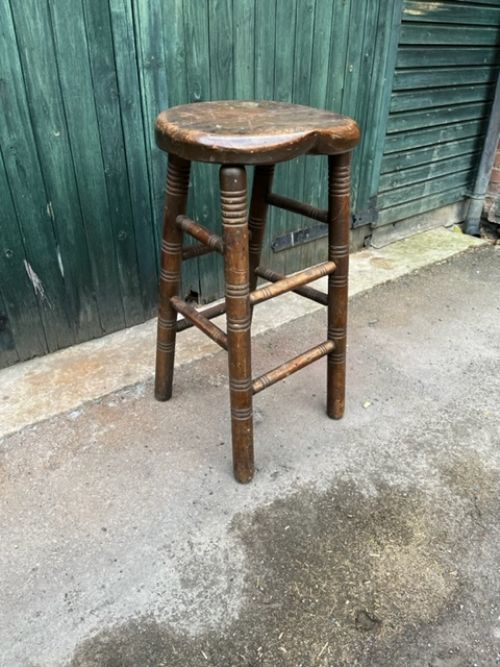
The varieties encountered on this page span styles such as Victorian Vernacular, Rustic Farmhouse, and European Bistro, alongside standard bar stools and desk chairs. Buyers encounter forms ranging from simple turned supports to saddle seats designed for prolonged sitting.
Construction and materials
The construction of a tall wooden pub stool relies heavily on sturdy timbers like elm, beech, sycamore, oak, pine, and birchwood. Artisans shaped these domestic woods to endure heavy daily use in taverns and public houses, frequently pairing solid timber tops with turned legs.
Makers utilised traditional joinery and turning techniques, sometimes integrating rush seats or leather elements to enhance comfort. Metal components occasionally appear alongside the predominant wood framework to reinforce structural integrity.
Tall Wooden Pub Stool Retail Price Guide 2026
Typical asking prices for tall wooden pub stool among the pieces listed under this phrase on Sellingantiques today, from the lower quarter to the upper quarter. They describe what is for sale here now, not the wider market.
Several stools double as artist's perches, proving that nineteenth-century creators also appreciated a good high seat.
Assessing quality and craftsmanship
Quality in a tall wooden pub stool rests upon the selection of timber and the integrity of the joinery rather than decorative flourish. Elm and sycamore tops showing rich grain patterns distinguish finer examples from standard utility seating.
The refinement of turned wooden legs and the stability of the overall frame separate superior items from basic workshop output. Consideration of original seating surfaces, whether solid wood or rush, reveals the original purpose and execution of the piece.
The Tall Wooden Pub Stool Glossary
- Saddle seat
- A seat base carved with ergonomic depressions that resemble the contours of a riding saddle. This shaping provides comfort during long hours of sitting at a desk or bar.
- Clerk's stool
- A tall seating form historically used by office workers and scribes working at high desks. These pieces often feature turned wooden legs and simple footrests.
- Bentwood
- Wood softened through steaming and then bent into curved shapes, common in bistro and tavern seating of the early twentieth century. This method creates lightweight yet strong frames.
- Vernacular
- Everyday objects designed for practical use rather than academic stylistic adherence. Vernacular furniture prioritises local materials and straightforward function.
Tall Wooden Pub Stool: Frequently Asked Questions
What are tall wooden pub stools?
These pieces are elevated seating options traditionally utilised in public houses, taverns, and administrative workspaces.
They combine robust wooden frames with functional heights suited for counters and high desks.
How were these stools used historically?
Historically, these items provided practical seating for patrons in busy taverns or clerks working at elevated desks.
Their sturdy construction ensured they could withstand rigorous daily demands in commercial environments.
How do I style a tall wooden pub stool?
These stools integrate well into contemporary kitchens, breakfast bars, and home workspaces seeking authentic historic character.
Their modest footprints and honest materials complement both rustic and industrial interior schemes.
How do I identify the period?
Dating relies on examining the timber species, turning styles, and construction methods characteristic of nineteenth and early twentieth-century workshops.
Turned beech and elm shaping often point toward specific eras of vernacular furniture production.