


Brown Wood Conference Table
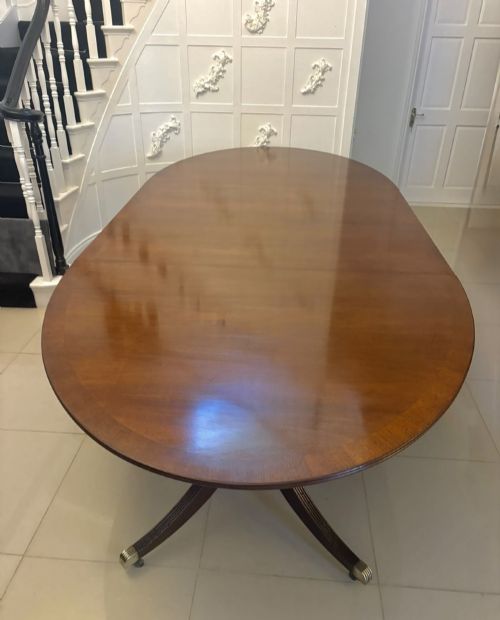
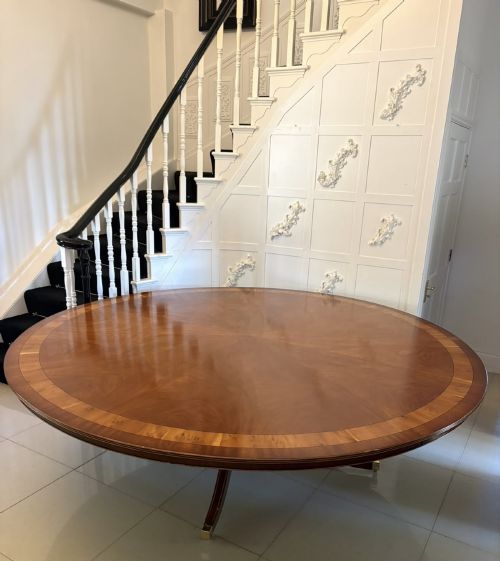
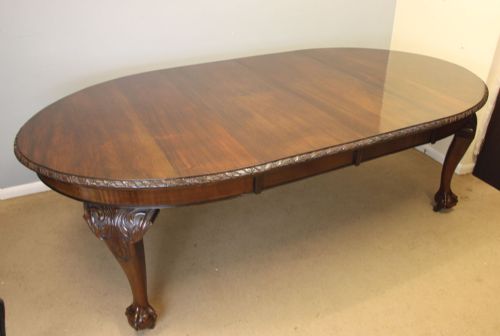
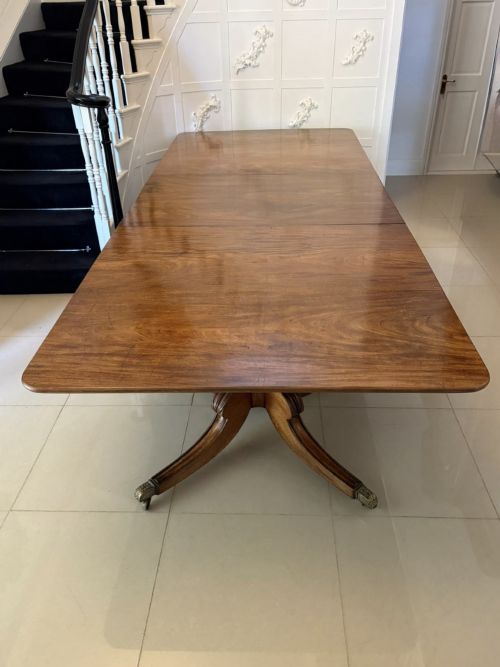
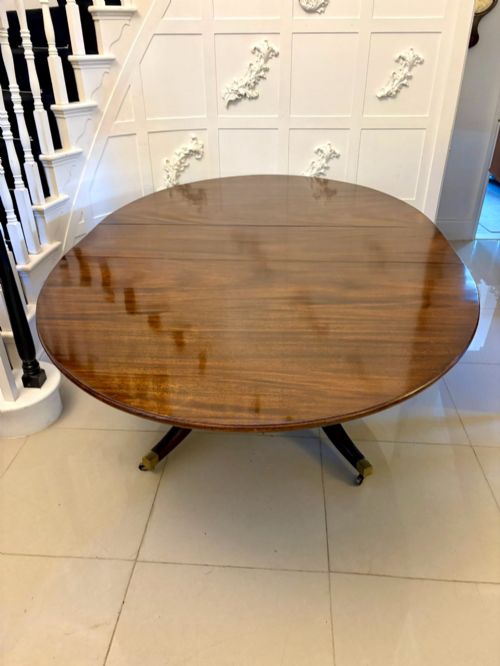
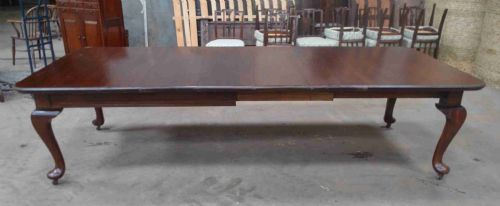
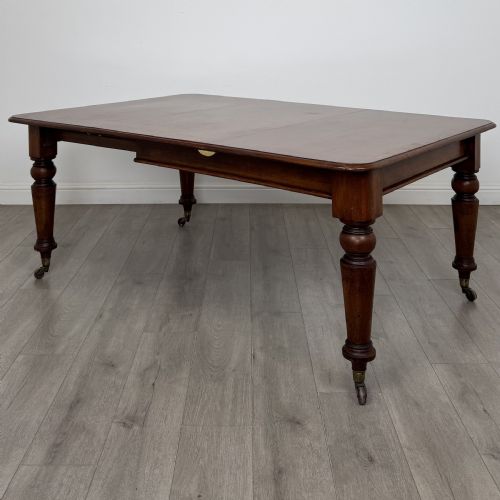
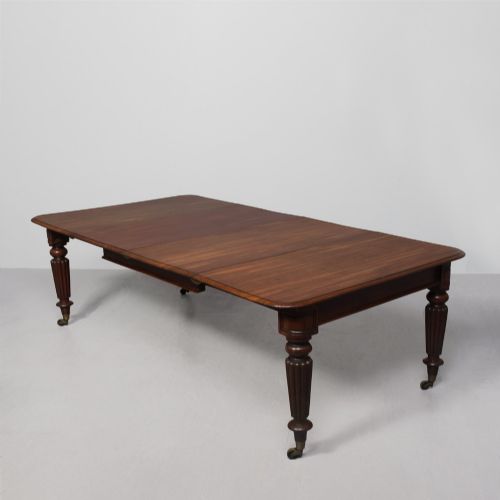
A brown wood conference table brings commanding presence to a board room through deep mahogany and walnut timbers.
Brown Wood Conference Table
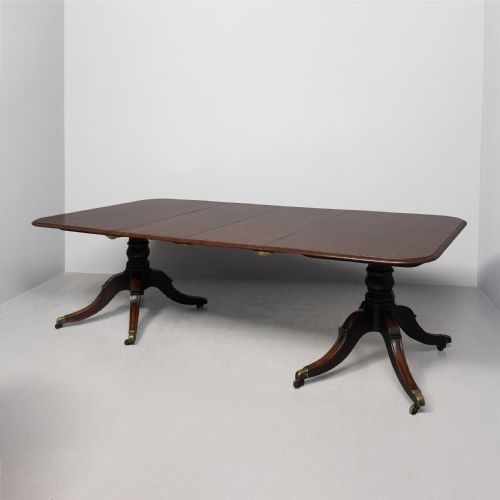
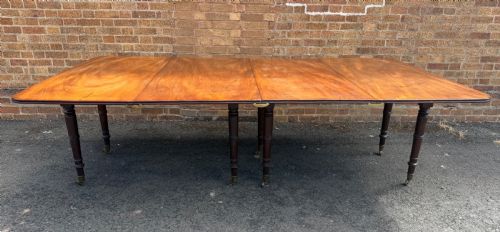
Buyers seeking a brown wood conference table will find large dining tables repurposed for boardroom use, primarily from the Georgian, Regency, William IV and Victorian periods. These substantial pieces frequently span multiple pedestals or feature extending mechanisms to accommodate large numbers of seated guests.
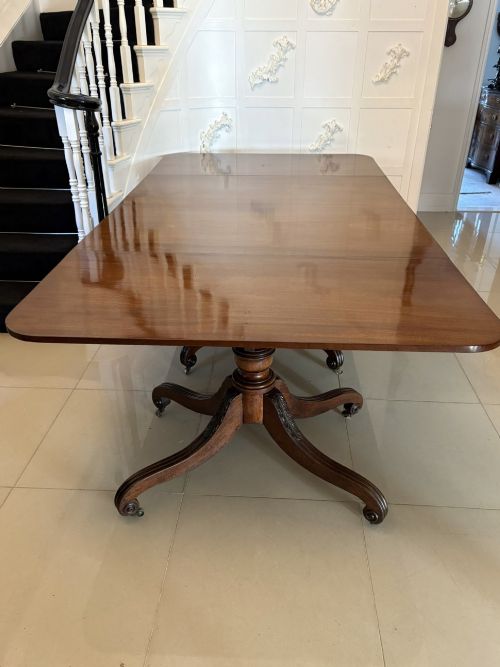
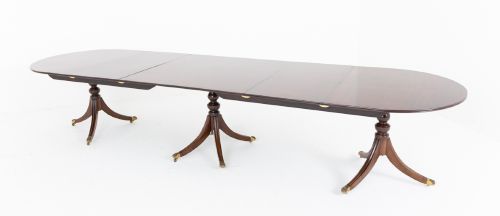
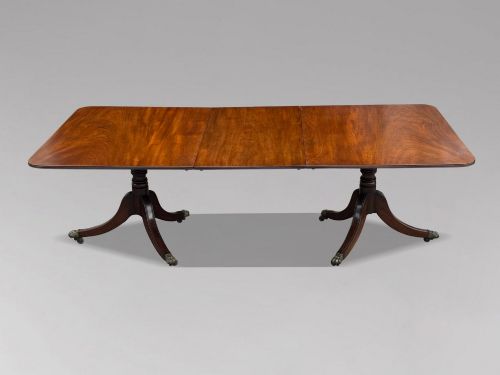
The most common form on this page is the multi-pedestal mahogany dining table, often equipped with extra leaves. These tables provide the length and stability required for modern meetings while retaining traditional timber grains and turned legs.
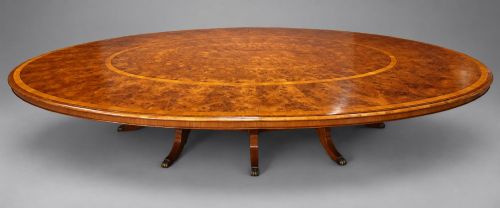
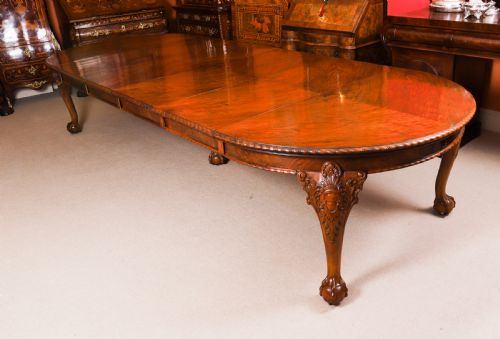
Origins stretch across the nineteenth century, encompassing revival styles like Regency and Queen Anne alongside authentic period pieces. Construction typically involves rich timbers such as Cuban mahogany, flame mahogany and burr walnut.
Materials and construction methods
Cabinet makers relied heavily on figured mahogany, Cuban mahogany and burr walnut to construct these large tables, selecting timber for deep colour and striking grain patterns. Oak and rosewood also appear across specific Victorian and revival examples.
Pedestal bases and multi-pillar supports distribute weight evenly across large surfaces, supplemented by turned legs and brass castors for mobility. Extending mechanisms utilise internal leaves that expand the central frame to accommodate seating for ten, twelve or more people.
Brown Wood Conference Table Retail Price Guide 2026
Typical asking prices for brown wood conference table among the pieces listed under this phrase on Sellingantiques today, from the lower quarter to the upper quarter. They describe what is for sale here now, not the wider market.
Some tables hide metamorphic engineering inside their pedestals, ready to expand instantly when unexpected guests arrive for dinner.
Distinguishing quality in timber tables
Quality rests in the selection of figured or flame mahogany veneers and solid timber scantlings that retain structural integrity across extended lengths. Superior examples demonstrate seamless integration of extra leaves that match the grain and colour of the main surface.
The refinement of pedestal carvings, the weight and finish of brass castors, and the smoothness of the extending mechanism separate standard utility tables from exceptional boardroom centrepieces.
Maple & Co·Gillows
The Brown Wood Conference Table Glossary
- Pedestal
- A central column support resting on splayed legs, commonly used to hold up large dining and conference tables without obstructing legroom.
- Extending table
- A dining table designed with a central gap and removable leaves to alter the overall length.
- Flame mahogany
- A highly figured cut of mahogany displaying leaping, flame-like grain patterns prized for decorative table tops.
- Castor
- A small wheel fitted to the base of table legs to aid movement across floor surfaces.
- Metamorphic
- Describing a piece of furniture engineered to transform its function or size through mechanical parts.
Brown Wood Conference Table: Frequently Asked Questions
How many people can sit at these tables?
These large tables frequently seat anywhere from ten up to twenty people, depending on the number of inserted leaves.
Buyers should measure their room dimensions carefully to ensure adequate clearance around chairs when the table is fully extended.
Can extra leaves be removed easily?
Most period extending tables utilise a mechanical track system where additional leaves drop into the centre section.
They can be stored separately when a shorter table length is required for daily use.
How do I care for a mahogany surface?
Polishing timber surfaces with traditional beeswax maintains the deep lustre and protects the antique finish from moisture.
Avoiding direct sunlight prevents the rich brown wood tones from fading over time.
What is the difference between George III and Victorian tables?
George III tables generally display restrained classical proportions with fine flame mahogany veneers and elegant pedestal bases.
Victorian examples often scale up significantly in size, featuring heavier turned legs and accommodation for larger seating capacities.