
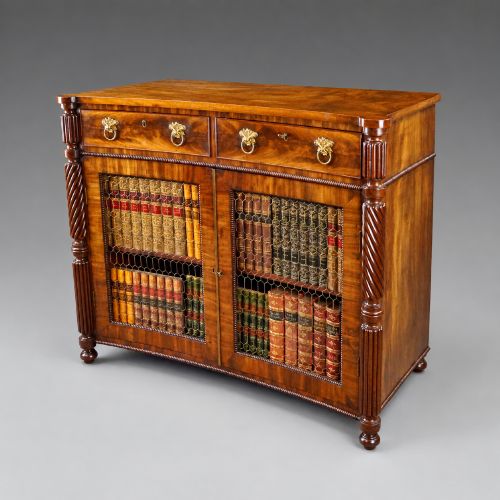
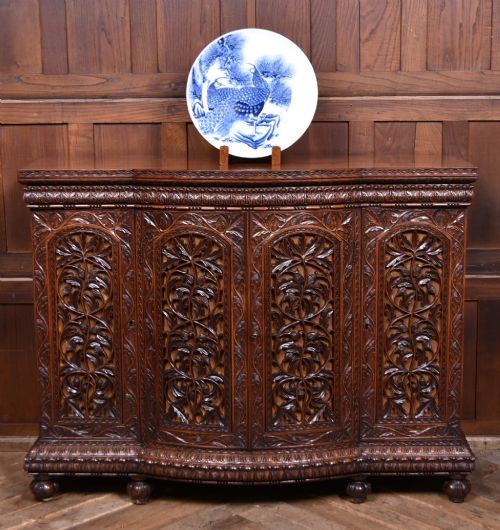
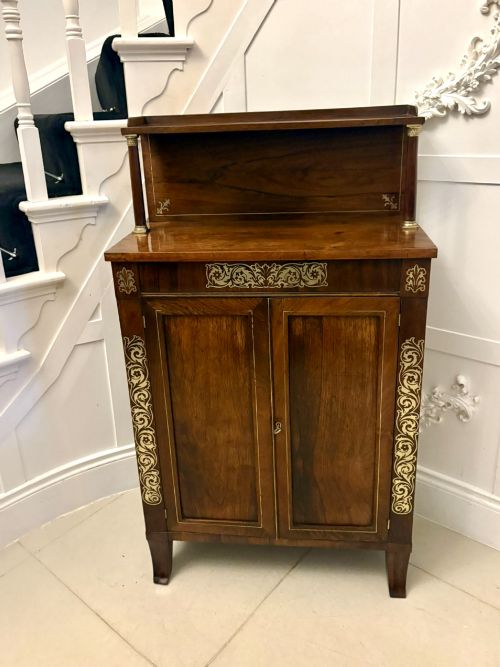
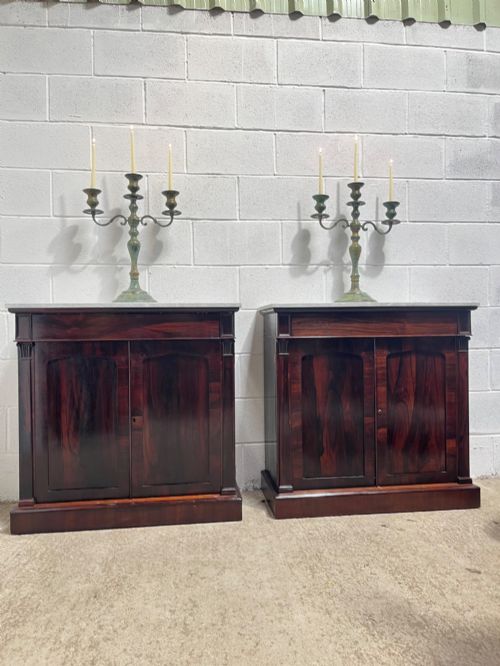




Brown Wood Chiffonier
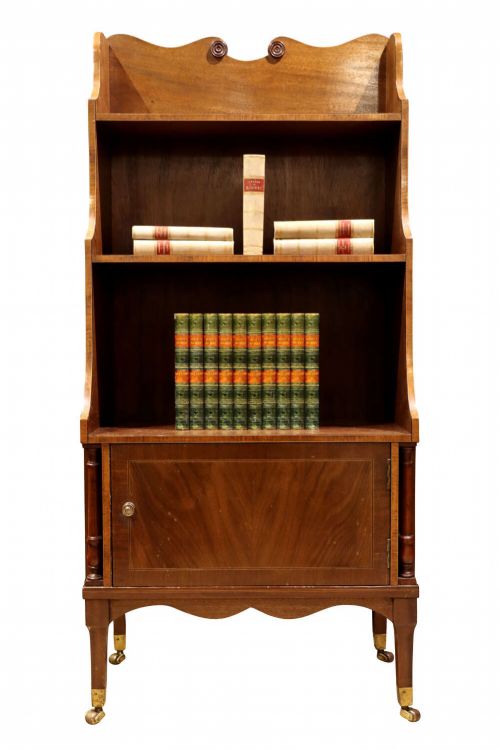
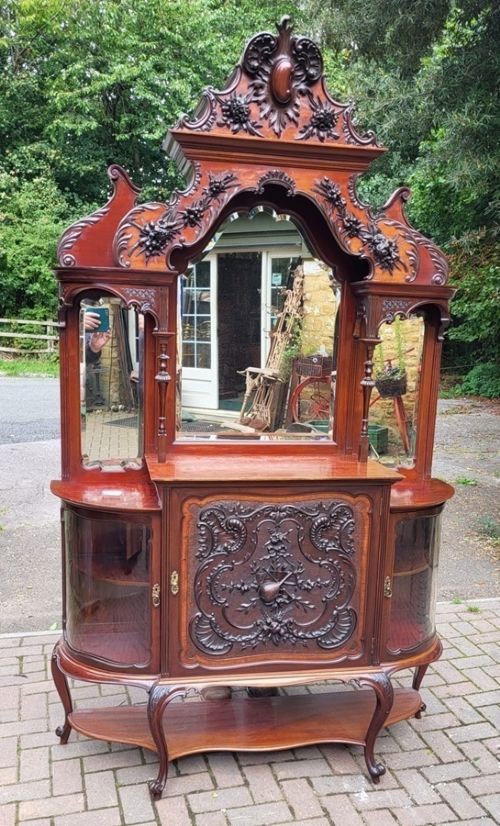
A brown wood chiffonier brings functional nineteenth-century storage and display to a room through rich mahogany, flame veneer and walnut.
What a brown wood chiffonier is
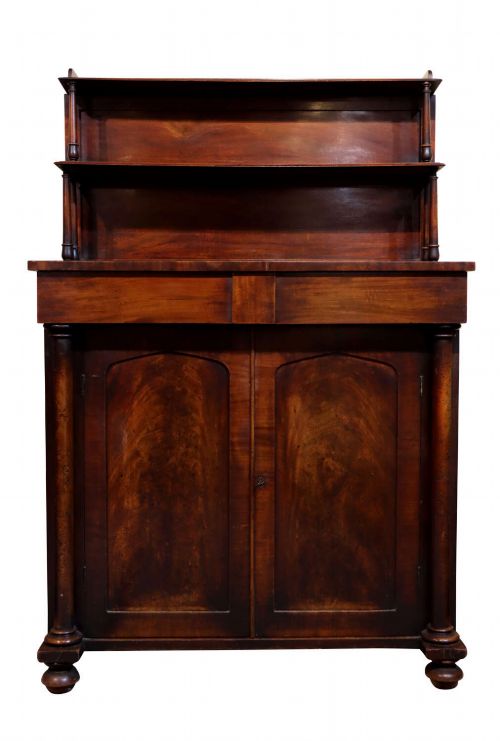
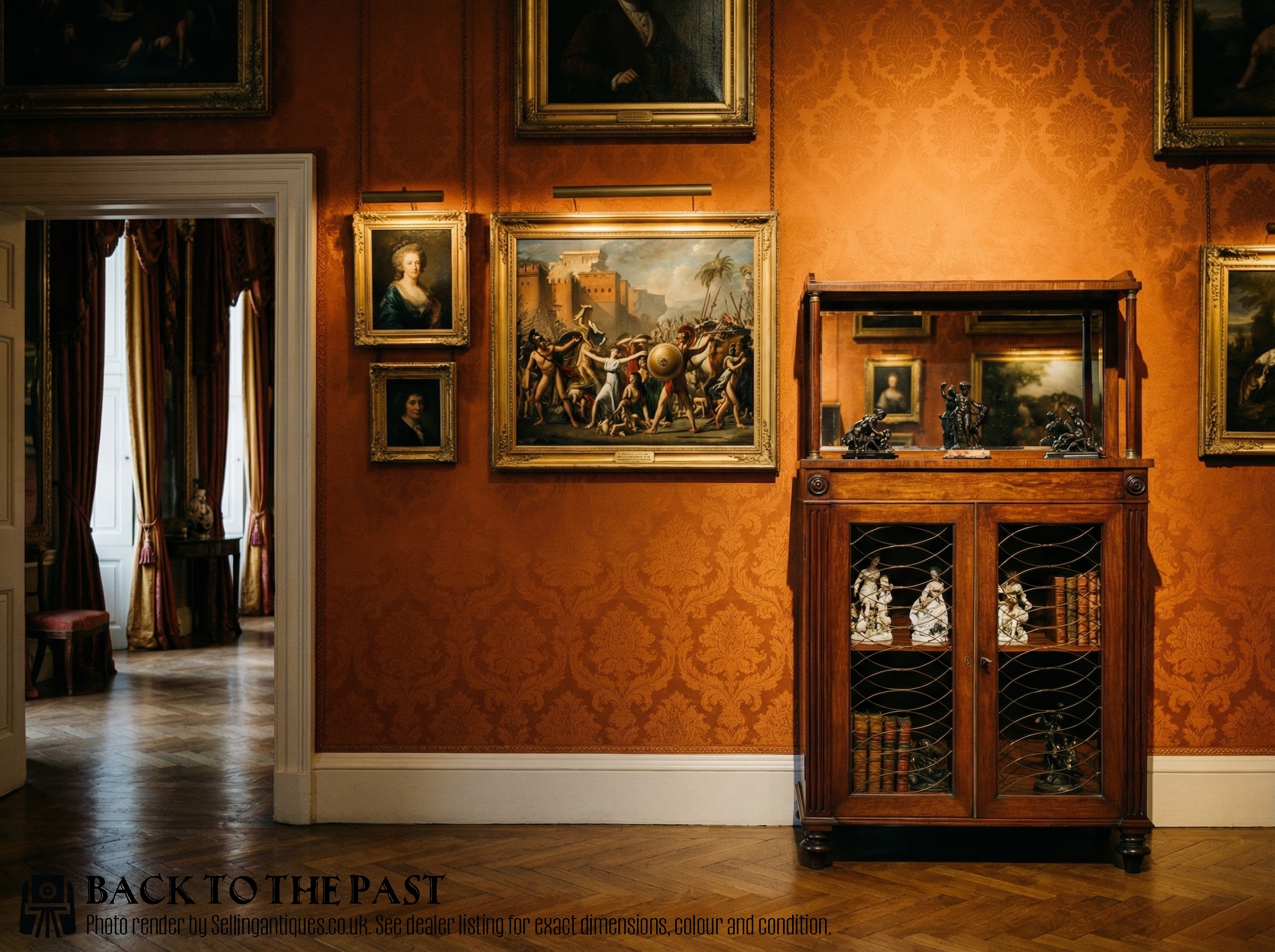
When you search for a brown wood chiffonier, you encounter nineteenth-century sideboards, side cabinets and bookcase combinations designed for domestic storage and display. These pieces originate from the Regency, George IV and Victorian periods, showcasing traditional British cabinet-making traditions in various scales.
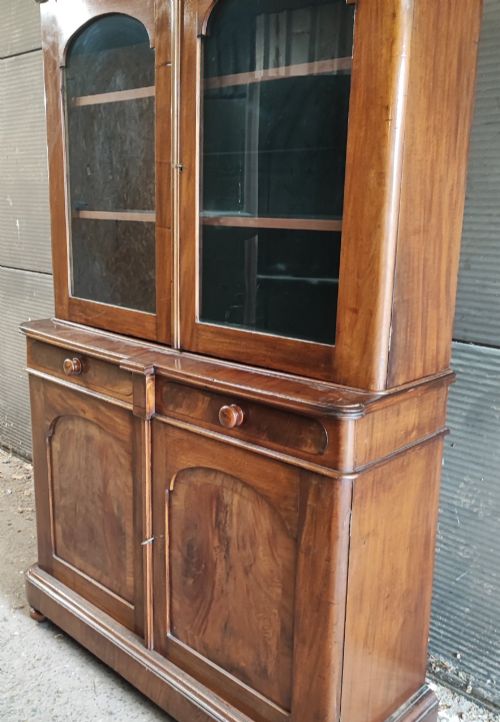
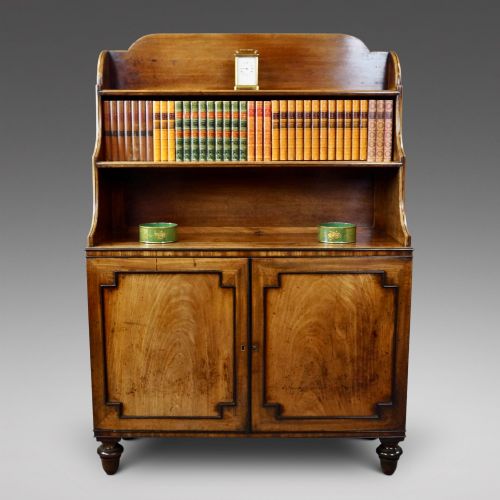
The most common versions on this page are mahogany side cabinets and Victorian sideboards, often standing on low feet with enclosed lower cupboards. Some examples incorporate raised mirror backs, open shelves or glass-fronted upper sections, shifting the form from a simple low sideboard towards a taller display piece.
How they were made
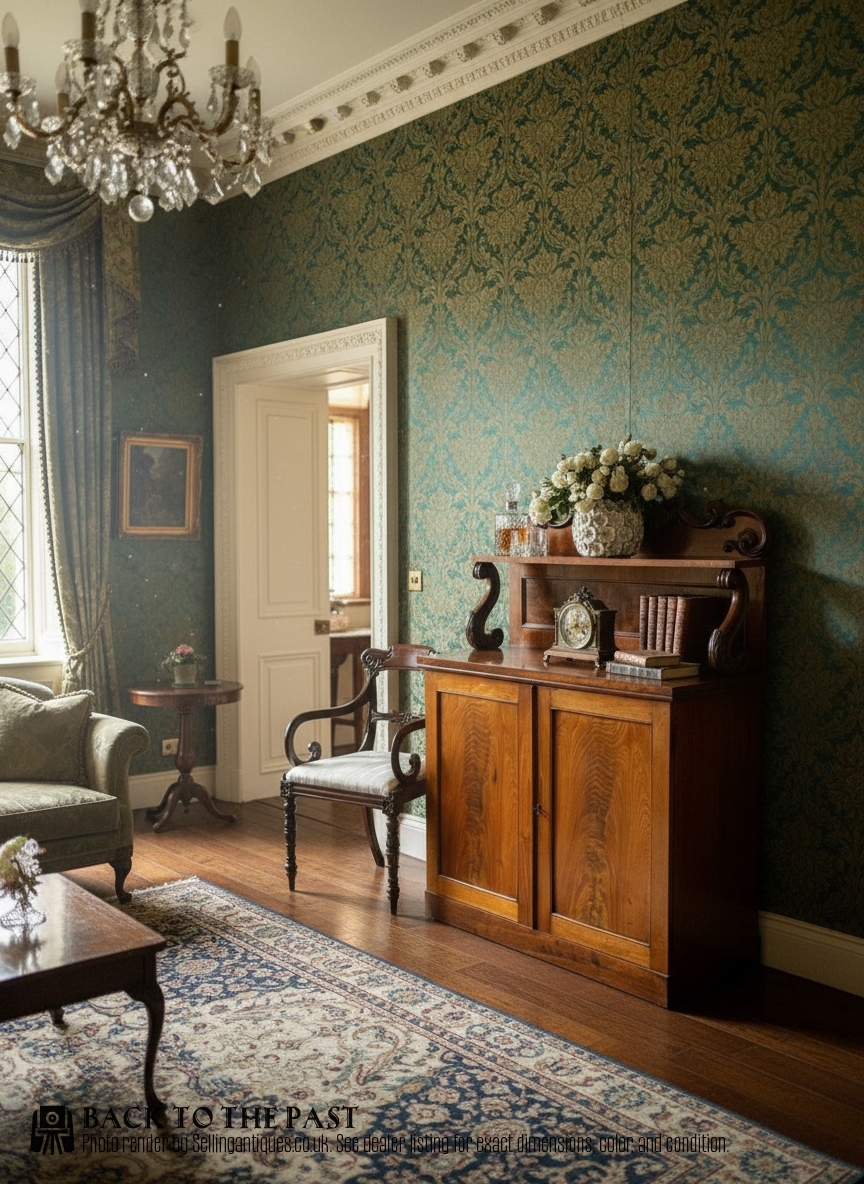
Cabinet-makers built these structures primarily using solid mahogany and walnut, frequently applying flame mahogany veneer to large flat surfaces to highlight natural timber grain. Secondary woods and structural frames support these primary surfaces, while brass hardware secures doors and interior fittings.
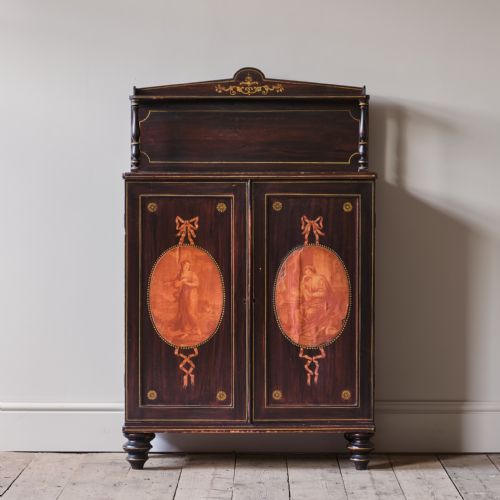
Decorative detailing relies on precision craftsmanship rather than applied plastics, featuring satinwood inlay, carved wooden ornamentation and fitted glass panels. Mirror glass integrated into upper sections is held within wooden frames, complementing polished wood surfaces.
Retail Price Guide 2026
Typical UK retail prices for brown wood chiffonier, calculated from the Sellingantiques database of over a million retail prices indexed since 2003. This retail price guide relies exclusively on Sellingantiques data; no external sources or auction records are used, so the figures do not describe the wider market.
Listings feature pieces spanning the nineteenth century, including specific dates from 1850 and 1890 alongside Regency, George IV and Victorian styles.
What varies in quality
The distinction between standard examples and the finest pieces lies in timber selection and decorative execution, where rich flame mahogany veneer and intricate satinwood inlay elevate the visual impact. Superior cabinets display thoughtful proportions, balanced carving and seamless integration of mirror backs or bookcase tops.
Construction integrity separates master craftsmanship from simpler utility items, evident in the tightness of door joints, the quality of brass mounts and the depth of the polished finish. Pieces attributed to specific Regency or Victorian design periods reveal their pedigree through refined secondary timbers and sophisticated structural detailing.
The Brown Wood Chiffonier Glossary
- Chiffonier
- A low nineteenth-century sideboard or cabinet, typically featuring enclosed lower cupboards and sometimes a raised shelf or mirror back. This form developed to serve dining and living rooms for serving or displaying tableware.
- Flame Mahogany Veneer
- A thin slice of mahogany timber cut from the fork of a tree to create a distinctive, flickering flame pattern. Cabinet-makers applied this to prominent exterior surfaces for maximum visual appeal.
- Satinwood Inlay
- Contrasting light-coloured timber inserted into recesses in a darker wood surface to create decorative borders or motifs. This technique highlights the geometric or floral ornamentation of the period.
- George IV
- The British design period spanning the early nineteenth century, known for substantial proportions and refined classical details. Pieces from this era often utilise dense mahogany with restrained architectural styling.
Frequently Asked Questions
What is a brown wood chiffonier?
A brown wood chiffonier is a nineteenth-century storage cabinet, usually made from mahogany or walnut, featuring lower cupboards and sometimes a raised upper section.
These pieces served historic homes as sideboards or display cabinets for dining rooms and parlours.
How do I date a chiffonier?
Dating relies on stylistic markers from periods like the Regency, George IV and Victorian eras, alongside construction materials.
Earlier pieces often show classical architectural restraint, while later Victorian examples frequently incorporate carved details or mirror backs.
Where were these cabinets used?
These cabinets primarily stood in dining rooms and living spaces to hold silver, glassware and linens.
The top surface and any raised shelves also provided space to display decorative objects and lighting.
What woods are used?
The primary woods recorded in these pieces are mahogany and walnut, supplemented by flame mahogany veneer for decorative effect.
Details like satinwood inlay and brass hardware frequently accent the main timber body.