

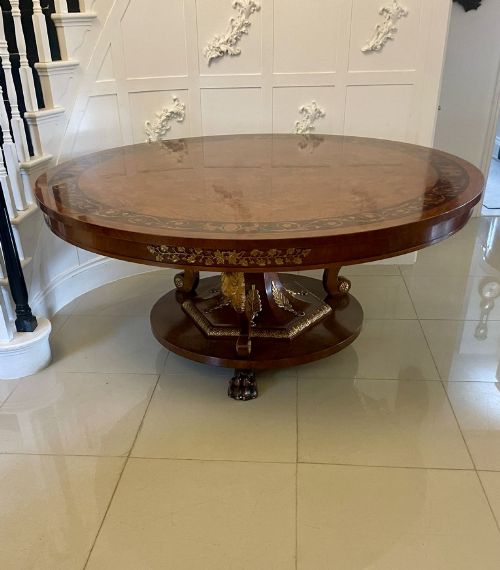
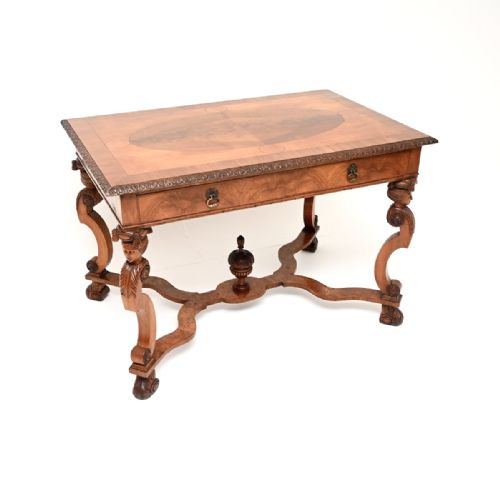
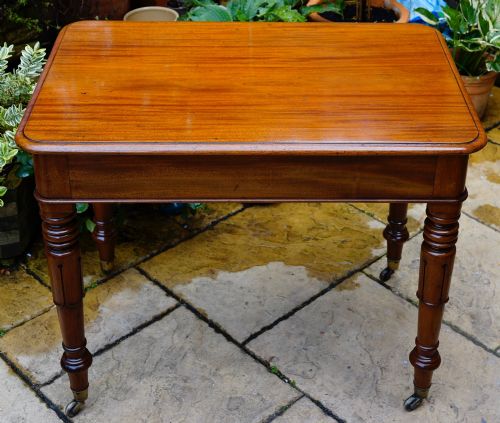
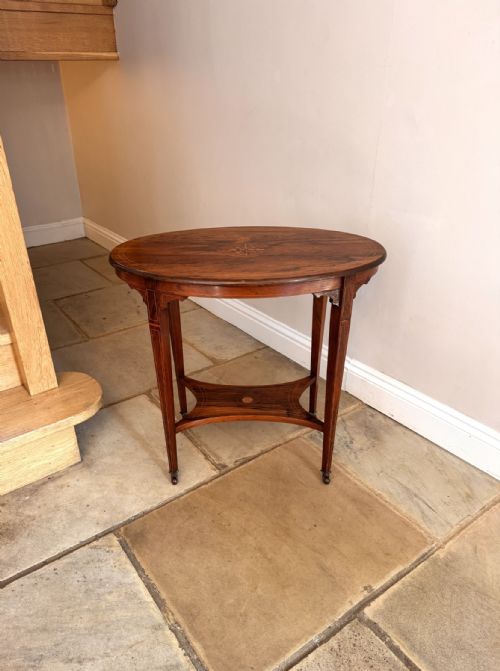
Brown Wood Center Table
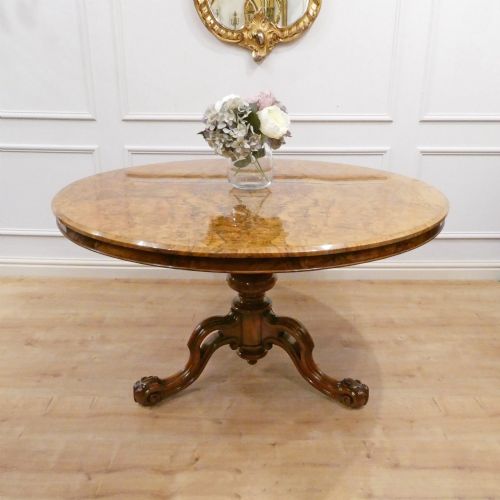
A brown wood centre table anchors a room with its freestanding presence, offering a surface designed to be viewed from every side.
Brown Wood Center Table
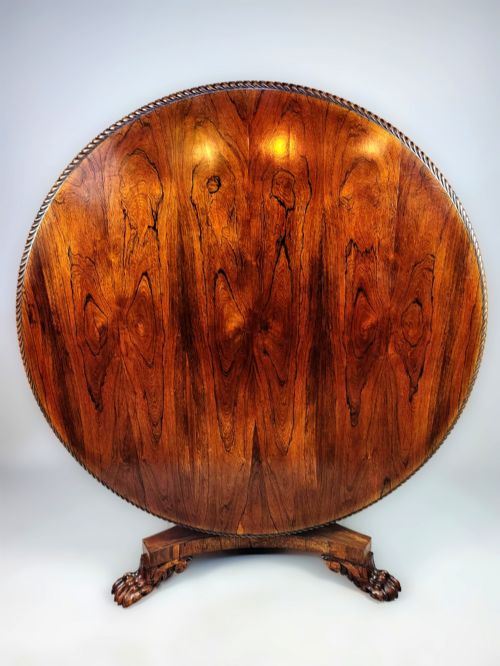
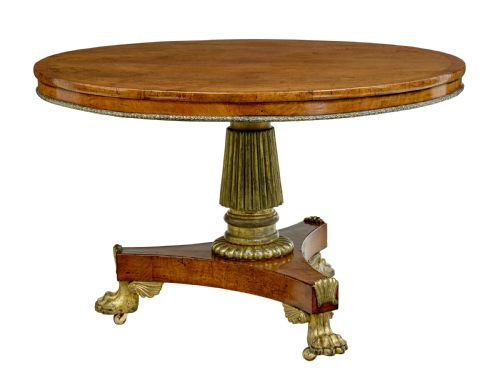
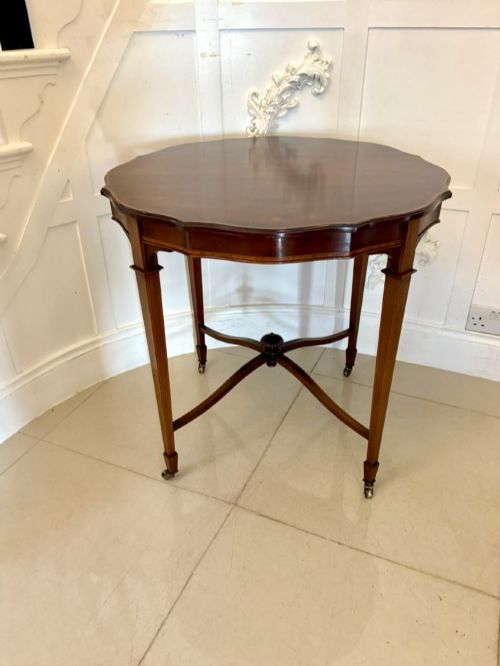
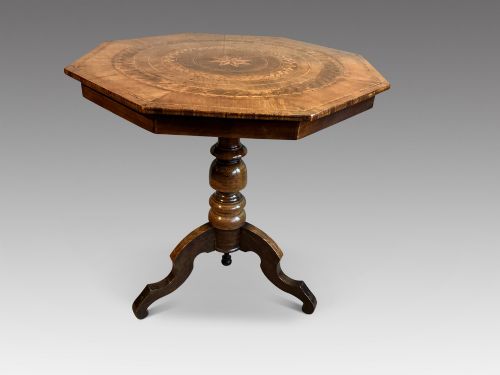
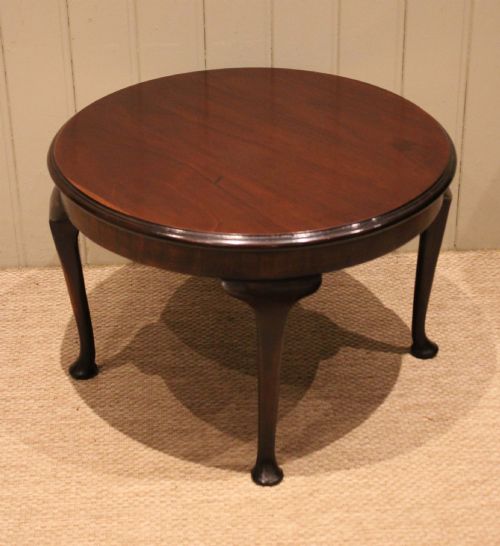
A brown wood centre table serves as a functional centrepiece within a room, designed to stand independently rather than push against a wall. When searching for a brown wood centre table, buyers encounter circular, octagonal, and oval formats intended for dining, breakfast, or display.
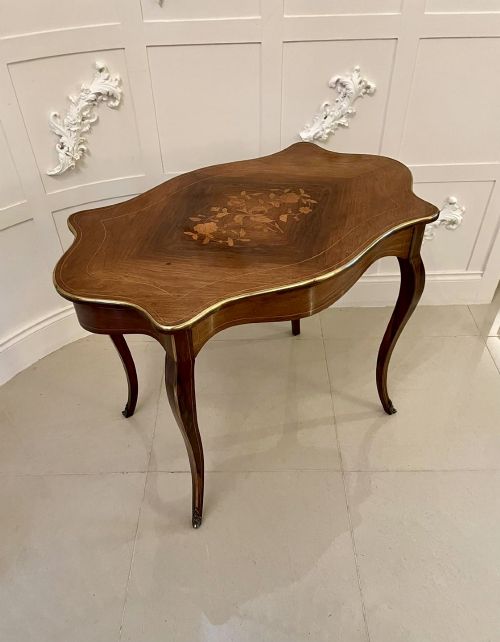
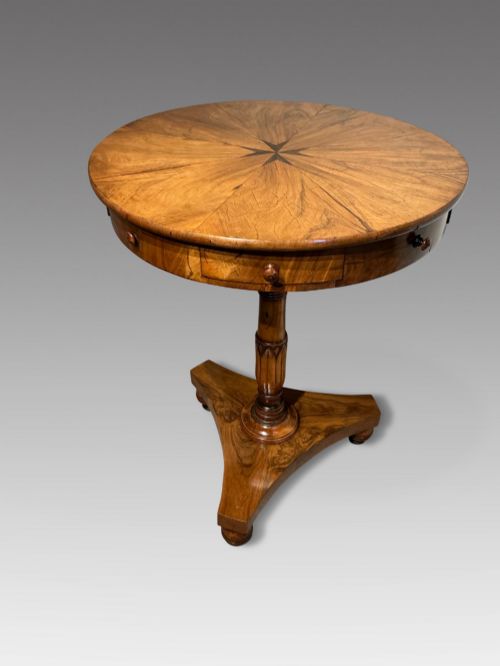
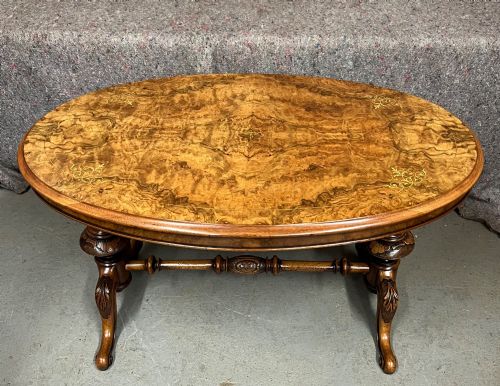
The selections span distinct historical periods, featuring Regency rosewood and mahogany examples alongside Victorian walnut and Edwardian satinwood-inlaid pieces. These items often double as drum tables, breakfast tables, or occasional tables depending on their proportions and height.
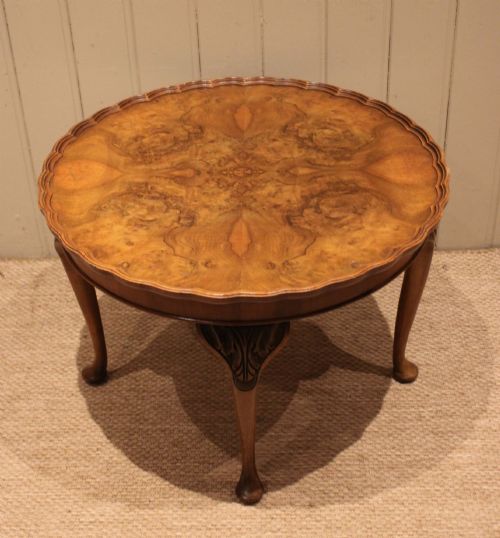
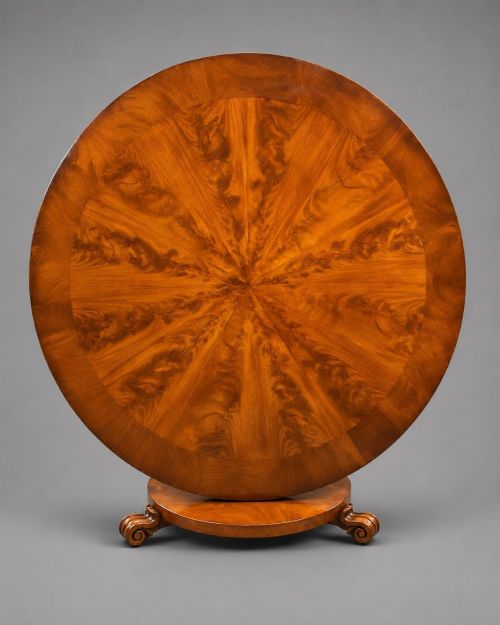
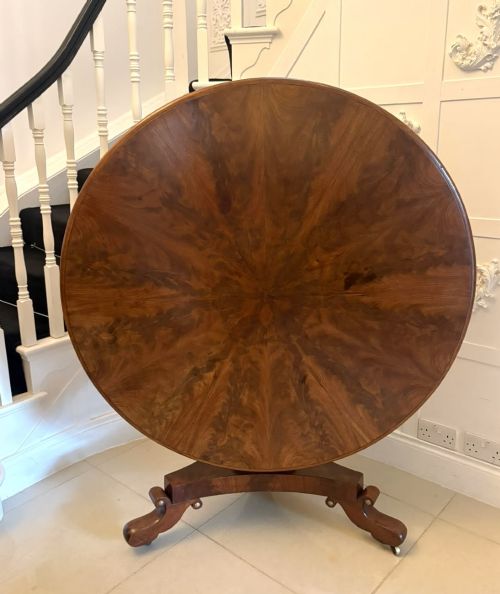
Makers and workshops across the nineteenth and early twentieth centuries constructed these freestanding pieces utilising rich timber grains such as burr walnut, flame mahogany, and exotic specimen woods. Such tables frequently incorporate marquetry inlay, brass detailing, and galleried shelves.
How they were made
Cabinetmakers constructed these tables using solid and veneered timbers including mahogany, walnut, rosewood, and satinwood over supportive core woods. Artisans applied intricate marquetry, crossbanding, and brass or gilt bronze mounts to enhance the visual depth of the timber.
Pedestal bases, tilt-top mechanisms, and tripod or pillar supports allowed these freestanding pieces to balance stability with mobility. Hand-carved elements, such as those found on Victorian and Burmese examples, demonstrate the detailed joinery and turning techniques employed by period workshops.
Brown Wood Center Table Retail Price Guide 2026
Typical asking prices for brown wood center table among the pieces listed under this phrase on Sellingantiques today, from the lower quarter to the upper quarter. They describe what is for sale here now, not the wider market.
The selection includes circular breakfast tables, tilt-top dining surfaces, and occasional drum tables from the Victorian and Regency eras.
What varies in quality
The distinction between tiers rests upon the selection of timber figures, such as flame mahogany or burr walnut, and the precision of the marquetry inlay. Superior examples display seamless grain matching across circular tops and sophisticated bronze or brass embellishments.
Structural integrity also separates standard items from finer works, notably in the execution of tilt-top mechanisms, pedestals, and hand-carved decorative motifs. Refined pieces maintain crisp carving edges and balanced proportions that reflect the original workshop standards.
Gillows·Ralph Turnbull
The Brown Wood Center Table Glossary
- Centre table
- A freestanding table finished on all sides, designed to stand in the middle of a room rather than against a wall. These items often feature circular or octagonal tops supported by a central pillar or pedestal base.
- Marquetry
- An art form utilising decorative veneer pieces applied to a wooden structure to create pictorial designs or geometric patterns. Makers frequently used contrasting timbers like satinwood and walnut to achieve this effect.
- Drum table
- A circular library or occasional table with a deep skirt containing drawers, resembling the shape of a drum. They typically rest on a central pillar with tripod or quadruped support legs.
- Tilt-top table
- A table equipped with a hinged mechanism allowing the top to tilt vertically when not in use. This design saved space in period interiors and facilitated easier movement.
- Crossbanding
- A decorative border technique where thin strips of veneer are laid perpendicular to the grain of the main surface. This frames the top and highlights the central timber figure.
Brown Wood Center Table: Frequently Asked Questions
Where should a centre table go?
A centre table traditionally sits in the middle of a large room or a spacious hallway where people can walk around it freely. Because these pieces are finished on all sides, they act as a visual anchor away from the walls.
In modern homes, they function well in open-plan living areas or large libraries as display surfaces for lamps, books, or decorative objects.
What is a drum table used for?
A drum table served historically in libraries and studies as a sturdy surface for writing, reading, and holding reference materials. The deep frieze often incorporates small drawers for storing stationery and documents.
Today, these versatile pieces work effectively as large lamp tables or occasional surfaces in living rooms where extra storage within the skirt is useful.
How do I care for antique wood tables?
Antique wood tables require gentle maintenance using soft, dry cloths to remove dust and protect the aged polish and patina. Avoid placing them in direct sunlight or near heat sources to prevent the timber from drying out and the veneer from lifting.
Applying occasional natural wax helps nourish hardwoods such as mahogany, walnut, and rosewood while preserving their characteristic sheen.