


Brown Wood Book Table
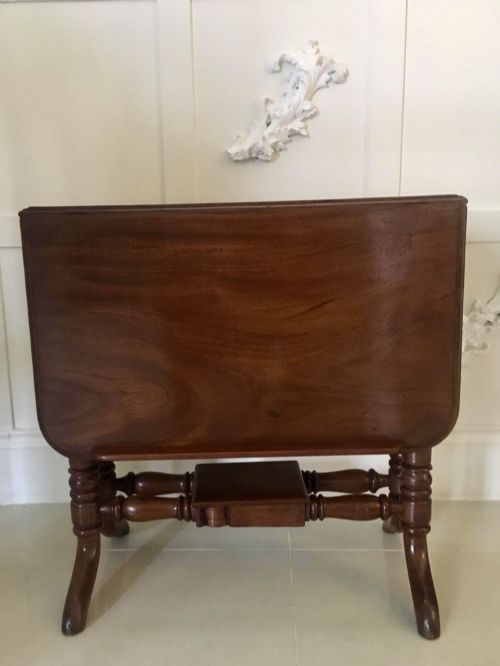
These brown wood book table examples unite practical book storage with classic timber craftsmanship, offering versatile surfaces for reading materials across period interiors.
Brown Wood Book Table
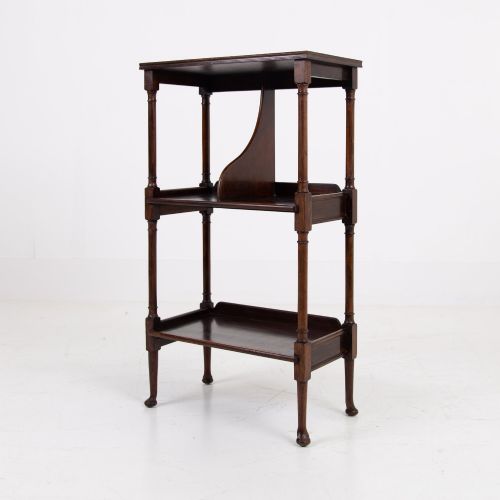
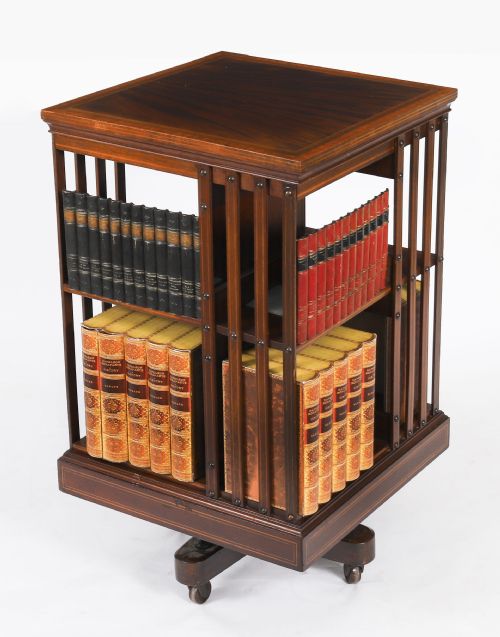
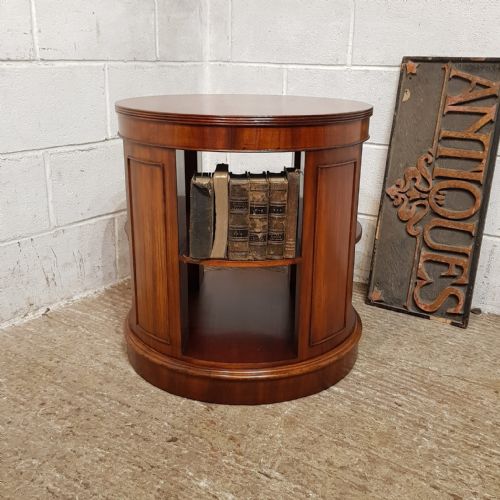
A brown wood book table brings together timber furniture and literature storage, spanning forms such as revolving bookcases, reading tables, and tiered whatnots. These pieces emerge predominantly from Victorian and Edwardian workshops alongside Regency and George III periods.
Materials and construction methods
Construction relies heavily on solid mahogany, walnut, and occasional teak or oak, frequently enhanced by decorative veneer, flame figures, and satinwood inlay. Brass fittings appear on adjustable reading mechanisms, hinges, and casters.
Joinery methods reflect the specific period of manufacture, utilising stable framing for multi-tiered whatnots and specialised rotating mechanisms for revolving bookcases. Surfaces receive traditional polishes that accentuate the natural grain of the timber.
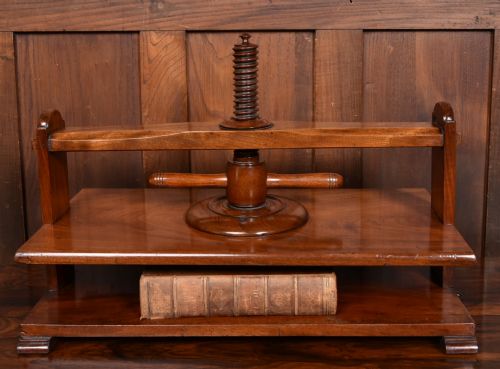
Common formats include revolving bookcases, reading tables, book presses, and tiered whatnots.
Assessing build quality and execution
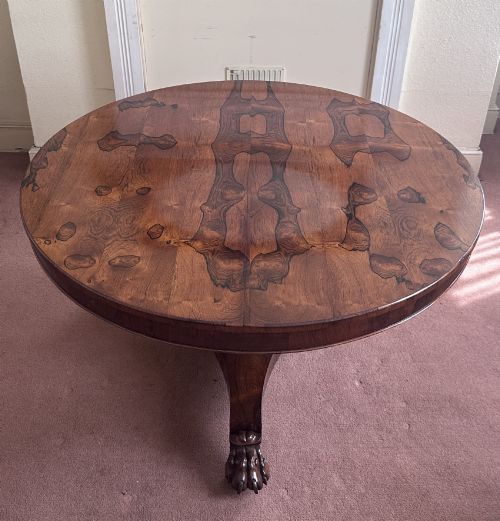
Quality separates standard utility pieces from exceptional items through the choice of timber figure, such as richly marked flame mahogany or figured walnut. Finer examples display meticulous attention to inlay work and edge banding.
Mechanical elements dictate another level of distinction, particularly the smooth operation of revolving tiers, extending book slides, and adjustable reading surfaces. Solid brass hardware and robust internal framing separate superior pieces from simpler utilitarian builds.
Gillows
The Brown Wood Book Table Glossary
- Revolving bookcase
- A freestanding tiered bookcase built on a rotating base that turns easily to access volumes from any side. These units appear frequently in Edwardian and Victorian forms.
- Whatnot
- An open set of multi-tiered shelves used for displaying books and ornaments. The form gained popularity through the nineteenth century.
- Reading table
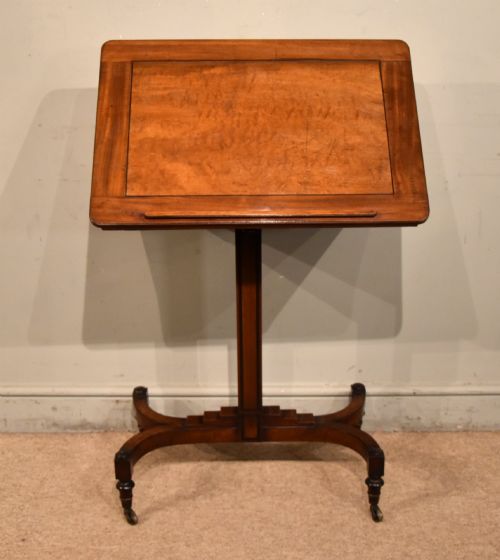
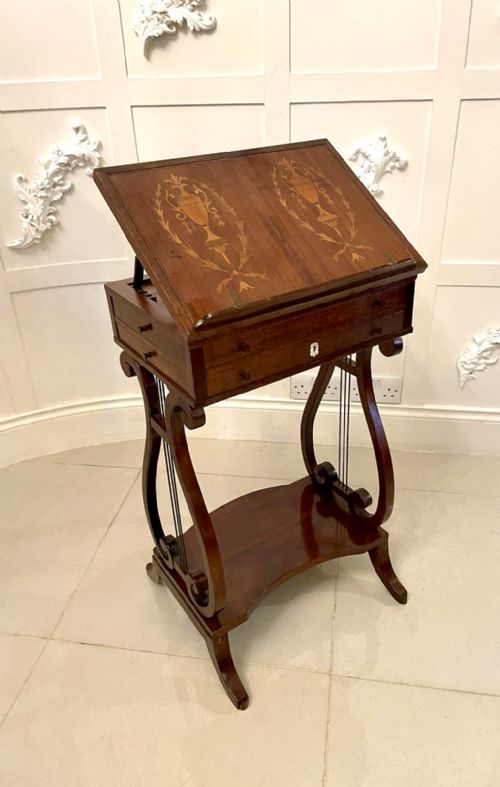
- A specialised table featuring an adjustable or tilting top designed to support books and documents at a comfortable angle. Many include small ledges to keep volumes in place.
- Book slide
- An extensible rack placed on a desk or table to hold a row of books upright. They often feature expanding concertina actions or screw mechanisms.
- Veneer
- A thin layer of choice wood applied to a secondary timber base to create decorative exterior surfaces. Flame mahogany and satinwood are common examples found on these tables.
Brown Wood Book Table: Frequently Asked Questions
How do I maintain a wooden book table?
Keep the timber away from direct heat sources and strong sunlight to prevent the wood from drying out or fading. Regular dusting with a soft cloth maintains the finish without needing heavy polishes.
Occasional applications of traditional beeswax help nourish older surfaces, particularly on pieces with visible veneer or intricate inlay work.
Where did revolving bookcases originate?
Revolving bookcases became widespread during the Victorian and Edwardian eras as domestic libraries and study spaces required efficient ways to house growing collections of books. Their rotating design maximised storage within compact floor plans.
Cabinetmakers utilised clever spindle and pivot mechanisms hidden beneath the lower tier to allow smooth movement even when fully loaded with heavy volumes.
Can reading tables still adjust?
Many period reading tables retain functional brass ratchets, hinges, or screw mechanisms that allow the top to tilt or rise. These mechanical parts enable the surface to serve both as a standard occasional table and an angled reading stand.
Care should be taken when operating older brass adjustments to preserve the original fixings and threaded components.
What is a whatnot used for?
A whatnot is a multi-tiered open shelf unit designed for holding books, folios, and decorative objects within principal rooms. The graduated tiers allowed owners to display a variety of literature and ornaments.
Victorian and earlier examples utilise sturdy upright supports and fine timber shelves suited to domestic studies and drawing rooms.