
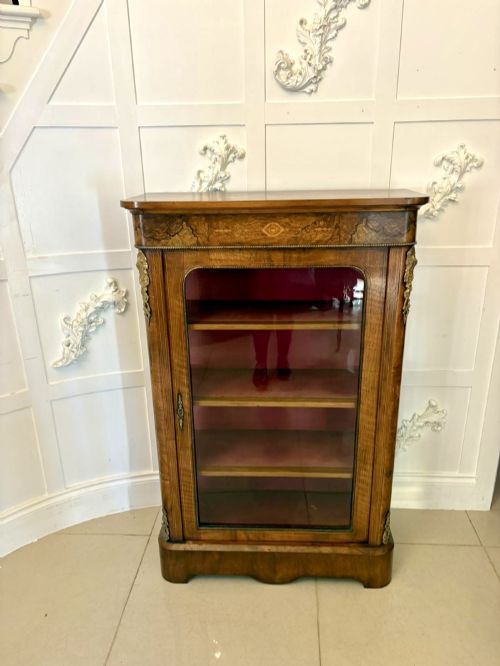
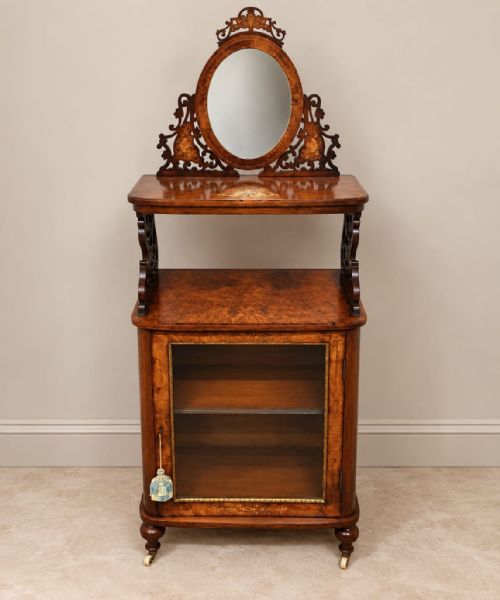
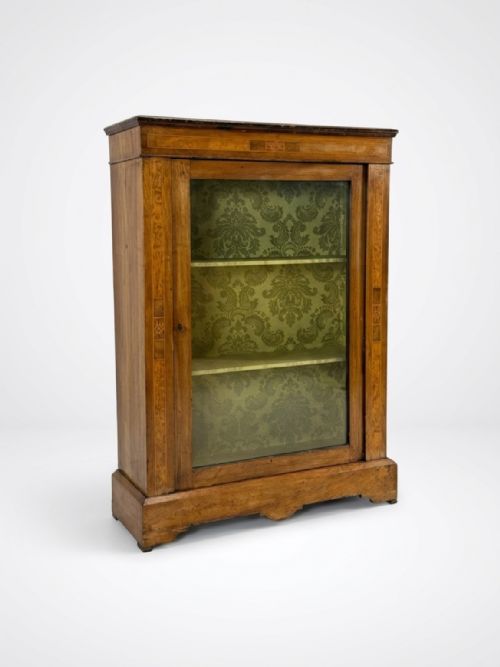
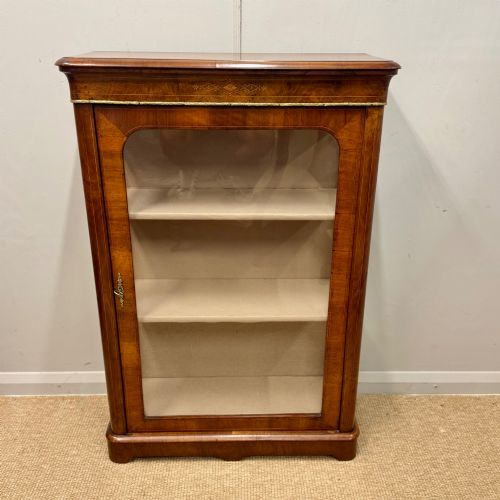



Brown Walnut Pier Cabinet
A brown walnut pier cabinet brings warmth and polished display space to a room, channelling nineteenth-century elegance.
Brown Walnut Pier Cabinet
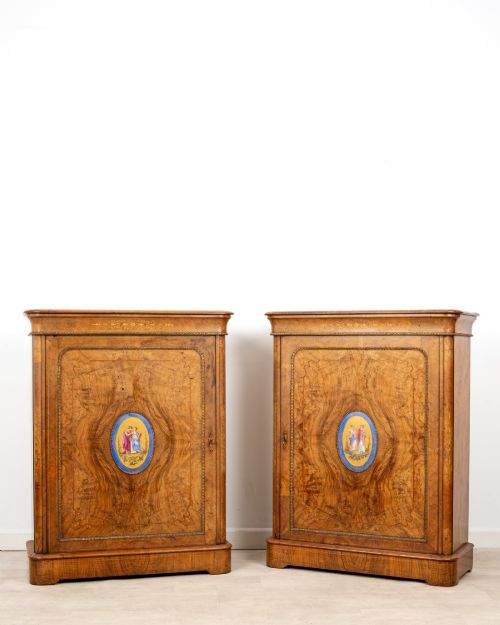
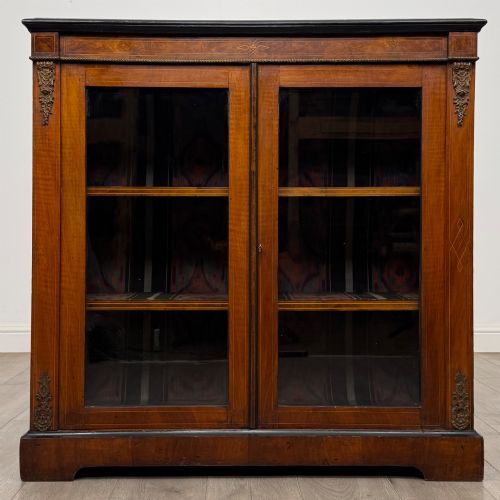
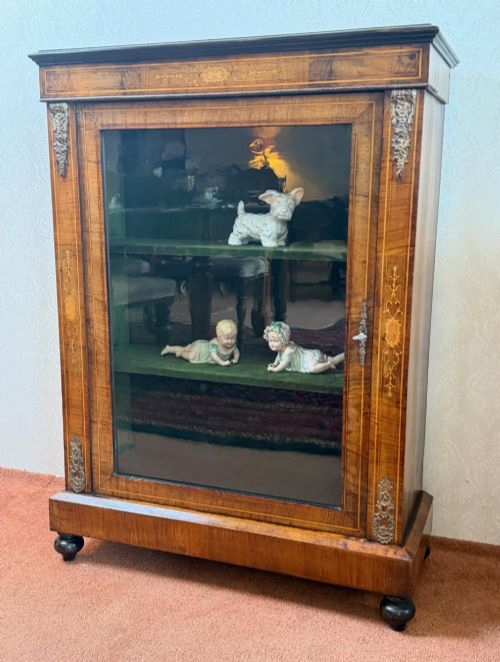
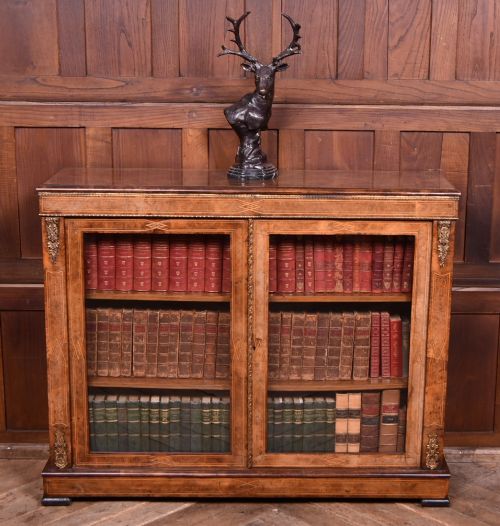
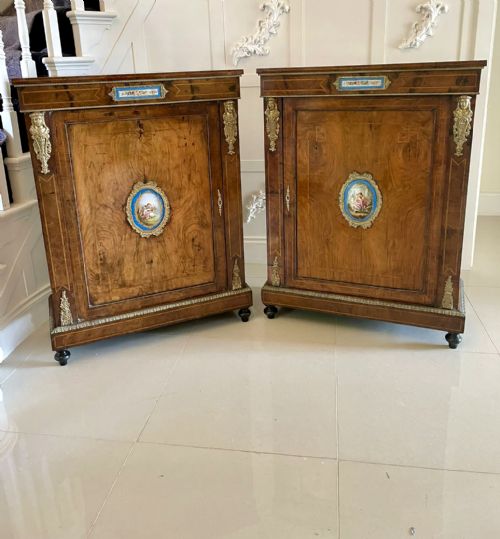
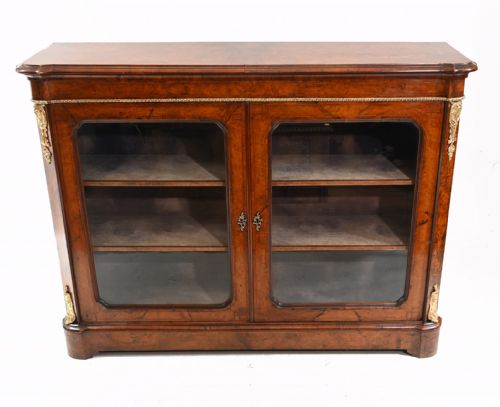
A brown walnut pier cabinet is a low display piece designed to sit against the wall between windows, emerging chiefly from the Victorian and Edwardian eras. These upright cupboards house books, porcelain or curios behind glazed doors, protecting delicate items while reflecting light into the room.
Most examples seen here date from the nineteenth century, spanning decades such as eighteen sixty, eighteen seventy and eighteen eighty. Alongside standard Victorian forms, variations include Biedermeier consoles, Regency designs and French Revival pieces.
Makers and retailers like Druce and Company contributed to this tradition, producing refined storage options that ranged from single-door display cupboards to pairs of credenzas with serpentine shapes.
Judging quality and craftsmanship
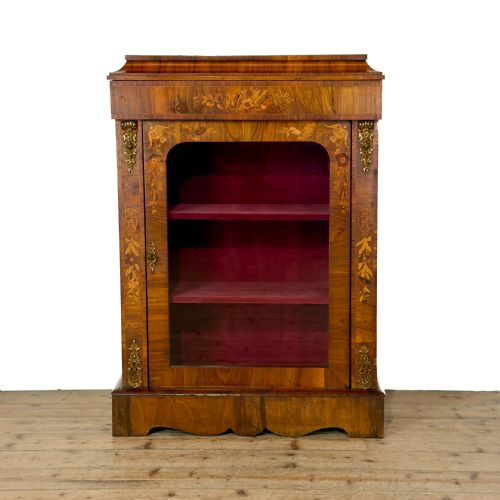
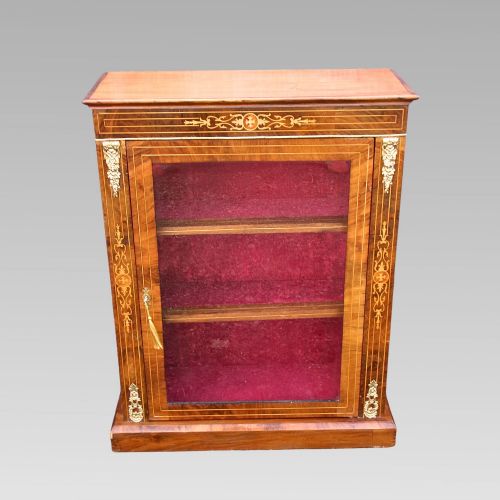
The distinction between standard pieces and those of outstanding quality rests on the precision of the marquetry and the choice of burr veneer. Master craftsmen aligned wood grains symmetrically and laid delicate boxwood inlays with absolute tightness.
Hardware and secondary timbers also signal distinction, where heavy cast ormolu mounts, well-fitted brass locks and clean interior construction elevate a cabinet above mass-produced alternatives.
Listings feature walnut, burr walnut, and boxwood materials across Victorian, Edwardian, and Regency periods.
Druce and Co
The Brown Walnut Pier Cabinet Glossary
- Pier cabinet
- A narrow display cabinet designed to stand against a pier of wall between windows. These pieces traditionally feature single glass doors to showcase ornaments.
- Burr walnut
- Timber taken from the warted growths on walnut trees, yielding highly decorative swirling grain patterns. Cabinet makers prized this wood for veneering prominent surfaces.
- Marquetry
- Decorative wood inlay work forming intricate patterns or pictorial designs on furniture surfaces. Boxwood and darker timbers are cut and fitted into the walnut ground.
- Ormolu
- Gilt bronze mounts applied to furniture for decorative effect, prevalent in French-influenced nineteenth-century pieces. This brassy metallic finish adds architectural definition.
- Cross-banding
- A border technique where thin strips of veneer are laid with the grain running perpendicular to the main panel. This frames the top or door of a cabinet cleanly.
Brown Walnut Pier Cabinet: Frequently Asked Questions
What is a pier cabinet used for?
These cabinets were built to occupy narrow wall spaces between tall windows in nineteenth-century drawing rooms. They served primarily to display porcelain, small books and prized ornaments behind glass.
The enclosed shelving kept dust away from delicate collections while adding decorative polish to the interior space.
How do I date a walnut cabinet?
Dating relies on stylistic clues, timber choice and construction methods recorded across periods like the Victorian and Edwardian eras. Pieces featuring elaborate boxwood marquetry and ormolu mounts often point to the eighteen sixties and seventies.
Simpler lines and different wood preparation suggest either earlier Regency influences or later Edwardian manufacturing.
Where should I place it at home?
A brown walnut pier cabinet suits narrow wall spaces, hallways or drawing rooms where floor space is limited. Because they are shallow, they fit comfortably without obstructing walkways.
Pairing them with traditional or eclectic modern decor highlights their warm wood tones and glass-fronted displays.
Are these cabinets fragile?
While sturdily built from solid walnut and veneers, these cabinets require careful handling due to their antique glass panels and delicate marquetry. Maintaining stable room humidity protects the wood and prevents veneer warping.
Normal daily use and gentle cleaning keep the polished surfaces and brass fittings secure.