

Brown Walnut Linen Press
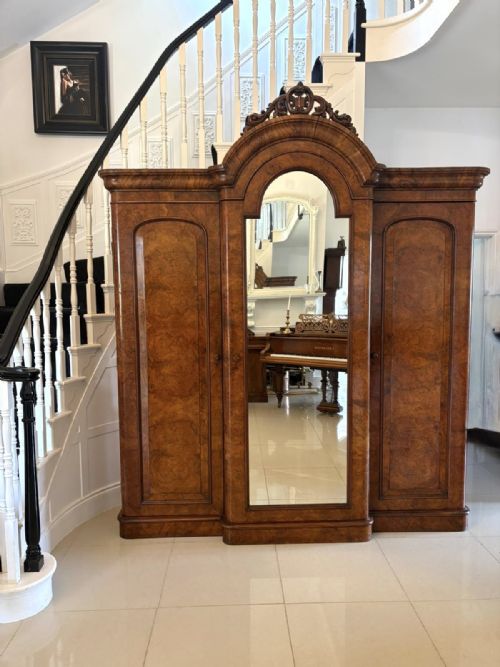
A brown walnut linen press provides substantial storage through fitted interior compartments behind timber doors.
Brown Walnut Linen Press
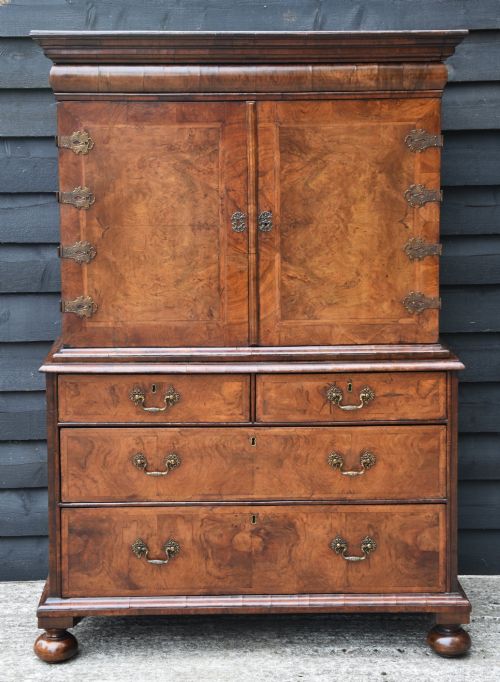
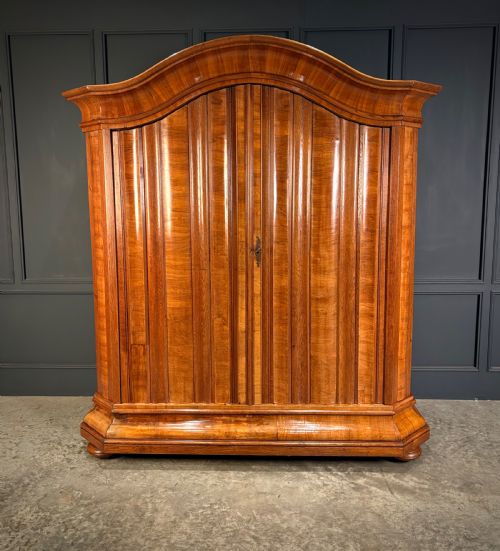
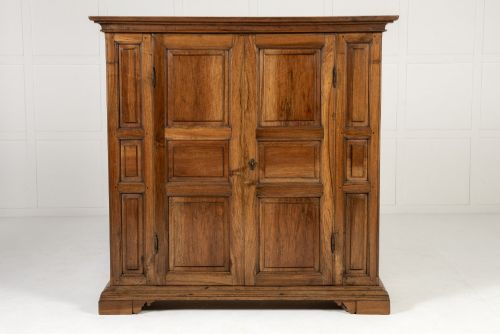
A brown walnut linen press serves primarily as a large storage cabinet for textiles, garments and domestic linens. These pieces span multiple centuries and stylistic traditions, ranging from early vernacular cupboards to formal cabinets on chests.
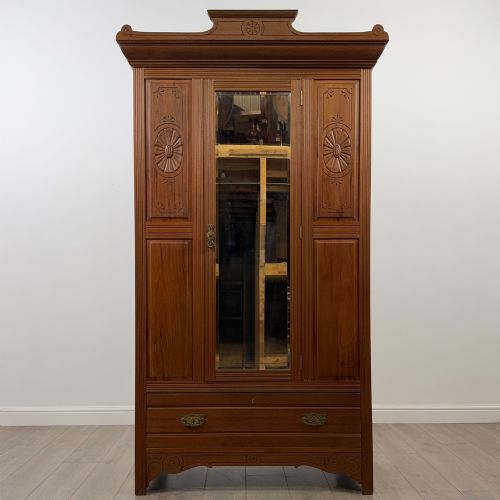
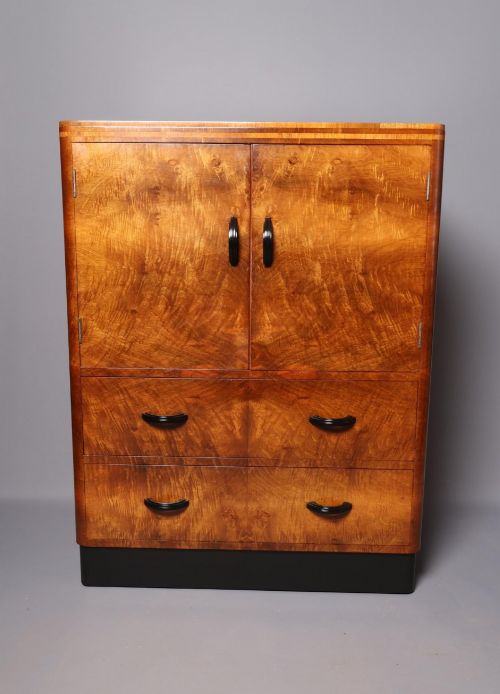
The selections encountered here include tallboys, compactums and multi-door wardrobes alongside dedicated presses. Makers from the seventeenth century through the art deco period adapted these forms to suit changing domestic storage requirements.
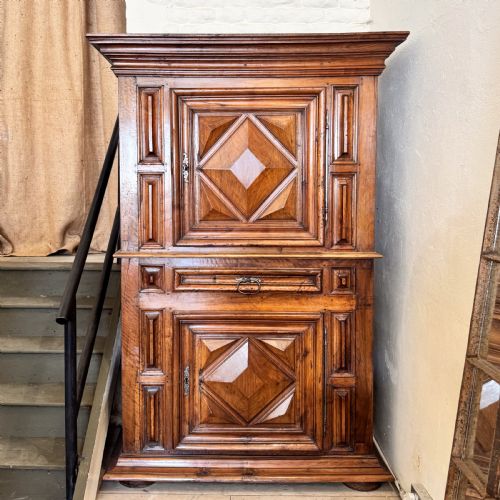
Continental and English workshops built these large case pieces using native and imported hardwoods. Buyers frequently encounter seventeenth-century cabinet forms, eighteenth-century marquetry designs and twentieth-century art deco wardrobe variants.
Materials and construction
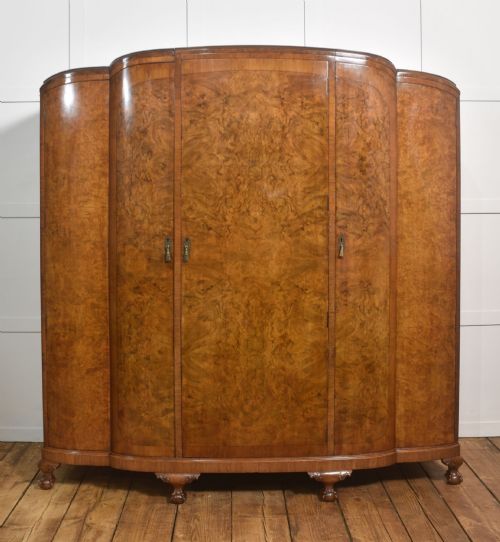
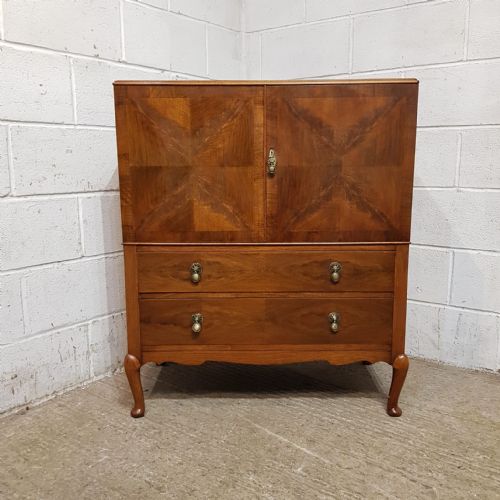
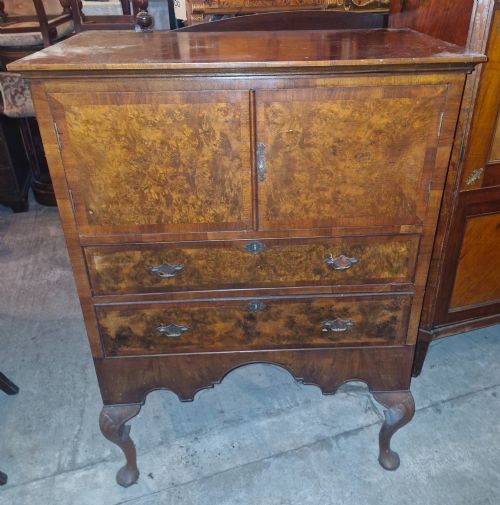
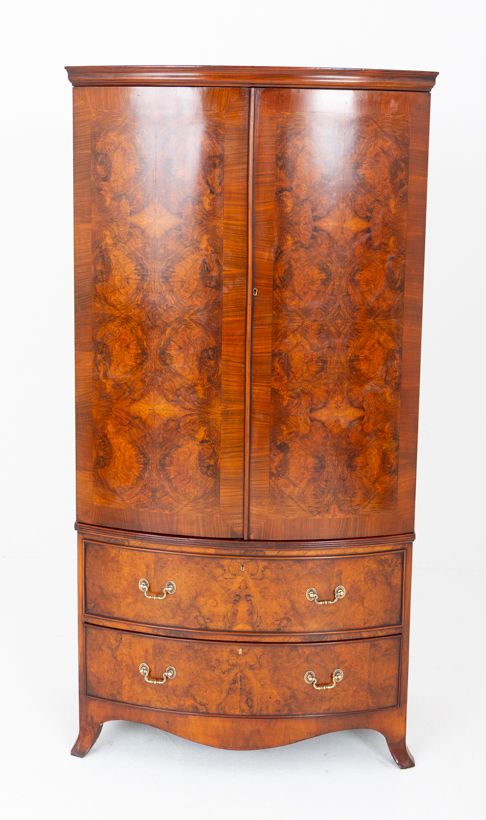
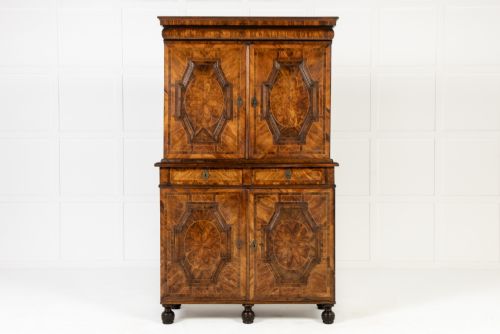
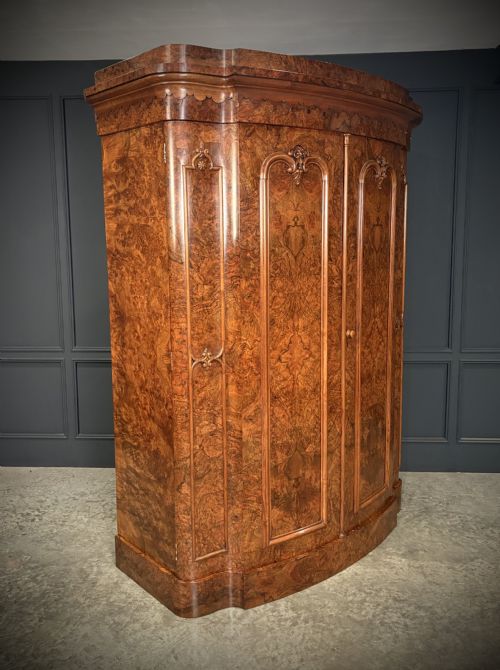
Cabinet makers constructed the primary carcase frames using solid walnut, oak and sometimes exotic timbers. Veneering techniques utilised figured burr walnut and oyster pieces to create decorative geometric patterns across large flat surfaces.
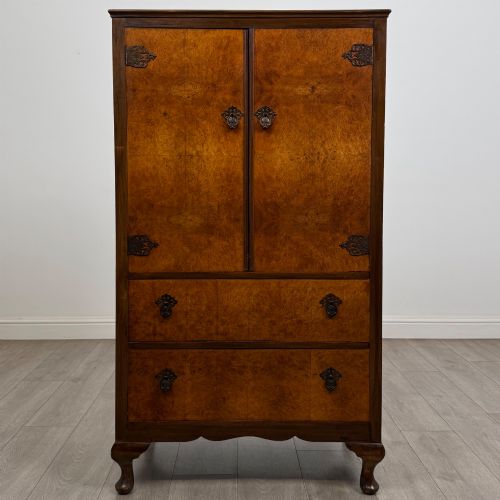
Surface ornamentation relied upon floral marquetry, parquetry and natural grain matching rather than applied metalwork. Brass handles, hinges and escutcheons functioned as structural and visual accents on doors and drawer fronts.
Interior sections incorporate sliding trays, hanging space and small drawers constructed from secondary softwoods. Joinery methods combined traditional dovetailing for drawers with solid frame-and-panel construction for doors and sides.
Some seventeenth-century cabinet doors hide secret compartments behind dummy drawers for securing small valuables.
Assessing quality and craftsmanship
The sophistication of the timber selection dictates the visual impact of the piece. Fine examples display carefully matched burr or oyster veneers that wrap continuously across the doors and drawers.
Structural integrity depends upon the precision of the joinery and the survival of original internal fittings such as sliding trays and brass hardware. Alterations to interiors or replacement hardware alter the original character of the cabinet.
Shapland & Petter·Mercier
The Brown Walnut Linen Press Glossary
- Linen press
- A tall storage cabinet traditionally fitted with internal sliding shelves or trays designed for storing folded garments and household linen.
- Cabinet on chest
- A two-part form consisting of an upper enclosed storage section resting upon a lower chest of drawers.
- Burr walnut
- Timber taken from the gnarled growth of a walnut tree, producing highly figured, swirling grain patterns used for decorative veneering.
- Oyster veneer
- Small circular or oval slices cut horizontally from small branches, laid closely together to resemble oyster shells.
- Marquetry
- The art of applying decorative veneer pieces in geometric or pictorial patterns onto a solid wood carcase.
Brown Walnut Linen Press: Frequently Asked Questions
How do I use a linen press today?
These cabinets suit modern bedrooms and living areas for storing folded clothing, bed linen or media equipment. The internal sliding trays organise smaller items effectively while the main cupboards conceal bulkier possessions.
Position the furniture away from direct sunlight and heat sources to protect the polished wood surfaces and delicate walnut veneers from drying out.
What is a compactum wardrobe?
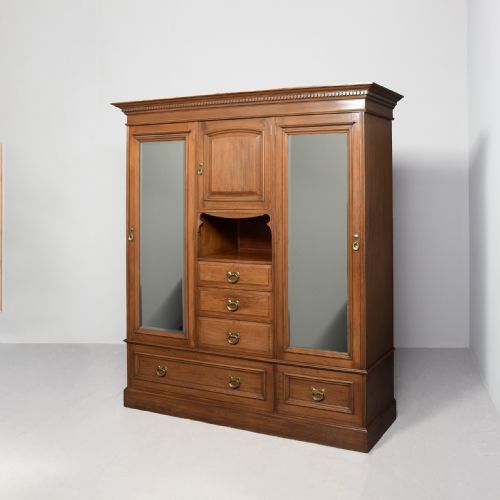
A compactum combines hanging space, drawers and shelving within a single multi-door cabinet footprint. This form emerged to maximise storage efficiency in domestic settings.
Makers divided the interior compartments symmetrically to handle different categories of clothing simultaneously within one piece of furniture.
How do I distinguish seventeenth-century pieces?
Seventeenth-century examples often feature architectural mouldings, oyster veneers and geometric paneling. These cabinets typically sit on distinct stands or heavy bracket feet.
Construction methods rely heavily on solid oak carcases faced with walnut veneers, displaying hand-cut dovetails and forged iron or brass hardware.