
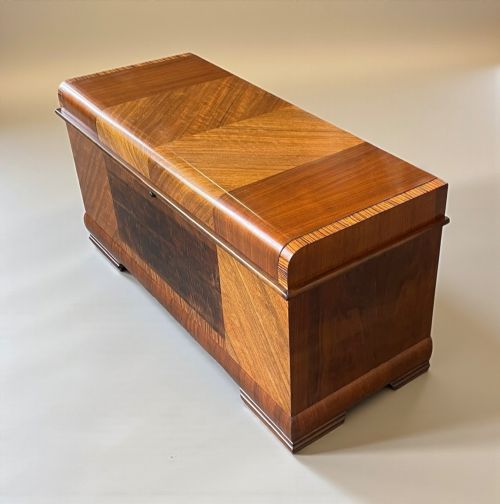


Brown Walnut Coffer
These brown walnut coffer examples span centuries of storage furniture, offering sturdy construction and rich timber grains for practical home organisation.
Brown Walnut Coffer
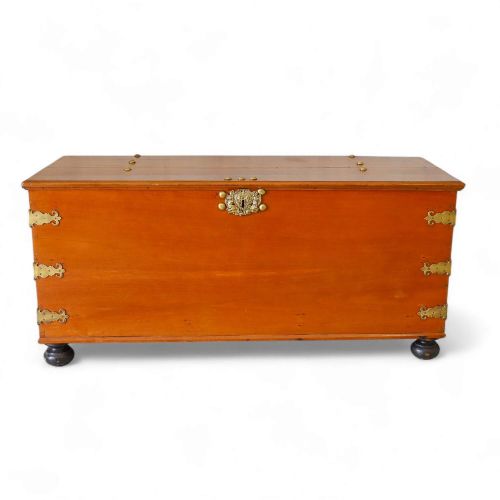
A brown walnut coffer serves as a traditional storage container, encompassing related forms such as trunks, chests, and caskets made primarily from walnut timber. You encounter pieces dating from the sixteenth century through to the Victorian era, reflecting diverse European and colonial origins.
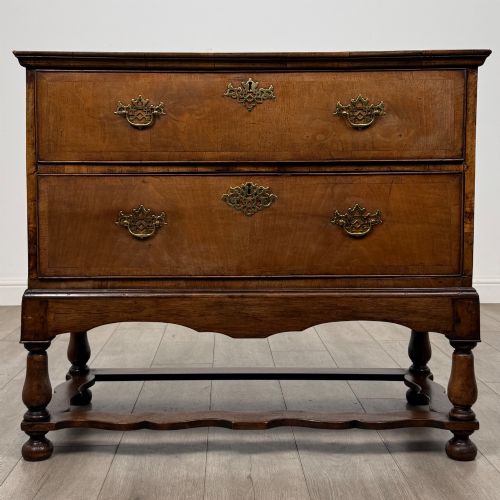
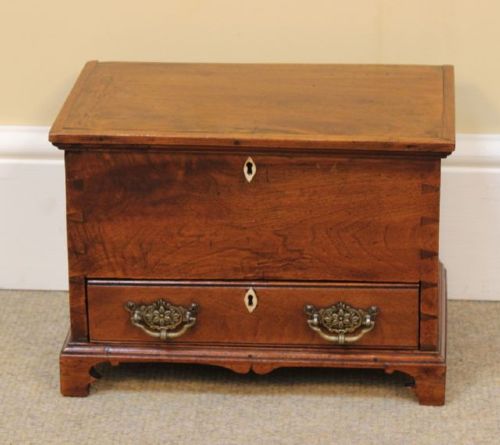
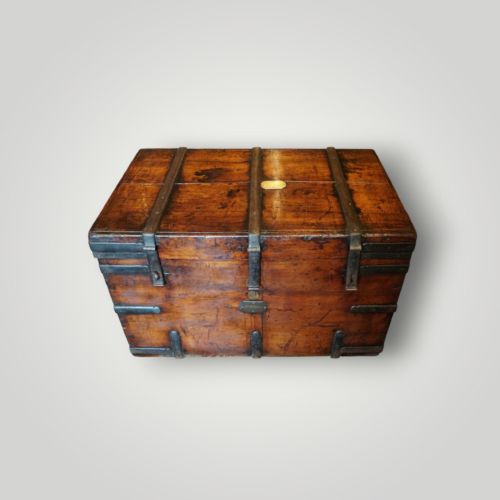
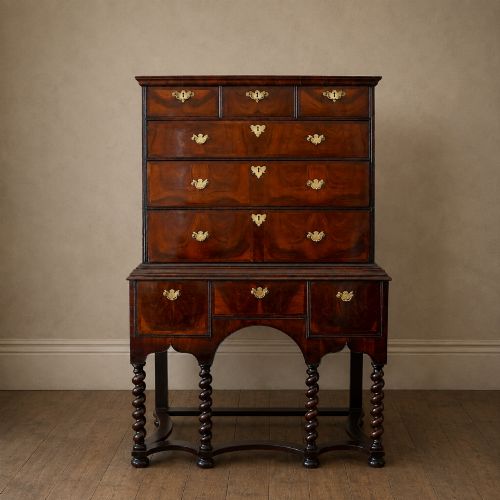
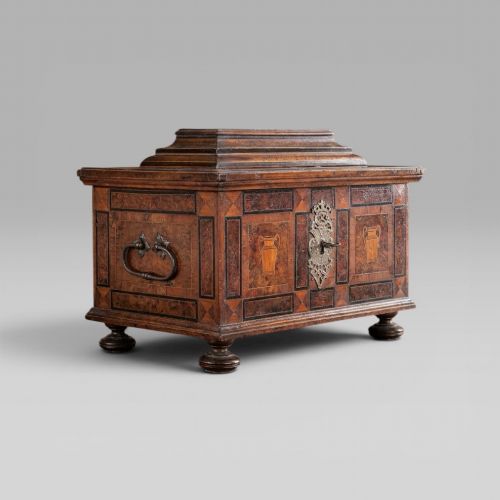
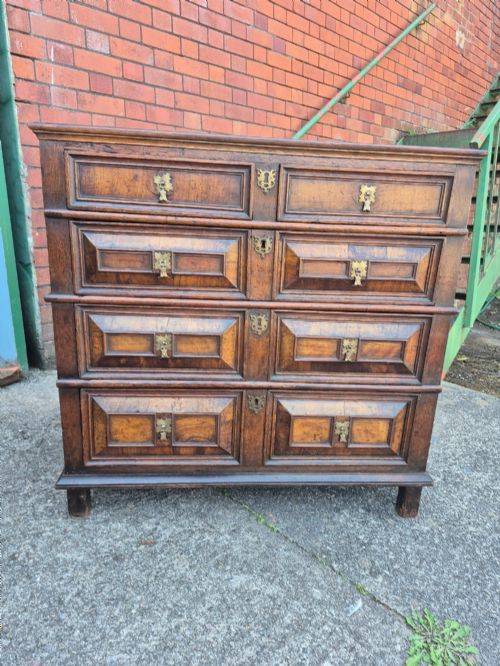
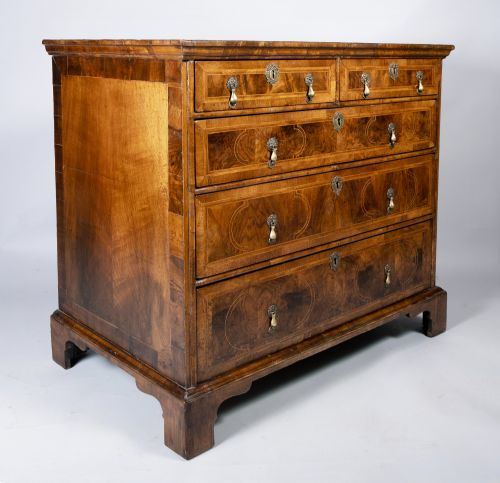
The selection ranges from robust seventeenth-century coffers and Spanish boxes to refined eighteenth-century chests on stands and nineteenth-century commodes. Many examples incorporate lift-top lids, drawers, or stands, combining display surfaces with functional compartments.
Materials and construction
Cabinet makers utilised walnut, burr walnut, and fruitwood, often supported by secondary timbers like oak and pine for internal structure. Iron and brass hardware, including hinges, bindings, and locks, provided both structural reinforcement and decorative contrast.
Surface decoration frequently involved intricate marquetry, geometric veneers, and inlays, alongside polished timber finishes that highlight the natural grain. Joinery techniques varied from early boarded and panelled construction to sophisticated drawer framing and stand assembly.
The listings feature pieces spanning the sixteenth to the nineteenth centuries, incorporating materials such as bone, brass, iron, and various hardwoods.
Variations in quality
The distinction between tiers rests upon the choice of timber veneer, such as highly figured burr walnut, versus plain hardwood planks. Finer pieces demonstrate superior mastery in marquetry patterns, dovetail joinery, and the integration of original brass or iron mounts.
Proportion and structural integrity also divide standard utilitarian boxes from elite items like chests on stands or royal coffers. The survival of period elements, keys, and untouched patination elevates the standing of an individual piece.
The Brown Walnut Coffer Glossary
- Coffer
- A large wooden chest used for storing valuables, textiles, or documents, usually fitted with a hinged lid.
- Burr walnut
- A prized timber harvested from walnut tree growths, displaying swirling, highly decorative grain patterns.
- Chest on stand
- A case of drawers elevated on a separate framework of legs, popular during the late seventeenth and early eighteenth centuries.
- Marquetry
- Decorative veneer work arranged in pictorial or geometric patterns across the surface of the furniture.
- Commode
- A low chest of drawers or cabinet, frequently of French origin, adapted in some instances to include a lift top.
Brown Walnut Coffer: Frequently Asked Questions
What is a brown walnut coffer?
A brown walnut coffer is a lidded storage box or chest constructed predominantly from walnut timber.
These pieces function as historical storage furniture, varying from early sixteenth-century designs to later Victorian interpretations.
How do I date a coffer?
Dating relies on observing construction techniques, hardware styles, and the specific decorative motifs characteristic of periods like William and Mary or George I.
Changes in drawer dovetailing, timber preparation, and locking mechanisms also indicate the era of manufacture.
Where were these pieces made?
Origin locations span across England, Germany, Italy, Spain, France, and colonial regions.
Regional differences appear in the choice of secondary woods, such as oak or pine, and local woodworking traditions.
How do I use a coffer at home?
Coffers provide practical enclosed storage for blankets, linens, and household items while serving as decorative furniture.
Smaller caskets and boxes function well on tabletops, whereas larger coffers and chests on stands operate as focal points in hallways or living spaces.