
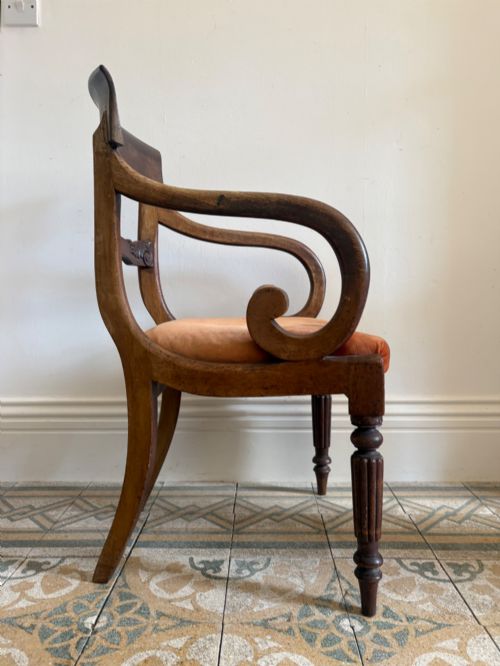
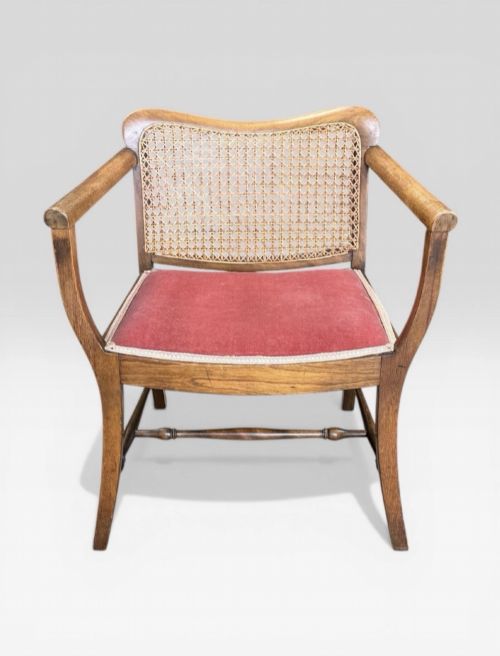


Brown Velvet Seats
Brown velvet seats bring tactile warmth to dining chairs, armchairs and stools across Georgian, Victorian and later periods.
Brown Velvet Seats
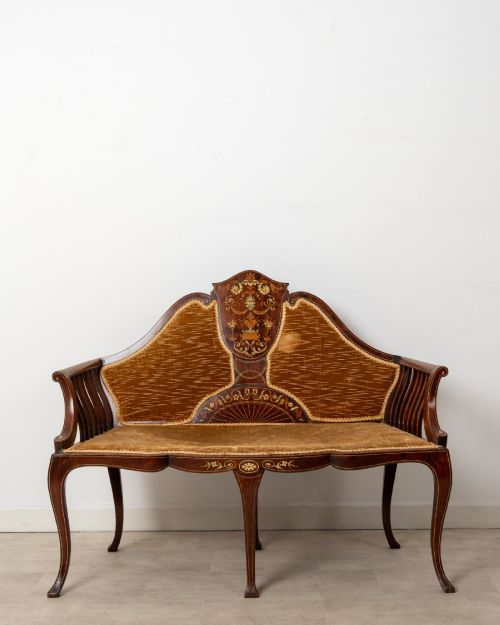
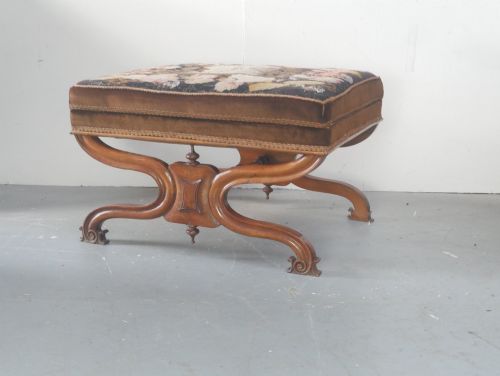
Brown velvet seats appear across a wide variety of antique seating forms, including dining chairs, armchairs, stools and sofas. These pieces span periods from the 18th century through the Victorian era to the 1930s, reflecting changing domestic fashions.
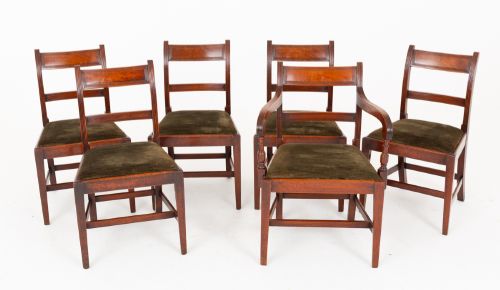
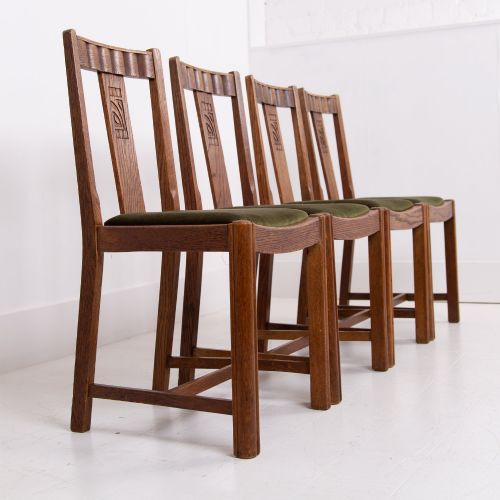
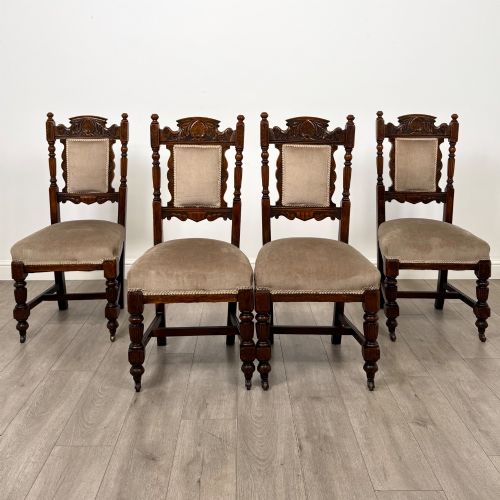
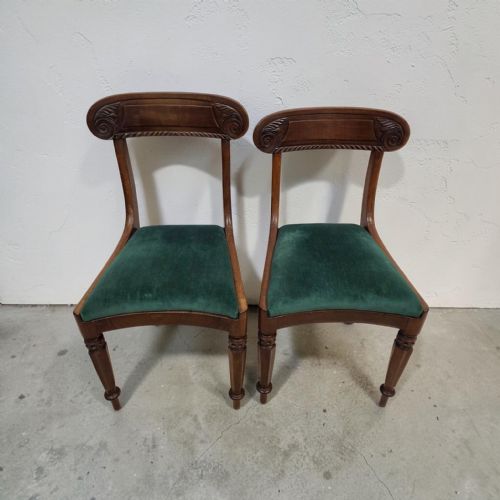
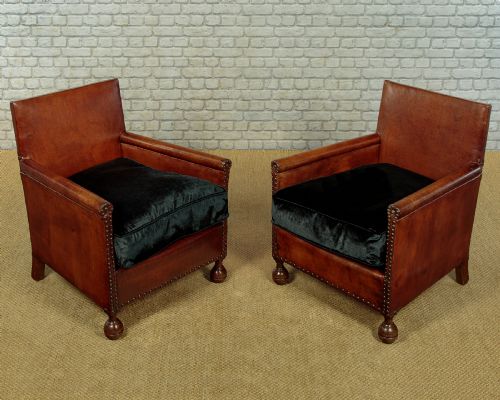
Dining chairs and library armchairs form the most frequent encounters on this page, often constructed in mahogany, walnut or oak. The upholstery brings a soft texture to frames originating from Georgian, Regency and Victorian workshops.
Materials and construction
Timbers such as mahogany, walnut and oak provide the structural framework for these seats, frequently shaped through turning, carving or inlay. Brass hardware and cane work occasionally supplement the primary woods in specific pieces.
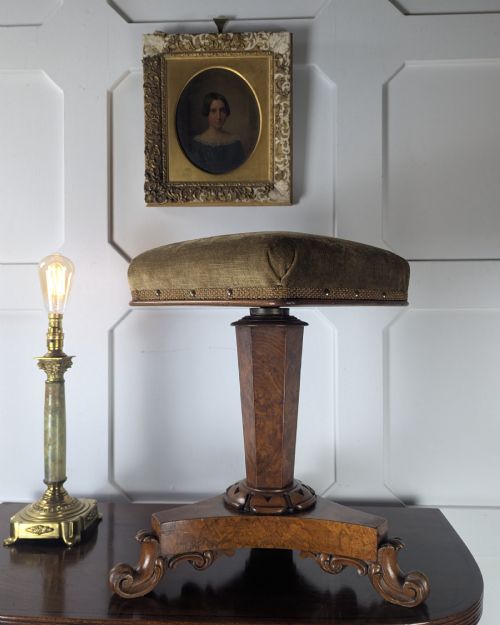
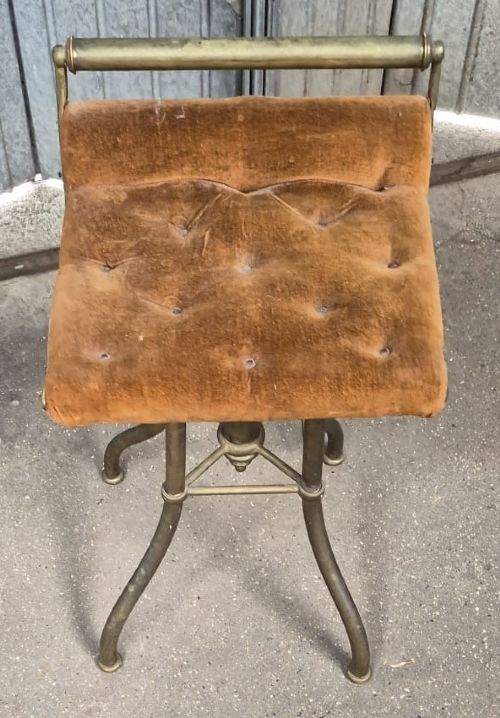
Textile upholstery, specifically velvet, is secured over padded foundations within dining chairs, piano stools and settees. The combination of dense hardwood frames and soft fabric creates durable seating designed for daily use.
Listings span eight distinct periods from the 18th century up to 1930, utilising mahogany, walnut, oak, and brass.
Distinctions in quality
The degree of hand-carving and timber selection separates standard production from exceptional examples, particularly in matched sets of dining chairs. Figured veneers and intricate frame details indicate higher workshop ambition.
Proportion and structural integrity define the better pieces, where joinery remains tight and the timber displays deep natural grain. The quality of the upholstery execution aligns with the craftsmanship of the underlying wooden frame.
Strahan·James Shoolbred
The Brown Velvet Seats Glossary
- Balloon-back
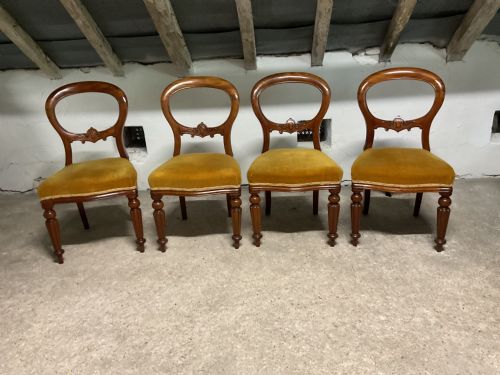
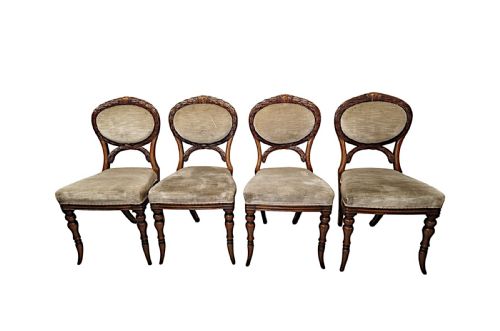
- A chair design featuring an oval or curved backrest resembling a balloon, popular in the Victorian period. This form is frequently found paired with upholstered seats.
- Carver
- An armchair designed to match a set of single dining chairs, usually placed at the head of a table. These pieces often feature open arms.
- Bergere
- An enclosed upholstered armchair with wooden framing, sometimes incorporating cane panels on the sides or back. The style appears in 19th-century and later seating.
- Chaise longue
- An upholstered long chair intended for reclining, combining elements of a sofa and a single seat. Late Victorian examples often feature carved walnut frames.
- Drop-in seat
- A removable seat frame padded and upholstered separately before being dropped into a recess in the chair rails. This construction method appears in Regency and earlier seating.
Brown Velvet Seats: Frequently Asked Questions
What periods do these seats come from?
The pieces span the 18th century, Georgian and Regency eras, the Victorian period, and into the 1930s. Each era brings distinct timber choices and carving styles.
Dining chairs and stools appear across multiple centuries, showing how upholstery preferences evolved over time.
Are these seats suitable for daily dining?
Many listings comprise sets of dining chairs constructed from solid mahogany or oak designed for regular use. Sturdy hardwood frames support the upholstered pads.
Care should be taken with antique joint construction and fabric wear when selecting chairs for heavy everyday service.
How do I identify a Victorian chair?
Victorian pieces often feature balloon backs, carved walnut frames, or heavy upholstery details typical of mid to late 19th-century production. Rosewood and mahogany are also common timbers from this era.
Proportions tend to be robust, and decorative elements reflect revival styles popular during the reign.
What woods were used for the frames?
Mahogany, walnut and oak predominate across the listings, supplemented by occasional rosewood and general hardwood timbers. These woods provided the structural strength needed for chairs and sofas.
Figured walnut and inlaid mahogany frequently appear on pieces intended for formal reception rooms.