

Brown Vanity Mirror
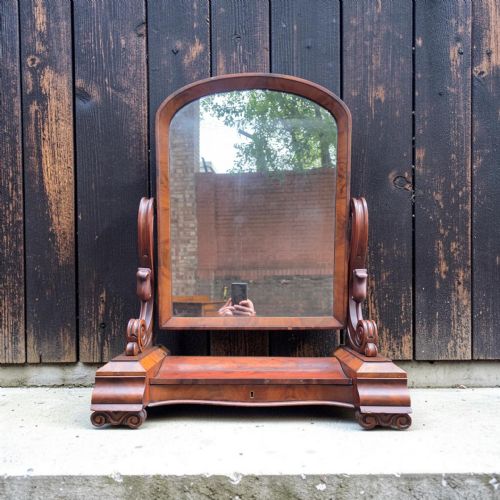
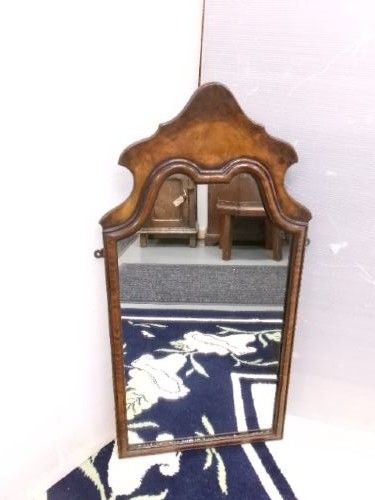
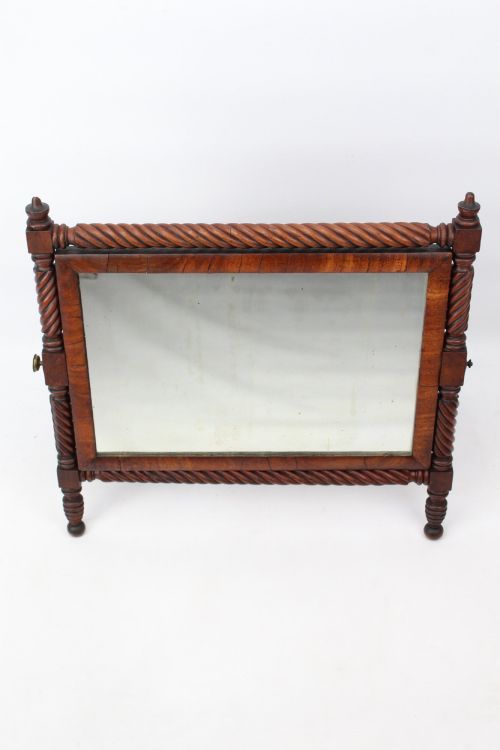
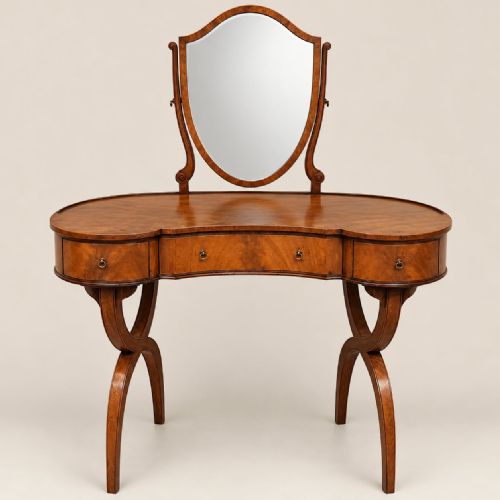
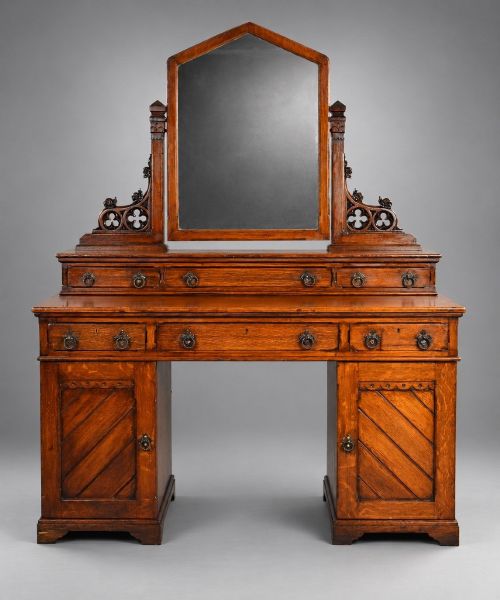
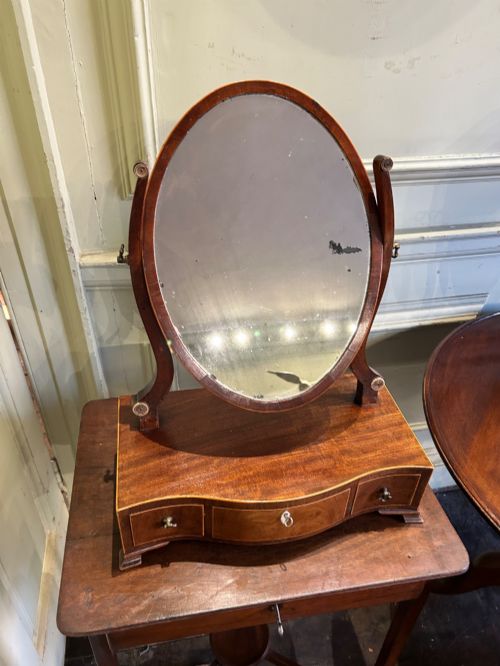
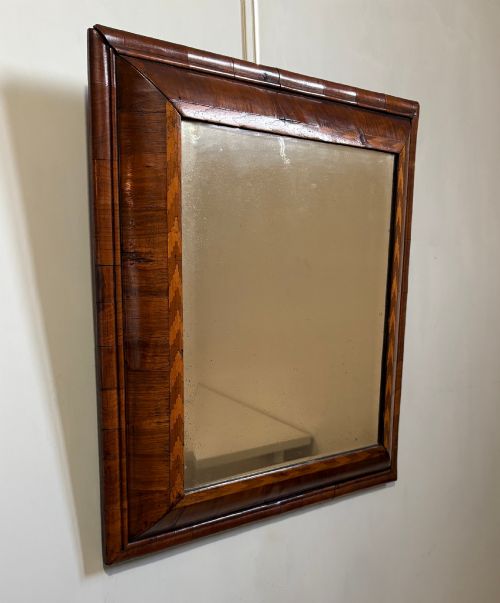
A brown vanity mirror provides a functional centrepiece for a dressing room, combining warm timbers with practical glass.
Brown Vanity Mirror
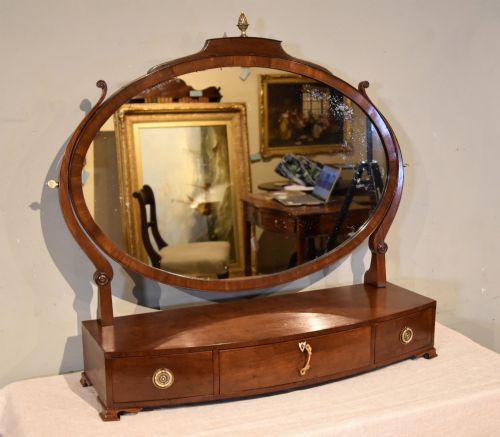
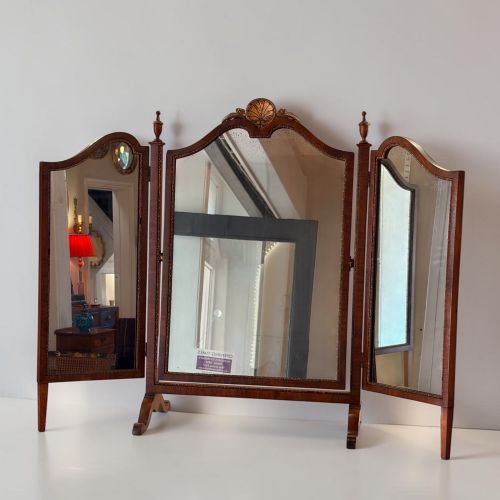
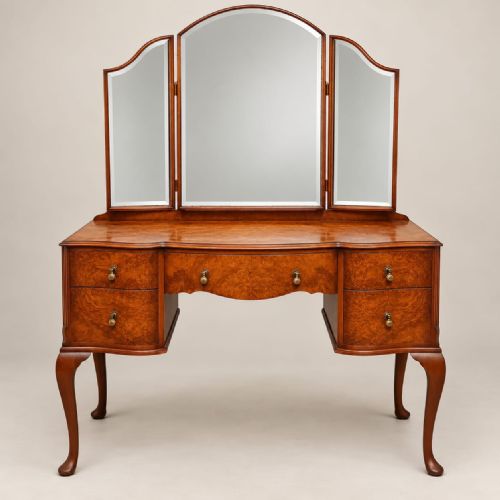
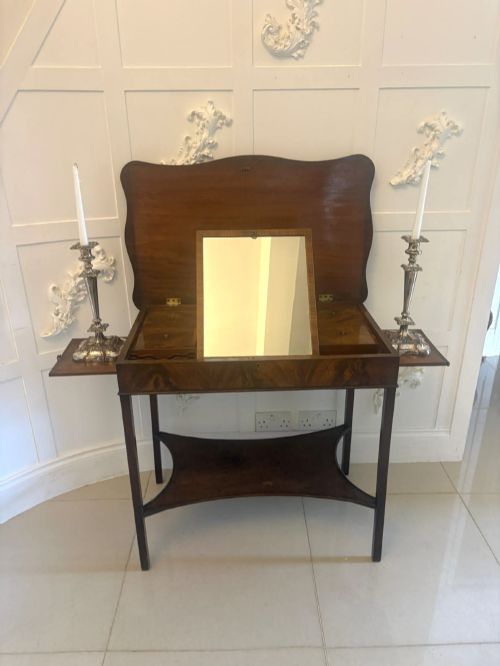
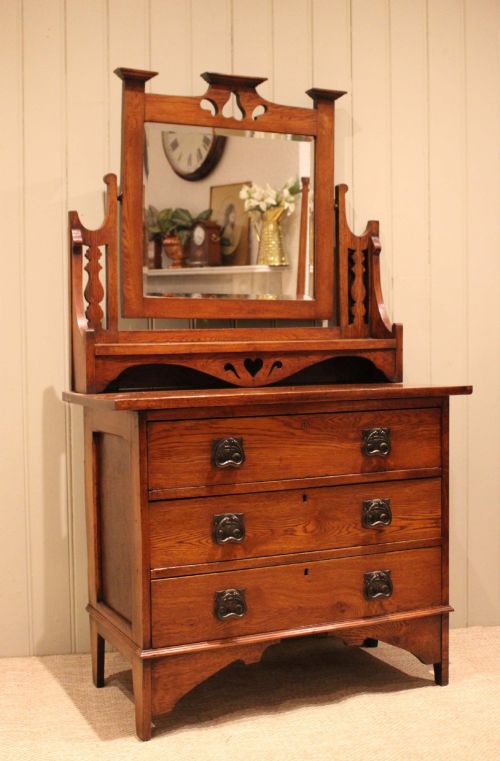
Tabletop models with pivoting frames and small drawer bases sit alongside larger cheval mirrors and complete dressing chests. Regional variations such as Anglo-Indian, Dutch, and Italian craftsmanship also surface amongst the traditional English pieces.
Materials and construction
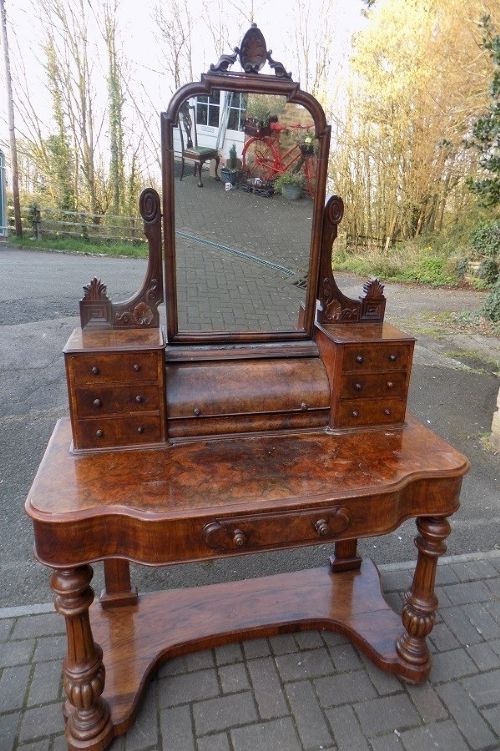
Frames rely heavily on solid timbers and veneers of mahogany and walnut, often enhanced by burr walnut figures, laburnum, or bone inlay. Cabinetmakers utilised dovetail joints for the small drawer bases attached to toilet mirrors, ensuring sturdy construction for daily use.
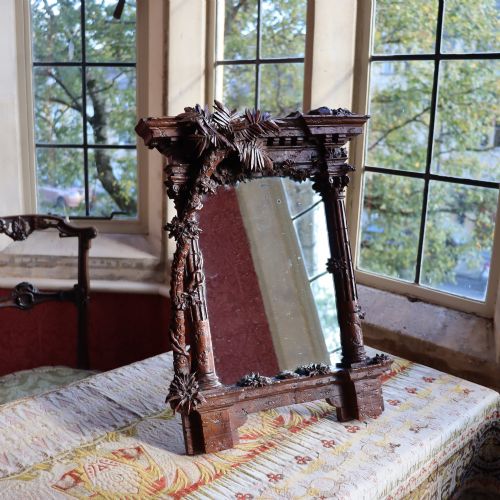
Glass plates are held within adjustable frames supported by brass pivots or turned wooden arms, allowing the user to tilt the reflective surface. Ornate examples incorporate carved lime wood, ormolu mounts, or fretted scrollwork, while simpler items depend on clean mahogany profiles.
Brown Vanity Mirror Retail Price Guide 2026
Typical asking prices for brown vanity mirror among the pieces listed under this phrase on Sellingantiques today, from the lower quarter to the upper quarter. They describe what is for sale here now, not the wider market.
Listings include portable table mirrors with bureau fitments alongside large floor-standing cheval mirrors housed in mahogany and walnut.
Quality and craftsmanship
The depth of figure in the timber veneer separates standard examples from exceptional pieces, with burr walnut and figured mahogany commanding attention through their rich grain patterns. Finely executed hand-carvings, such as those found on Swiss or Georgian frames, demonstrate superior artisan skill compared to mass-produced alternatives.
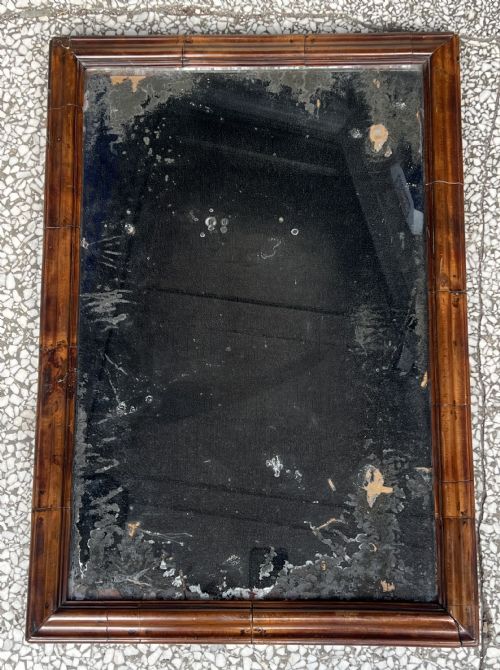
Originality of the glass plate and the retention of period brass hardware greatly influence a piece's integrity. Well-balanced proportions in the support arms and smooth action in the pivoting mechanism indicate thoughtful design and careful historical maintenance.
Shapland and Petter·Heal and Sons
The Brown Vanity Mirror Glossary
- Cheval mirror
- A freestanding full-length mirror mounted on a vertical swivel frame between four pillar supports.
- Toilet mirror
- A small tabletop mirror, frequently fitted with a small chest of drawers beneath the frame, designed for a dressing table.
- Triptych mirror
- A three-panel mirror where the outer two wings angle inward to provide side reflections.
- Ormolu
- Gilt bronze mounted onto furniture or mirror frames for decorative enrichment.
- Serpentine front
- A convex-centre furniture front flanked by concave curves, often seen on Georgian drawer bases.
Brown Vanity Mirror: Frequently Asked Questions
Where were toilet mirrors placed?
Toilet mirrors sat atop dressing tables, chests of drawers, or dedicated washstands in bedrooms and dressing rooms. They provided the necessary height for morning routines before fitted wall mirrors became common.
Their portable nature allowed owners to move them near windows to capture optimal daylight for grooming and dressing.
How do I date a mahogany mirror?
Dating relies on timber selection, edge profiles, and the construction methods used in any underlying drawer boxes. Georgian examples often display fine mahogany veneers and simple hand-cut dovetails.
Later Victorian and Edwardian pieces frequently feature heavier mouldings, machine-sawn elements, and richer decorative inlay or carving styles characteristic of the turn of the twentieth century.
What is a triptych mirror?
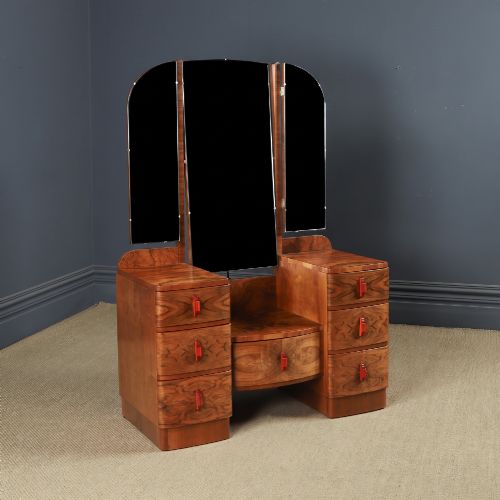
A triptych mirror consists of three hinged panels that allow the user to adjust the side glasses angles. This multi-panel arrangement became particularly popular during the Art Deco period.
It offered practical versatility for viewing profiles and hairstyles from multiple directions simultaneously while sitting at a vanity.
Can these mirrors be adjusted?
Most period tabletop and dressing mirrors use brass screw pivots or wooden side arms designed to tilt the glass frame. Tightening or loosening these fittings allows the mirror to hold a preferred angle.
Original hardware should move smoothly without placing undue stress on the wooden tenons holding the frame.