
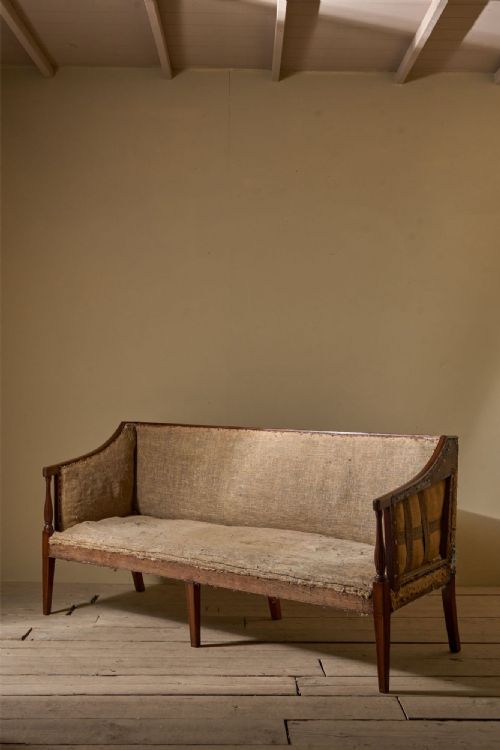
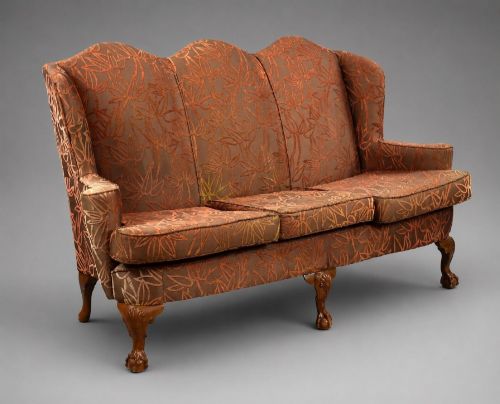

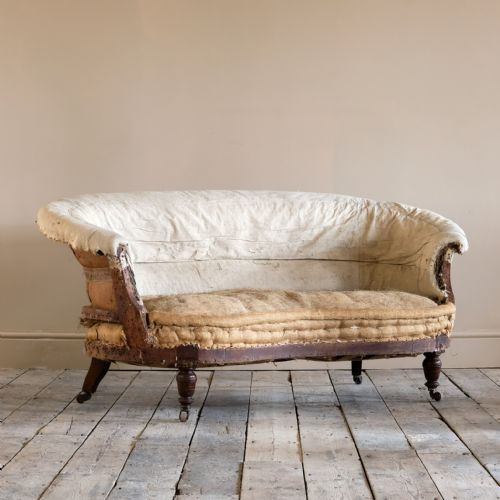


Brown Upholstered Settee
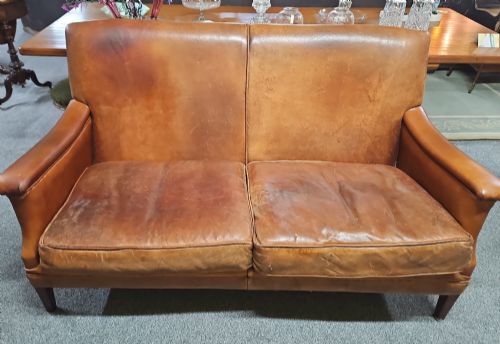
A brown upholstered settee brings warmth and traditional comfort to a room, offering generous seating rooted in centuries of cabinet-making history.
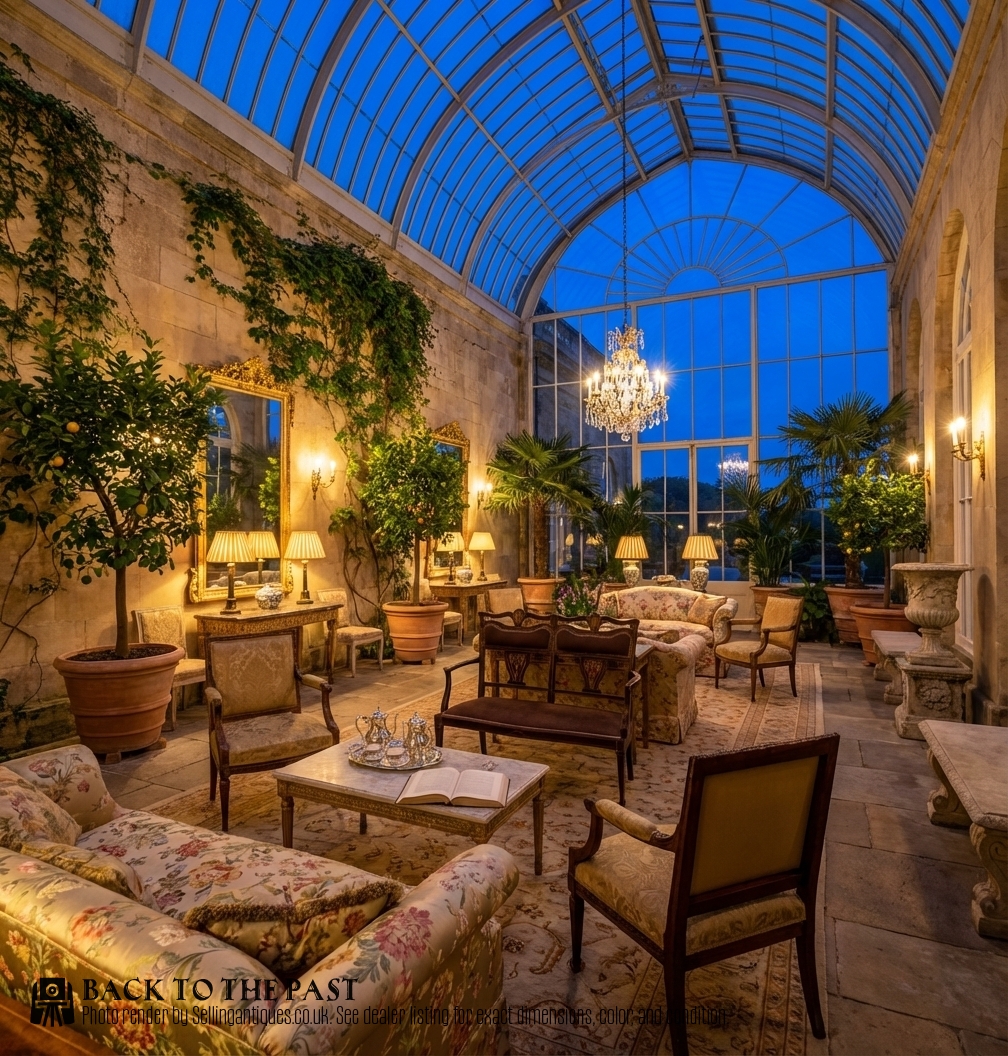
Brown Upholstered Settee
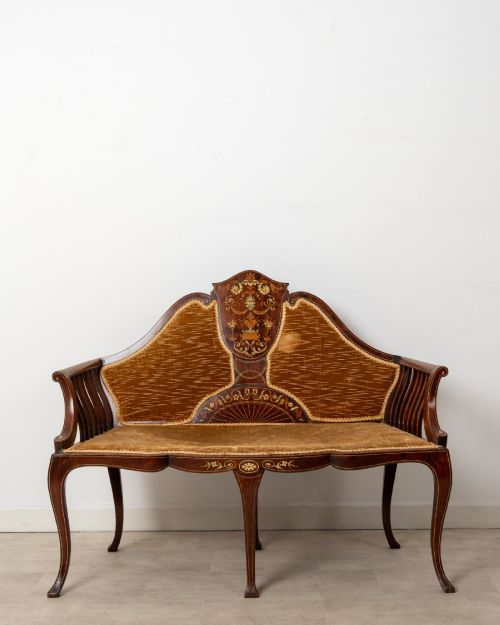
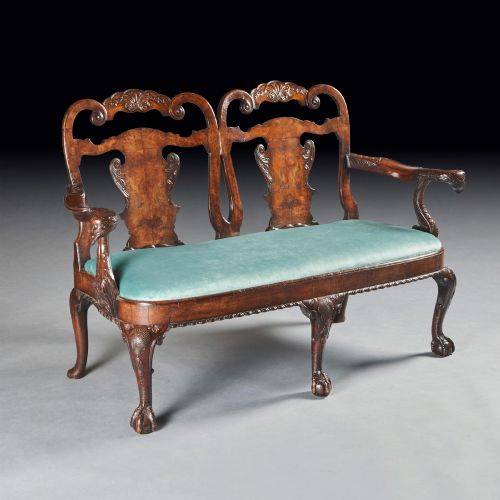
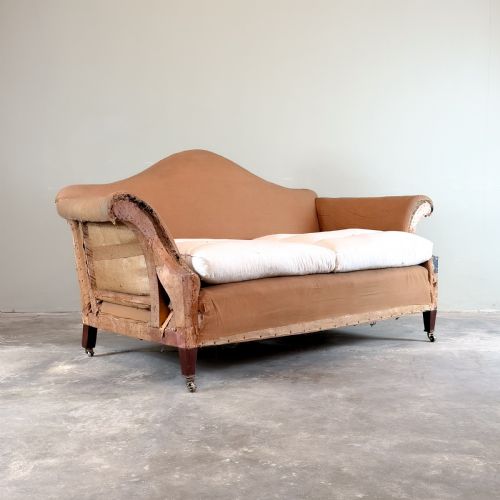
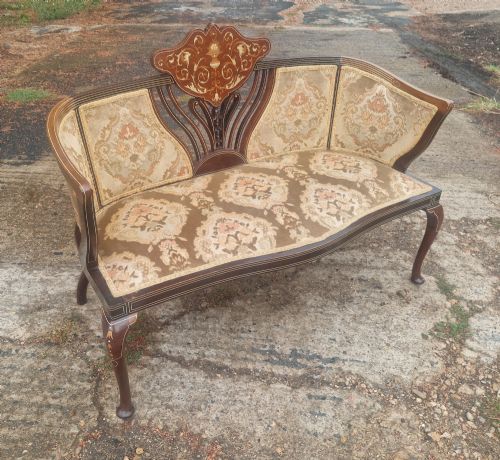
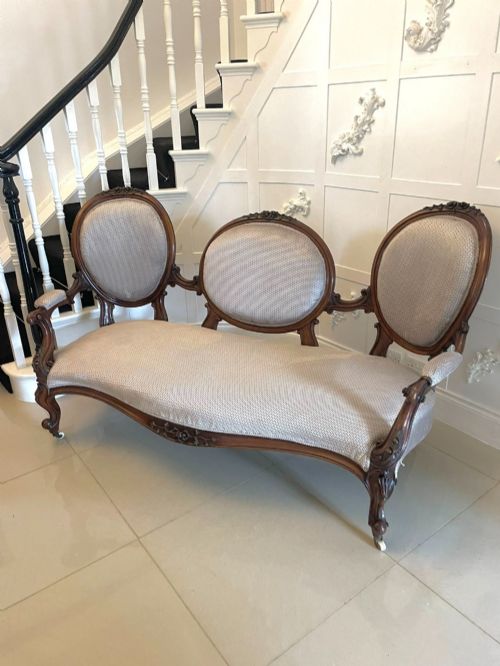
A brown upholstered settee represents a diverse category of antique and vintage seating, encompassing styles from the eighteenth century through to the Edwardian period and the early twentieth century. When exploring these listings, buyers encounter various forms including camel back sofas, twin chair back designs, drop end pieces, and window seats.
The materials span rich woods such as mahogany, walnut, satinwood, and rosewood, paired with tactile coverings like velvet, leather, and fabric. These settees originate from numerous design traditions, including Chippendale, Queen Anne, Regency, and Carolean styles, alongside country house and French aesthetic influences.
How they were made
Frames rely on solid hardwoods like mahogany and walnut, frequently shaped through carving, turning, or inlay work to define the distinct period styles. Structural support often incorporates traditional joinery alongside brass accents and wooden spindles.
Upholstery techniques utilise fabrics such as velvet, leather, satinwood elements, and hessian for foundation layers. Skilled craftspeople shaped the cushions and backs to provide both durability and comfort.
Listings feature mahogany, walnut, rosewood, and satinwood frames paired with velvet, leather, and hessian upholstery across various historical periods.
What varies in quality
Quality reveals itself in the crispness of the wood carving and the precision of any inlay work upon the frame. Finer examples display harmonious proportions and careful selection of timber grain.
The integrity of the underlying construction and the execution of period styling distinguish more accomplished pieces from simpler workshop productions.
C. Hindley & Sons·Hampton & Sons·Morison & Co
The Brown Upholstered Settee Glossary
- Camel back
- A serpentine sofa back profile that rises in a gentle curve resembling a camel's hump. This characteristic eighteenth-century shape creates an elegant silhouette.
- Drop end
- A sofa design featuring one or both arms hinged to lower into a flat position. This mechanism allows the seating to function as a daybed or chaise longue.
- Bergere
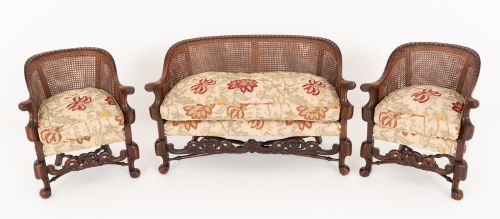
- An enclosed upholstered armchair or settee with exposed wooden framing and woven cane panels. It originated in France and remains popular for its light appearance.
- Inlay
- A decorative technique where contrasting woods or materials are set flush into the wooden surface of the frame. This adds intricate linear or botanical patterns.
- Spindle back
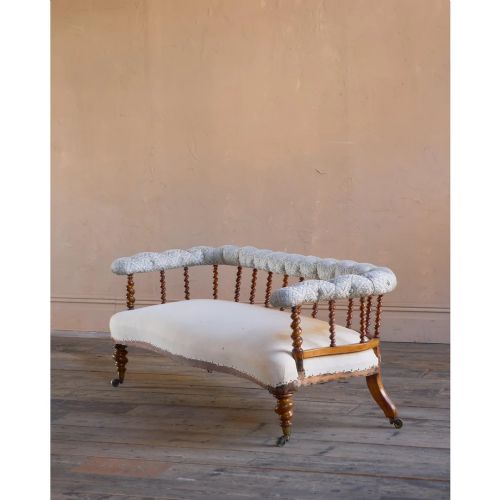
- A chair or sofa back composed of numerous turned wooden rods. It provides sturdy vertical support while maintaining an open, airy aesthetic.
Brown Upholstered Settee: Frequently Asked Questions
What periods do these settees come from?
The selection spans from the eighteenth century through the Victorian and Edwardian eras up to the early twentieth century. Each era brings distinct proportions and decorative treatments.
Craftsmanship evolved across these decades, shifting from formal Georgian and Regency aesthetics toward lighter Edwardian and revival styles.
How do I choose between different wood frames?
Consider the primary wood visible in the frame, such as rich mahogany, figured walnut, or rosewood. Each timber offers a distinct tone and grain pattern that anchors the piece visually.
Darker woods often suit traditional libraries and formal drawing rooms, while lighter satinwood or inlaid details bring brightness to residential spaces.
Are these settees suitable for daily use?
Many antique settees provide sturdy seating, though comfort levels depend on the original padding and internal construction. Some pieces are offered specifically for reupholstery.
Checking the depth and back height helps ensure the seating aligns with modern relaxation preferences while retaining historic character.
What is the difference between a settee and a sofa?
Historically, these terms were used interchangeably to describe upholstered seating for multiple people. Settees sometimes lean towards lighter, wooden-framed designs with exposed structure.
Both forms appear across similar periods and styles, functioning equally well as statement seating or functional living room furniture.