


Late Victorian Settee
A late victorian settee brings comfortable seating and period character to a room, offering diverse styles from salon suites to window seats.
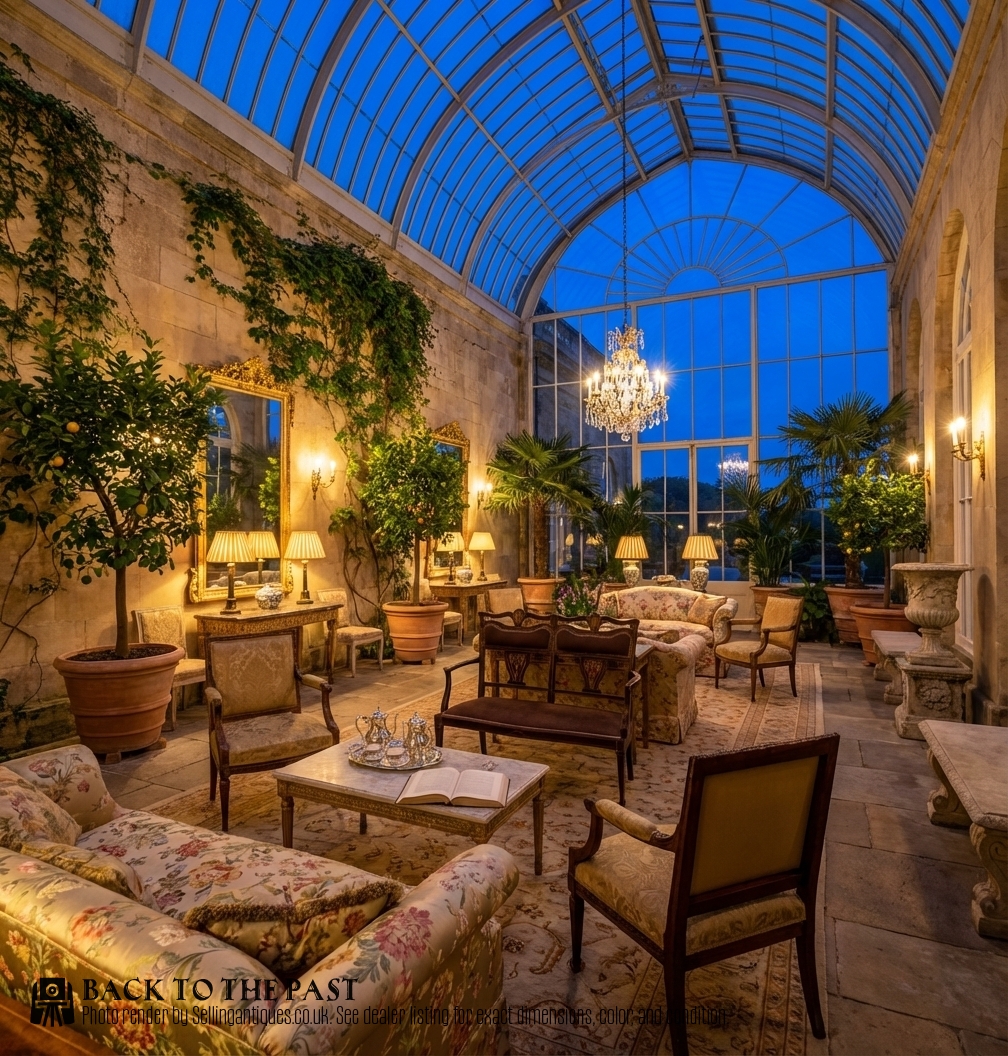
Late Victorian Settee
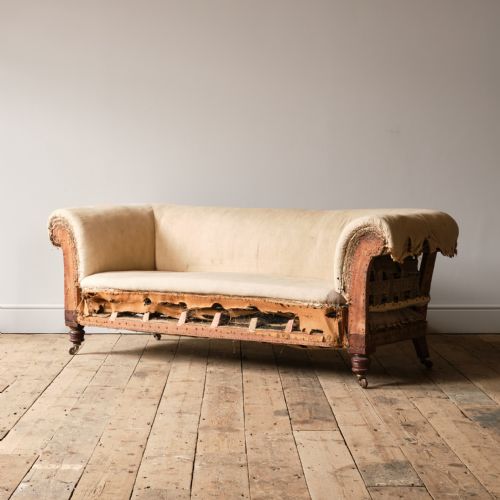
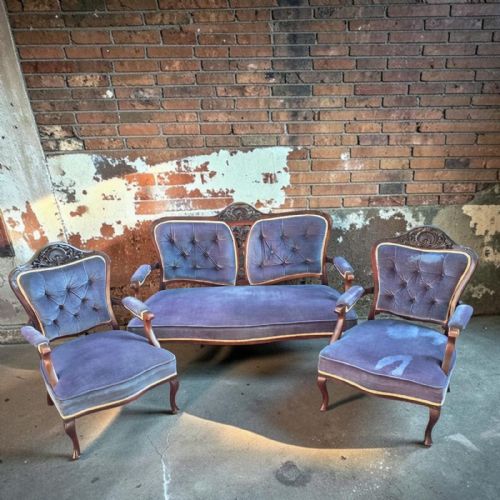
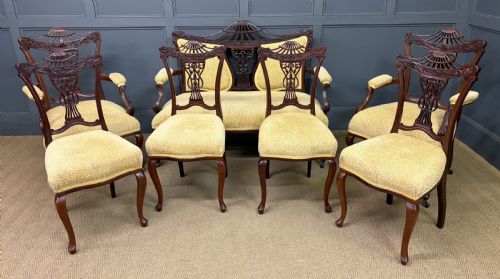
When you search for a late victorian settee, you encounter an array of seating options ranging from intimate two-seater sofas and boudoir settees to larger salon suites and hall benches. These pieces emerge from the late nineteenth century, spanning decades that embrace both traditional forms and revivalist movements.
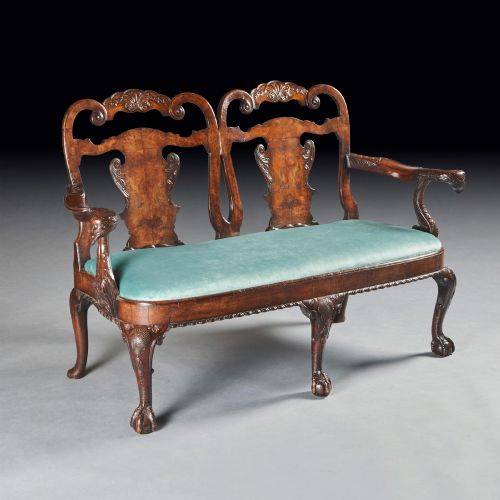
The pieces on this page include walnut and mahogany frames, alongside specialised forms such as chaise longues, day beds, and camel back settees. You find both inlaid show-wood frames and fully upholstered designs intended for drawing rooms, bedrooms, and halls.
Materials and construction
Cabinet makers of the period utilised hardwoods such as mahogany, walnut, oak, rosewood, and satinwood to construct sturdy frames. These timbers often featured carved details or delicate contrasting stringing and marquetry inlay.
Comfort relied on traditional upholstery methods, employing materials like fabric, velvet, and specialised upholstery fabrics to cover sprung or padded seats. Brass fittings occasionally appear on castors or decorative mounts.
Listings feature woods such as mahogany, walnut, oak, rosewood, and satinwood across various forms including settees, chaise longues, and salon suites.
Factors of quality
The distinction between ordinary and superior pieces rests in the execution of the timber work and the intricacy of the inlay. Hand-carved details and carefully selected grain patterns on woods like satinwood or mahogany elevate a piece significantly.
Proportion and structural integrity also dictate worth, where balanced dimensions and robust joinery distinguish a grand salon sofa from standard domestic seating.
Butlers of Dublin
The Late Victorian Settee Glossary
- Inlay
- A technique where pieces of contrasting wood or other materials are fitted into a recess on the surface to form a decorative pattern. This adornment frequently defines the aesthetic of late nineteenth-century cabinet work.
- Chaise Longue
- An upholstered long chair or day bed designed for reclining, combining the backrest of a sofa with the seat of a chair. These pieces often feature in bedrooms or boudoirs.
- Salon Suite
- A matched set of seating furniture, typically comprising a settee and matching chairs designed for a formal drawing room. They display uniform wood types and decorative motifs.
- Settle
- A wooden bench with high back, solid arms, and often a storage compartment beneath the seat. Versions from this era adopt revivalist gothic or carved oak aesthetics.
Late Victorian Settee: Frequently Asked Questions
What is a late victorian settee?
A late victorian settee is a nineteenth-century upholstered or wooden seat designed for two or more people, encompassing styles from button-backed couches to inlaid mahogany salon sofas.
These pieces reflect the eclectic design tastes of the late eighteen-hundreds, drawing on Georgian, Sheraton, and Gothic revival influences.
Where should I place a settee?
A settee fits well in a living room, a large hallway, or at the foot of a bedroom bed as a functional decorative element.
Smaller boudoir settees and chaise longues suit dressing rooms or reading corners where space is limited.
How do I identify a revival style?
Revival styles borrow decorative vocabulary and structural forms from earlier eras, such as Sheraton, Chippendale, or George II designs, reinterpreted by late nineteenth-century makers.
Examining the timber characteristics and joinery helps distinguish these later interpretations from genuine older pieces.
What woods were commonly used?
Makers of this era favoured dense hardwoods including mahogany, walnut, oak, rosewood, and satinwood for visible frame construction.
These timbers were frequently polished to a high sheen or enhanced with marquetry and decorative inlay.