



Antique Painted Sofa
An antique painted sofa brings continental elegance and hand-finished colour into a room, offering both seating and sculptural presence.
Antique Painted Sofa
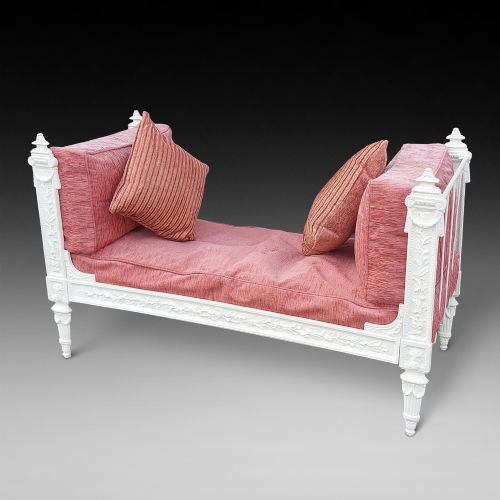
An antique painted sofa is a seating piece with a decorated wooden frame, encompassing styles from French chateaux to Scandinavian country interiors. These pieces range from compact window seats and daybeds to larger settees featuring carved woodwork.
Buyers seeking an antique painted sofa encounter pieces originating primarily from the eighteenth, nineteenth, and early twentieth centuries. French Louis XVI and Swedish Gustavian designs appear frequently, alongside English satinwood and regional continental interpretations.
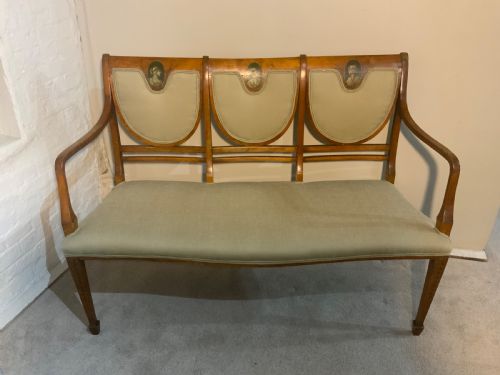
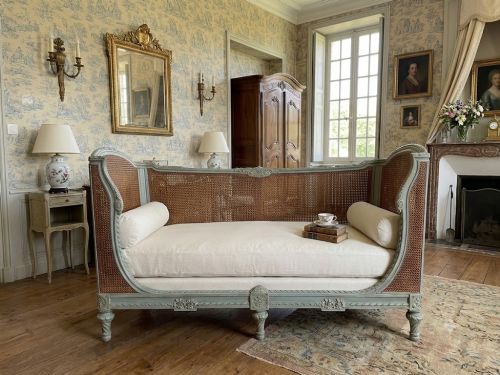
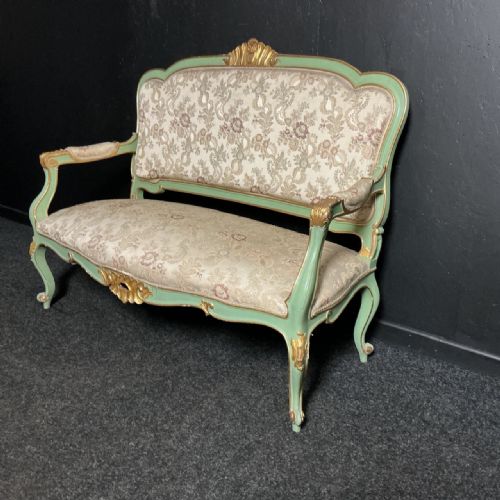
The primary forms include double and triple-back settees, canework daybeds, and upholstered couches designed for principal rooms or boudoirs. Their timber frames receive historic decorative treatments, distinguishing them from unpainted brown furniture.
Materials and Construction Methods
The construction relies on sturdy timbers such as pine, beech, and satinwood, shaped into frames with mortise and tenon joints. Caning is frequently integrated into backrests and seats, woven from natural materials to provide flexible support.
Surfaces are finished with layers of paint, gesso, and sometimes gilding, applied over the timber base. Upholstery materials include linen, fabric, and traditional needlepoint tapestry, secured over horsehair or similar stuffing.
Listings feature pieces spanning the 18th, 19th, and early 20th centuries, utilising materials including pine, beech, cane, and painted wood.
Distinctions in Execution and Age
Quality rests in the crispness of the hand-carved detail on the wooden frame and the integrity of the original painted surface. Pieces retaining their early or original paint layers command greater interest than those subjected to modern repainting.
Structural refinement shows in the balance of proportions, such as fluted legs, cabriole supports, and the tight weave of integrated canework. Finer examples display harmonious decorative motifs that reflect the specific regional design traditions of their period.
The Antique Painted Sofa Glossary
- Canapé
- A traditional French term for a decorative sofa or settee, usually featuring an exposed wooden frame. These pieces often display neoclassical or Louis-style carving.
- Gustavian
- A Swedish neoclassical style originating in the late eighteenth century, characterised by pale painted finishes and restrained proportions. The aesthetic favours light greys, whites, and soft blues.
- Settee
- A medium-length upholstered seat with a back and arms, designed for multiple occupants. It occupies a scale between an armchair and a full sofa.
- Polychrome
- Decorated in multiple colours, often referring to painted wooden surfaces or gilded highlights on antique furniture. This technique adds depth and visual interest to carved details.
- Bergère
- An enclosed upholstered armchair or settee with upholstered sides, popular in eighteenth-century French design. The wooden frame is typically exposed and painted.
Antique Painted Sofa: Frequently Asked Questions
How do I care for the painted finish?
Maintain the painted surface by dusting gently with a soft, dry cloth without applying modern chemical polishes. Keep the timber away from direct sunlight and excessive humidity to prevent the paint from cracking.
Inspect the surface periodically for minor wear, treating the finish with care to preserve the historic layers underneath.
Where should I place a painted sofa?
These pieces function well in drawing rooms, bedrooms, or large hallways where the decorative frame remains visible. Position the sofa away from heat sources to protect the delicate wood and painted or caned surfaces.
Allow enough surrounding space so the silhouette and carved details can be appreciated from multiple angles within the room.
How do I identify French versus Swedish styles?
French styles like Louis XVI typically feature ornate carvings, fluted legs, and gilded accents designed for formal reception rooms. Swedish Gustavian pieces display simpler, cleaner neoclassical lines with pale, muted paint finishes.
Examining the proportion and structural motifs helps reveal the regional origin of the maker's workshop.
Are these sofas comfortable for daily use?
Many antique settees offer firm support derived from traditional webbing, springs, and stuffing materials. They suit conversation and reading rather than lounging, owing to their upright historic proportions.
Consider the seat depth and back height to ensure the piece meets your practical seating requirements for everyday living.