

Brown Upholstered Footstool
A brown upholstered footstool brings period comfort to a room, offering tactile warmth and low seating through centuries of craftsmanship.
Brown Upholstered Footstool
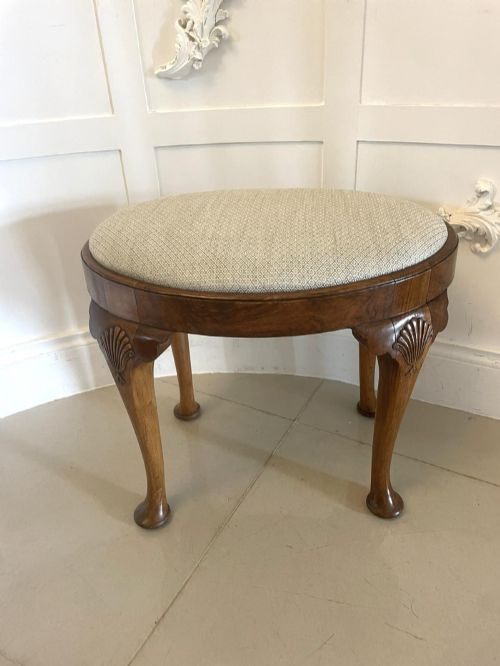
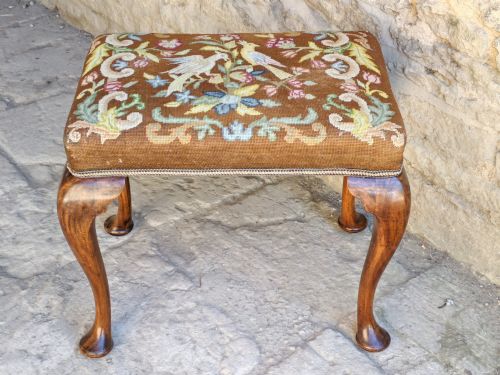
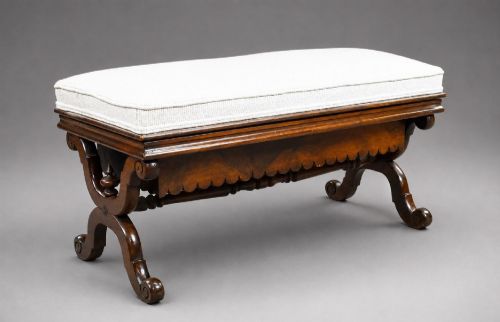
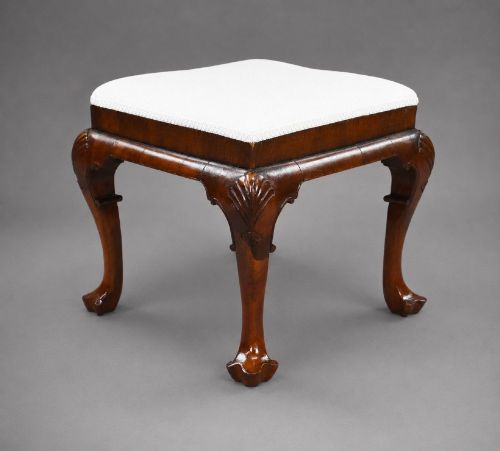
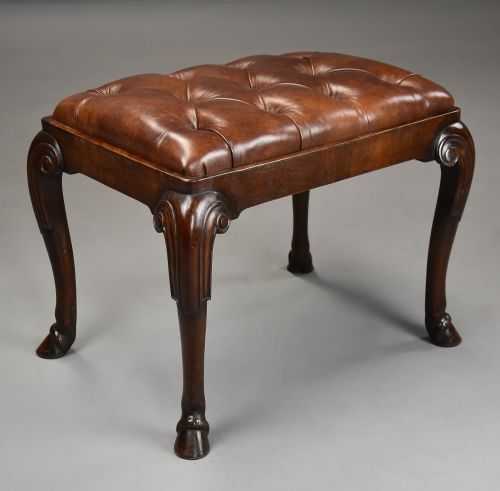
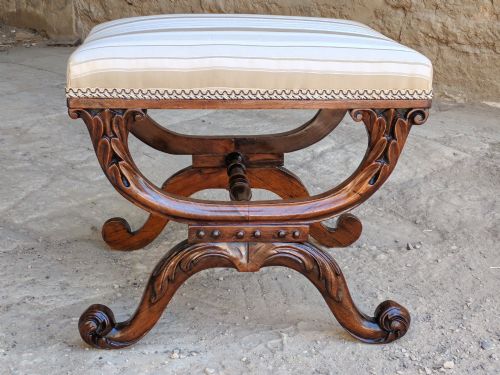
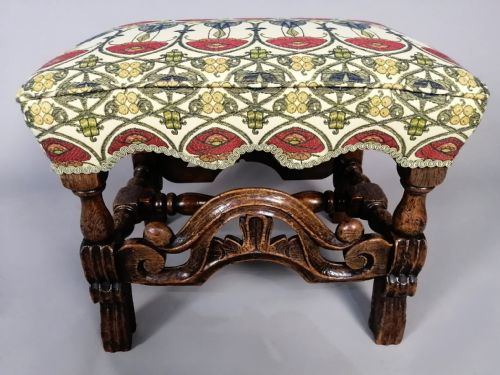
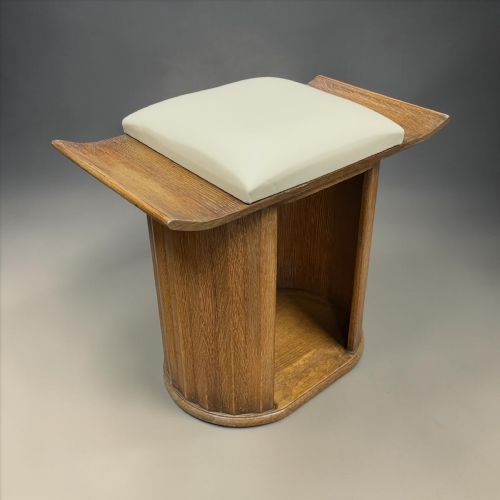
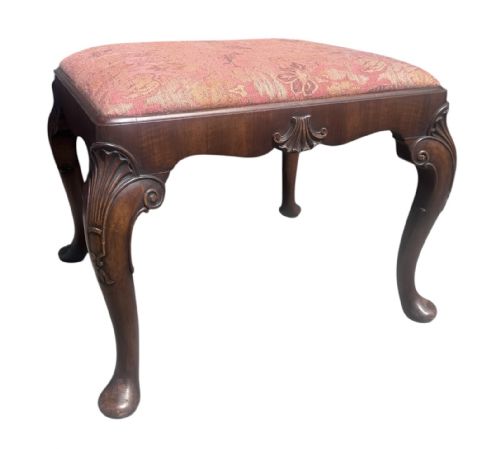
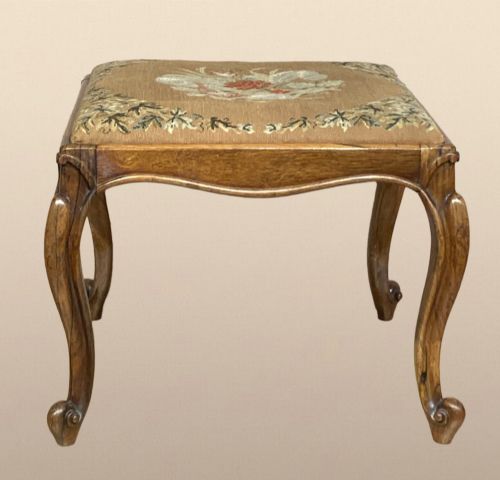
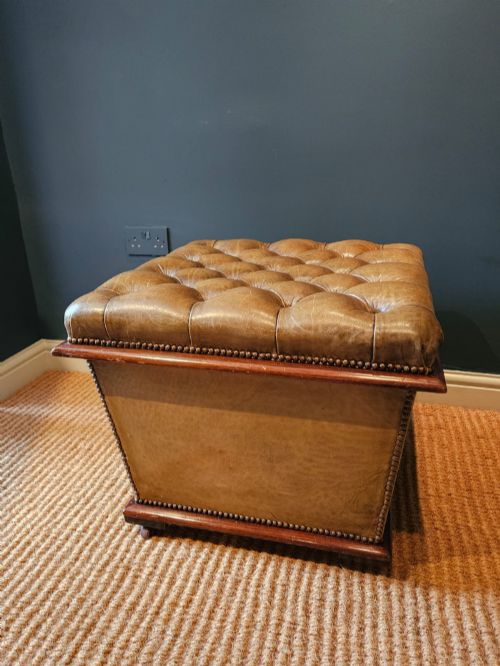
A brown upholstered footstool is a low seating piece designed for resting the feet or serving as a compact seat, appearing frequently in Victorian and early twentieth-century forms. Buyers seeking a brown upholstered footstool will encounter varied configurations, from walnut salon stools and mahogany piano benches to larger leather ottomans with storage.
The selection ranges from compact nineteenth-century dressing stools to substantial Scottish Baronial and Edwardian examples. Walnut and mahogany predominate, often paired with textile, fabric, or leather upholstery to create practical low seating.
Materials and construction
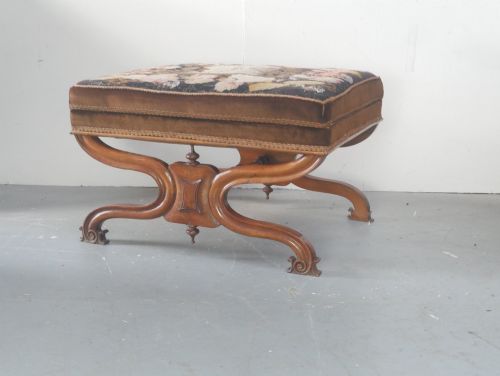
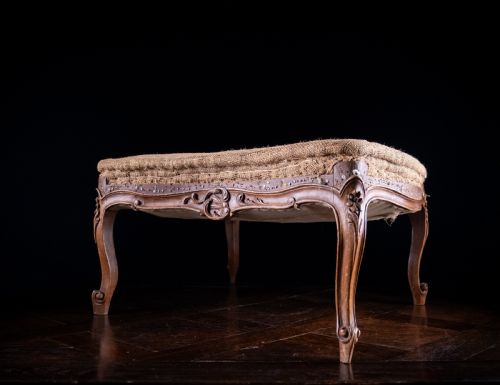
Frames are constructed primarily from timbers such as walnut, mahogany, oak, rosewood, and beech, shaped with traditional joinery and carved details. Stylistic references span Queen Anne, Regency, and Art Deco traditions, utilising cabriole legs, cross stretchers, and x-frames.
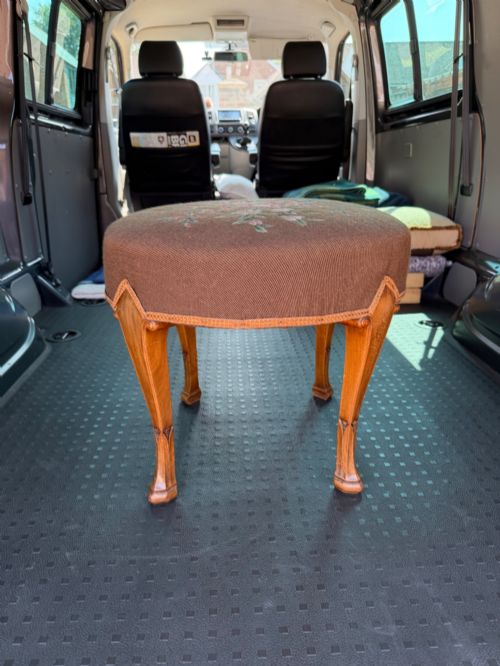
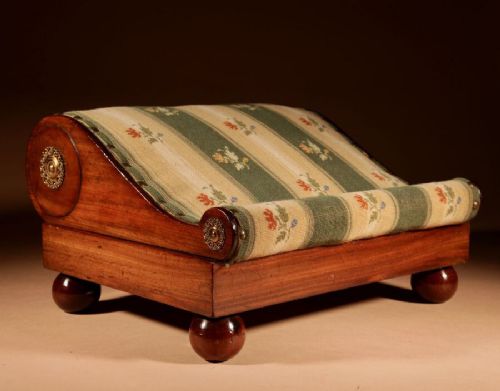
Upholstery incorporates textiles, velvet, needlepoint, and leather, frequently secured with buttoning or brass details. Materials like teak, woven rattan, and zebra hide also appear across the diverse range of forms.
Unusual pieces include zebra hide drum tables and exotic Moorish stools designed for eccentric nineteenth-century interiors.
Assessing quality
Quality rests upon the crispness of timber carving, the structural integrity of joints in woods like walnut and mahogany, and the fidelity of revival styles such as Queen Anne or Louis XV. Higher-grade pieces demonstrate superior timber selection, refined proportions, and careful integration of structural elements like cross stretchers.
The execution of the upholstery, whether buttoned leather, needlepoint, or fabric, determines the refinement of the piece. Superior examples maintain balanced proportions and harmonious materials, reflecting the period aesthetic without clumsy alterations.
The Brown Upholstered Footstool Glossary
- Cabriole leg
- A furniture leg that curves outward at the knee and tapers inward toward the ankle, typical of Queen Anne and eighteenth-century revival styles. This profile adds graceful movement to low seating.
- Cross stretcher
- Horizontal wooden bracing connecting the legs of a stool to provide structural stability. They often feature central turnings or carved details.
- Ottoman
- A low upholstered seat or footstool, sometimes fitted with interior storage beneath a hinged top. These larger forms often feature leather or heavy textile upholstery.
- Needlepoint
- Stitched textile work utilising canvas ground, frequently employed for traditional footstool upholstery. This hand-worked surface introduces colour and texture to the top of the piece.
Brown Upholstered Footstool: Frequently Asked Questions
What periods do these footstools come from?
The pieces span the nineteenth and early twentieth centuries, encompassing Victorian, Edwardian, and Art Deco eras alongside earlier revival styles.
Craftsmanship reflects the prevailing aesthetic of each decade, from heavily carved Victorian walnut to streamlined Art Deco forms.
How were these stools originally used?
They served multiple domestic functions, operating as footrests before armchairs, dressing table seats, piano benches, and library stools.
Larger versions with internal storage also functioned as ottomans for holding linens or books within the parlour or bedroom.
How do I identify a Queen Anne style stool?
Queen Anne style pieces typically feature characteristic cabriole legs that curve smoothly to pad or hoof feet, often executed in walnut.
The silhouette remains relatively unadorned, relying on the flowing lines of the timber frame rather than heavy carving.
Are leather and fabric upholstery both period-correct?
Both leather and fabric upholstery appear across nineteenth-century and early twentieth-century examples.
Buttoned leather suited library and salon environments, while textiles, velvet, and needlepoint were common for domestic dressing and parlour stools.