
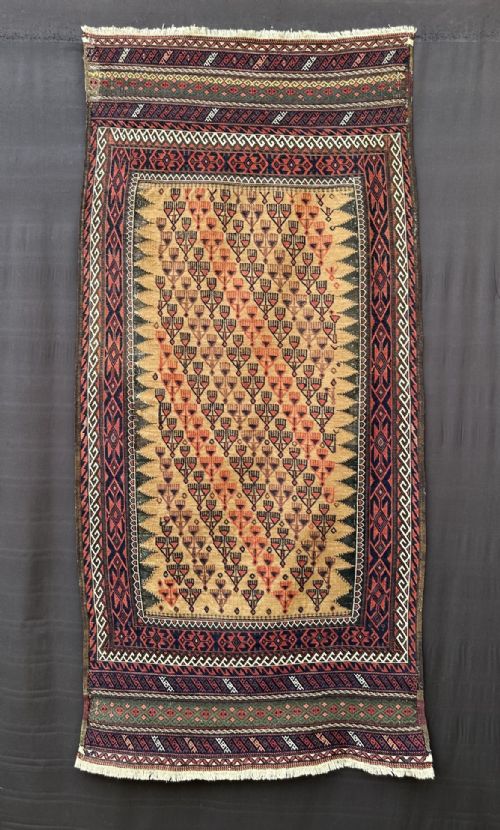
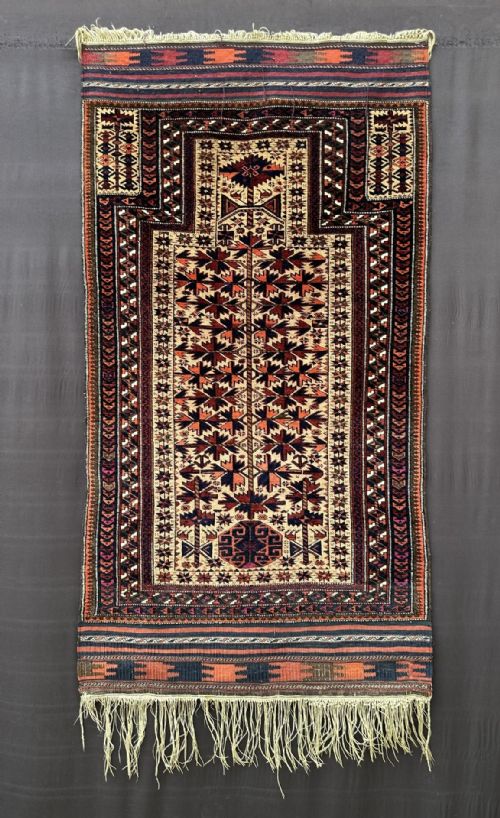


Brown Tribal Rug
When you search for a brown tribal rug, you are stepping into the rich weaving traditions of nomadic and village groups from Persia, the Caucasus, and Central Asia.
Brown Tribal Rug
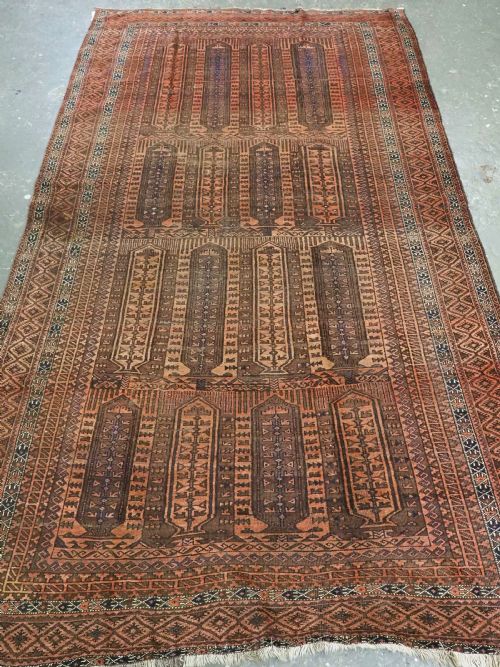
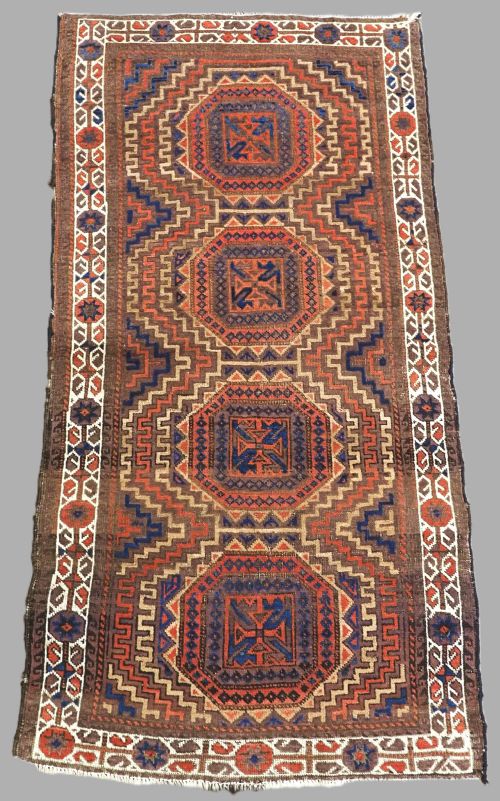
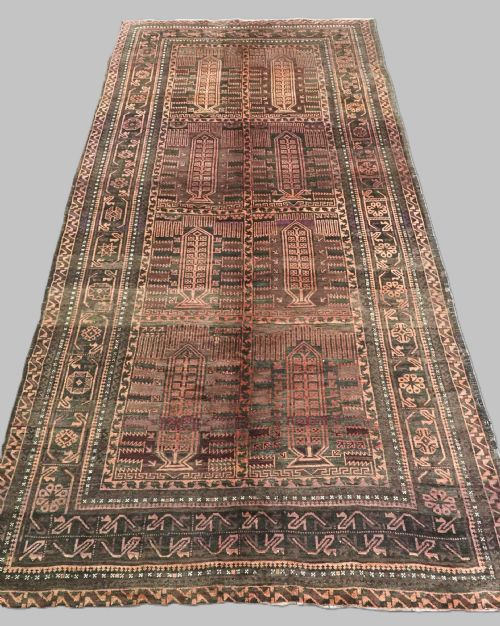
A brown tribal rug embodies the earthy, grounded palettes produced by village and nomadic weavers across Persia, Afghanistan, and Central Asia during the late nineteenth and early twentieth centuries. These textiles span diverse functional forms, including floor carpets, prayer rugs, runner rugs, and storage bags woven for daily tribal life.
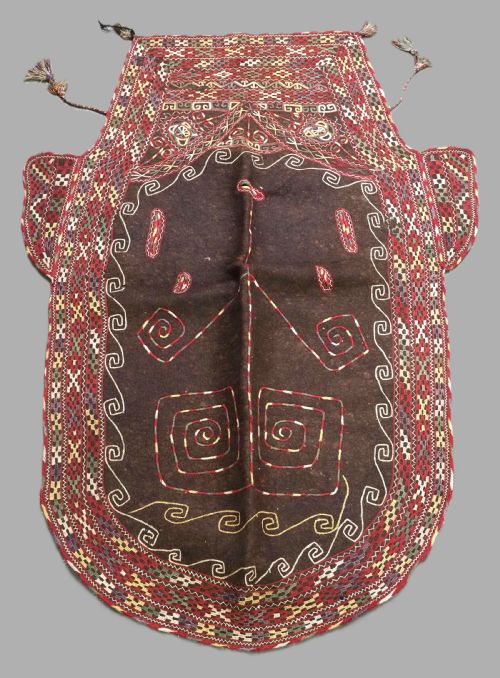
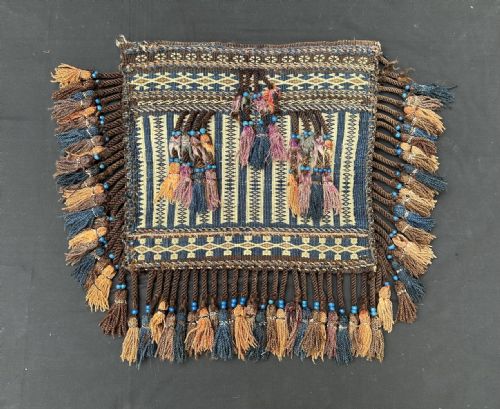
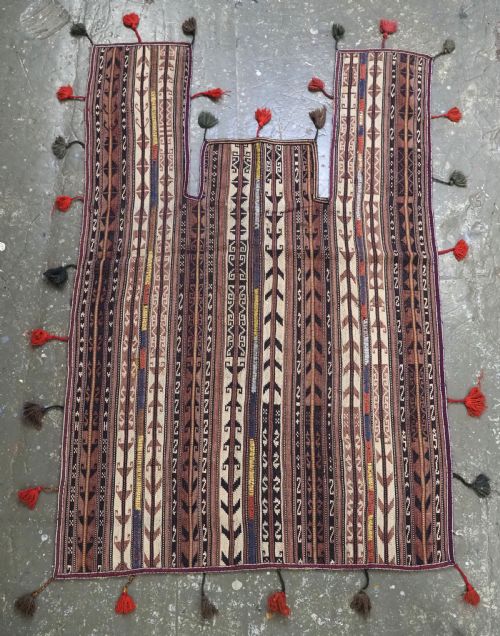
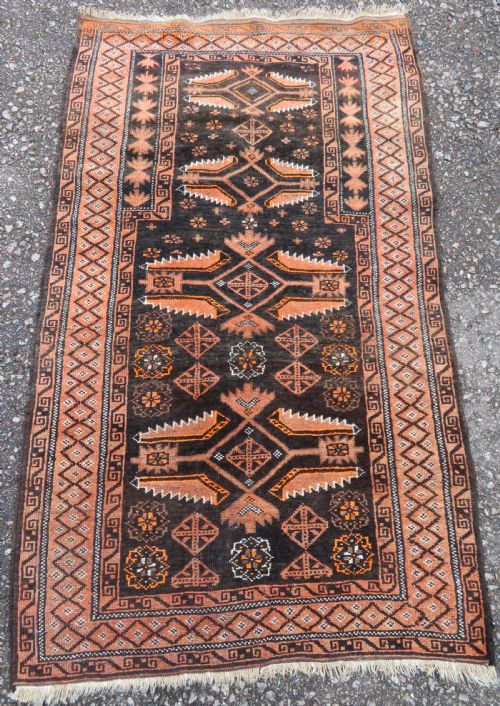
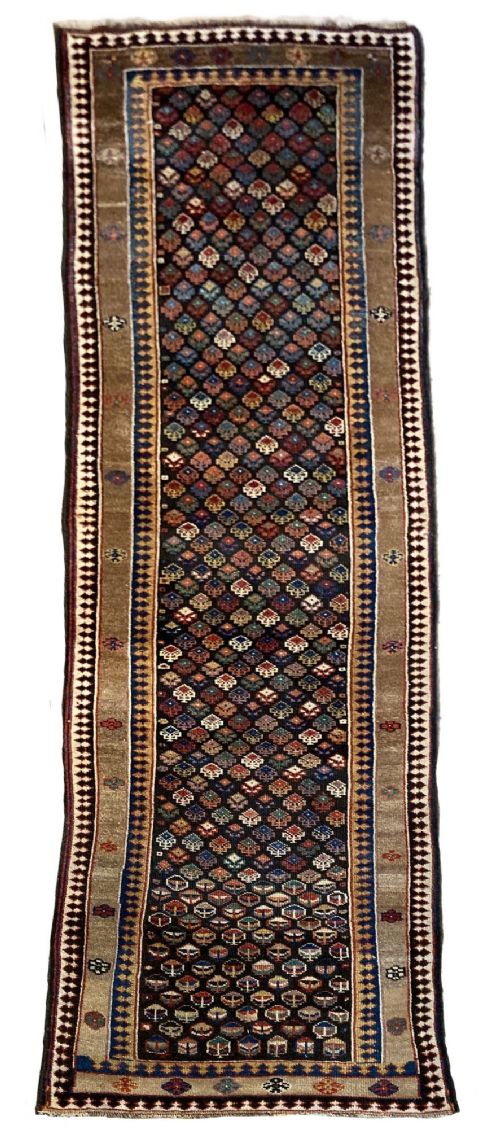
The selections available here reflect distinct regional identities, ranging from Baluch and Timuri floor coverings to Yomut and Saryk Turkmen tent trappings. Buyers will frequently encounter formats like small area rugs and long runners featuring traditional geometric motifs, tribal guls, and mihrab designs.
Beyond standard floor coverings, the category includes functional domestic items such as sofres for dining or bread-making, alongside ceremonial horse blankets and embroidered felt panels. Each piece acts as a physical record of the specific tribal group and borderland territory from which it originated.
How they were made
The construction of these pieces relies primarily on hand-spun wool, often supported by cotton or goat hair foundations, providing a durable structure designed for nomadic utility. Weavers utilised natural dyes to achieve deep, varied shades of brown and complementary earth tones that soften gracefully over time.
Certain textile forms incorporate specialised techniques such as flatweave kilim structures, mixed technique camel wool weaving, and embroidered felt panels utilising applied fringe. These distinct methods reflect the specific material resources available to each tribal group, from mountain pastures to lowland river valleys.
Several nomadic storage bags survive complete with their original backs, having spent a century safely stowing away family treasures.
What varies in quality
The preservation of original structural elements, such as long kilim ends, complete backs on bags, and intact borders, significantly influences the overall integrity of the textile. Variations also emerge from the quality of the wool used, with hand-spun fleeces providing superior tactile depth compared to later commercial yarns.
The Brown Tribal Rug Glossary
- Gul
- A repeating medallion or floral-like octagonal motif frequently found in Turkmen and Central Asian tribal weaving. These designs often identify the specific clan or tribe that produced the textile.
- Sofre
- A flatwoven or pile-woven spread utilised for dining, serving bread, or handling flour within nomadic households. They present striking minimalist or geometric fields.
- Mihrab
- An arched architectural niche design represented on prayer rugs, pointing the worshipper toward Mecca during daily prayers. Afghan and Persian tribal weavers executed these with single or multiple arches.
- Mafrash
- A large rectangular storage bag or bedding chest panel woven in flatweave or pile techniques by Yomut and other tribes. These pieces display bold banded patterns designed for transport on pack animals.
- Gabbeh
- A coarse, thick-piled rug traditionally woven by nomadic groups for personal floor use rather than trade. They are celebrated for their open, abstract fields and rich saturation of natural wool colours.
Brown Tribal Rug: Frequently Asked Questions
How were these tribal rugs used?
Nomadic and village weavers produced these textiles for practical daily life, utilising them as floor coverings, sleeping mats, and heavy blankets inside tents. Smaller bags and torbas served as functional storage containers for household possessions during seasonal migrations.
Specialised pieces like sofres were laid out for sharing meals or preparing bread, while others functioned as prayer rugs for daily worship. Ceremonial items, including embroidered horse blankets, played an important role in tribal rituals and celebrations.
Where did these brown rugs originate?
The pieces originate from diverse tribal confederations and borderlands across Persia, Afghanistan, and Central Asia. Regions such as the Fars province in south-west Persia and the mountainous terrain of the Caucasus yielded distinct regional styles.
Weavers belonged to specific groups like the Baluch, Timuri, Yomut, Saryk, and Kurdish tribes. Each group maintained distinct weaving traditions, local motifs, and material resources tied to their specific geographic territory.
How do I care for an antique wool rug?
Gentle, regular vacuuming without a beater bar helps remove dust and grit from the wool pile without damaging the antique foundation. Keeping the textile out of direct, prolonged sunlight preserves the natural dyes and prevents uneven fading.
Professional cleaning tailored to antique textiles is recommended for deep washing rather than standard domestic methods. Allowing air circulation beneath the rug prevents moisture buildup, particularly when placed on natural stone or wooden floors.
How can I tell different tribal designs apart?
Distinguishing between tribal groups involves examining the specific structure of the motifs, such as the repeating octagonal guls of Turkmen weavers or the prayer arches typical of Baluch pieces. Colour palettes also provide clues, with certain tribes favoring deep browns, indigos, and warm madder reds derived from local plant dyes.
Structural details like weave density, edge finishing, and the presence of flatweave kilim ends point toward particular geographical regions. Comparing the border arrangements and secondary filler ornaments helps narrow down whether a piece originates from Persian village workshops or Central Asian nomadic camps.