

Brown Toned Oil Painting
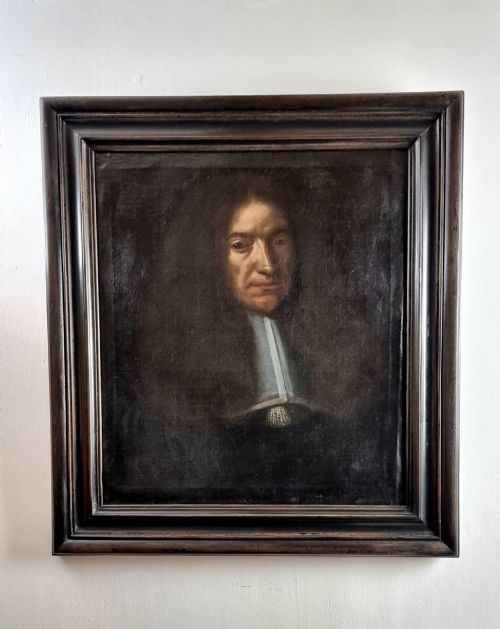
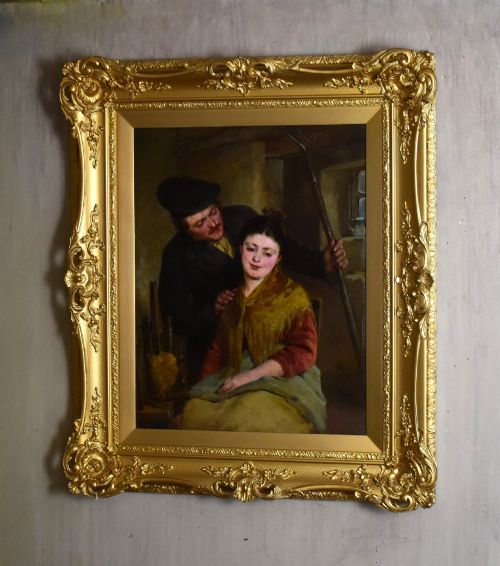
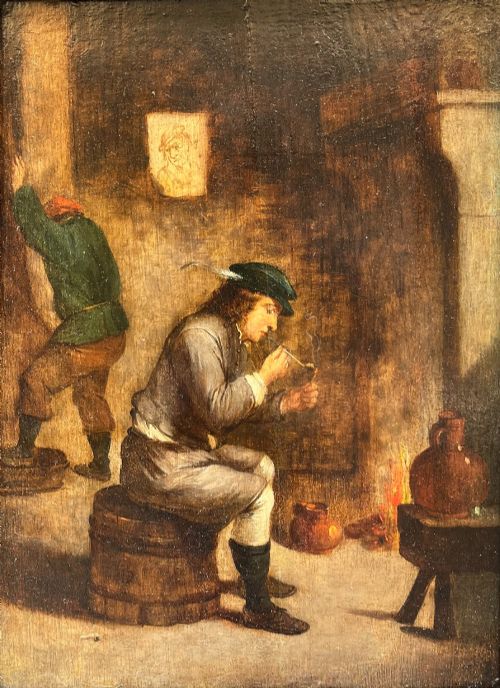
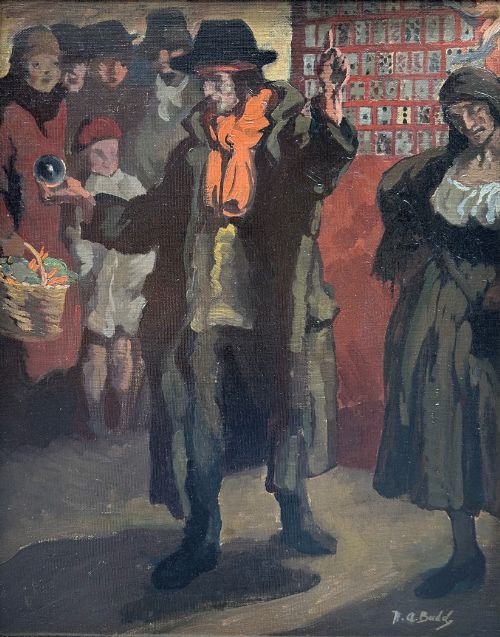
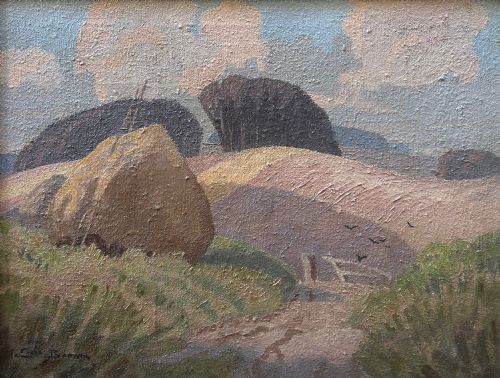
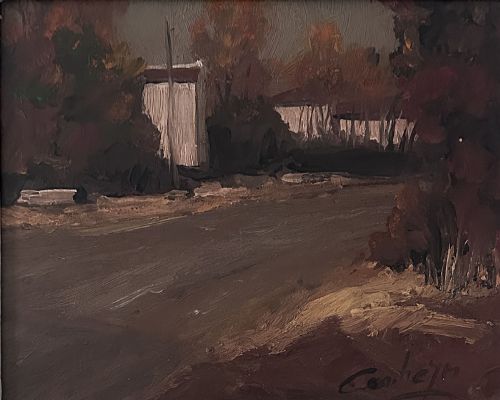
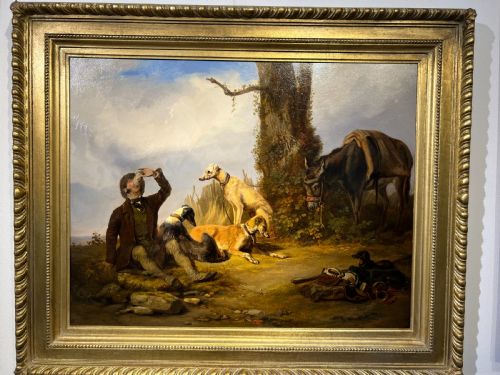
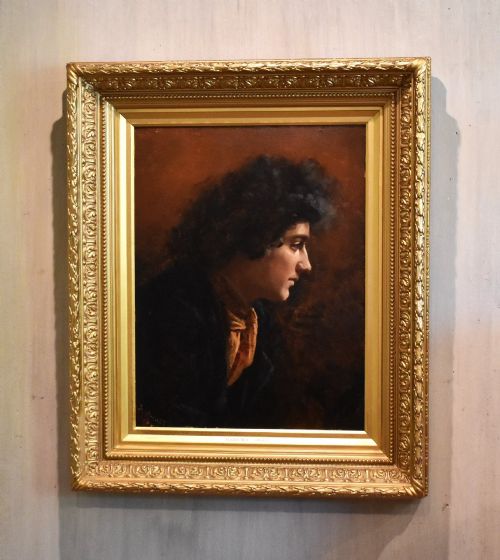
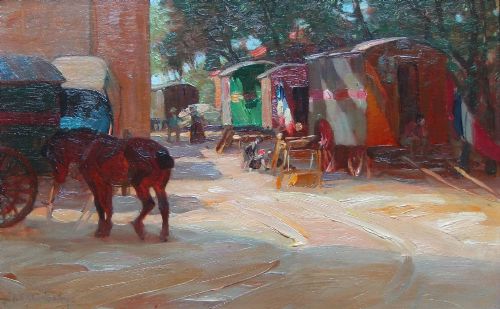
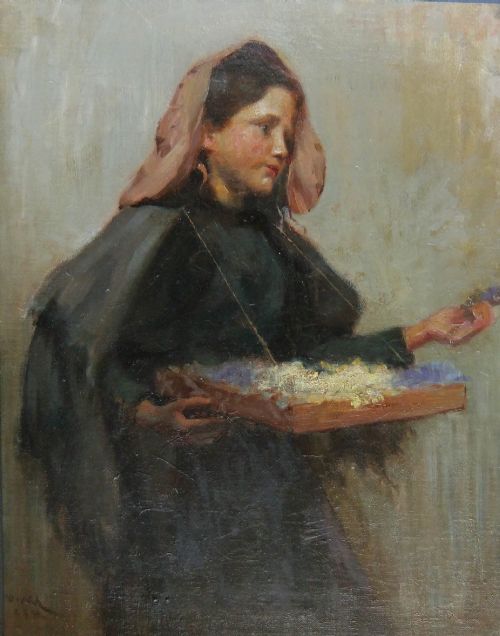
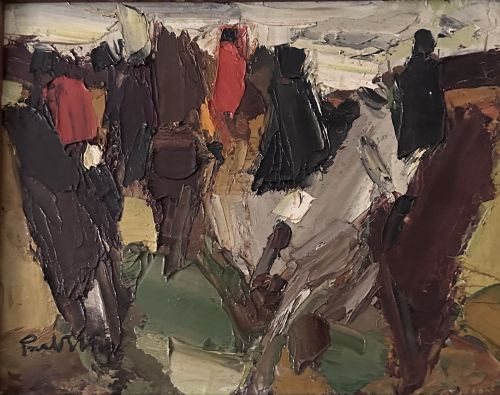
A brown toned oil painting offers a restrained palette where deep umbers, ochres and warm shadows carry the atmosphere of the scene.
Brown Toned Oil Painting
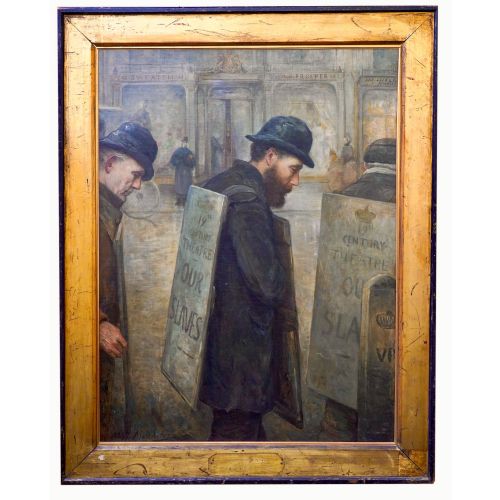
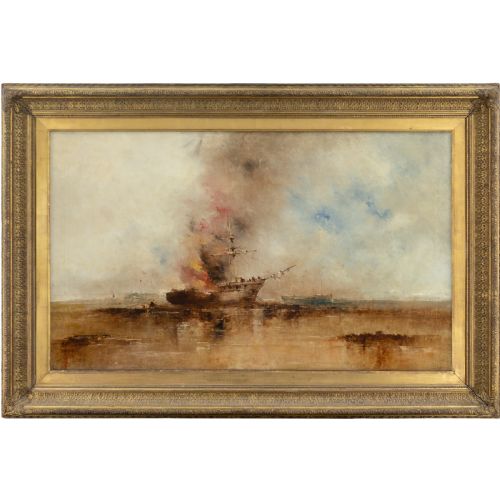
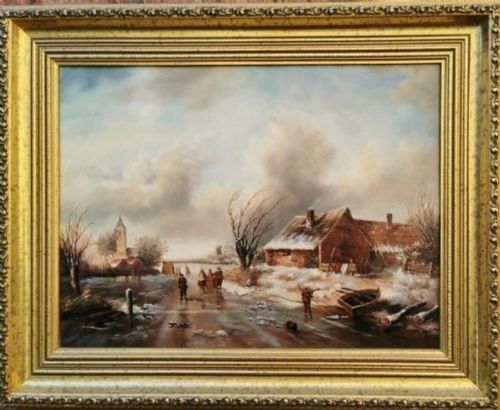
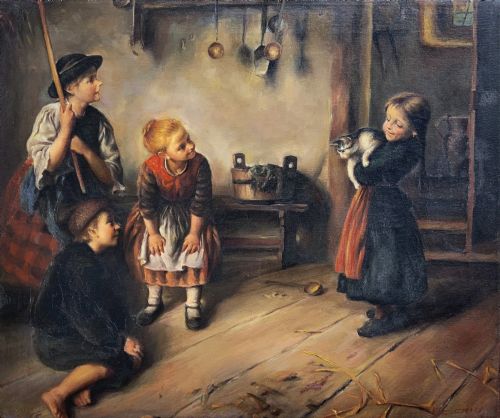
A brown toned oil painting brings together centuries of academic and regional art, spanning from seventeenth-century portraits to twentieth-century landscapes. When searching for a brown toned oil painting, collectors encounter diverse subjects including Victorian genre scenes, Highland landscapes, and Dutch winter views.
The works on this page lean heavily into nineteenth-century realism, Victorian social history, and regional British Impressionism. Most examples utilise traditional supports such as canvas or wood panel, often housed within period giltwood frames.
Materials and techniques
Artists built these compositions using oil paint applied to prepared canvas or solid wood panels. The restricted monochrome or earth-toned palette relied on careful layering of glazes and opaque pigments to create depth and shadow.
Many works retain their original giltwood frames, which complement the warm brown pigments of the painted surface.
Monks fishing and admiring fish are surprisingly popular subjects in nineteenth-century brown toned oil paintings.
Distinctions in execution
Quality in these works rests upon the confidence of brushwork and the artist's control over tonal gradation within a limited palette. Superior examples demonstrate a subtle management of light and shade that gives three-dimensional weight to figures and landscapes.
Lesser pieces often suffer from flat, unvaried application of pigment where shadows lose their transparency and the underlying form becomes obscured.
Tom Campbell·Howard Helmick·Herbert Ashwin Budd·Sir Edwin Henry Landseer·John Frederick Herring·Vincenzo Irolli
The Brown Toned Oil Painting Glossary
- Canvas
- A heavy woven fabric stretched across a wooden frame to serve as a support for oil paint. It provides a slightly flexible surface that responds well to traditional brush techniques.
- Wood Panel
- A rigid wooden support used by artists instead of canvas. Panels often yield smoother surfaces that preserve fine brushwork and intricate detail.
- Giltwood Frame
- A wooden frame coated in a thin layer of gold leaf or gilt finish. These frames were frequently designed specifically to complement the tones of the artwork they enclose.
- Impasto
- Paint applied thickly to a canvas or panel so that the strokes stand proud of the surface. This technique creates physical texture that catches the light.
Brown Toned Oil Painting: Frequently Asked Questions
How do I care for an oil painting on wood panel?
Keep the panel away from direct sunlight and sudden changes in temperature or humidity, which can cause the wood to warp or crack.
Dust the surface gently with a soft, dry brush and avoid using any liquid cleaners or solvents on the paint.
What periods do these brown toned oil paintings cover?
The selection includes works from the seventeenth century through to the mid-twentieth century. Nineteenth-century Victorian and Edwardian pieces appear frequently alongside earlier European portraits.
Each period brings distinct stylistic conventions, ranging from strict academic realism to looser impressionistic interpretations.
Are original frames important for these paintings?
Original giltwood frames enhance the historical context and visual harmony of older artworks. They are constructed to match the aesthetic standards of the painting's era.
Matching frames also contribute to the overall preservation and presentation of the piece.
How do I identify a Victorian genre painting?
Victorian genre paintings typically depict everyday scenes of domestic life, working people, or rural narratives with emotional or moral resonance. Artists focused on storytelling through detailed character interactions and expressive faces.
These works often employ warm earth tones to create a cozy, intimate atmosphere within cottage or farmyard settings.