
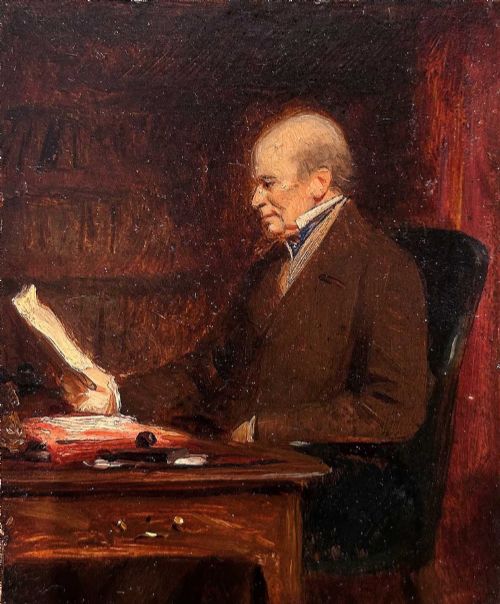


Male Figure Oil Painting
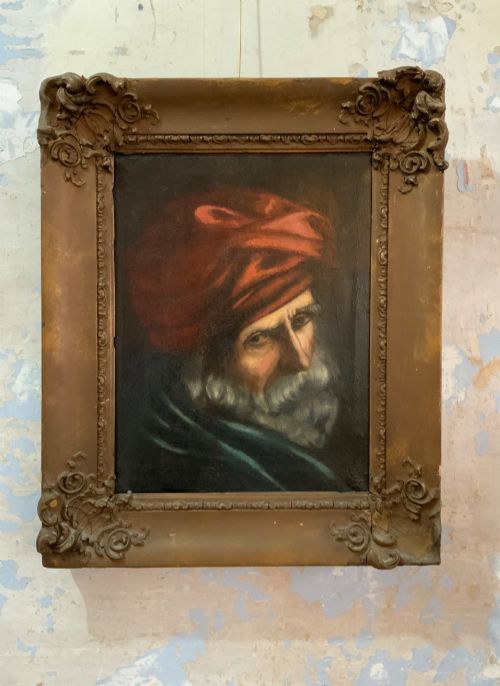
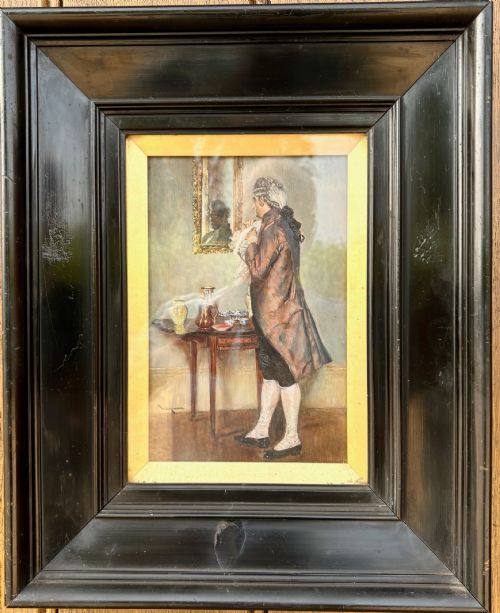
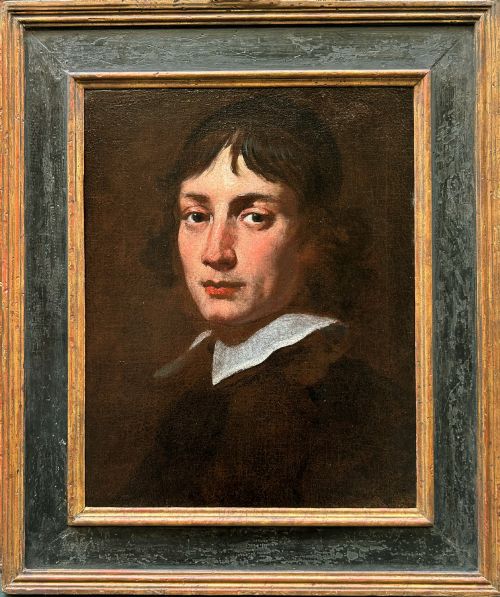
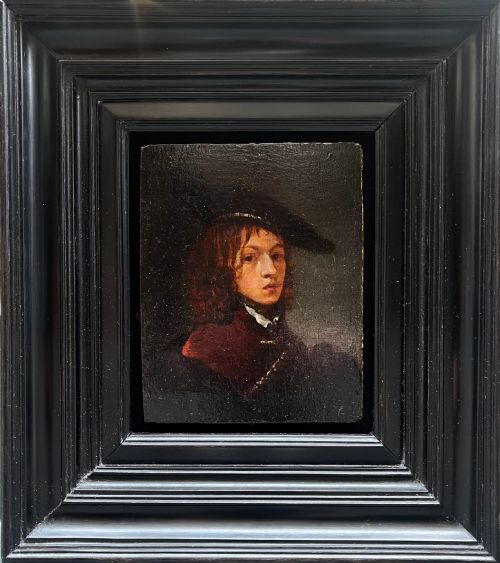
A male figure oil painting brings centuries of character into a room, capturing sitters from seventeenth-century nobility to twentieth-century modernists in rich pigment.
Male Figure Oil Painting
A male figure oil painting captures individual subjects ranging from seventeenth-century nobility and literary figures to nineteenth-century gentlemen, soldiers, and modern sitters. These works appear across diverse historical movements, including Dutch Golden Age portraiture, Baroque studies, Victorian genre pieces, and Bloomsbury Group compositions.
The selections available here span multiple centuries, offering framed portraits and studies executed on canvas and wood board. Buyers frequently encounter nineteenth-century academic works alongside seventeenth-century studio pieces and post-war modernist examples.
Materials and construction
These works rely on oil paint applied to prepared surfaces of woven canvas or solid wood board. Traditional supports use heavy linen canvas stretched over wooden frames or sturdy wooden panels that receive preparatory grounds before painting.
Many historical examples feature ornate giltwood frames that complement the depth and tone of the oil pigments. Artists built form through layered glazes and opaque applications of oil colour, creating enduring depth across the surface.
Several gentlemen captured in these oils carry mathematical calculators or gaze out with stern expressions honed over centuries.
Assessing quality and execution
Quality rests upon the confidence of the brushwork and the anatomical accuracy achieved by the artist in rendering the male form. Masterful handling of light across fabric, skin, and hair distinguishes exceptional academic and studio paintings from ordinary decorative works.
The handling of individual character and expression separates routine portraiture from works of enduring visual power. Superior pieces demonstrate subtle tonal gradations and careful attention to the sitter's presence rather than mechanical repetition.
Sir Godfrey Kneller·Guillaume Courtois·Stephen Pearce·Ferdinand Victor Leon Roybet·Alexandre-Louis Martin·Hans Holbein·Ramsay Richard Reinagle·Rudolph Lehmann·Abraham Van Blyenberch·Frank Samuel Eastman
The Male Figure Oil Painting Glossary
- Oil paint
- A slow-drying medium made by combining pigments with drying oils such as linseed. This medium allows artists to blend tones smoothly and build rich surface textures.
- Canvas
- A heavy woven fabric stretched across a wooden frame to serve as a painting support. It provides a flexible and durable ground for historical oil works.
- Giltwood
- Wood carved and covered with a thin layer of gold leaf or gold paint. This material forms the decorative frames surrounding many traditional paintings.
- Baroque
- A European artistic style spanning the seventeenth century characterised by dramatic lighting and deep shadows. Works from this period emphasise intense emotional presence.
Male Figure Oil Painting: Frequently Asked Questions
How do I date a male figure oil painting?
Dating relies on stylistic clues, costume details, wig styles, and framing conventions typical of specific periods. Comparing the technique to known works from the same century helps establish the decade of creation.
Material analysis of the canvas or wood panel provides additional physical evidence to confirm the era in which the artist worked.
What is the difference between canvas and wood board supports?
Canvas offers flexibility and a distinct woven texture that absorbs oil paint in specific ways. Wood panels provide a rigid, completely smooth surface favored by earlier academic traditions.
Both supports require proper environmental conditions to prevent warping or cracking of the paint layer over time.
Where should I hang an oil portrait?
Select a wall with stable humidity away from direct sunlight and strong heat sources to protect the delicate oil pigments and giltwood frames. Proper placement ensures the artwork remains secure and visually prominent.
Consider eye-level hanging in rooms with subdued lighting to appreciate the fine brushwork and tonal depth of the portrait.
How do I care for antique oil paintings?
Dust the surface gently with a soft, dry brush and avoid using water or chemical cleaning solvents on the paint or frame. Professional conservators should handle any structural repairs or deep cleaning.
Maintain moderate indoor temperatures and consistent humidity levels to preserve the integrity of both the support and the oil layers.