

British Portraiture Oil Canvas
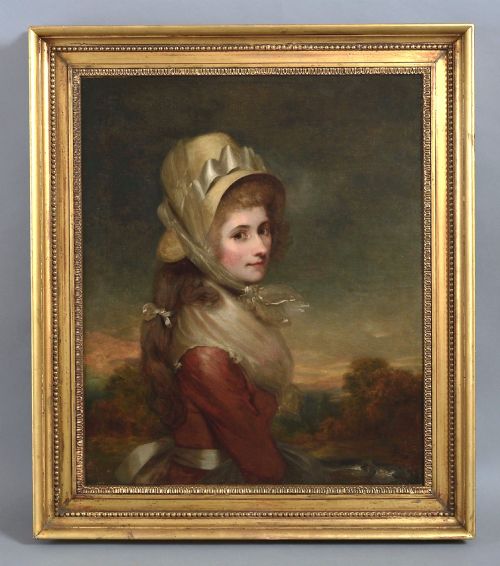
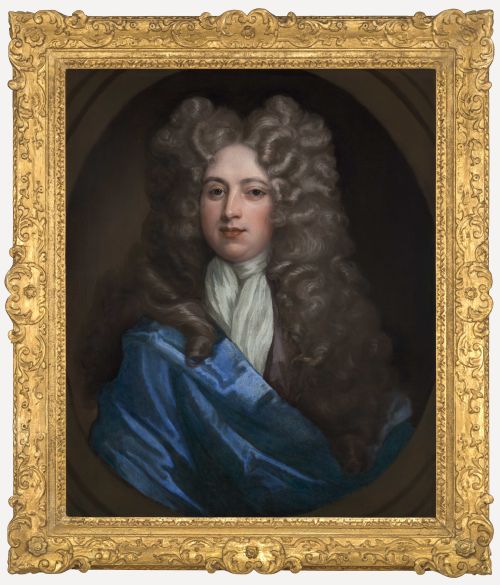
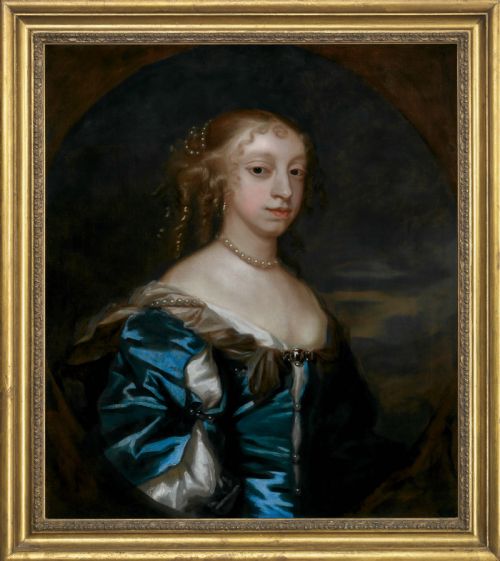
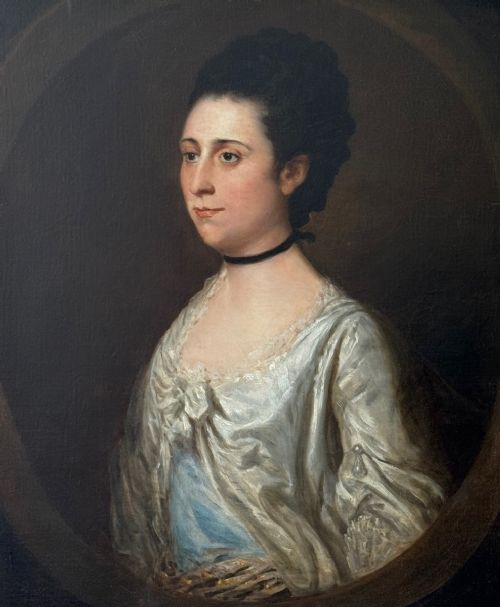
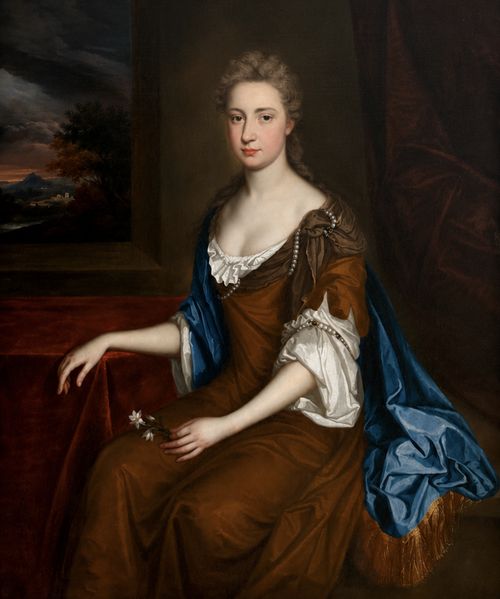
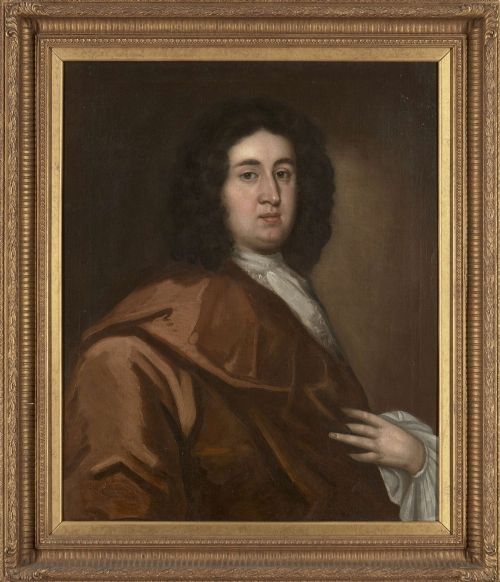
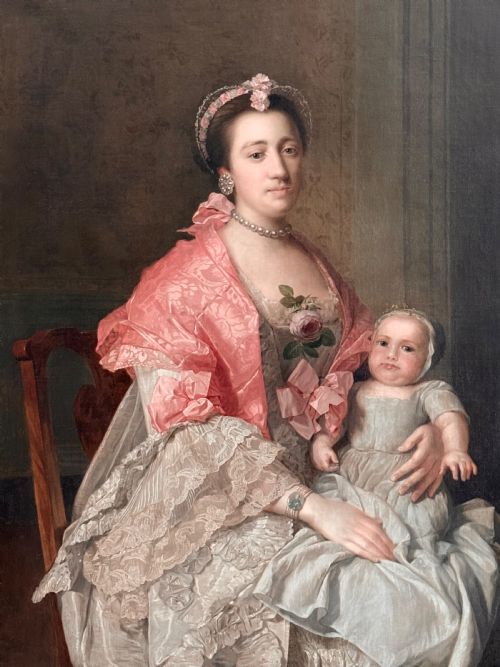
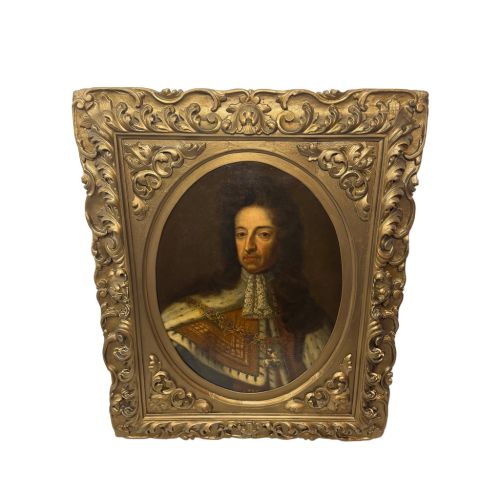
British portraiture oil canvas pieces preserve the likenesses of historical figures, nobility and everyday subjects across multiple centuries.
British Portraiture Oil Canvas
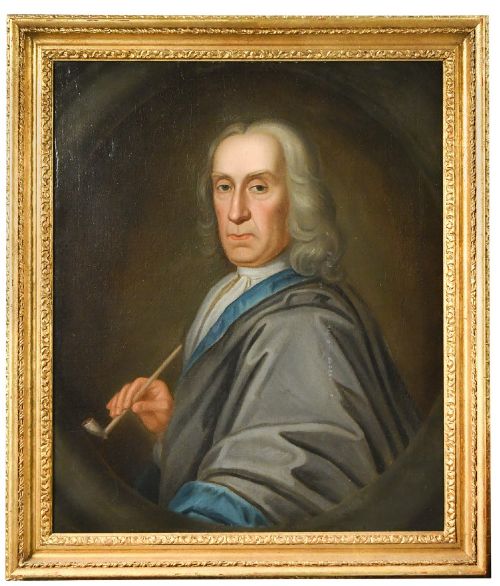
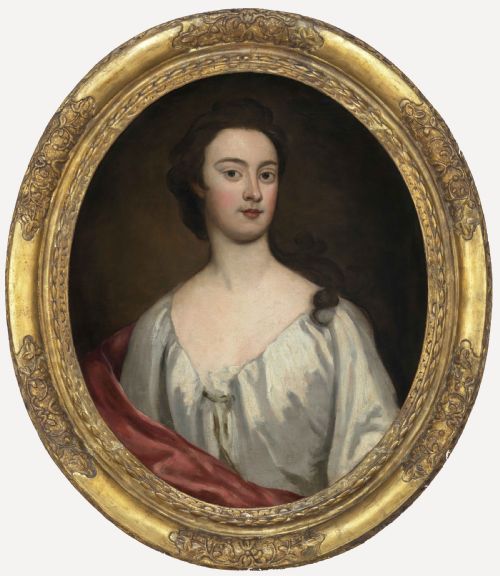
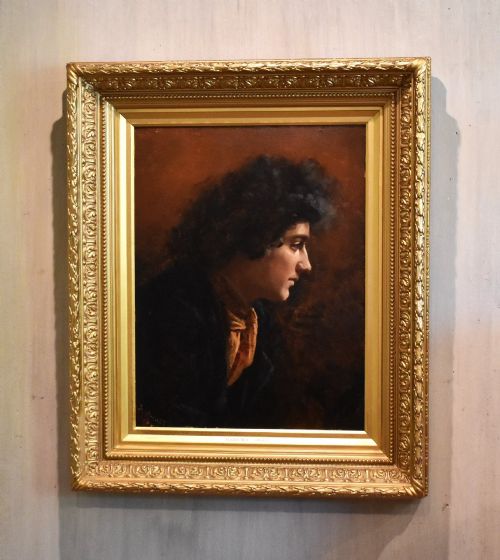
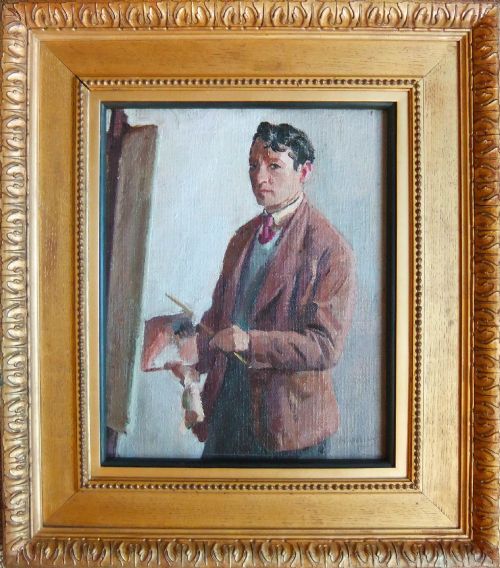
When browsing british portraiture oil canvas, buyers encounter framed artworks originating from the seventeenth century onward through to the mid-twentieth century. The selection encompasses depictions of ladies, gentlemen, children, and historical figures captured by various schools and individual painters. Most pieces on this page utilise oil paint applied to canvas, often housed within period frames constructed from wood and gesso.
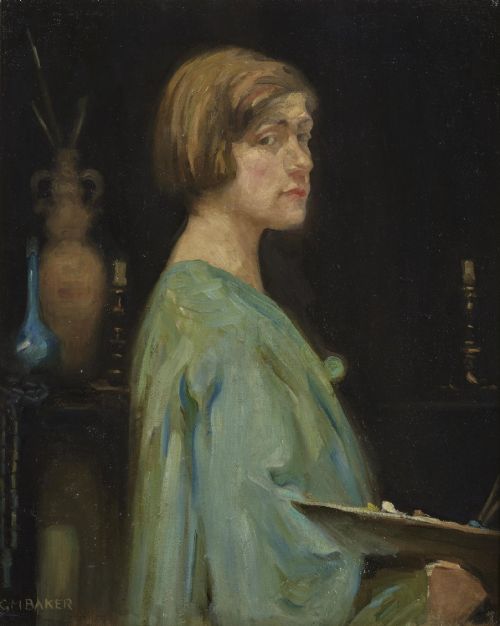
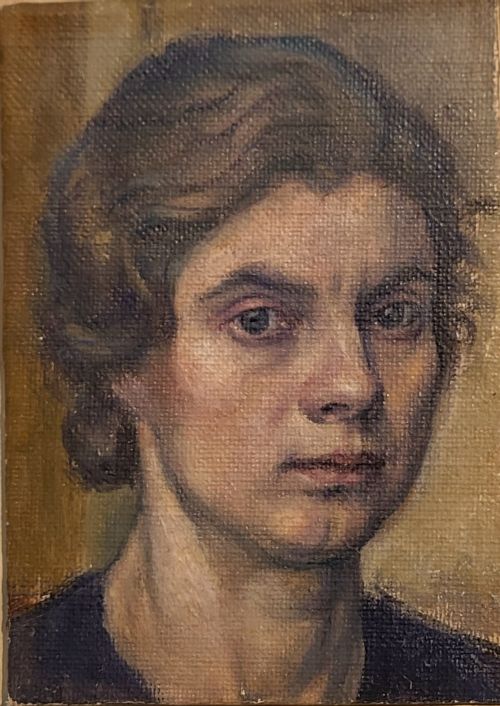
The subjects range from formally posed nobility wearing robes and periwigs to intimate self-portraits and informal sketches. Works attributed to named artists appear alongside pieces assigned to specific British and continental schools of portraiture. These paintings reflect shifts in artistic convention, moving from Baroque formality through Georgian realism into modern interpretations.
Materials and construction
The physical foundation of these artworks relies primarily on stretched canvas as the primary support for oil paint. Painters utilised oil media for its blendability and depth, allowing subtle gradations in skin tones and fabric textures. Giltwood and gesso frames provide the traditional enclosing structure for many of these paintings, complementing the visual weight of the canvas.
Wood serves as a secondary structural element, both in the stretchers supporting the canvas and in the ornate frames designed to display the art. The application of gesso beneath gilding on frames creates crisp decorative moulding details characteristic of period presentation.
Listings feature works spanning the seventeenth century through to the mid-twentieth century, executed in oil on canvas.
Assessing quality in the collection
The provenance and attribution to documented artists or recognised contemporary schools elevate the standing of a piece. Additionally, the originality and condition of the accompanying gilt wood or gesso frame contribute to the overall integrity of the artwork.
Sir Martin Archer Shee·Thomas Murray·John Closterman·Sir Allan Ramsay·Jeremiah Davison·Florence Small·Philip Naviasky·John Greenhill·Sir Winston Churchill·S Dennant Moss·Frank Moss Bennett·Sir Godfrey Kneller·Robert More·R Dering·Charles Sillem Lidderdale·Enoch Seeman·Frank Owen Salisbury·Thomas Robson·Richard Cosway·George Romney·Paul Storr·William Albert Clark
The British Portraiture Oil Canvas Glossary
- Gesso
- A plaster mix applied to wood frames to create a smooth surface for gilding.
- Periwig
- A voluminous man's wig popular in European fashion during the seventeenth and early eighteenth centuries.
- Baroque
- An ornate artistic style prevalent in the seventeenth century, characterised by drama and rich detail.
- Giltwood
- Wood that has been covered with a thin layer of gold leaf or gold paint.
- Provenance
- The documented history of ownership of a work of art.
British Portraiture Oil Canvas: Frequently Asked Questions
How are these portraits dated?
Dating relies on stylistic evidence, costume details, hair fashion, and recorded signatures or inscriptions on the canvas. Attributions to specific periods or artists are determined by comparing brush technique and known working dates.
Documentation such as old labels on the reverse of the stretcher also aids in establishing the chronology of the painting.
What subjects appear most frequently?
The subjects include titled nobility, military officers, political figures, and clergy, alongside unrecorded gentlemen and ladies. Self-portraits by the artists themselves also feature within the selection.
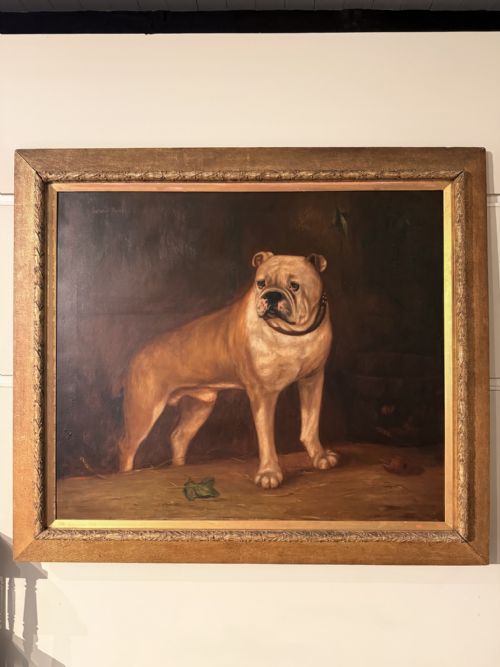
Children and domestic animals occasionally accompany the primary sitter, reflecting familial or personal status.
How should oil paintings on canvas be displayed?
These works require placement away from direct sunlight and sources of extreme heat to prevent the canvas and paint from drying out or cracking. Stable humidity levels in the room help preserve both the oil medium and the wooden frame.
Hanging them securely on internal walls protects the structure of the stretcher and canvas from environmental fluctuations.
What does attribution to a school mean?
Attribution to a specific school indicates that the work was produced in the manner, style, or workshop of a particular region or era. It connects the anonymous painting to a broader artistic tradition rather than a confirmed individual hand.
Examples include the English Regency School or the Bloomsbury Style.