


Brown Tone Watercolour
When you search for a brown tone watercolour, you are looking at works on paper that use pigment and ink to build monochromatic or muted tonal depth.
Brown Tone Watercolour
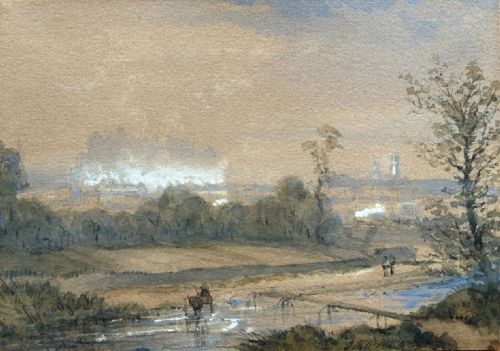
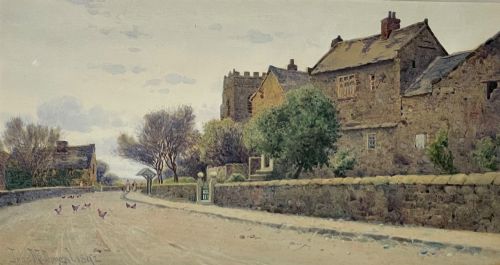
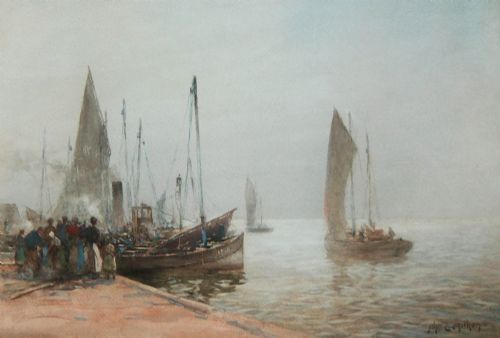
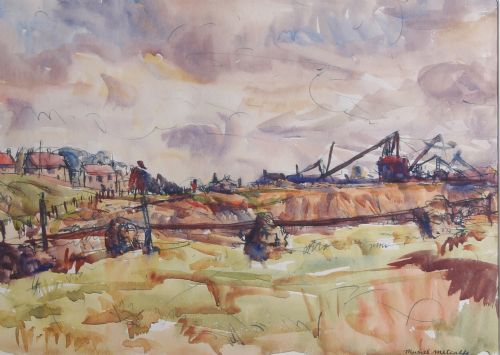
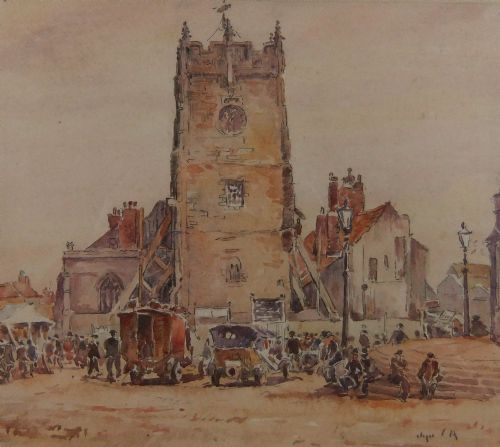
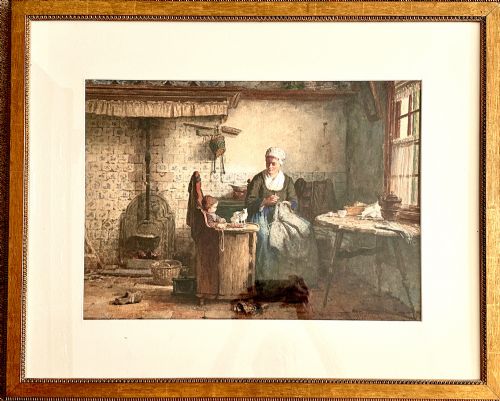
When you search for a brown tone watercolour, you encounter original fine art paintings executed on paper support. The most common examples on this page date from the nineteenth century through the mid twentieth century, encompassing Victorian, Edwardian, and modern British periods.
The subjects range widely across British landscapes, rural farm scenes, coastal villages, and figurative interiors. Artists utilised washes of pigment and ink to establish depth, shadow, and atmosphere primarily through monochrome or sepia palettes.
How they were made
The works rely upon water-soluble pigment applied to paper, often reinforced with ink lines to define architectural and natural details. Artists employed washes of varying dilution to build transparency and tonal gradients.
Framing under glass protected the delicate paper surface and water-soluble media from environmental moisture and atmospheric damage. Many surviving pieces retain their original wood framing structures.
Several artists captured muddy boots and farmyard ducks with the exact same gravity usually reserved for military generals.
What varies in quality
Quality rests upon the handling of tone and the precision of brushwork within the monochromatic or restricted palette. Stronger examples demonstrate confident command of wash application that creates genuine atmospheric depth rather than flat staining.
The preservation of the paper support and the clarity of the pigment significantly affect the visual impact of the painting. Works that retain their original tonal contrast without excessive fading or paper discoloration stand at the upper end of the range.
John R Prentice·John McDougal·James E. Aitken·Hendrik Valkenberg·James Hardy·Walter Sickert
The Brown Tone Watercolour Glossary
- Watercolour
- A painting method in which the paints are made of pigments suspended in a water-soluble vehicle. It provides translucent washes of colour and tone on paper.
- Wash
- A thin, fluid layer of watercolour paint spread evenly across the paper. It establishes broad areas of tone and background atmosphere.
- Monochrome
- A painting executed in a single colour or varying shades of a single hue, such as sepia or brown. It relies entirely on tonal values for form and depth.
- Provenance
- The documented history of a piece of art, establishing its ownership and origin. It provides authenticity and historical context for the artwork.
Brown Tone Watercolour: Frequently Asked Questions
What is a brown tone watercolour?
A brown tone watercolour is a painting on paper executed primarily in sepia, umber, or monochromatic washes. These works focus on tonal gradation and shadow rather than a full spectrum of colour.
Such pieces date predominantly from the nineteenth and early twentieth centuries. They capture landscapes, architectural views, and figurative scenes through subtle manipulation of water-soluble pigment.
How should I frame a watercolour?
Watercolours require framing behind glass to protect the absorbent paper from dust, moisture, and handling. Acid-free mounts should be used to prevent chemical damage to the paper over time.
Keep these artworks away from direct sunlight to prevent the pigments from fading. Proper sealing of the frame back protects the paper from airborne pollutants.
How do I identify a Victorian watercolour?
Victorian watercolours often feature traditional British landscapes, detailed narrative scenes, or coastal views rendered with meticulous brushwork. The paper stock and framing materials frequently align with nineteenth-century manufacturing techniques.
Signatures, dates, and inscriptions on the front or reverse provide direct evidence of the period. Stylistic conventions of the era also point clearly to nineteenth-century execution.
Where were these paintings created?
The majority of these works originate from British artists recording landscapes and townscapes across England, Scotland, and Wales. Regional subjects range from Yorkshire villages to Welsh valleys and Scottish scenery.
A smaller proportion reflects continental European locations, including French and Italian village scenes. Artists often travelled extensively to sketch topographical views on location.