

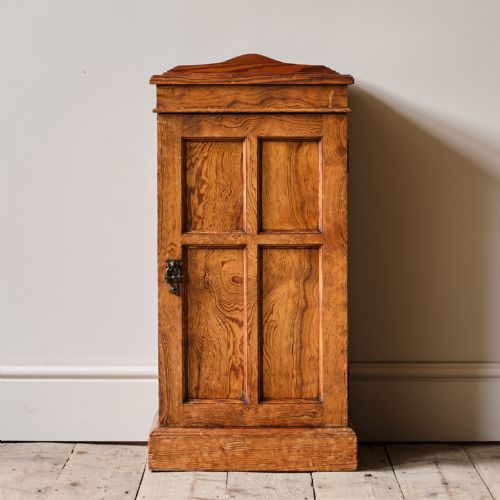
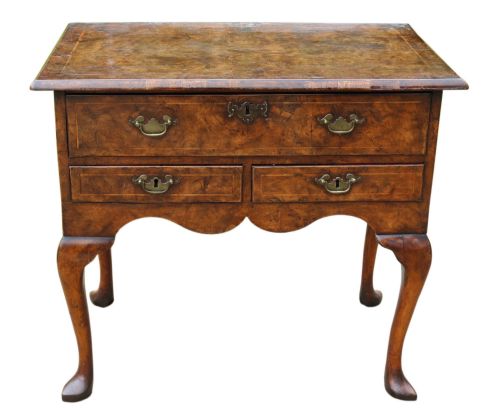
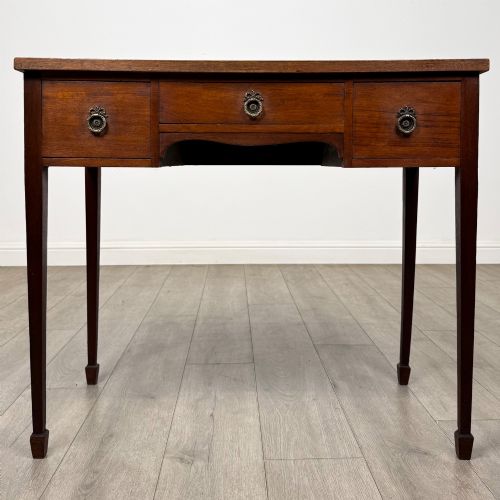
Brown Timber Table
A brown timber table brings warmth and dependable function to a room, drawing on centuries of cabinet-making skill.
Brown Timber Table
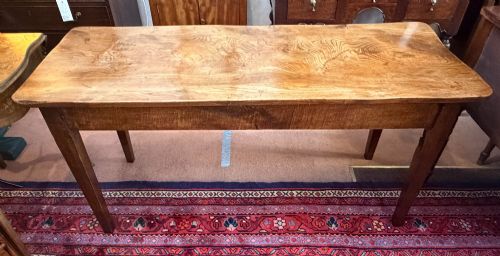
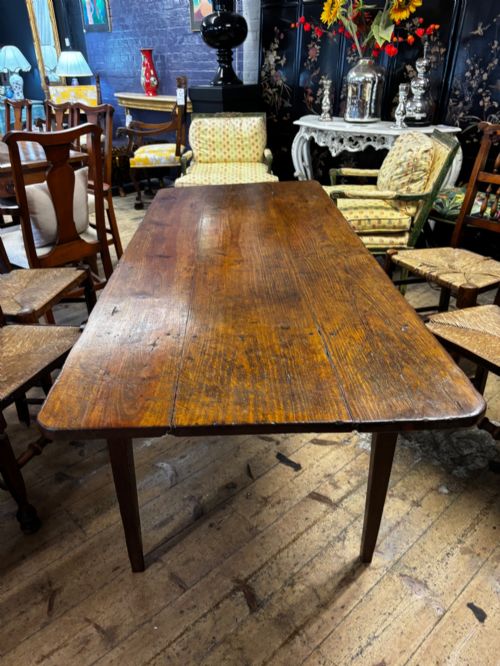
When you search for a brown timber table, you encounter a wide variety of domestic furniture ranging from dining surfaces to smaller occasional pieces. These objects span multiple periods, including the Georgian, Victorian, and Edwardian eras, reflecting the domestic habits of past centuries.
Origins vary widely across these listings, encompassing English, French, Italian, and Spanish traditions. Each piece carries the distinct regional characteristics and timber choices of its place of manufacture.
How they were made
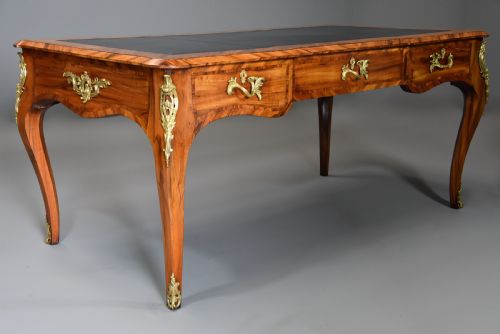
Cabinet-makers relied heavily on hardwoods such as mahogany, oak, walnut, fruitwood, and elm to construct durable frames and surfaces. These timbers were selected for their grain patterns and structural strength, often enhanced with brass hardware or leather inserts.
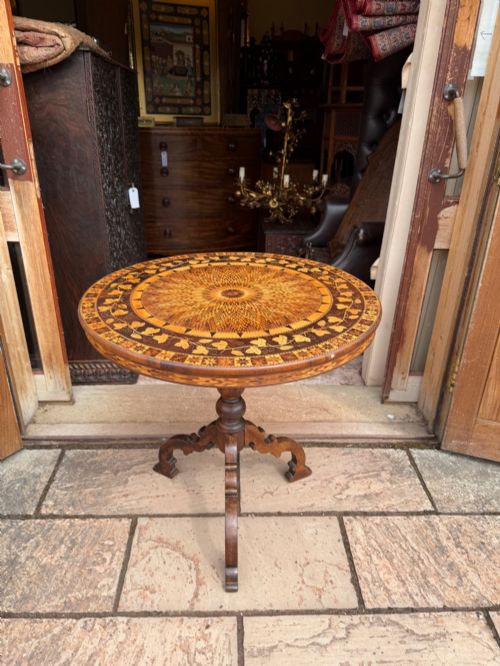
Construction techniques involved traditional joinery, turning, and sometimes inlay work to decorate the timber surfaces. Surfaces were finished to highlight the natural colour and figure of the wood.
Secondary woods like pine appeared in less visible areas, while specialised pieces incorporated specialised veneers like kingwood or goncalo alves over solid carcases.
Listings feature items from the 18th, 19th, and 20th centuries, utilising oak, mahogany, walnut, elm, fruitwood, and pine.
What varies in quality
The distinction between ordinary and exceptional examples lies in the selection of timber figures, such as highly figured mahogany or burr elm, and the precision of the construction. Superior pieces display harmonious proportions and careful attention to secondary details like interior drawer linings.
Maker attribution and regional provenance also influence the standing of a table. Workshop execution, evident in tight joints and refined carving, separates standard domestic furniture from high-status commissions.
Trollope & Sons
The Brown Timber Table Glossary
- Demi lune
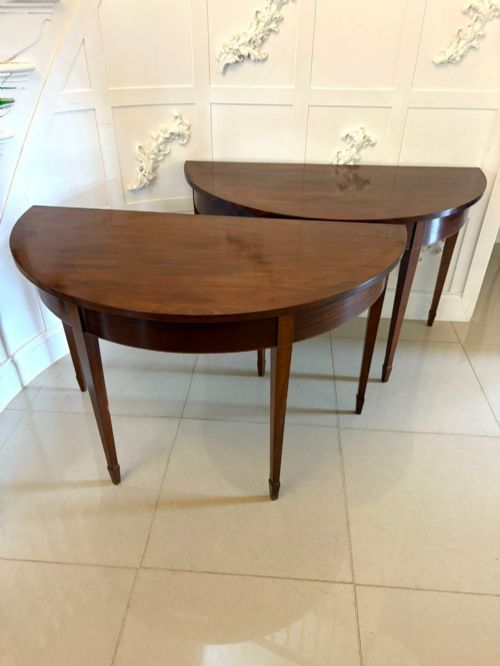
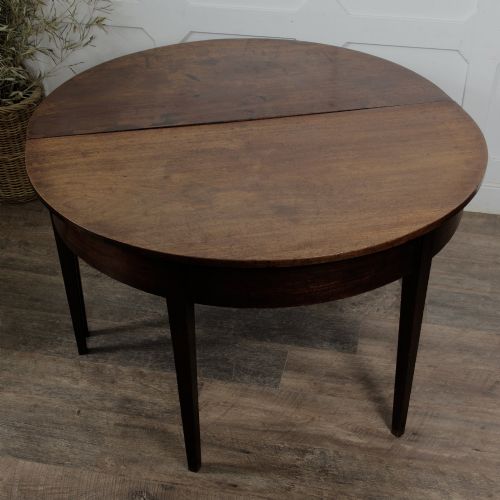
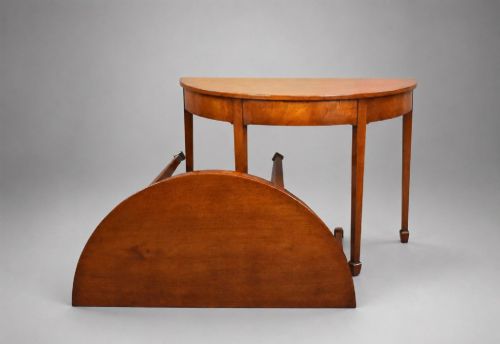
- A half-moon shape typical of console tables designed to sit flush against a wall. These tables often appeared in pairs during the Georgian period.
- Refectory table
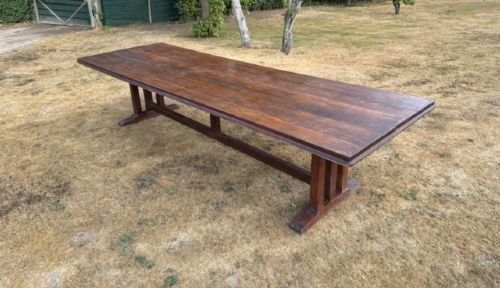
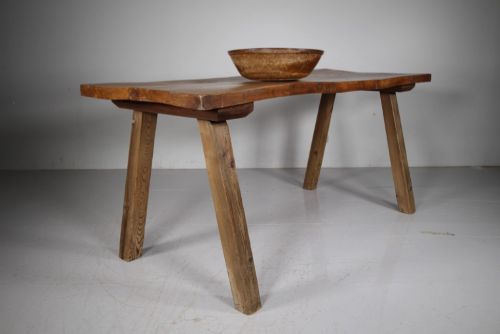
- A long dining table traditionally used in communal halls and later adapted for domestic dining rooms. They are characterised by sturdy legs connected by stretchers.
- Kneehole desk
- A form of writing desk featuring a central recess for the user's knees, flanked by pedestals of small drawers. They frequently incorporate leather writing surfaces.
- Tilt top
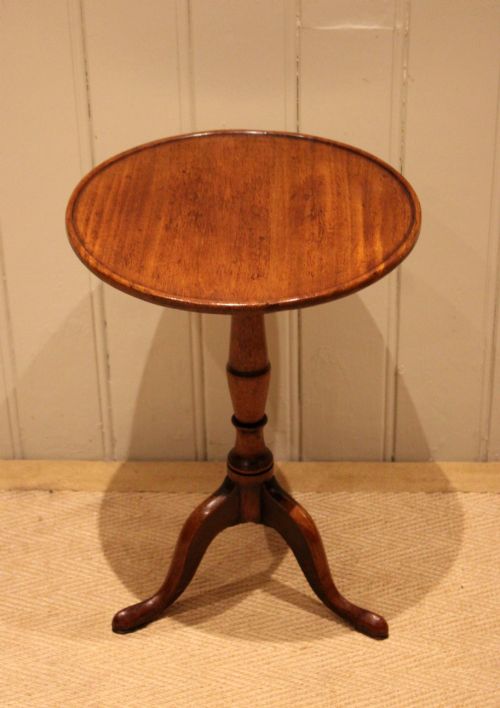
- A mechanism allowing the tabletop to pivot into a vertical position when not in use, saving space in smaller rooms. This feature is common on occasional and wine tables.
- Lowboy
- A small low table with drawers, functioning typically as a dressing or side table during the eighteenth century. They often feature cabriole legs and fine timber veneers.
Brown Timber Table: Frequently Asked Questions
What is a brown timber table?
A brown timber table is any domestic surface made from woods like oak, mahogany, walnut, or elm. These range from large dining tables to small occasional pieces.
They reflect the prevalent materials and styles of periods spanning from the Georgian era through to the twentieth century.
Where were these tables used?
These tables served various functions throughout the home, including dining rooms, libraries, and hallways. Larger examples accommodated families for meals, while smaller console and side tables stood against walls in reception rooms.
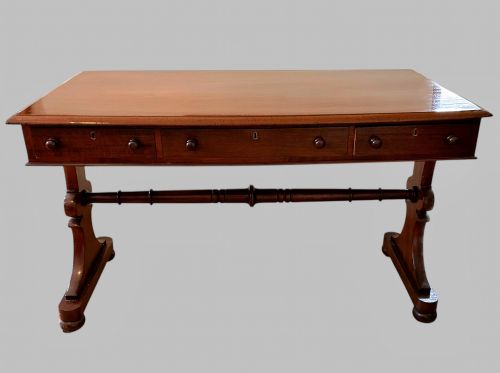
Desks and writing tables provided designated spaces for correspondence and estate management.
How do I care for antique timber?
Maintaining antique timber involves keeping pieces away from direct heat sources and drastic humidity changes to prevent wood splitting. Regular dusting with a soft cloth preserves the finish without damaging the patina.
Occasional application of appropriate wax feeds the wood and maintains its natural lustre over time.