

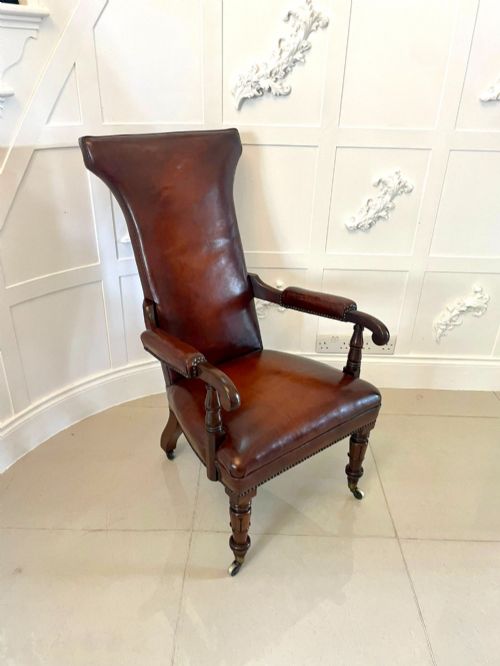


Antique Chestnut Desk
An antique chestnut desk or related seating offers a characterful workspace addition, combining sturdy timber with period craftsmanship.
Antique Chestnut Desk
When you search for an antique chestnut desk or associated seating, you examine items spanning the Victorian, Georgian, and Regency periods.
Pieces range from English provincial items to Japanese Meiji period sculptures incorporating chestnut motifs.
How they were made
Construction relies on traditional timber framing using chestnut, oak, and mahogany, often paired with supple leather upholstery.
Metal elements like brass feature on specific fittings, while bronze appears in sculptural works from the Meiji period.
Antique Chestnut Desk Retail Price Guide 2026
Typical asking prices for chestnut desk among the pieces listed under this phrase on Sellingantiques today, from the lower quarter to the upper quarter. They describe what is for sale here now, not the wider market.
A bronze Meiji period rat clutches a chestnut with admirable dedication.
What varies in quality
Distinction lies in the crispness of the timber grain and the integrity of the original leather inserts.
Proportion and structural balance separate standard utilitarian pieces from finer regional and period examples.
The Antique Chestnut Desk Glossary
- Chestnut
- A durable hardwood noted for its distinct grain pattern, utilised in period furniture and decorative carvings.
- Gainsborough armchair
- A wide seat with an upholstered back and open arms, designed in the eighteenth century for writing desks.
- Okimono
- A Japanese freestanding ornament typically displayed in an alcove, often depicting animals or nature subjects.
- Regency
- A British design period spanning the early nineteenth century, characterised by classical lines and refined proportions.
Antique Chestnut Desk: Frequently Asked Questions
What periods do these items come from?
The available pieces span the Georgian, Regency, and Victorian eras, alongside nineteenth-century works.
Dates range from around eighteen hundred to the late nineteenth century.
Which woods are used in this collection?
Items incorporate chestnut, oak, and mahogany as primary structural materials.
Leather and brass frequently appear as secondary elements on seating.
How do I identify a library chair?
Library chairs typically feature leather panels on the seat and sometimes the arms for comfortable writing.
They often combine sturdy timber frames with supportive upholstered backs.
Are there non-furniture items included?
The selection extends beyond furniture to include bronze sculptures and figurines.
Examples feature naturalistic subjects such as animals interacting with chestnuts.