




Brown Timber Side Cabinet
A brown timber side cabinet brings grounded warmth and practical storage to a room, spanning periods from the eighteenth century to the twentieth.
Brown Timber Side Cabinet
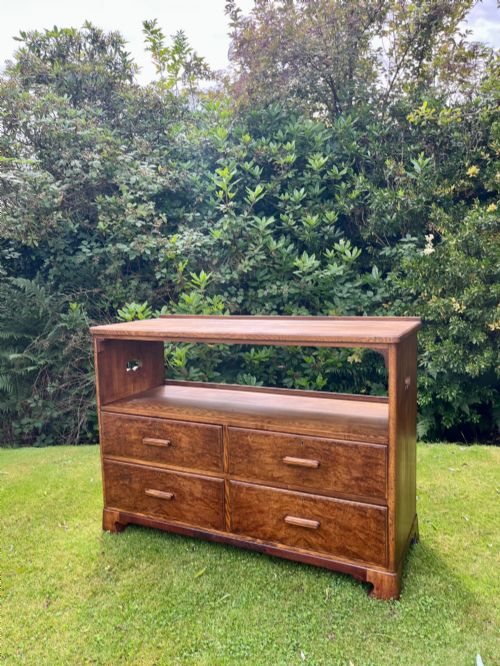
A brown timber side cabinet encompasses forms such as bedside cupboards, Wellington chests, commodes, and bookcase hybrids. These items serve primarily to organise spaces while introducing rich timber tones to an interior.
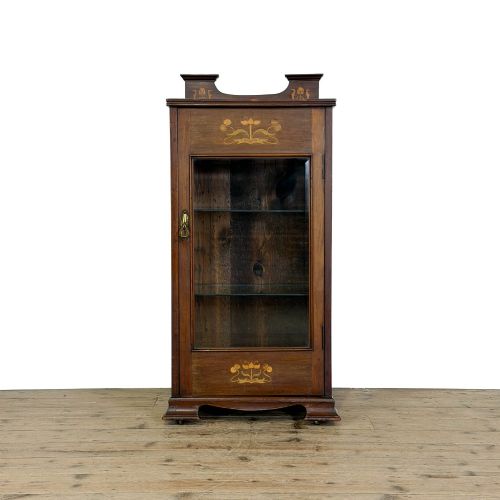
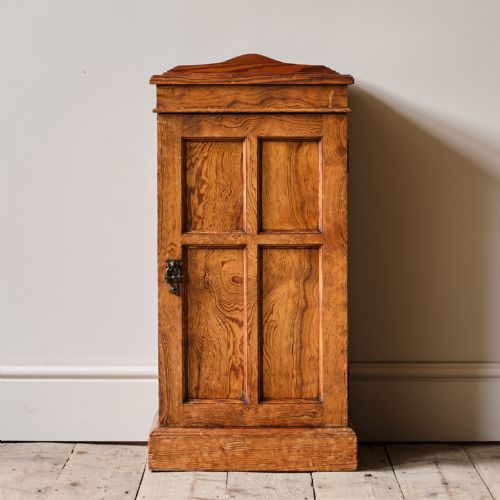
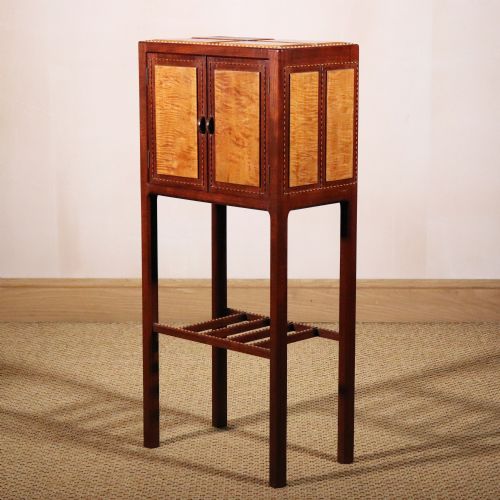
Victorian examples alongside nineteenth-century and Edwardian pieces dominate the selection, often taking the form of tall chests or two-door cupboards. Regional variations like Irish cedar and Anglo-Indian designs also appear among the offerings.
Buyers encounter diverse stylistic influences, ranging from Gothic Revival and Art Nouveau to Regency and Arts and Crafts. Each variant reflects the specific domestic requirements and aesthetic tastes of its original period.
Materials and construction
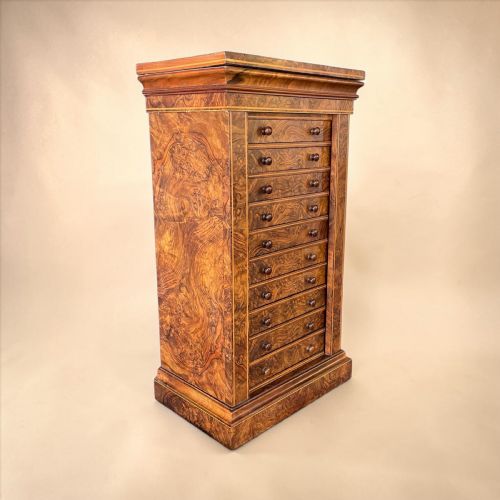
Mahogany, oak, and pine form the structural foundation of these cabinets, frequently augmented by exotic veneers such as goncalo alves, amboyna, and burr yew. Timber selection dictates the weight and grain pattern of each individual piece.
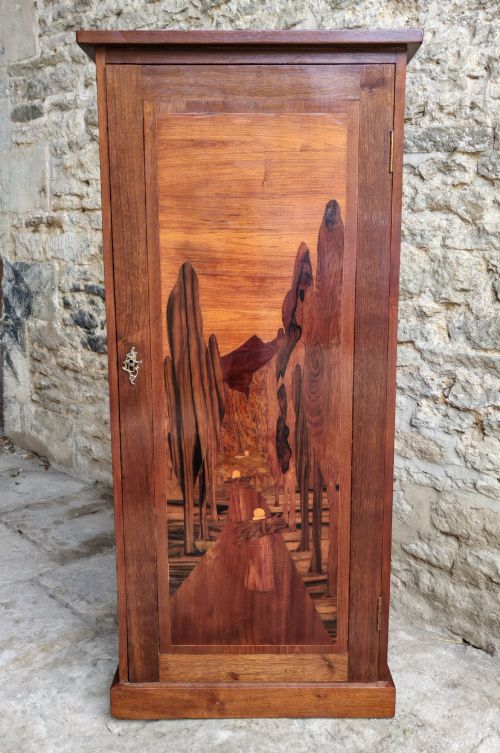
Craftsmen applied intricate techniques including wood inlay and hand-painting to embellish surfaces. Brass hardware often provides functional contrast to the dark timber bodies.
Listings feature woods like goncalo alves, burr yew, and satinwood alongside traditional mahogany and oak.
Distinctions in quality
The choice of primary timber and secondary veneers establishes the baseline calibre of a brown timber side cabinet, with figured woods like burr elm and goncalo alves commanding attention. Plain pine carcasses sit at a different level of craftsmanship compared to richly grained mahogany or satinwood.
Execution of decorative details, from precise inlay work to hand-painted motifs in specific stylistic traditions, separates standard utility items from distinguished examples. The integrity of the original hardware and the precision of drawer construction further define the upper tier.
Whytock and Reid·Gillows
The Brown Timber Side Cabinet Glossary
- Wellington chest
- A tall, slender chest of drawers featuring a hinged locking timber bar down one side that secures all drawers simultaneously. This form originated in the nineteenth century and typically includes multiple shallow drawers.
- Demi-lune
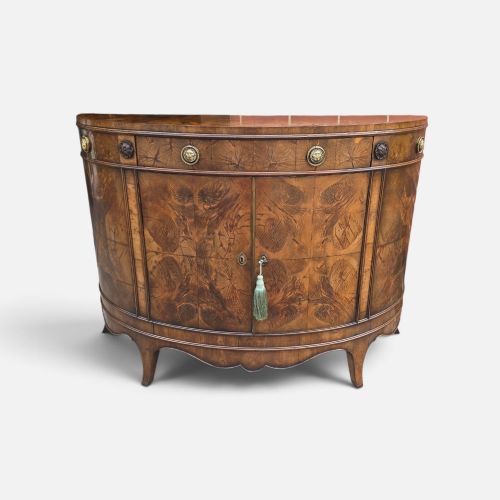
- A half-moon shape characteristic of commodes and cabinets designed to sit flush against a wall. This profile became popular during the Georgian and Edwardian periods.
- Goncalo alves
- A dense tropical hardwood displaying striking dark brown and light brown contrasting figures, favoured for Regency and Victorian statement furniture. It provides a distinct visual grain pattern.
- Credenza
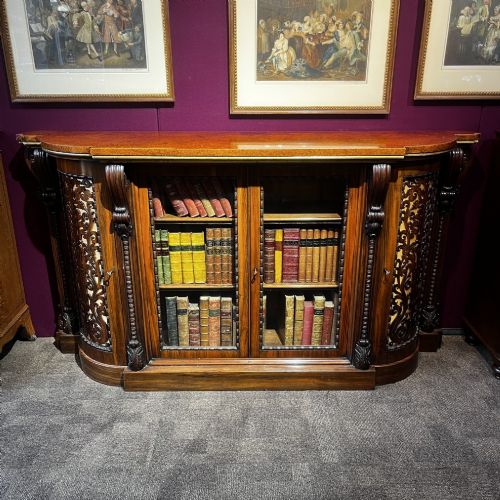
- A low cabinet, often incorporating glass doors or shelving, originating as a dining room side piece. Victorian makers adapted this form with elaborate amboyna and goncalo alves veneers.
- Pot cupboard
- A small bedside cabinet designed originally to house a chamber pot behind a single door. These compact pieces frequently feature marble tops or simple timber surfaces.
Brown Timber Side Cabinet: Frequently Asked Questions
Where should I place a side cabinet?
A brown timber side cabinet suits hallways, living rooms, and bedrooms where surface space and enclosed storage are required. Their diverse footprints allow them to anchor awkward corners or line narrow passages.
Matching the timber tone to existing room elements helps integrate the piece, while taller variants function well as lampstands or display surfaces for decorative objects.
How do I identify a Victorian cabinet?
Victorian pieces often display dense mahogany, goncalo alves, or walnut construction, combined with robust proportions and dark finishes. Details such as locking side bars on Wellington chests point directly to this era.
Construction methods inside drawers, including hand-cut dovetails and oak linings, assist in confirming nineteenth-century origins when exterior styles overlap with earlier periods.
How do I care for antique timber?
Maintaining antique timber requires steady indoor humidity levels away from direct heat sources and strong sunlight. Gentle dusting with a dry cloth prevents particle buildup on polished surfaces.
Occasional application of appropriate wax preserves the sheen of mahogany and oak without sealing the wood permanently, allowing the material to age naturally.