



Carved Column Wooden Cabinet
These carved column wooden cabinet pieces combine rich timber and classical form, offering practical storage with strong architectural presence for your home.
Carved Column Wooden Cabinet
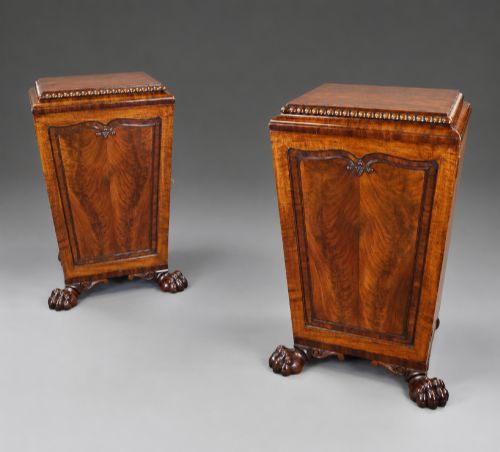
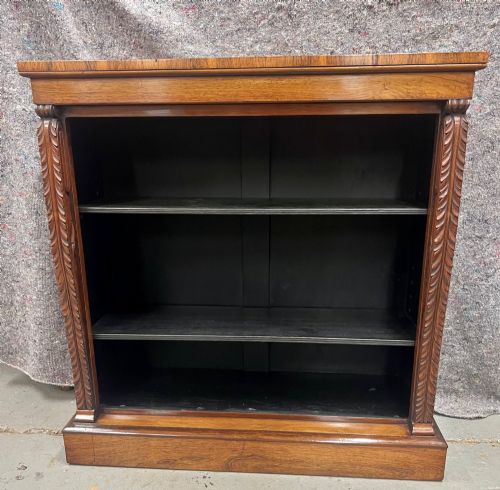
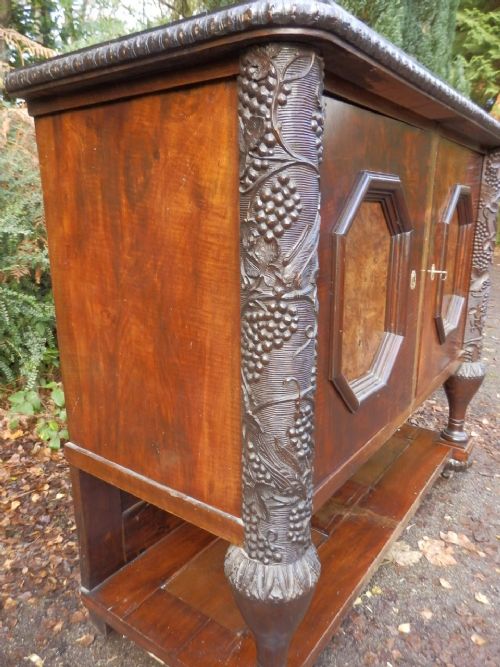
A carved column wooden cabinet brings together rich timbers like mahogany, walnut, amboyna, and oak with architectural turned supports. When you search for a carved column wooden cabinet, you meet forms ranging from tall Victorian pedestals and lampstands to low Regency bookcases, sideboards, and cupboards.
The pieces on this page span the Regency and Victorian eras alongside 18th century Italian and French Breton examples. You encounter everything from small open bookcases and chiffoniers to banks of drawers and credenzas.
Makers utilised dense native and exotic woods, often pairing figured grains with robust structural columns. Every surviving item reflects the distinct aesthetic of its period, whether classical restraint or ornate revivalist carving.
How they were made
Cabinet makers selected dense cabinet timbers such as mahogany, walnut, and rosewood, frequently incorporating exotic veneers like amboyna and gonçalo-alvez. They constructed carcases with solid joinery to support the weight of books, plate, and display items.
Carved columns and structural supports were hand-turned and detailed with precision. Brass hardware, iron fittings, and inset fabric panels were integrated to complete the functional design of each piece.
Carved Column Wooden Cabinet Retail Price Guide 2026
Typical asking prices for carved column wooden cabinet among the pieces listed under this phrase on Sellingantiques today, from the lower quarter to the upper quarter. They describe what is for sale here now, not the wider market.
Object forms span bookcases, sideboards, credenzas, chiffoniers, and tall display pedestals fitted with brass and iron hardware.
What varies in quality
The refinement of the carved columns and the choice of timber grain set the finest examples apart from standard work. Crisp hand-carving and well-figured amboyna or walnut veneers indicate superior workshop standards.
Proportion and structural integrity define the merit of a piece. Original brass or iron mounts and unaltered timber surfaces elevate the standing of a cabinet among collectors.
The Carved Column Wooden Cabinet Glossary
- Amboyna
- A highly prized exotic wood known for its rich, swirling burl grain. It was frequently utilised for decorative veneers on high-end Victorian furniture.
- Chiffonier
- A compact sideboard or low cabinet equipped with shelves or drawers, popular during the Regency and Victorian periods. It typically served for the storage of dining silver or linen.
- Credenza
- A grand sideboard or cabinet used for display and storage, often featuring rich veneers and detailed mounts. Victorian examples make striking focal points in a drawing room.
- Gonçalo-Alvez
- A dense tropical hardwood with distinctive dark figuring, sometimes called zebrawood. Regency cabinet makers employed it for select statement pieces.
- Pedestal
- A tall, freestanding column or support base designed to elevate lamps, urns, or sculptures. Matched pairs were standard for formal interior display.
Carved Column Wooden Cabinet: Frequently Asked Questions
Where did people place these cabinets?
These pieces sat in principal rooms like libraries, dining rooms, and drawing rooms. They held books, precious ceramics, and household silver.
Smaller versions functioned as lampstands or bedside storage, while larger sideboards anchored formal dining spaces.
How do I care for mahogany surfaces?
Keep timber cabinets away from direct sunlight and strong heat sources to prevent the wood from drying out. Regular dusting with a soft, dry cloth maintains the finish.
Apply a traditional beeswax polish sparingly when the wood appears dry, buffing it gently to preserve the natural lustre.
How do I identify a Regency piece?
Regency furniture draws inspiration from classical antiquity, featuring clean lines and restrained ornamentation. Timbers like mahogany and gonçalo-alvez are typical.
Proportions remain balanced and architectural details are crisp rather than heavily ornate.
What is a Victorian Renaissance revival cabinet?
This style borrows heavily from sixteenth-century architectural motifs, showing bolder carvings and heavier columns. Makers utilised richer woods and complex veneers.
Such pieces project an imposing presence suited to large Victorian interiors.