

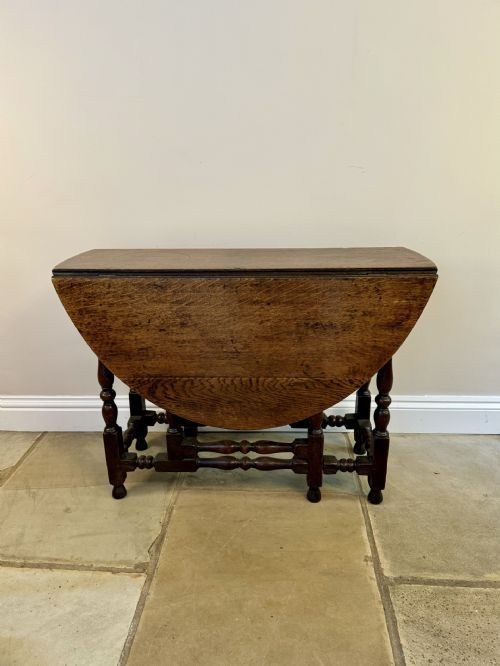
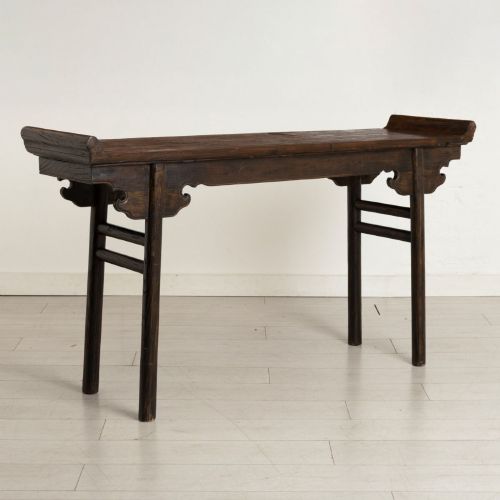
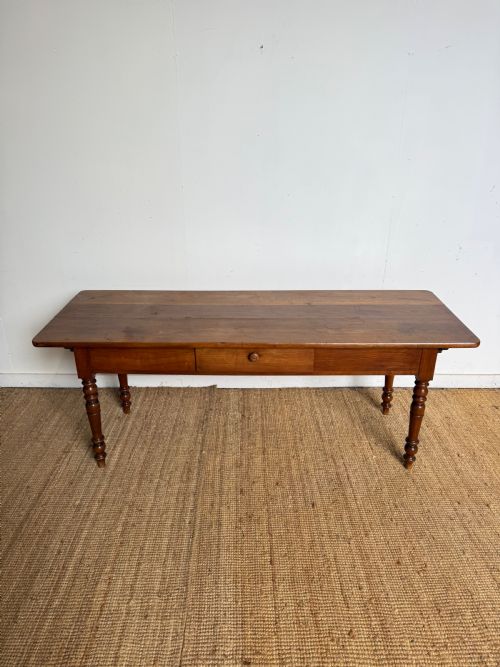


Brown Timber Console Table
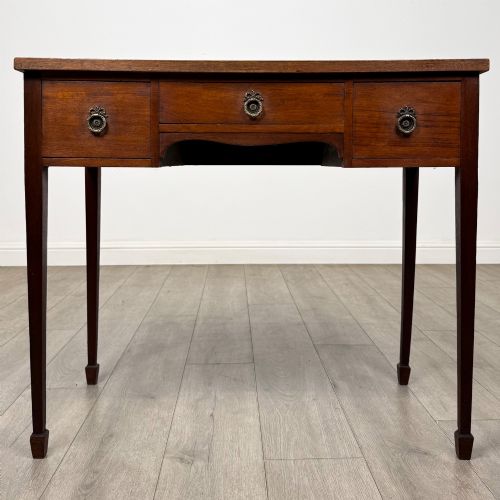
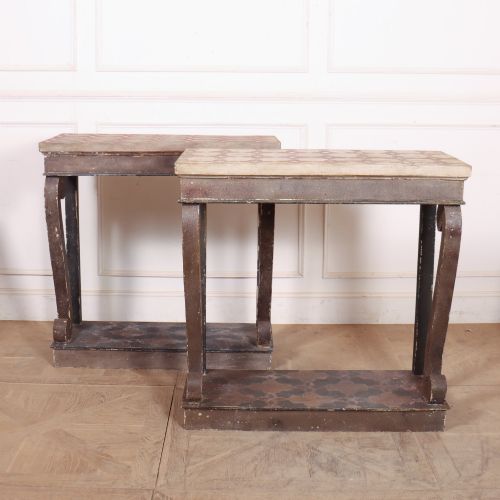
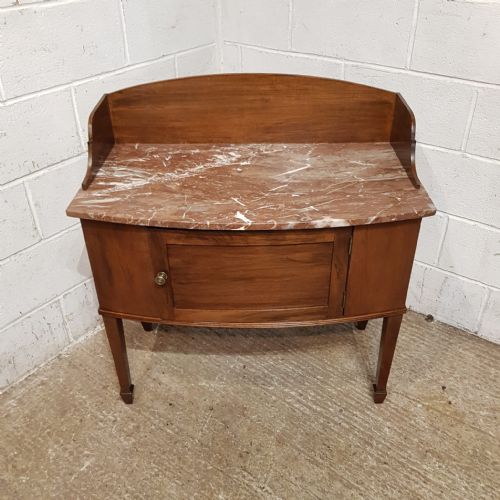
A brown timber console table anchors a hallway or living space with architectural presence, offering a surface for display that carries centuries of cabinet-making heritage.
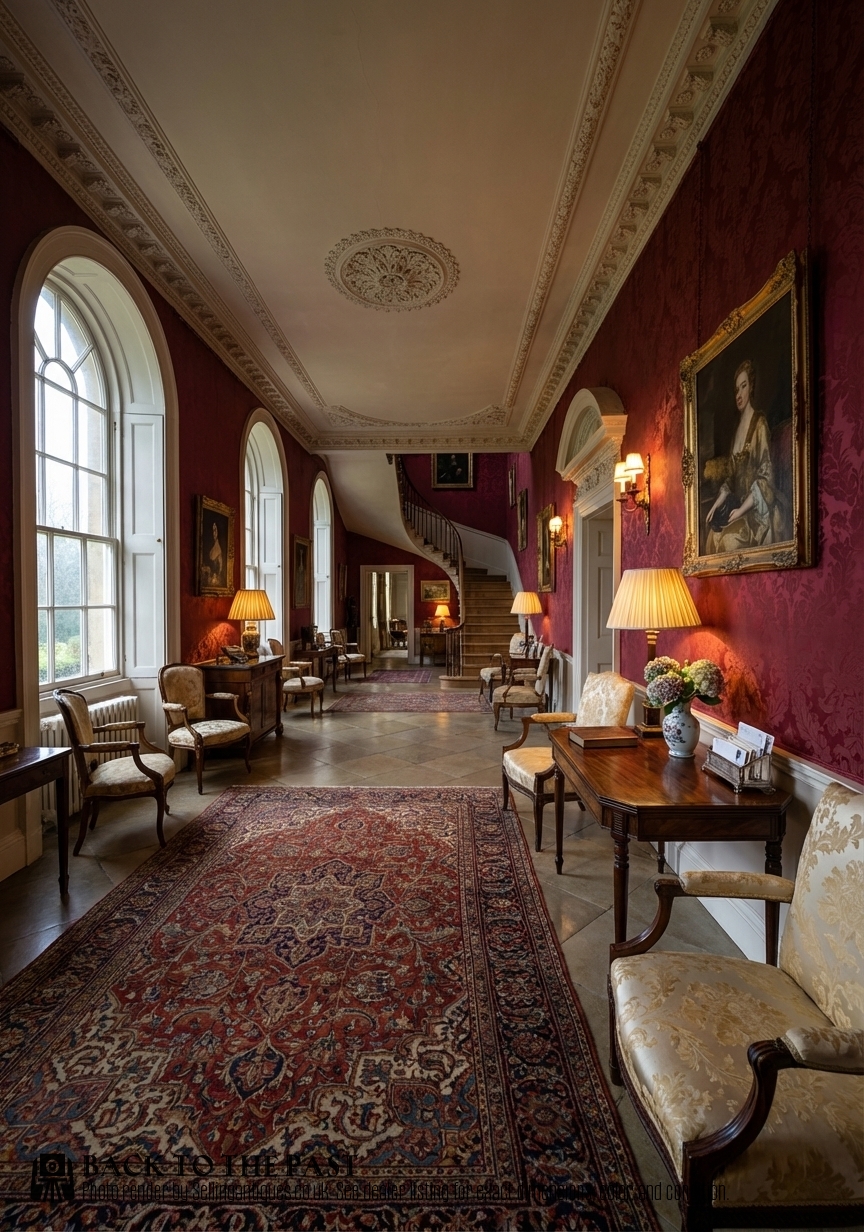
Brown Timber Console Table
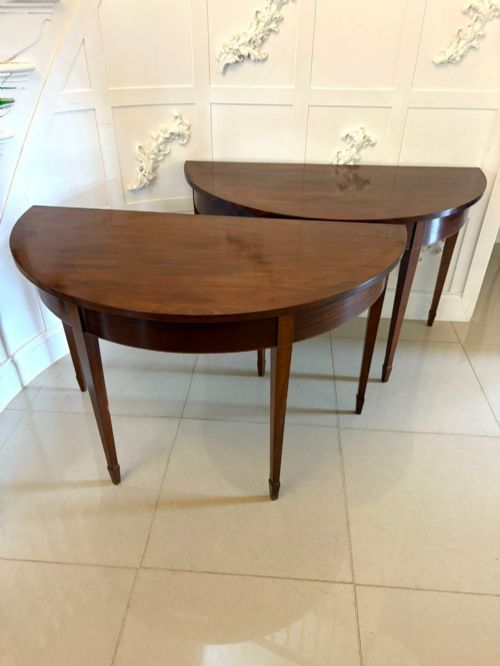
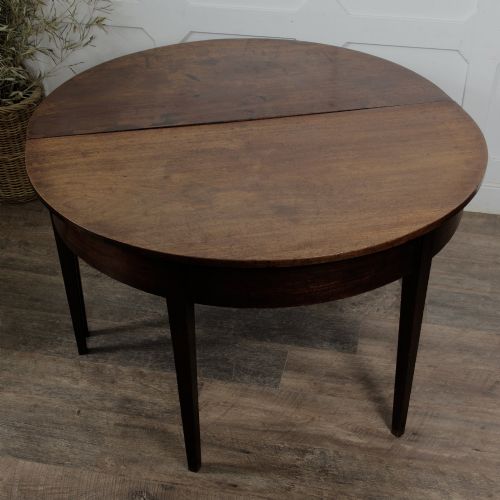
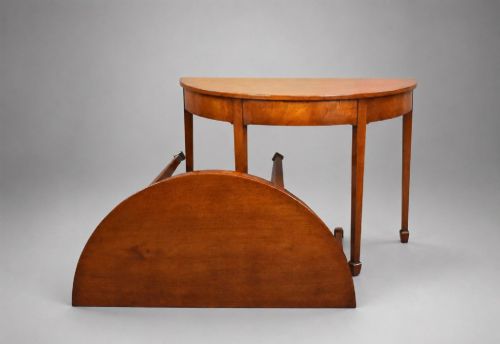
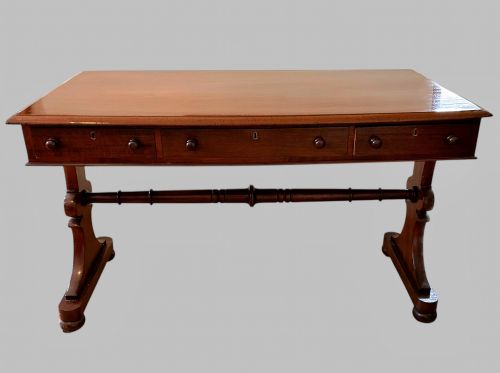
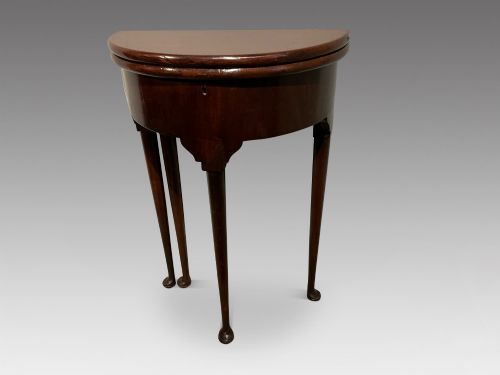
When you search for a brown timber console table, you encounter forms that span centuries of domestic life, from formal demi-lune shapes designed for reception rooms to sturdy workbenches adapted for modern interiors. The pieces on this page originate predominantly from the eighteenth and nineteenth centuries, encompassing Georgian, Victorian, and Edwardian eras alongside regional European and Asian traditions.
The selection ranges from pairs of polished mahogany serving tables and walnut card tables to rustic fruitwood lowboys and pine side tables. You will also find specialised forms such as Chinese altar tables and French cherrywood servers that share the foundational characteristics of timber construction and wall-aligned proportions.
How they were made
Cabinet-makers relied on dense hardwoods like mahogany, walnut, and oak, often figured for visual depth, combined with secondary softwoods for internal framing. Surfaces were shaped into demi-lune, serpentine, or rectangular profiles using traditional joinery, dovetailing drawer boxes, and securing plank tops to robust underframes.
Metal components such as brass handles, key escutcheons, and iron vices on workbench variants provided functional contrast to the warm tones of the timber. Finishes were applied through hand-polishing and waxing, highlighting the natural grain patterns developed over decades of tree growth.
Some French workbenches retain the heavy wooden vices and ink stains accumulated from decades of manual carpentry in provincial workshops.
What varies in quality
The distinction between tiers rests upon the selection of timber figures, such as highly figured mahogany or burr walnut, and the precision of the cabinet work in joints and drawer construction. Superior examples exhibit harmonious proportions, intact original brasses, and timber surfaces that have aged with a deep, undisturbed patina.
Lesser or more utilitarian pieces, such as provincial workbenches or plain pine tables, rely on robust utility rather than refined cabinet-making, where the value lies in honesty of construction and heavy structural timber rather than ornamental details.
Gillow
The Brown Timber Console Table Glossary
- Demi-lune
- A half-moon shape popular for console tables designed to stand flush against a wall. This form allows the table to occupy minimal floor space while providing a functional top surface.
- Lowboy
- A small seventeenth or eighteenth-century table with one or more drawers, typically supported on four slender legs. These pieces served various domestic functions including dressing or serving.
- Altar table
- A traditional Chinese table featuring elongated proportions and upturned ends, historically placed against interior walls. They are constructed from hardwoods with distinctive trestle or recessed leg joinery.
- Work bench
- A heavy utility table featuring integrated vices and thick timber tops used by artisans. Their appeal in modern interiors stems from their raw industrial materials and utilitarian history.
Brown Timber Console Table: Frequently Asked Questions
Where should I place a console table?
These tables find their traditional home against a hallway wall or beneath a mirror in a principal reception room. Their shallow depth allows them to sit comfortably in narrow circulation spaces without obstructing movement.
In contemporary settings, they function effectively behind a sofa or as a slim desk surface. The key is matching the length of the table to the wall space it inhabits.
How do I care for antique timber?
Maintain the finish by applying natural beeswax periodically to nourish the wood and preserve the surface sheen. Avoid placing timber furniture in direct sunlight or near heat sources which can cause the wood to dry and split.
Clean surfaces with a dry, soft cloth rather than using modern chemical sprays. This protects the historic patina that develops over generations of use.
What is the difference between a console and a side table?
Console tables are specifically designed to stand against a wall, often featuring finished backs only where visible or relying on wall support for stability. Side tables are freestanding items finished on all four sides and built to move around a room as needed.
Many period pieces blur these distinctions, particularly demi-lune forms that can function in multiple room layouts. Examine the leg placement and back finish to determine original intended placement.
How can I tell a Georgian table from a Victorian one?
Georgian pieces, particularly those from the George III period, often display restrained classical proportions, premium mahogany or walnut veneers, and refined bracket or tapered feet. Victorian examples tend to be heavier in scale, incorporating pitch pine, rosewood, or bolder turning on the legs.
Construction methods also shift, with machine-sawn components appearing more frequently by the later nineteenth century. Reviewing the interior drawer construction helps clarify the manufacturing era.