

End Drawer Side Table
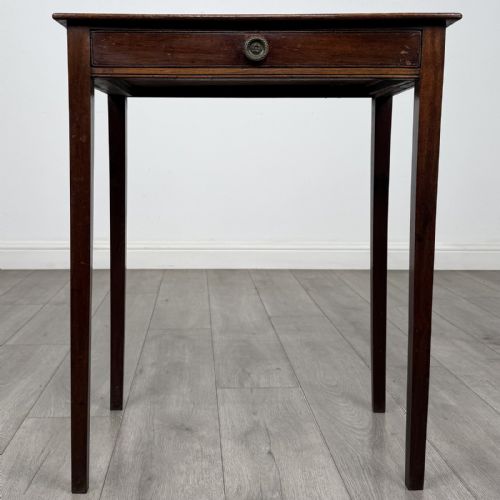
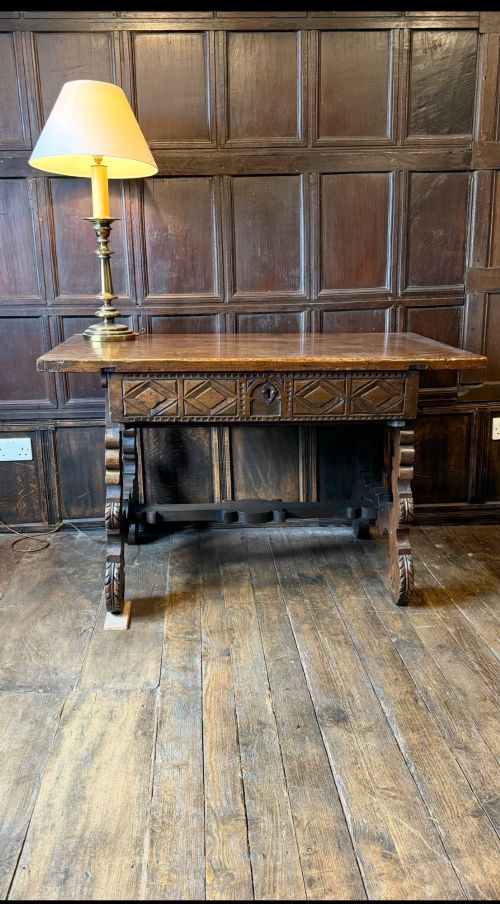
An end drawer side table serves as a compact surface with integrated storage, holding bedside lamps or parlour accessories.
End Drawer Side Table
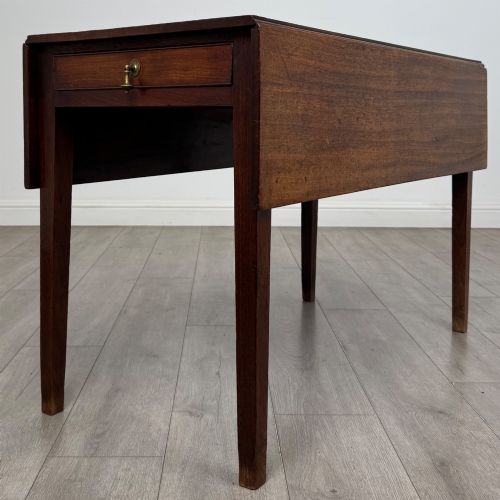
An end drawer side table is a functional surface designed for domestic use, featuring one or more built-in compartments for small items. These pieces appear across multiple historical periods, including the Georgian, Victorian, and Edwardian eras.
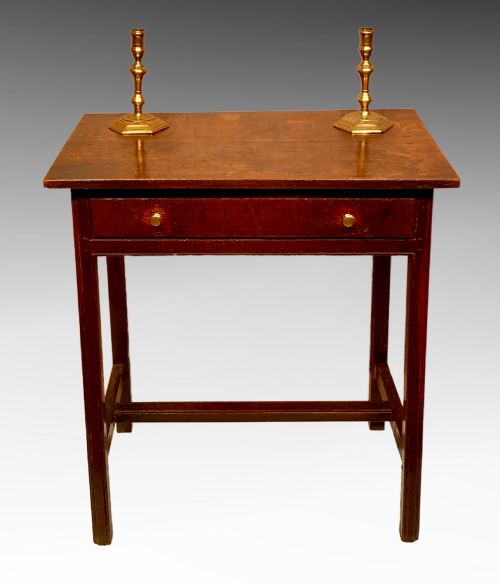
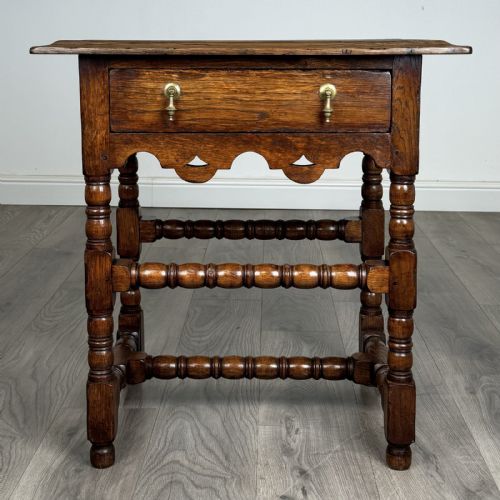
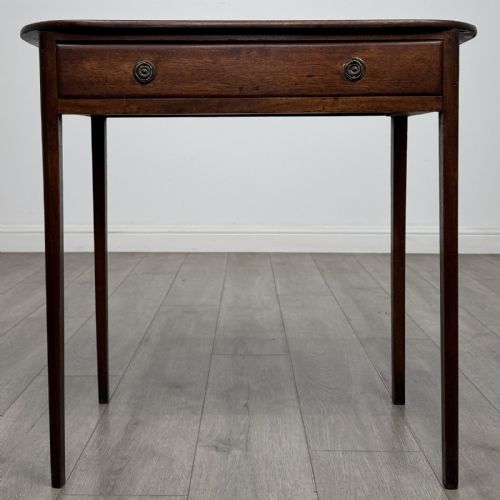
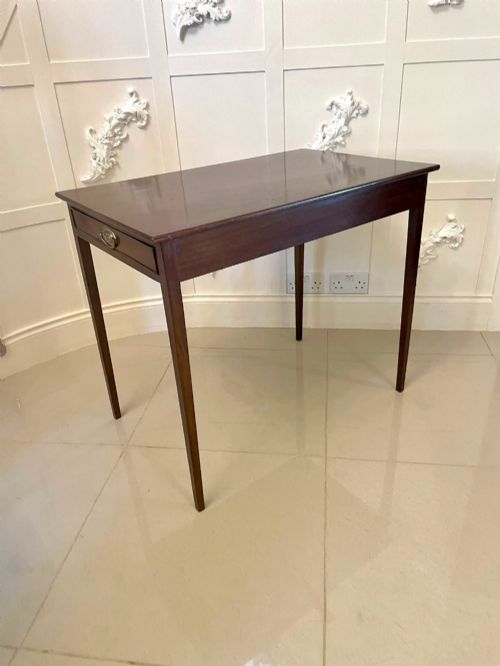
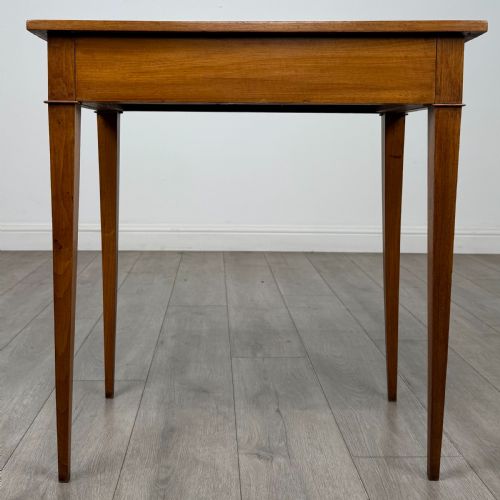
The versions most frequently met on this page are constructed from timbers such as mahogany and oak, often taking the form of compact lamp tables, bedside tables, or occasional tables.
Origins range from English workshops to continental European makers, spanning centuries of cabinet-making traditions from the seventeenth century through to the Art Deco period of the 1930s.
Materials and Construction Techniques
Cabinet makers utilised dense hardwoods like mahogany, walnut, and oak to build these tables, frequently selecting figured veneers for visual depth on top surfaces. Drawer construction often relied on traditional joinery methods to ensure durability.
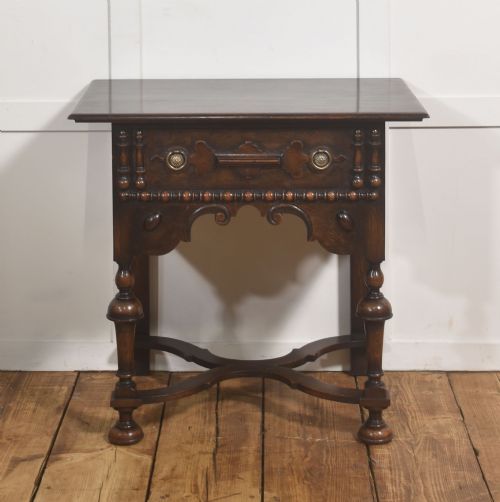
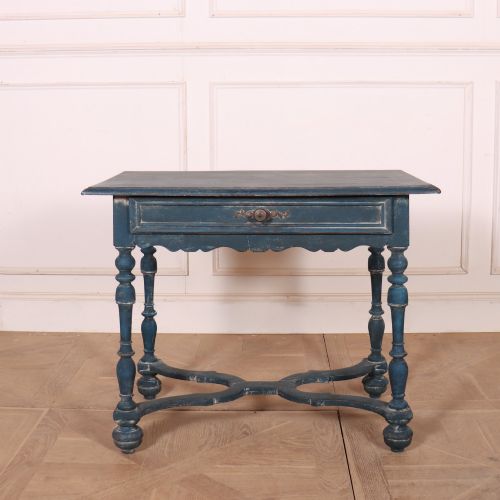
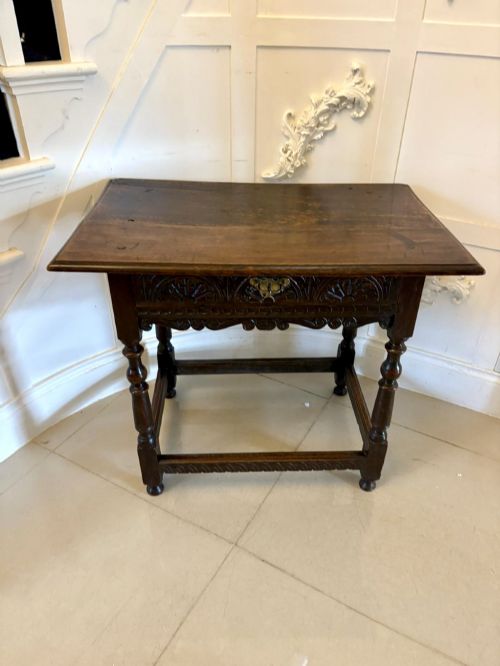
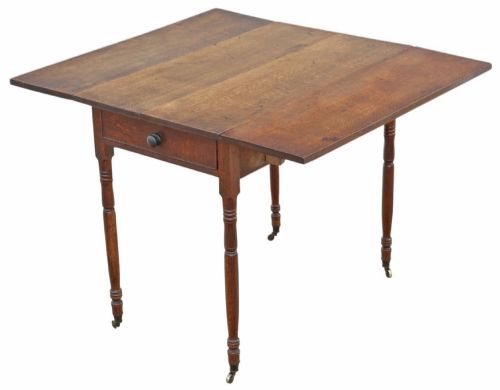
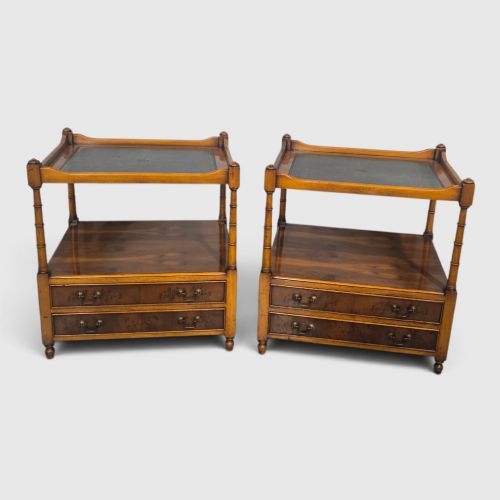
Turned supports, bobbin turned legs, and cabriole legs provide structural stability while defining the aesthetic style of the period. Secondary materials such as brass handles, leather inserts, and painted finishes appear regularly across the inventory.
Design styles represented include Georgian, Regency, Victorian, Jacobean Revival, and Edwardian cabinet-making traditions.
Assessing Craftsmanship and Materials
The selection of timber dictates the visual merit of the piece, with finely figured mahogany or matched walnut sitting above plain utility woods. Selection of grain and symmetry in veneering separate standard pieces from superior examples.
The refinement of turned legs, carved details, and the precise fitting of drawers indicate the standard of workshop execution. Original brass hardware and intact structural joinery maintain the integrity of the piece over centuries of use.
The End Drawer Side Table Glossary
- Drop Leaf
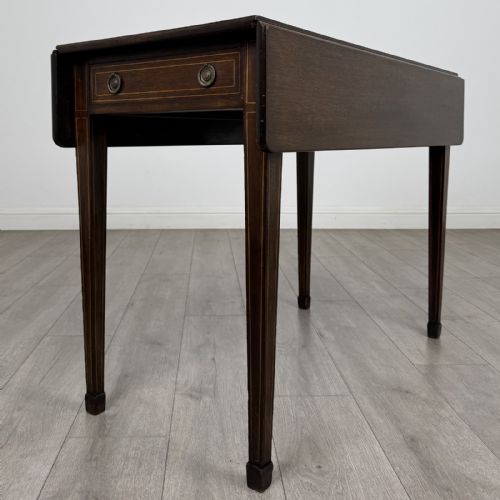
- A table top with hinged flaps on one or both sides that fold down to save space or lift up to extend the surface area.
- Bobbin Turned
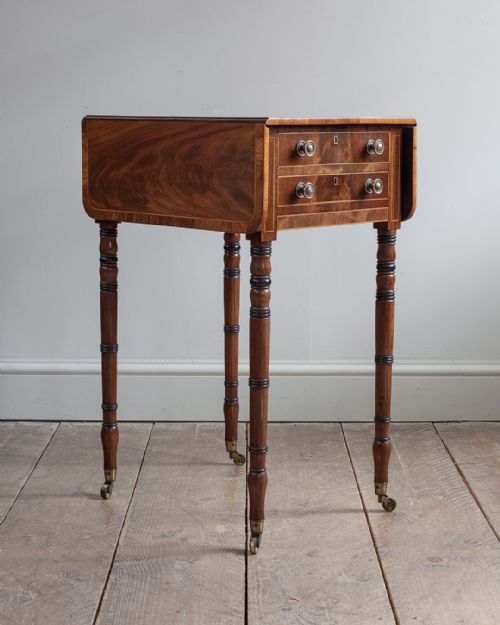
- A decorative woodworking technique where the leg or support is turned on a lathe to resemble a string of beads or bobbins.
- Satinwood
- A lustrous, yellow-toned hardwood prized by cabinet makers for fine decorative veneers and inlay work.
- Occasional Table
- A small, movable table intended for specific, temporary uses such as holding books or lamps within a room.
- Work Table
- A specialised small table equipped with drawers or compartments, originally designed for sewing and needlework.
End Drawer Side Table: Frequently Asked Questions
Where should an end drawer side table be placed?
These tables fit easily beside a sofa, chair, or bed where a compact surface and enclosed storage are required.
Their modest proportions allow them to occupy tight corners without crowding the room.
How do I care for a mahogany side table?
Keep the timber away from direct heat sources and strong sunlight to prevent the wood from drying out or fading over time.
Dust regularly with a dry cloth and occasionally apply a suitable wax to maintain the finish.
What is the difference between an occasional table and a lamp table?
An occasional table is a general term for any small movable table brought out for specific tasks.
Lamp tables are typically proportioned specifically to hold lighting fixtures at a convenient height.
How can I tell a Georgian table from a Victorian one?
Georgian pieces often display restrained classical proportions and minimal ornamentation, reflecting eighteenth-century design ideals.
Victorian examples frequently utilise heavier mahogany timbers and more robust turned supports or decorative carving.