
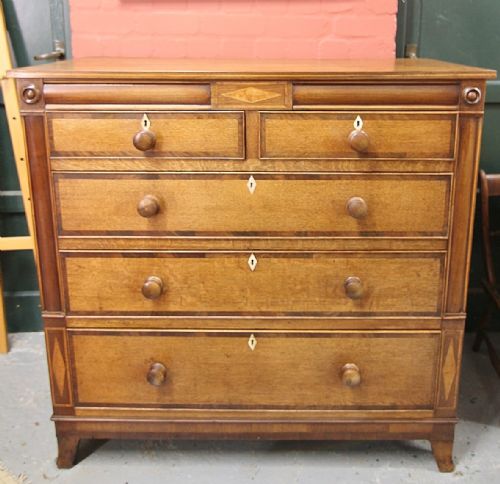
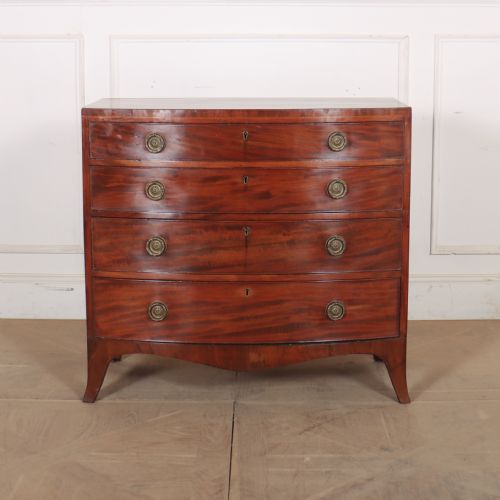


Brown Timber Commode
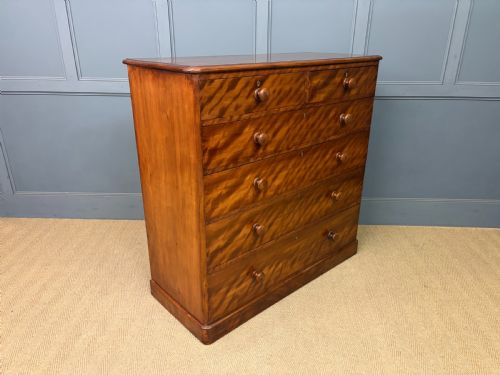
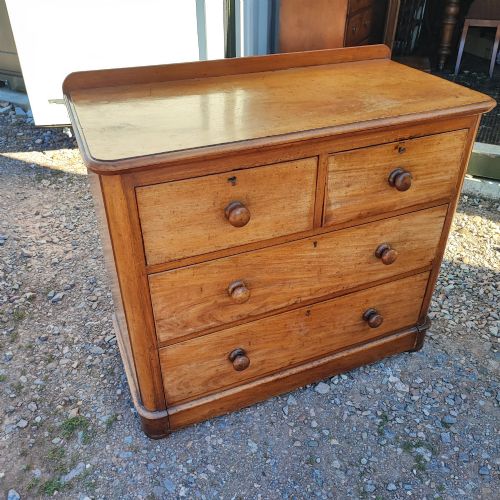
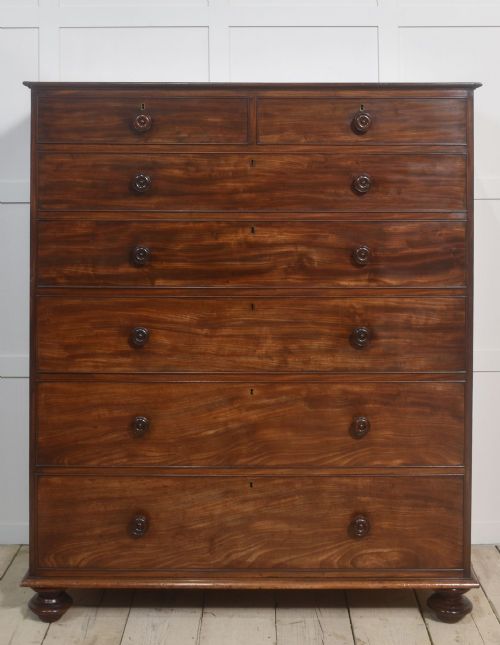
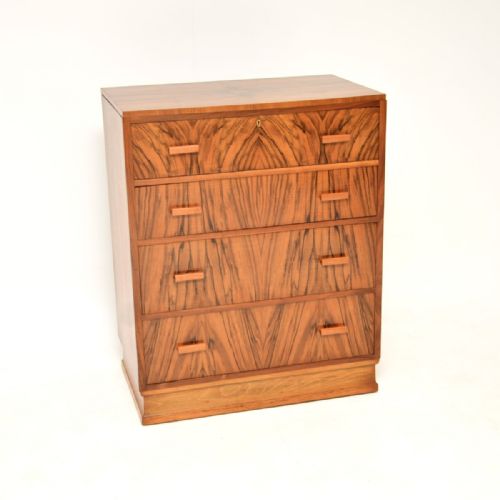
A brown timber commode brings solid mahogany, walnut, and oak storage into a room with substantial weight and presence.
Brown Timber Commode
A brown timber commode encompasses chest of drawers, commodes, and side cabinets spanning the 18th century, 19th century, Georgian, Victorian, Edwardian, and Art Deco periods. These items serve primarily as functional bedroom or living space storage while providing a distinct historical focal point.
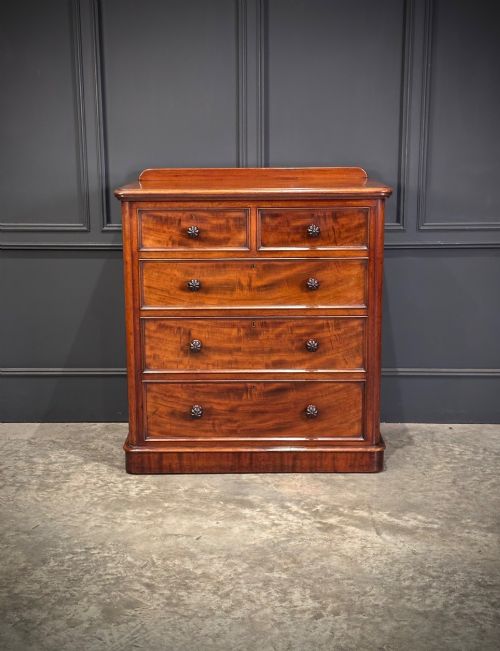
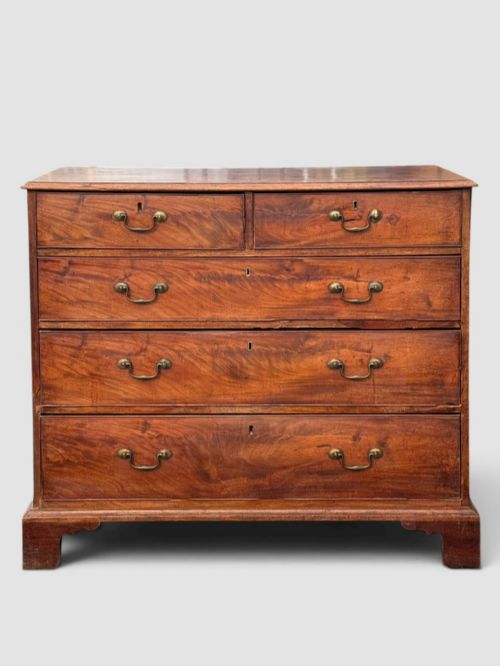
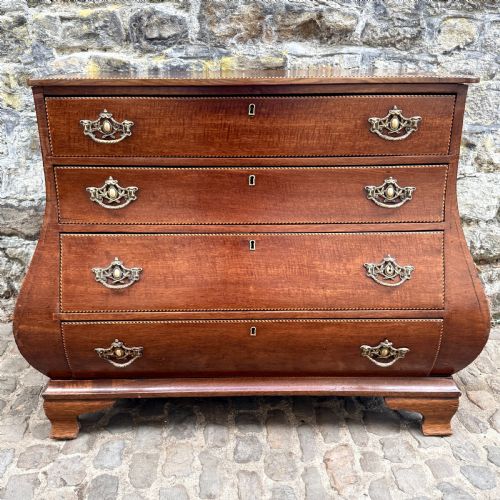
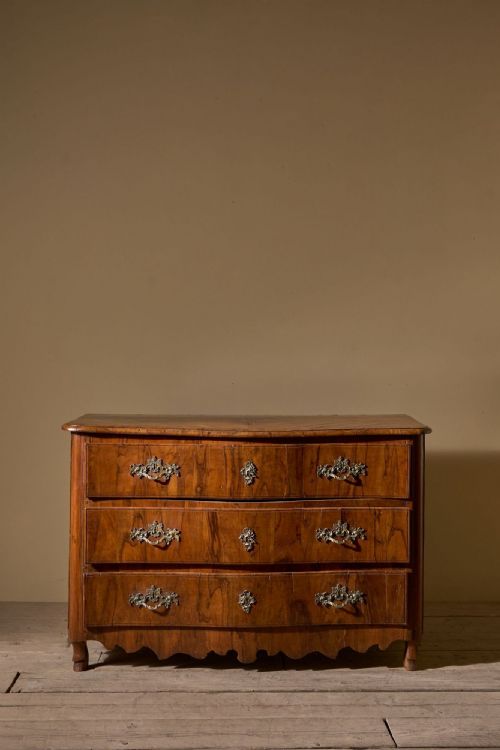
The version most frequently encountered on this page is the mahogany or walnut chest of drawers from the Georgian and Victorian eras. These pieces typically feature multiple drawer configurations, ranging from standard horizontal arrangements to bow-fronted or serpentine profiles.
Originating from English, Dutch, Maltese, and wider European traditions, these brown timber pieces demonstrate varied regional cabinet-making approaches. Forms range from tall proportions and small proportions to specialised side cabinets and dressing chests.
Materials and construction methods
Makers utilised dense timbers including mahogany, walnut, oak, and pine, frequently applying flame mahogany veneer, burr walnut, burr elm, and burr yew wood to visible surfaces. Marquetry, inlay, and brass handles provide functional and decorative contrast against the dark wood grains.
Cabinet makers joined solid carcases and drawer boxes using traditional dovetail joints to ensure durability. Surfaces received polished finishes that accentuated the natural figure of the timber.
Brown Timber Commode Retail Price Guide 2026
Typical asking prices for brown timber commode among the pieces listed under this phrase on Sellingantiques today, from the lower quarter to the upper quarter. They describe what is for sale here now, not the wider market.
Listings feature mahogany, walnut, burr walnut, olivewood, and oak across Georgian, Victorian, Edwardian, and Art Deco periods.
Evaluating quality and execution
Superior examples distinguish themselves through the choice of timber figure, such as highly decorative burr walnut or flame mahogany veneers, matched carefully across the drawer fronts. Finely executed inlay work, marquetry, and well-cast brass hardware elevate a piece from utilitarian storage to cabinet-making art.
Structural refinement separates the finest pieces, seen in tight dovetailing, smooth drawer operation, and sophisticated silhouettes like serpentine or bow-front profiles. The integration of secret drawers or secondary woods further indicates the ambition of the original workshop.
Heal & Son·William Gomm·Morison & Co
The Brown Timber Commode Glossary
- Bow-front
- A cabinet front that curves outward in a convex shape. This stylistic choice softens the rectilinear appearance of standard storage furniture.
- Serpentine front
- A front profile characterised by a central convex curve flanked by concave sections. It requires advanced woodworking skill to execute properly on a chest of drawers.
- Marquetry
- The art of applying pieces of veneer to a structure to form decorative patterns. Craftsmen use various tinted woods to create intricate pictorial designs.
- Commode
- A low chest of drawers or cabinet. In antique terminology, the word often denotes a more decorative or formal piece than a standard utilitarian chest.
- Slide
- A pull-out shelf integrated into the cabinet framework above the drawers. It provides a temporary horizontal surface for writing or sorting.
Brown Timber Commode: Frequently Asked Questions
What is a brown timber commode?
A brown timber commode is a historical storage piece, usually formed as a chest of drawers or side cabinet, constructed from woods like mahogany, walnut, oak, and pine.
These pieces originate predominantly from the Georgian, Victorian, and Edwardian eras, serving as practical furniture with significant decorative presence.
How do I identify a Georgian chest of drawers?
Georgian chests of drawers typically feature solid mahogany or walnut construction, often displaying high craftsmanship through dovetailed drawer boxes and traditional brass handles.
Look for proportions such as bow-front or serpentine profiles, and period details like bracket feet or brushing slides.
How should I live with antique brown wood furniture?
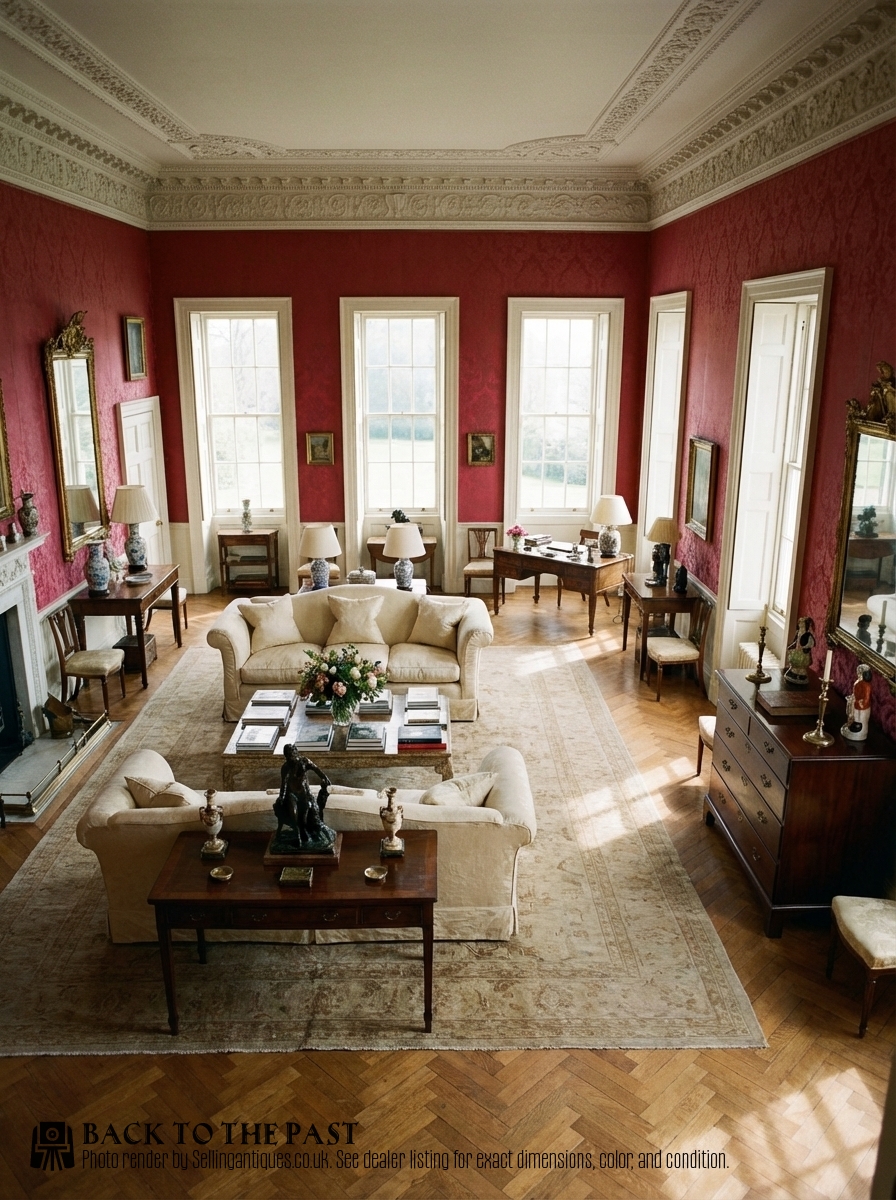
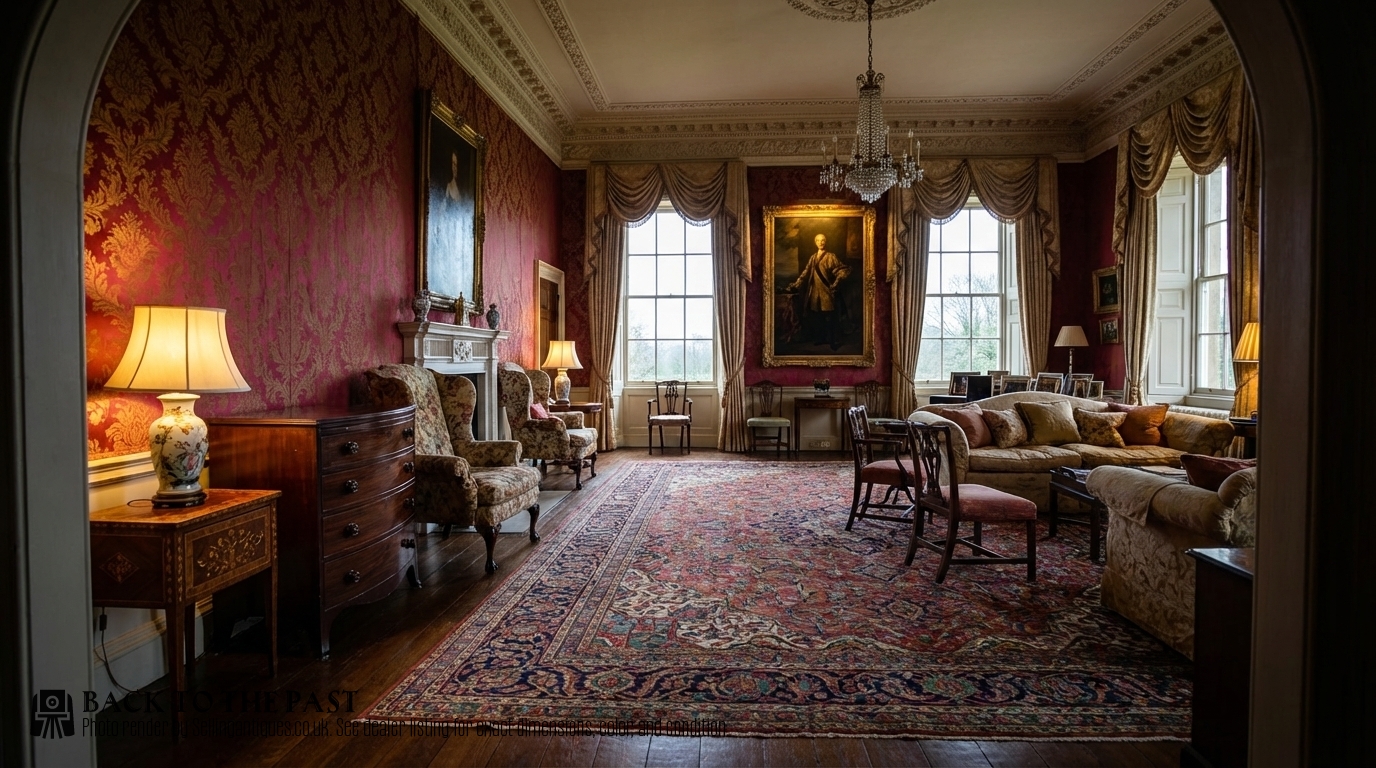
Antique brown wood furniture integrates well into contemporary and traditional interiors as functional storage in bedrooms, hallways, or living spaces.
Position these pieces away from direct heat sources and strong sunlight to protect the polished wood surfaces and delicate veneers.