

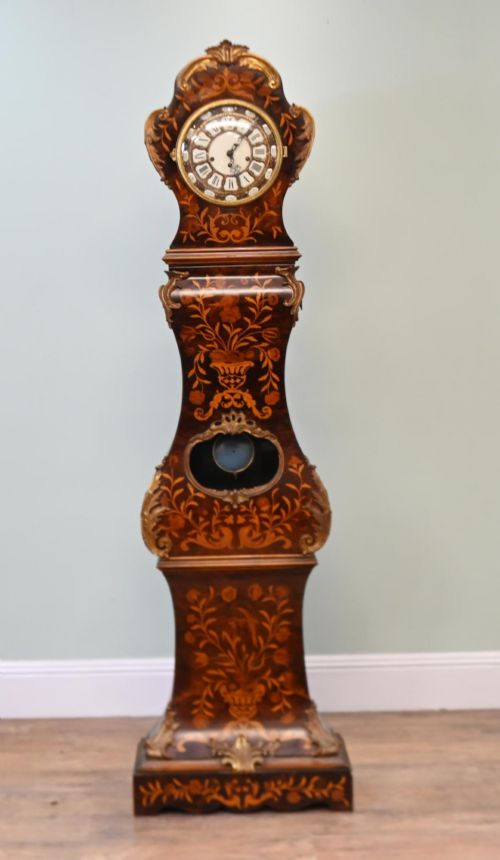
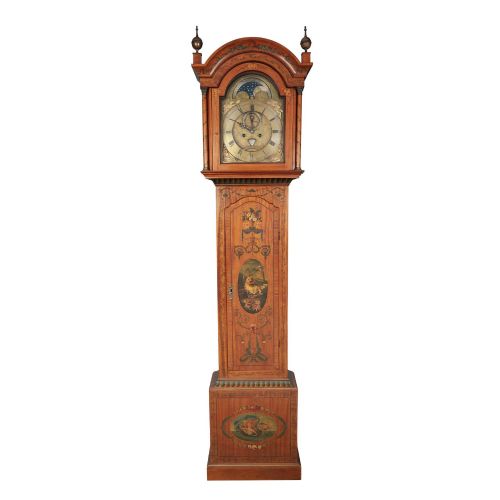
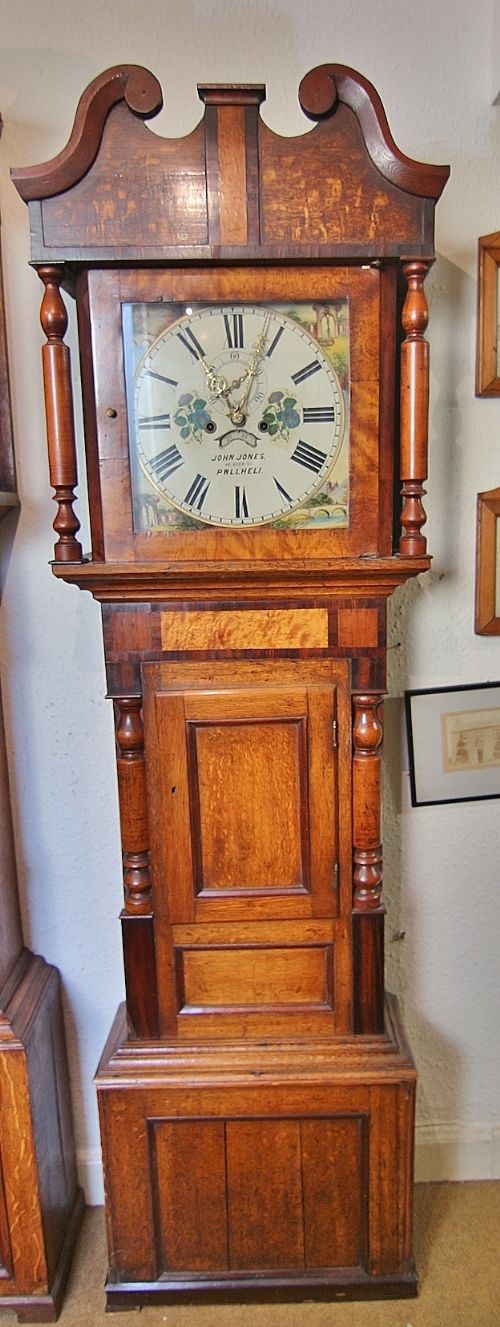
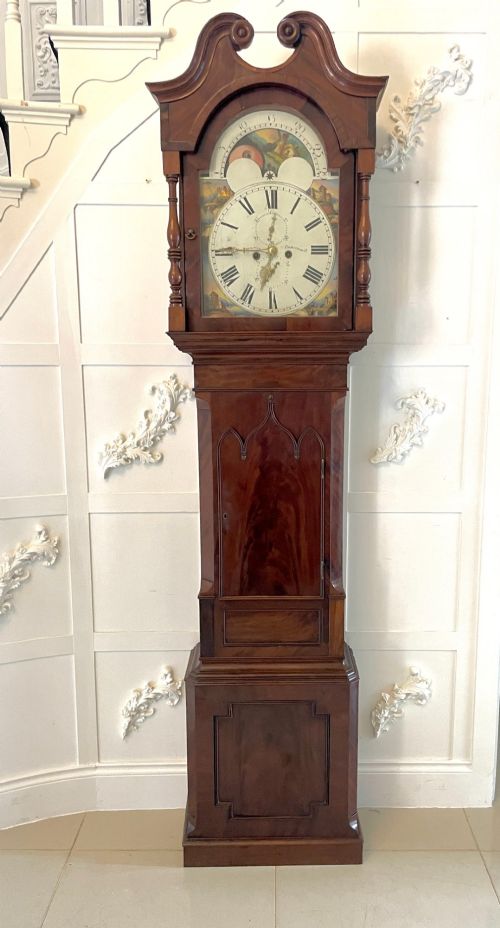
Brown Tall Clock
These brown tall clock pieces anchor a room with steady ticking and rich timber, standing as masterworks of historical horology.
Brown Tall Clock
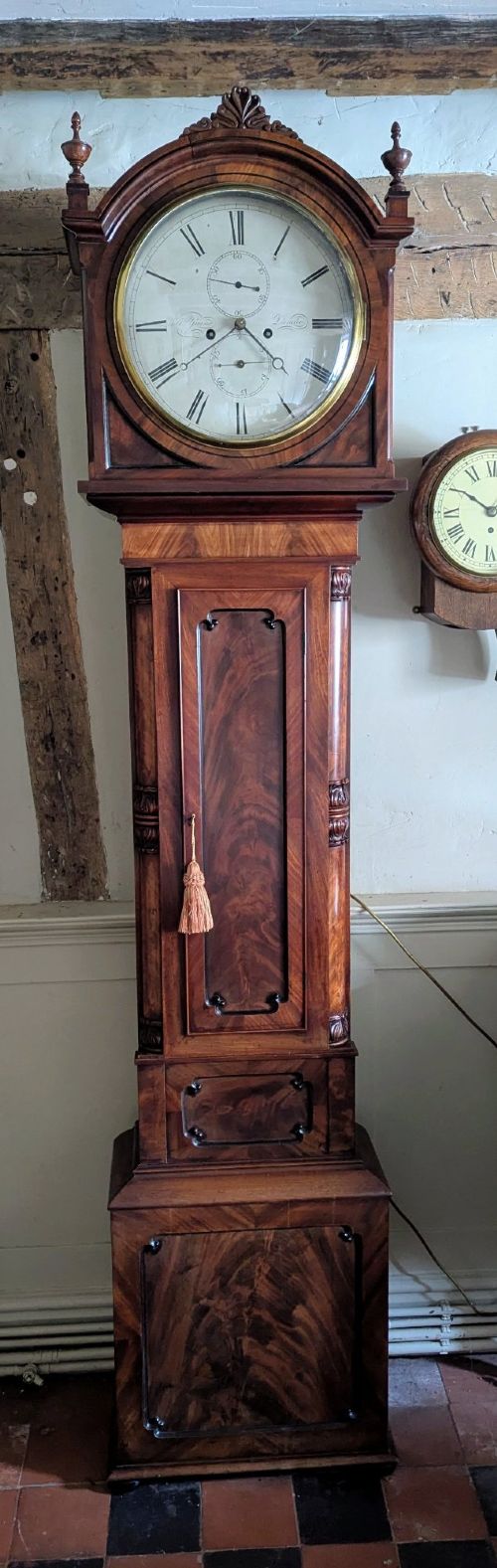
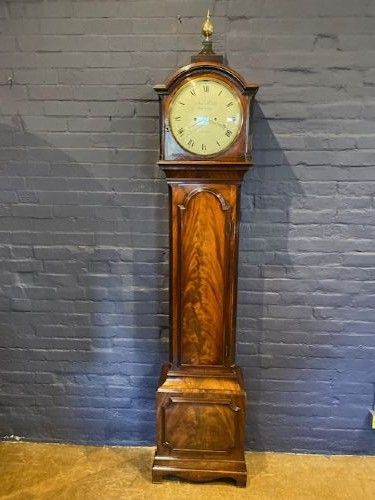
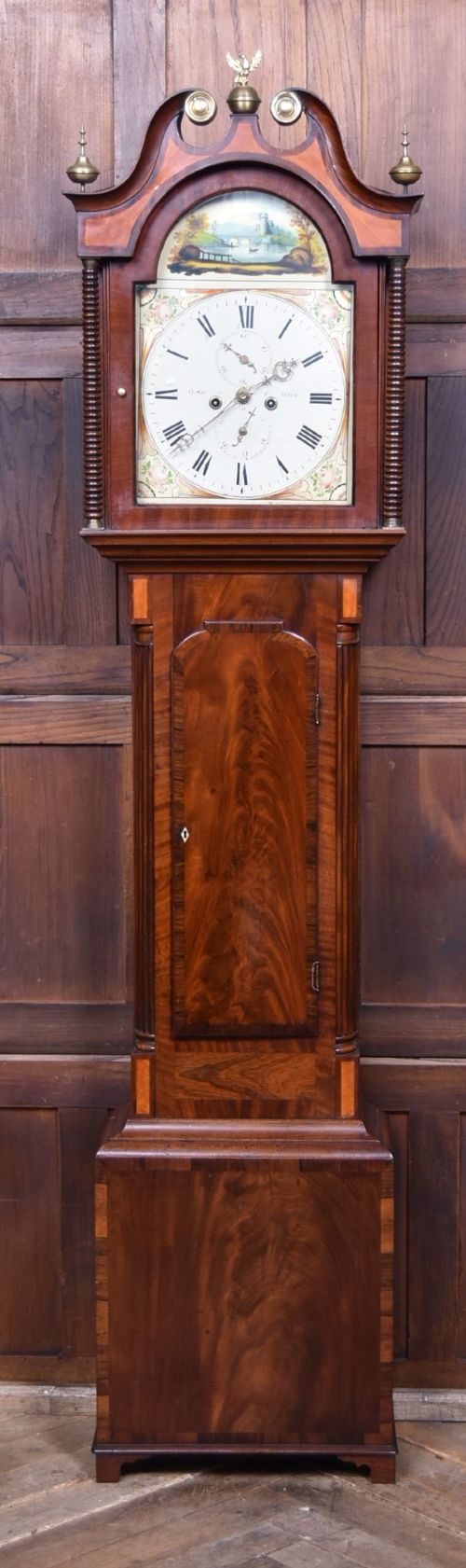
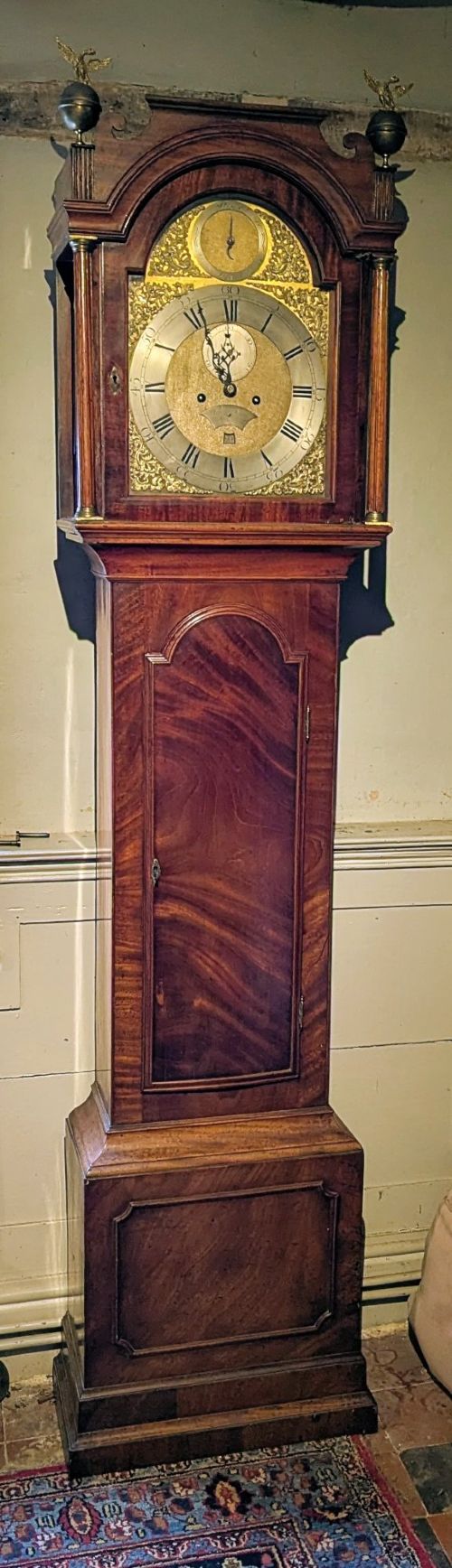
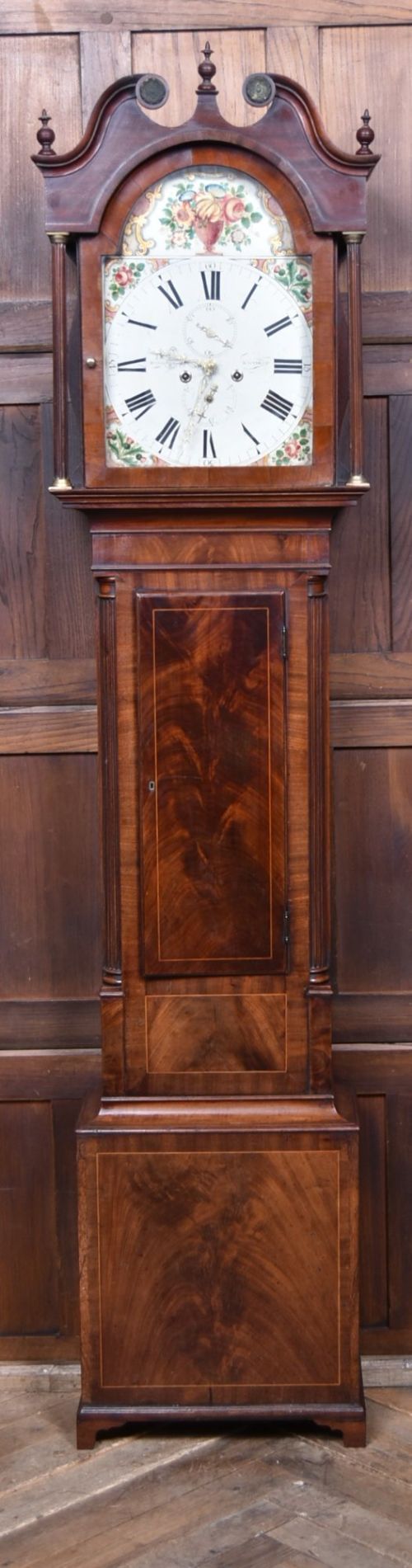
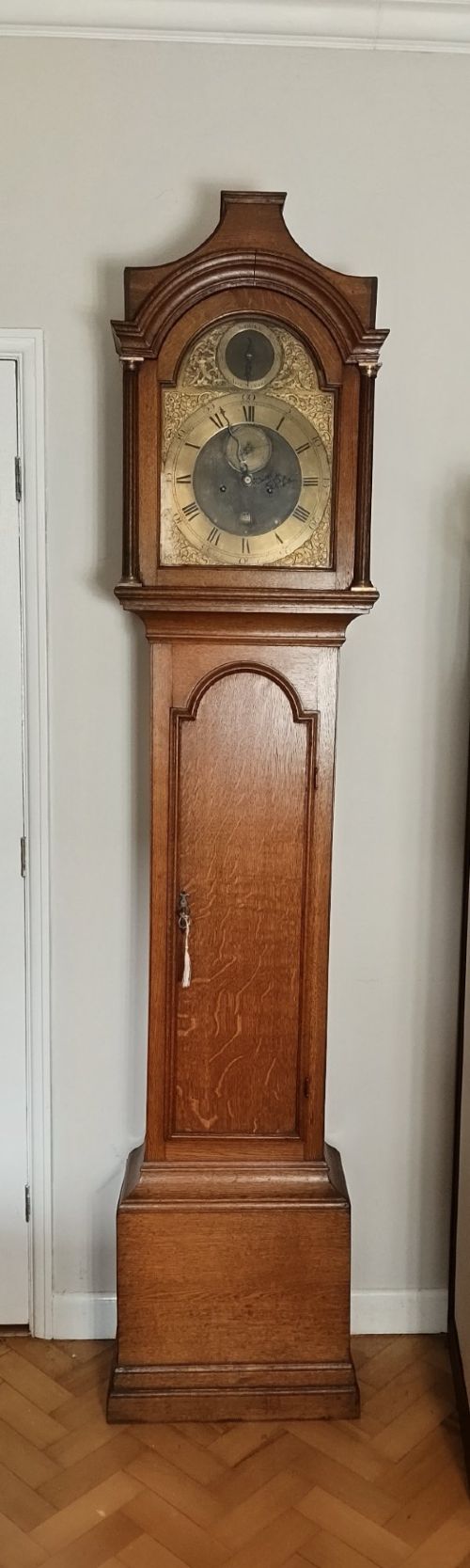
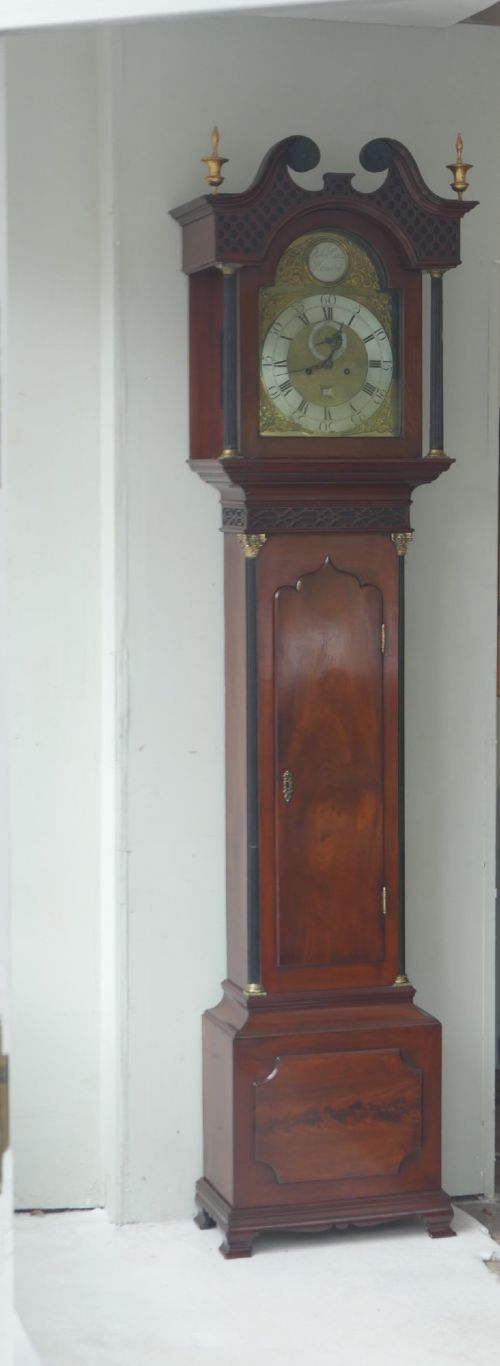
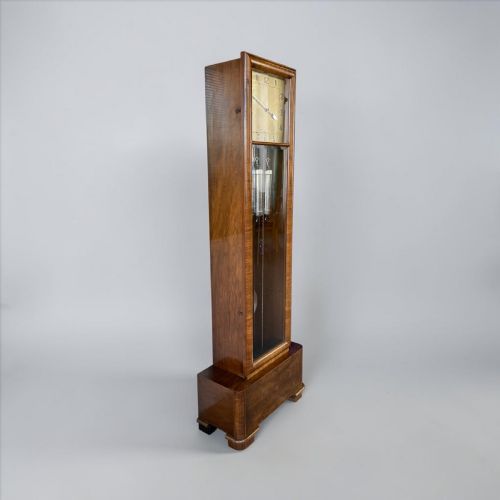
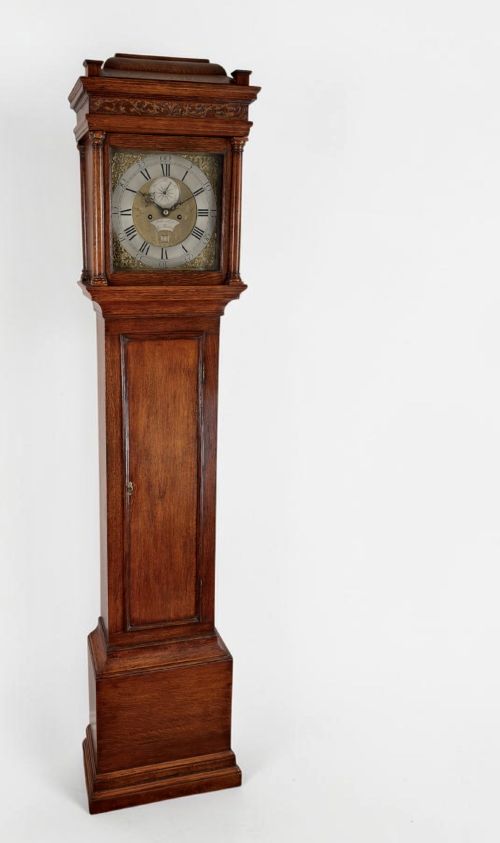
A brown tall clock stands as a floor-standing timekeeper housing weights and a pendulum within a wooden case, commonly known as a grandfather clock or longcase clock. These tall brown timber cases emerge predominantly from Georgian and Victorian periods, alongside earlier 17th Century examples.
The versions most frequently met on this page span Georgian and 19th Century iterations, featuring mahogany, oak, and walnut timber construction. Regional variations appear distinctly, including Scottish, Welsh, and English provincial makes.
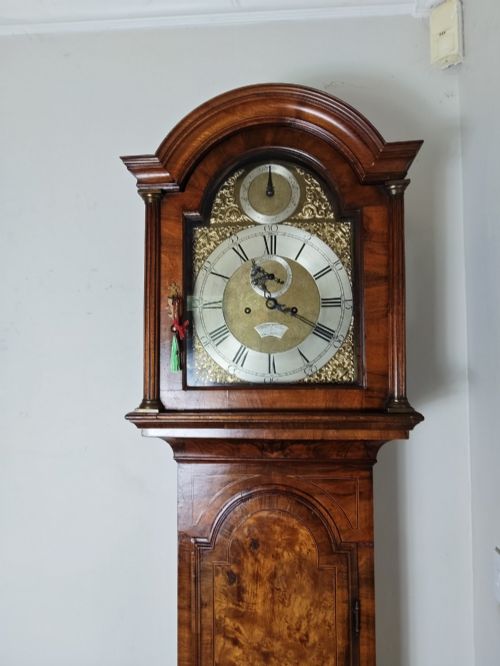
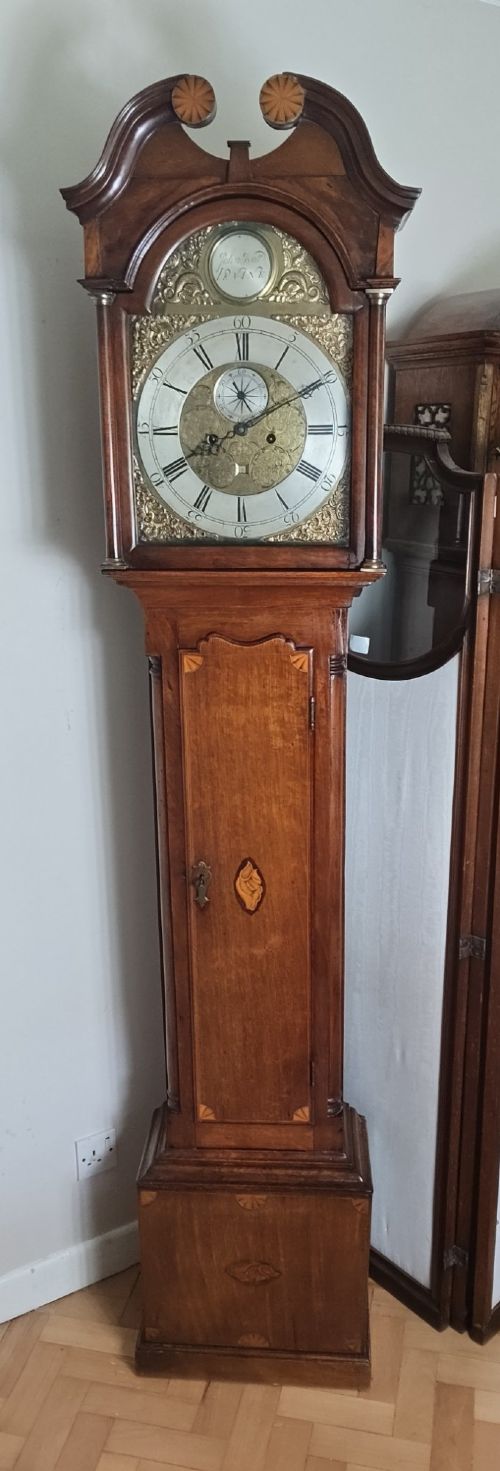
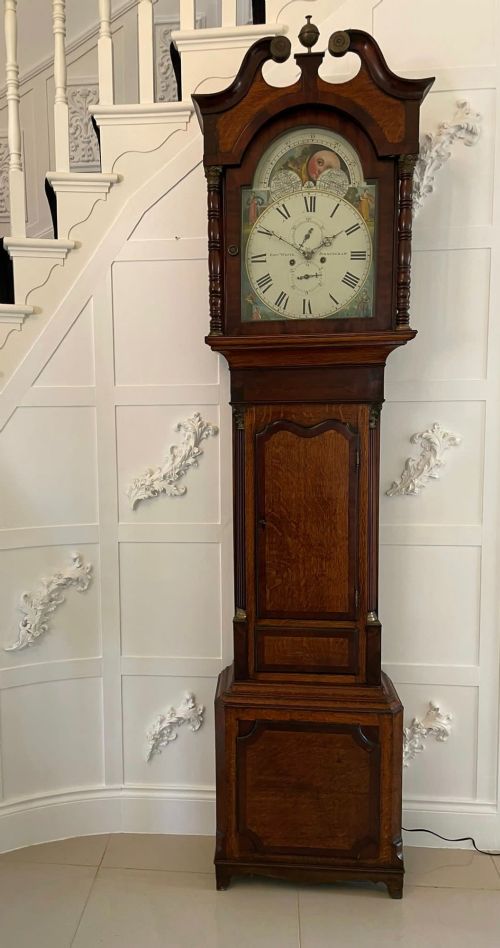
Forms range from plain architectural oak trunks to refined mahogany models with inlaid details, moonphase dials, and brass ornamentation. Each piece combines functional timekeeping with cabinetry that reflects the prevailing style of its era.
Materials and construction
Cabinet makers built these cases using solid timbers such as mahogany, oak, and burr walnut, frequently applying crossbanding, satinwood, and inlay work to enrich the surface figure. These woods were seasoned and joined with traditional methods to house the heavy mechanical movements safely.
Movements utilise brass and steel components, often driving eight-day trains, strike/silent mechanisms, or moon roller displays on painted iron or brass dials. Glass doors protect the dial face while allowing a clear view of the hands and subsidiary chapters.
Brown Tall Clock Retail Price Guide 2026
Typical asking prices for brown tall clock among the pieces listed under this phrase on Sellingantiques today, from the lower quarter to the upper quarter. They describe what is for sale here now, not the wider market.
Several clocks include painted moons that continue to track lunar phases faithfully through the centuries.
Judging quality and character
The distinction between ordinary and superior examples lies in the selection of timber veneers, the crispness of dial engraving or painting, and the integration of the movement into its case. Fine pieces display harmonious proportions and original maker signatures on the dial.
Regional cabinetry execution and the complexity of the clockwork, such as moonphase indicators or domestic regulators, separate standard provincial workshop pieces from those signed by notable makers.
Edward White Birmingham·Hendrie Ogg·Lee of Great Marlow·D Straiton·James McCabe·Handley and Moore·W Williams·William McEwan·Thomas Webbe·Edin Burgis·David Craig·Matt Wylie·John Rainsford
The Brown Tall Clock Glossary
- Longcase clock
- An upright floor-standing clock enclosed in a wooden case that protects the pendulum and weights.
- Moonphase
- A dial mechanism tracking the phases of the lunar cycle through a rotating painted disc.
- Crossbanding
- A decorative border technique where veneer strips run perpendicular to the main wood grain.
- Arch dial
- A clock face featuring a curved upper section, frequently housing auxiliary complications or maker signatures.
- Eight day
- A movement requiring manual winding approximately once a week to maintain continuous operation.
Brown Tall Clock: Frequently Asked Questions
How do I wind a brown tall clock?
Winding requires using a crank key to raise the internal weights via the winding holes on the dial face. Care must be taken not to overwind the train.
Most eight-day movements need attention once a week, keeping the pendulum swinging steadily and ensuring accurate timekeeping.
Where should I place a brown tall clock?
Position the piece against a sturdy interior wall away from direct sunlight, central heating vents, and damp exterior walls. A stable floor prevents vibrations that might interfere with the pendulum beat.
Allow sufficient clearance above the case for the hood to lift off when accessing the movement.
How do I tell an 18th century clock apart from a Victorian one?
Eighteenth-century examples often display simpler proportions with fine timber grain, brass dial mounts, and regional joinery traits. Victorian models frequently introduce larger drum heads, bolder mahogany veneers, and mass-produced painted iron dials.
Examining the interior woodwork and movement construction helps confirm the period of manufacture.
What is a moonphase dial used for?
The moonphase dial tracks the cycle of the moon using a rotating painted disc visible through an arch above the main chapter ring. Historically, this served practical purposes for navigation, farming, and evening travel.
Today, collectors prize this complication for its intricate artistry and mechanical charm.