

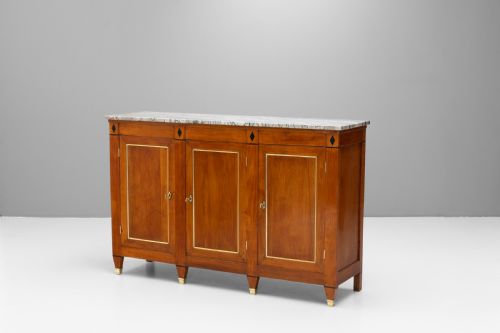
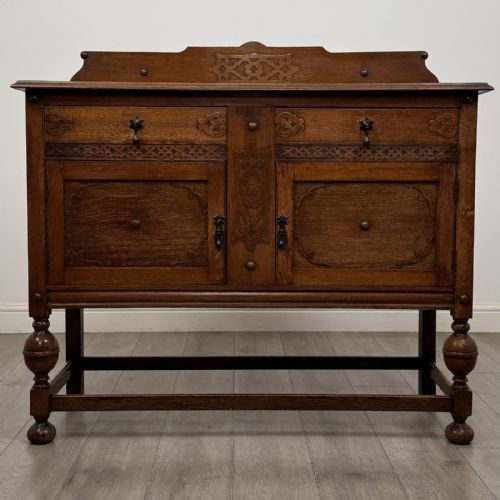
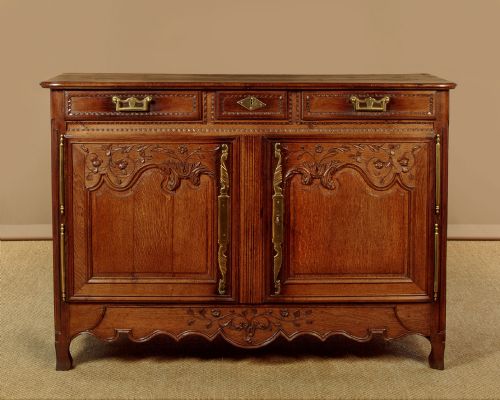
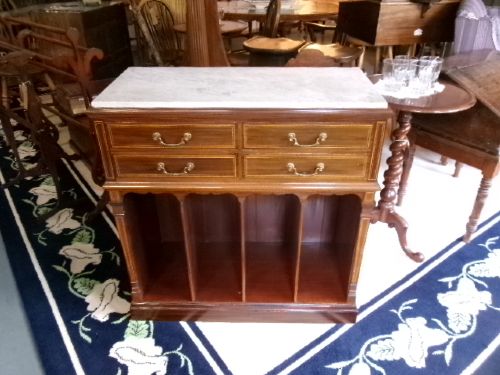
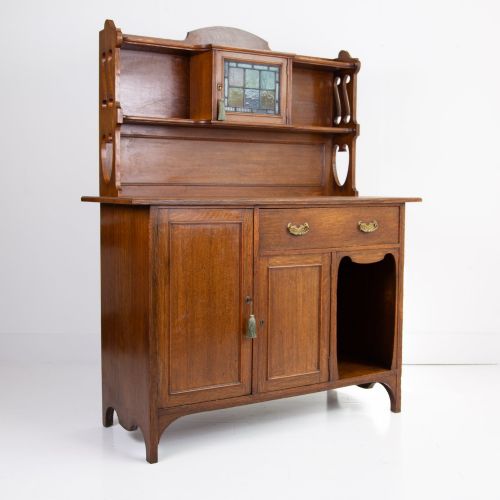
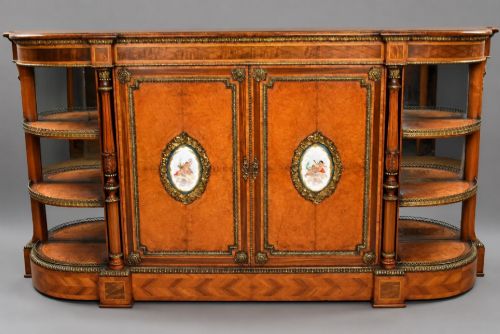
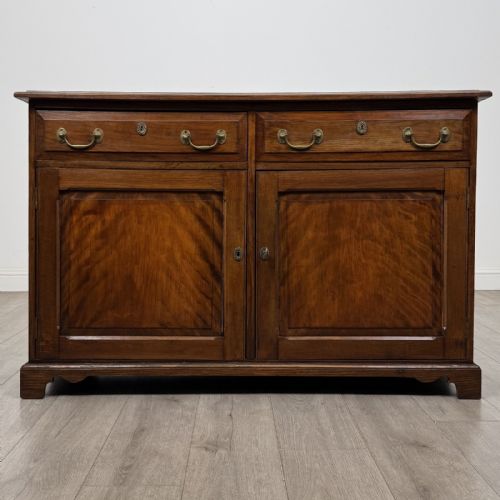
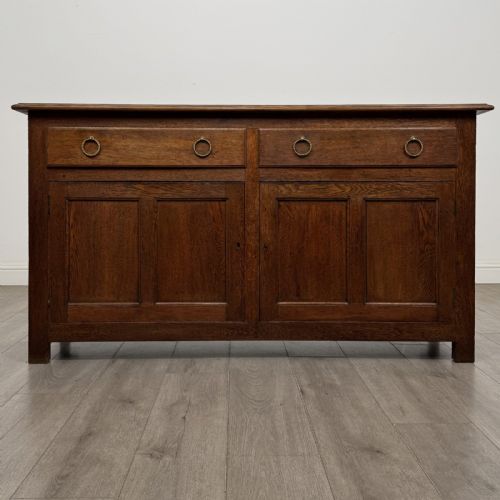
Brown Sideboard Cabinet
A brown sideboard cabinet brings practical storage and rich timber tones into a room, serving as a steadfast focal point for dining areas and living spaces alike.
Brown Sideboard Cabinet
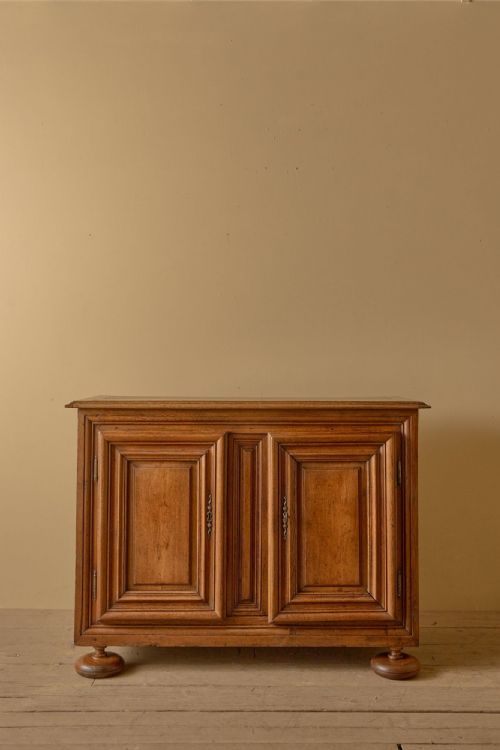
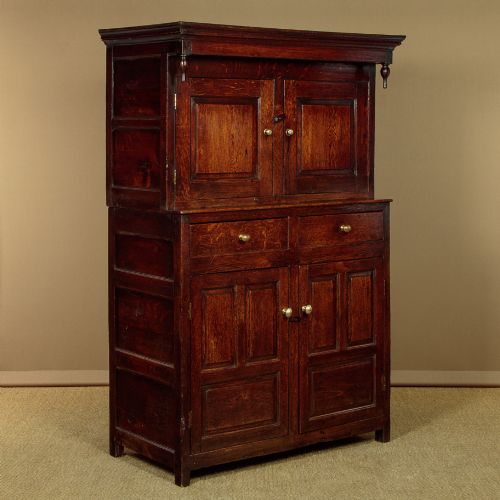
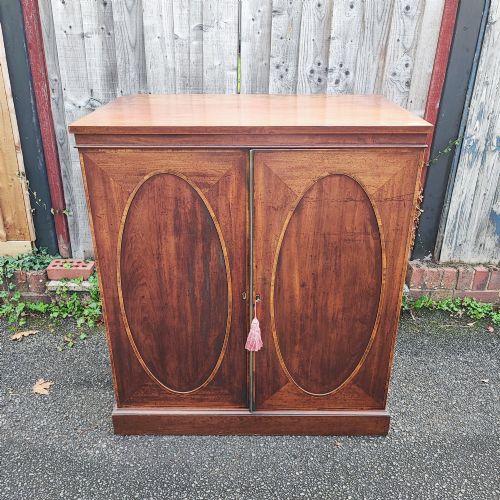
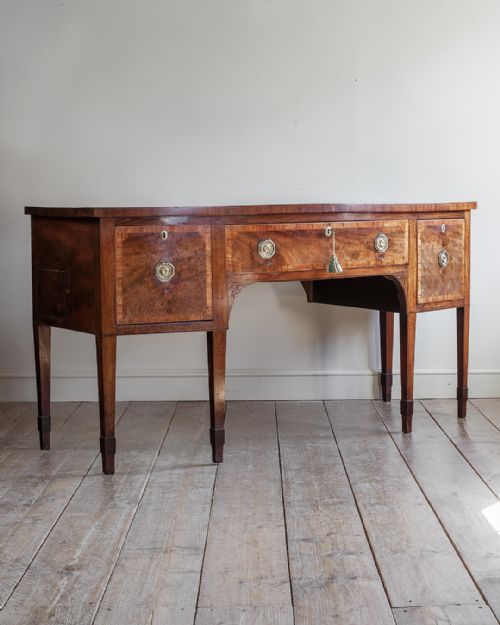
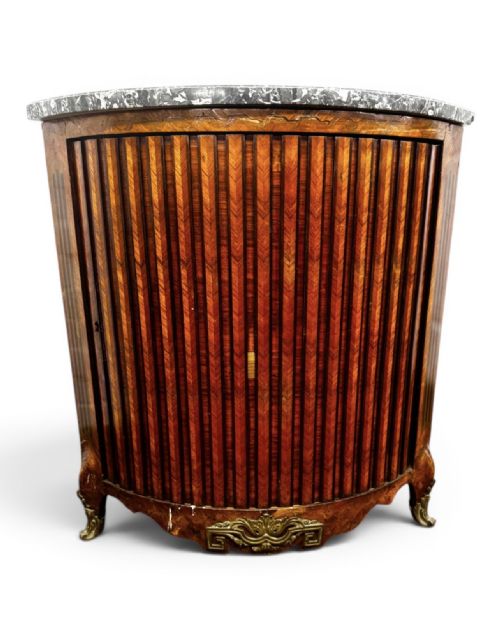
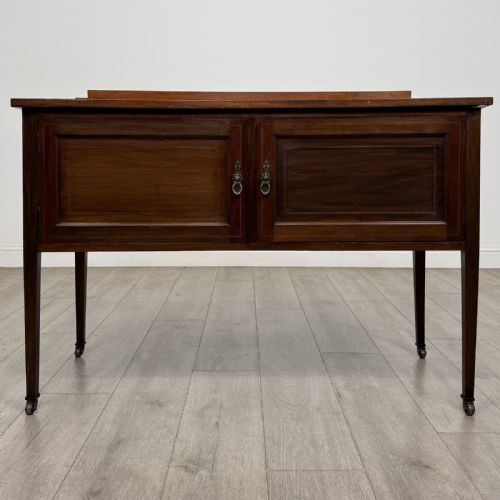
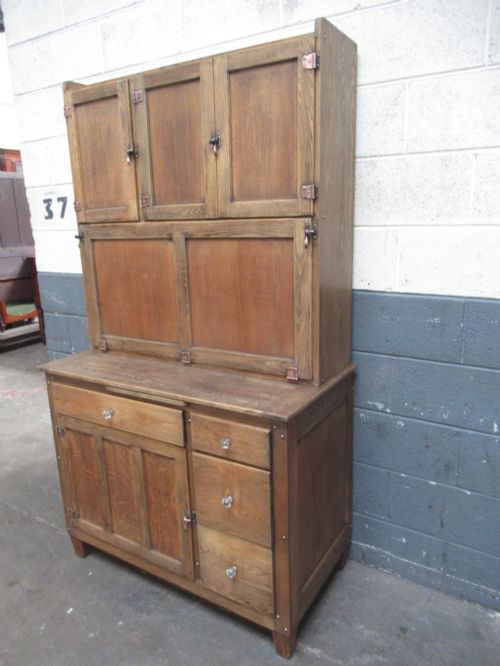
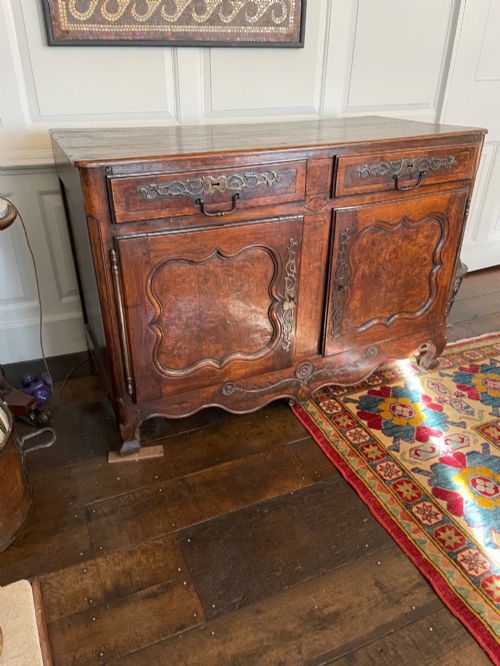
A brown sideboard cabinet encompasses a broad selection of antique and vintage storage furniture built primarily during the eighteenth, nineteenth, and early twentieth centuries. Pieces span robust oak dressers, formal mahogany pedestals, and walnut credenzas designed to hold dining ware, linens, and domestic provisions.
The specimens met on this page range from compact Edwardian side cabinets with mirror backs to large Victorian burr walnut credenzas and heavy Jacobean Revival oak cupboards. Oak and mahogany dominate the selection, appearing alongside burr walnut, flame mahogany veneer, and occasional exotic hardwoods.
Makers and regional workshops from Georgian, Victorian, and Edwardian eras applied diverse regional styles, including Gothic Revival, Regency, and Art Deco influences. Buyers encounter everything from simple fielded panel doors to intricate Green Man carvings and crossbanded satinwood details.
How they were made
Cabinet makers constructed these brown sideboard cabinets using solid native timbers such as oak and mahogany, often applying figured veneers like burr walnut or flame mahogany to principal surfaces. Panels were hand-fitted into sturdy frames to accommodate the natural seasonal movement of wood.
Decorative embellishments relied on traditional woodworking techniques including crossbanding, ebonising, and hand-carving. Brass handles, ormolu mounts, and iron hardware secured doors and drawers while adding structural contrast to the dark wood bodies.
Brown Sideboard Cabinet Retail Price Guide 2026
Typical asking prices for brown sideboard cabinet among the pieces listed under this phrase on Sellingantiques today, from the lower quarter to the upper quarter. They describe what is for sale here now, not the wider market.
Materials span traditional British oak and mahogany alongside exotic kingwood, amboyna, and burr walnut.
What varies in quality
The quality of a brown sideboard cabinet rests upon the selection of timber figures, the precision of the cabinet joinery, and the integrity of the secondary woods used for drawer linings and carcases. Superior examples display continuous grain matching across drawer fronts and doors, whereas simpler utility items rely on plain boards and straightforward construction.
Ornamental detail differentiates standard production from workshop masterpieces. Hand-carved mouldings, disciplined marquetry, and well-chosen brass or ormolu mounts elevate a piece, while later additions or heavy restorations diminish historical cohesion.
Rushworth's·G. Bartholomew & Co·Gillows·Charles Dudouyt
The Brown Sideboard Cabinet Glossary
- Crossbanding
- A border technique where thin strips of veneer are laid perpendicular to the grain of the main surface, creating a framed effect. This decorative framing appears frequently on Edwardian and Georgian mahogany pieces.
- Credenza
- A low-standing side cabinet, often featuring glass-fronted display sections and elaborate inlays, traditionally used for serving food or storing glassware. Victorian examples often incorporate amboyna and ormolu mounts.
- Bowfront
- A curved front convex in shape, designed to soften the rectangular geometry of a room. This profile is common on Georgian and Victorian mahogany sideboards.
- Fielded panel
- A wooden panel with bevelled edges that fit into a surrounding groove in a frame, allowing the panel to expand and contract. This method provides strength and stability to cabinet doors.
- Chiffonier
- A compact sideboard or low cabinet typically fitted with a raised shelf or small superstructure on top. These pieces gained popularity during the nineteenth century for smaller reception rooms.
Brown Sideboard Cabinet: Frequently Asked Questions
What is the difference between a sideboard and a credenza?
A sideboard is traditionally a utilitarian dining room piece designed for serving food and storing heavy crockery, often featuring cupboards and drawers arranged horizontally. A credenza tends to be more decorative, sometimes incorporating glass doors and fine inlays for displaying prized possessions.
While both fall under the broad category of storage cabinets, sideboards lean towards practical utility whereas credenzas emphasise formal presentation.
How do I care for a polish-finished antique cabinet?
Maintain antique timber finishes by keeping cabinets away from direct sunlight and steady heat sources that can dry out the wood and crack veneers. Dust regularly with a dry, soft cloth and apply a quality beeswax sparingly when the surface loses its lustre.
Avoid silicone-based sprays, as they penetrate old finishes and complicate future conservation work.
How can I tell a Victorian sideboard from an Edwardian one?
Victorian sideboards typically feature dark, heavy timbers, deep carvings, and substantial proportions designed for formal dining rooms. Edwardian pieces often present lighter mahogany or oak construction with simpler lines, satinwood crossbanding, and sometimes raised galleries or mirror backs.
Examining the secondary woods inside drawers and the style of decorative carving helps confirm the specific period of manufacture.
Where should I place a large oak cupboard at home?
Large oak cupboards and Welsh dressers serve well in dining kitchens, spacious hallways, or living rooms where their deep shelving and generous drawers provide functional storage. Ensure the wall space and floor load can accommodate heavy timber furniture before final positioning.
Allow sufficient clearance for doors to open fully without striking adjacent walls or furniture.