

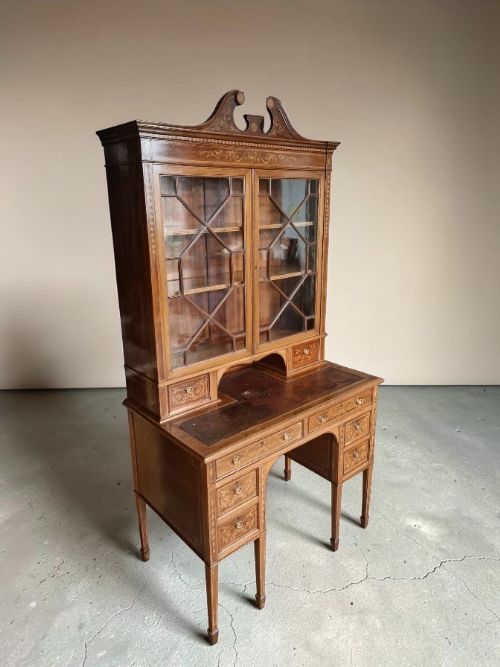
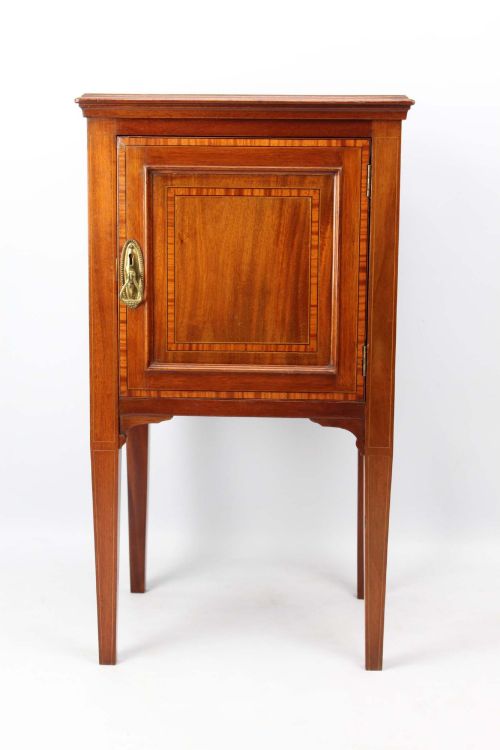
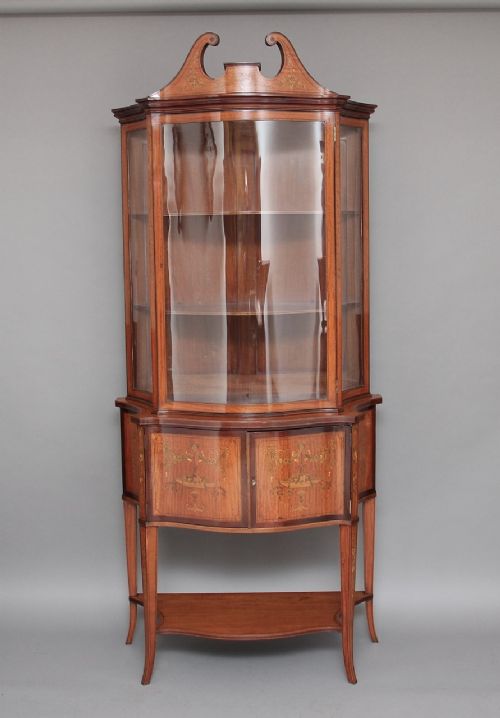
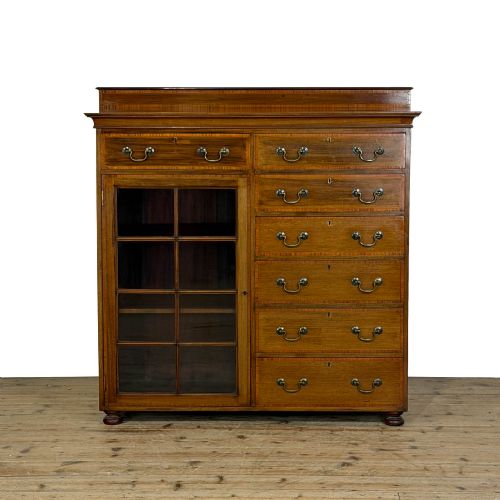
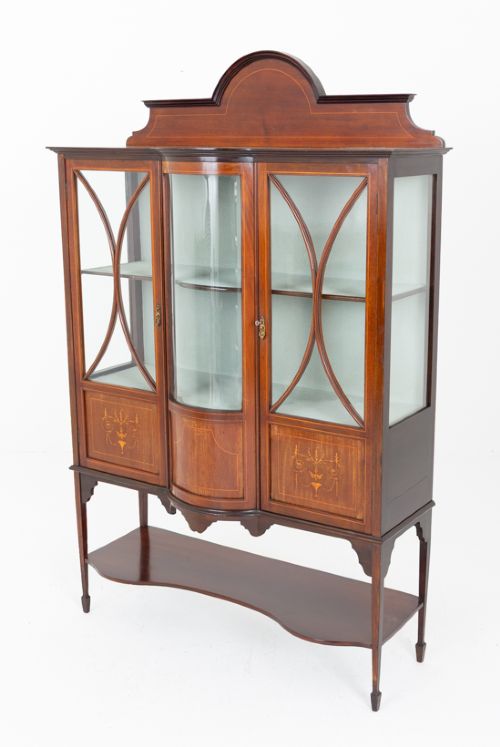
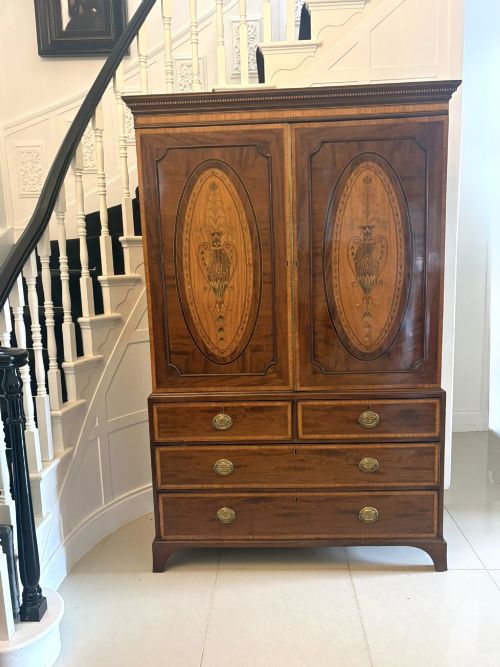
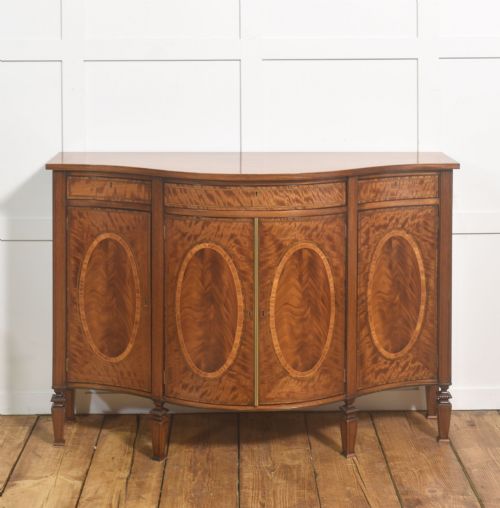
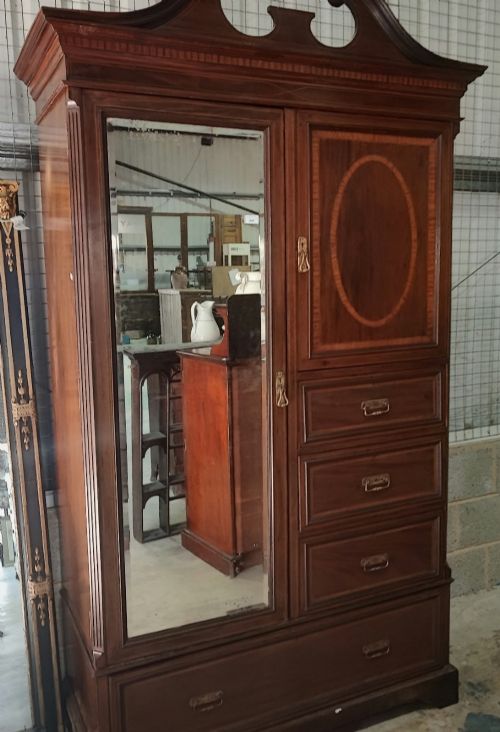
Brown Satinwood Cabinet
A brown satinwood cabinet brings golden warmth and refined inlay into a room, offering practical storage with delicate period charm.
Brown Satinwood Cabinet
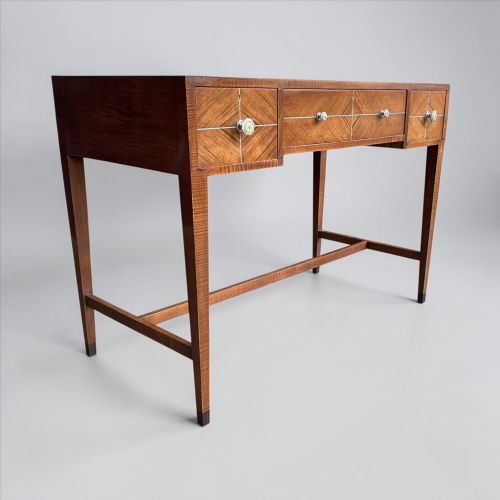
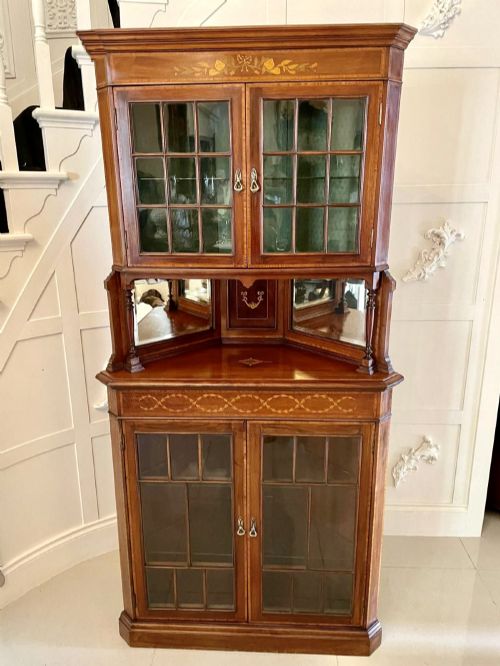
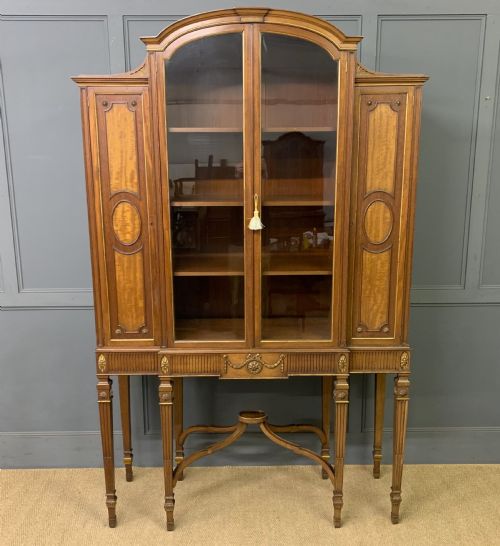
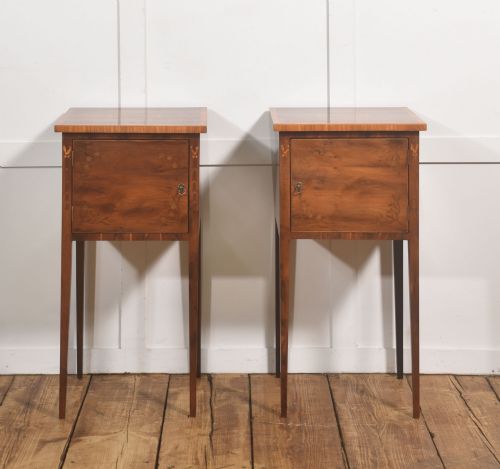
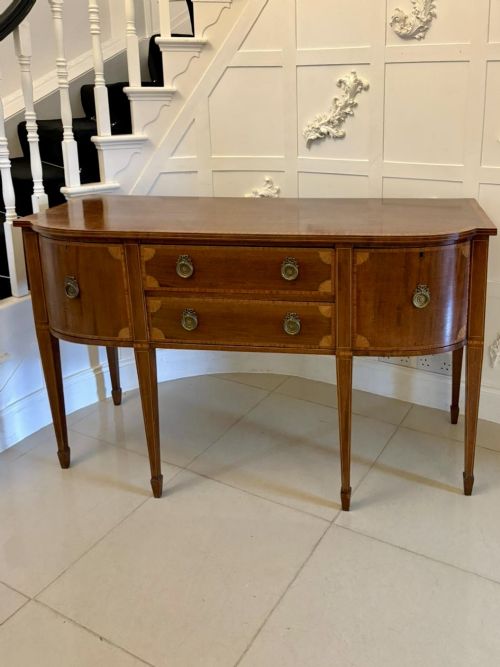
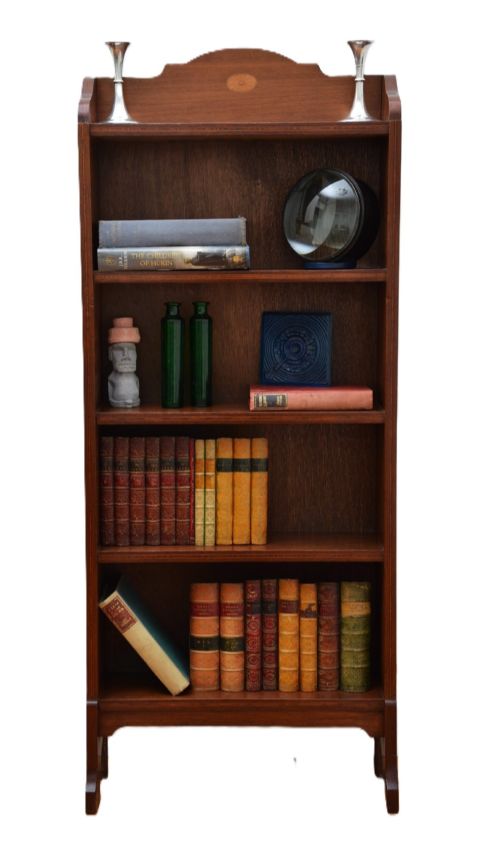
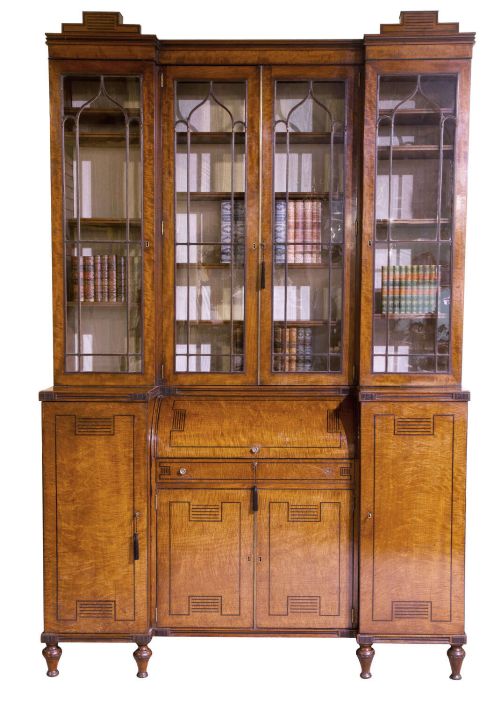
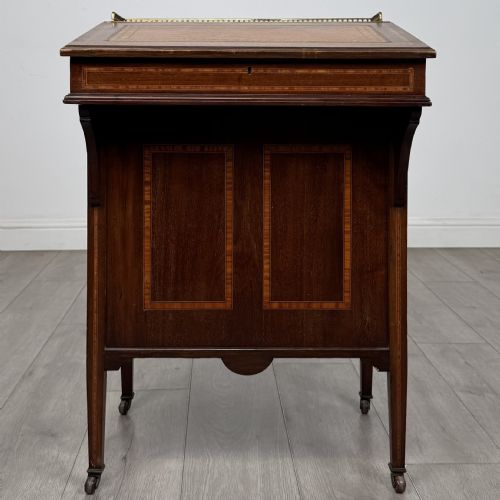
When you search for a brown satinwood cabinet, you encounter a variety of forms designed to display or store treasured possessions across different historical eras. The selection ranges from compact bedside cupboards and corner cabinets to grand display pieces, bookcases, and sideboards.
Most examples you meet on this page originate from the Edwardian period and the Sheraton Revival style, alongside pieces dating back to the eighteenth and nineteenth centuries. These items showcase skilled cabinet-making traditions, frequently combining satinwood and mahogany with contrasting inlay work.
Materials and Construction
Craftsmen built these pieces using solid timbers and fine veneers, predominantly utilising satinwood and mahogany as the main structural and surface materials. They applied contrasting stringing and banding in boxwood to delineate panels and drawers with geometric precision.
Makers embellished surfaces with delicate marquetry and painted details, incorporating glass panels for display items and brass hardware for handles and locks. Structural integrity relied on traditional joinery techniques suited to the particular demands of cabinets, bookcases, and sideboards.
Brown Satinwood Cabinet Retail Price Guide 2026
Typical asking prices for brown satinwood cabinet among the pieces listed under this phrase on Sellingantiques today, from the lower quarter to the upper quarter. They describe what is for sale here now, not the wider market.
Listings feature items from the eighteenth, nineteenth, and twentieth centuries, utilising satinwood, mahogany, brass, and glass.
Assessing Quality
Quality reveals itself in the selection of timber veneers and the crispness of the marquetry inlay. Superior pieces display carefully matched grain patterns and harmonious contrasts between the golden satinwood and darker framing woods.
The refinement of hand-carved details, the precise fitting of doors and drawers, and the integration of original brass fitments separate exceptional examples from standard production. Artisanal execution in the painted motifs and structural joinery dictates the overall standing of each cabinet.
Edwards and Roberts·Waring and Gillows·Druce and Co·A. F. Lloyd
The Brown Satinwood Cabinet Glossary
- Satinwood
- A dense, lustrous timber with a natural golden sheen, utilised extensively for veneers and fine cabinetwork. It provides a bright contrasting surface for detailed inlay and painting.
- Crossbanding
- A border of veneer laid around the edges of a panel or drawer front so that the grain runs at right angles to the central field. This technique frames the primary wood and adds visual depth.
- Sheraton Revival
- A late nineteenth and early twentieth century design movement that reinterpreted the light, classical furniture forms of the eighteenth-century designer Thomas Sheraton. It relies heavily on satinwood, fine proportions, and classical inlay motifs.
- Marquetry
- The art of applying pieces of veneer to a structure to form decorative patterns and pictorial designs. Craftsmen use various tinted woods to create contrasting pictorial scenes.
- Bijouterie Cabinet
- A specialised glass-topped display case designed specifically for exhibiting small valuables, jewellery, and curiosities. These cabinets often feature glazed sides to maximise light exposure on the objects within.
Brown Satinwood Cabinet: Frequently Asked Questions
What periods do these cabinets represent?
The pieces span multiple centuries, ranging from eighteenth-century George III examples to nineteenth-century Victorian pieces and twentieth-century Edwardian creations.
Many items reflect historical revivals, particularly the Sheraton Revival style popular around nineteen hundred.
How do satinwood and mahogany combine?
Makers frequently used mahogany for structural frames, carcases, and primary surfaces, applying satinwood veneers for panels, drawer fronts, and decorative banding.
This combination created a striking contrast between the deep reddish-brown of the mahogany and the golden radiance of the satinwood.
Where were these cabinets placed originally?
Bedside cabinets and wardrobes suited the bedroom suites of large townhouses and country residences, while display cabinets and bookcases occupied formal reception rooms.
Smaller pieces like chests and commodes fitted neatly into drawing rooms and dressing areas for daily personal use.
How is inlay used on these pieces?
Inlay techniques involve inserting contrasting woods such as boxwood into recesses to form geometric borders, classical urns, or floral motifs.
This meticulous ornamentation highlights the structural lines of doors, cornices, and friezes.