





Brown Pottery Urn
These brown pottery urn vessels and similar forms offer tactile earthen warmth, bringing historical craft directly into domestic spaces.
Brown Pottery Urn
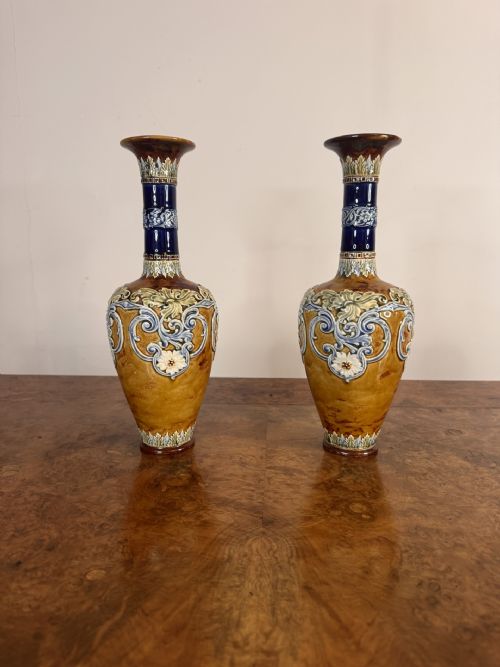
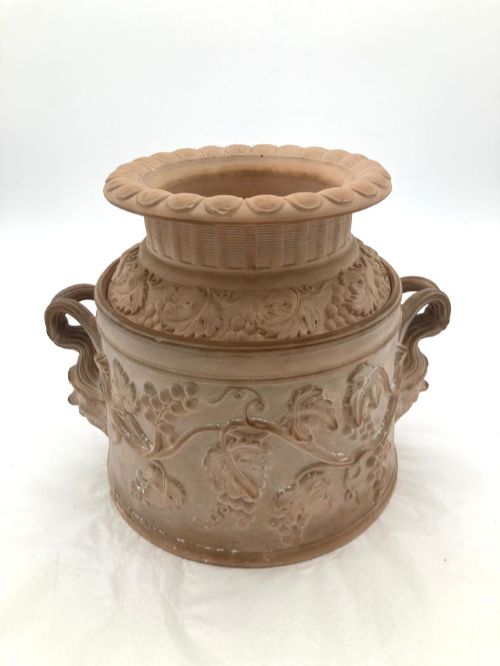
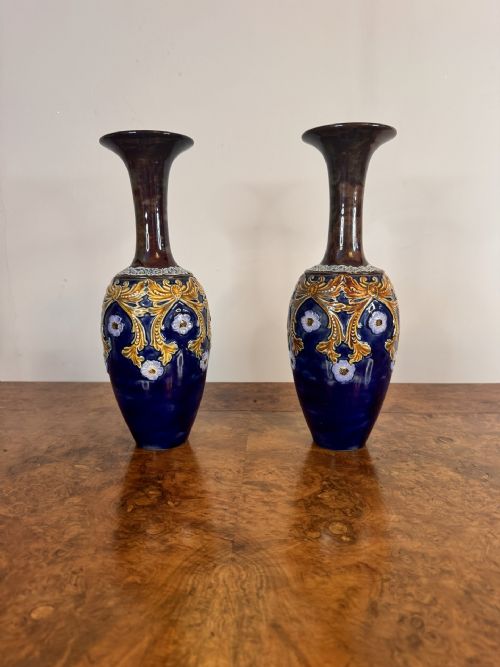
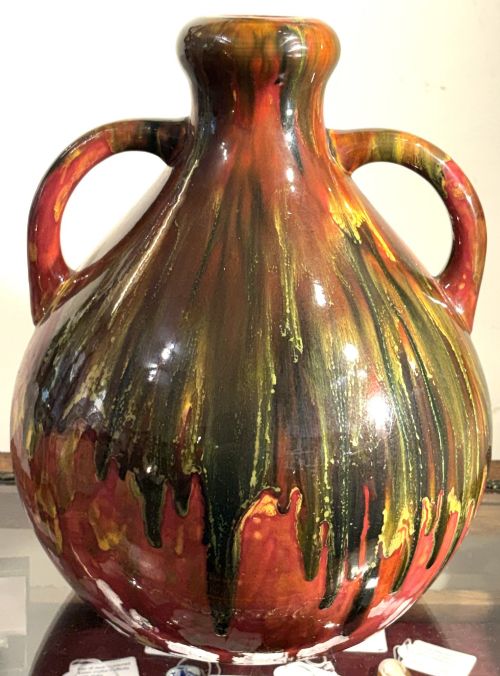
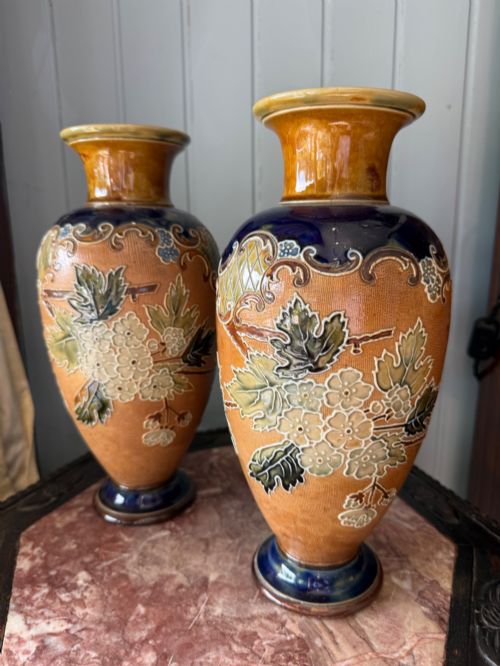
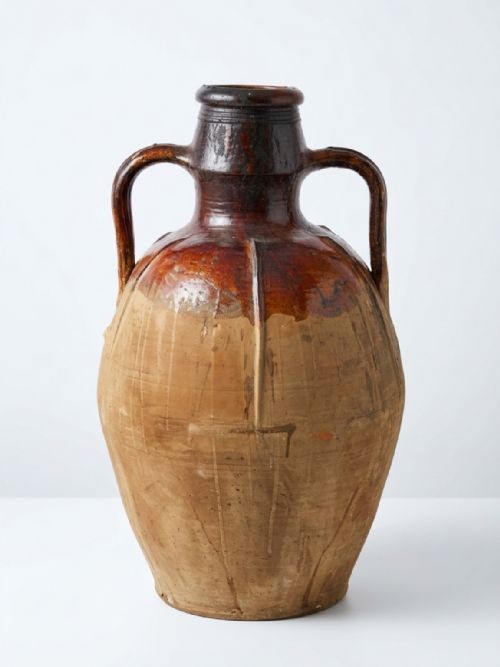
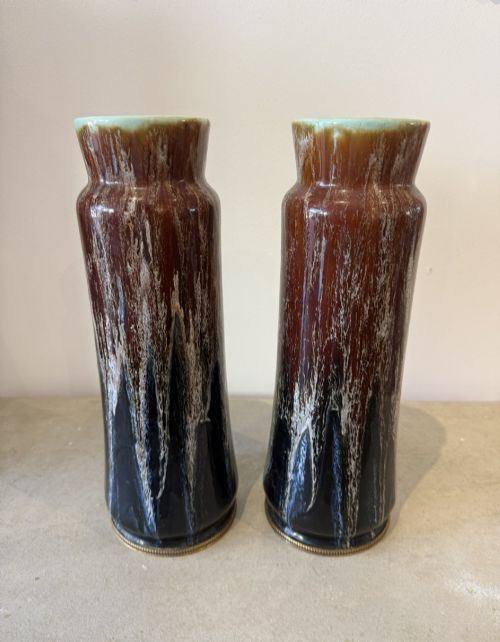
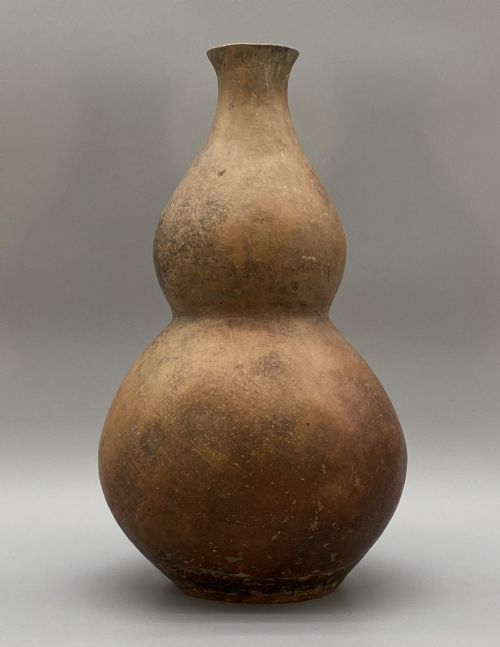
A brown pottery urn spans utilitarian storage and decorative vessel forms originating from the nineteenth century through the early twentieth century. Buyers seeking a brown pottery urn typically encounter substantial earthenware or stoneware bodies shaped as amphorae, wine jars, water filters, and garden planters.
Makers utilised diverse regional traditions, ranging from English art pottery studios to continental European workshops and Mediterranean makers. These pieces showcase functional heritage transformed into display objects through skilled throwing and moulding techniques.
How they were made
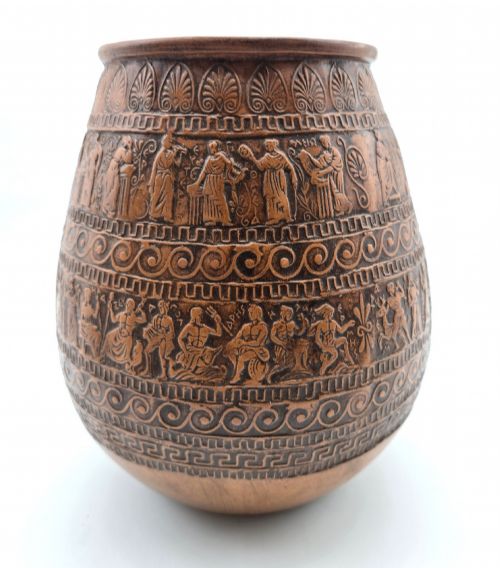
Potters shaped these vessels using earthenware, terracotta, and stoneware clays, often building large forms by hand or throwing them on wheels. Kiln firing fixed the dense ceramic bodies before artisans applied glazes, slips, or copper effects.
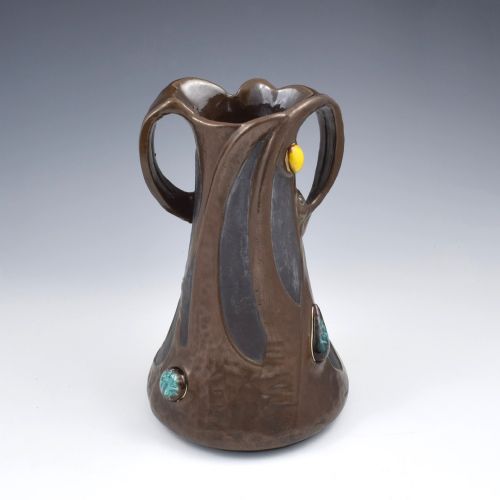
Surface decoration frequently involved naturalistic motifs, incised patterns, or applied cabochons, reflecting Arts and Crafts and Art Nouveau ideals.
Brown Pottery Urn Retail Price Guide 2026
Typical asking prices for brown pottery urn among the pieces listed under this phrase on Sellingantiques today, from the lower quarter to the upper quarter. They describe what is for sale here now, not the wider market.
Listings feature Victorian and Edwardian earthenware, terracotta, and stoneware pieces spanning the nineteenth and early twentieth centuries.
What varies in quality
Quality rests upon the ambition of the form and the dexterity of the surface treatment, distinguishing factory-standard output from master studio output. Weight, balance, and the depth of the glaze or terracotta finish separate everyday domestic vessels from exceptional exhibition pieces.
Royal Doulton·Doulton Lambeth·Burmantofts·Julius Dressler·Goldscheider
The Brown Pottery Urn Glossary
- Terracotta
- Unglazed or slip-coated fired clay of a brownish-red hue used extensively for Mediterranean storage jars and classical garden vessels. This porous material breathes, suiting traditional horticultural uses.
- Stoneware
- A dense, vitreous ceramic fired at high temperatures until impervious to liquids without needing interior glazing. It provides durable strength for large utilitarian vessels and filters.
- Earthenware
- Porous pottery fired at lower temperatures, serving as the common base for nineteenth-century decorative planters and glazed domestic wares. It requires a surface glaze to hold liquids securely.
- Jardiniere
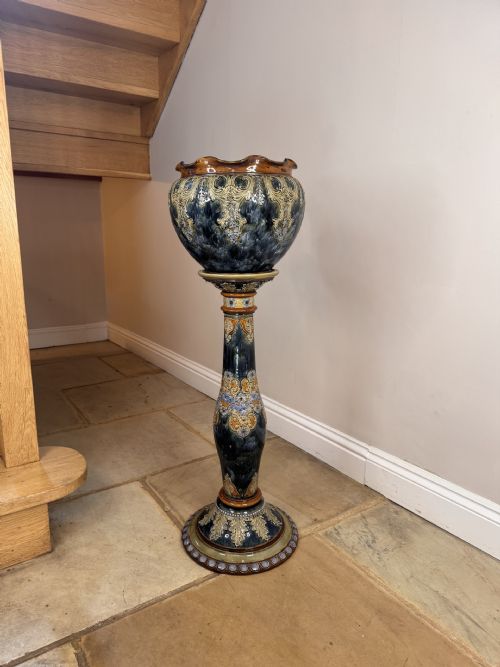
- A large ornamental pot or stand designed to hold growing plants or cut floral displays indoors. These planters often feature naturalistic or moulded relief decoration.
- Amphora
- A two-handled ancient vessel form with a narrow neck, adapted by nineteenth-century potteries for decorative display. These tall shapes often mimic excavated archaeological finds.
Brown Pottery Urn: Frequently Asked Questions
What is a brown pottery urn used for?
These vessels originally served practical roles in households and gardens, functioning as water filters, wine jars, olive holders, and plant planters. Over time, their robust utility evolved into purely decorative interior display.
Today, collectors place them on floors, side tables, or garden terraces to anchor interior schemes with earthy texture and historical presence.
How do I date a brown pottery urn?
Dating relies upon examining the clay body, glaze characteristics, and any impressed factory marks or artist signatures found on the base. Stylistic clues such as naturalistic plant relief or copper-effect finishes typically point toward late nineteenth-century Arts and Crafts or Art Nouveau production periods.
Comparing the form against documented studio outputs helps narrow the decade of creation.
Are these urns waterproof?
Stoneware and fully glazed earthenware vessels generally hold water securely for floral displays, though porous terracotta and unglazed bodies require a secondary inner container. Historical water filter urns and garden planters were built for specific fluid holding or drainage functions.
Checking the interior glaze condition ensures safe use with cut flowers or living plants.
How should I clean my pottery urn?
Gentle dusting with a dry or slightly damp cloth preserves the original surface glaze and any delicate applied slip decorations. Avoid harsh chemical cleaners or abrasive scouring pads that might damage nineteenth-century finishes.
Allow unglazed terracotta to dry naturally if washed to prevent moisture retention within the porous clay body.