





Brown Pottery Pitcher
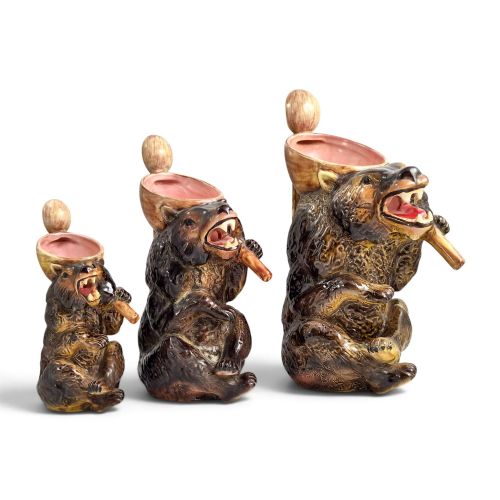
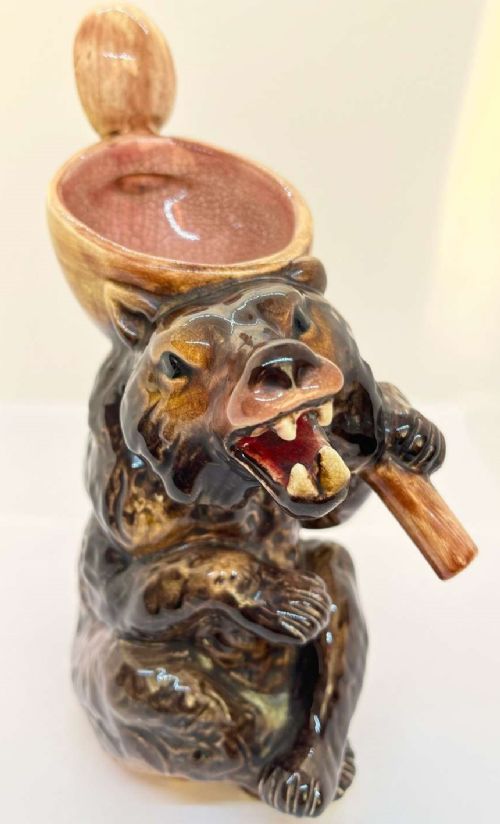
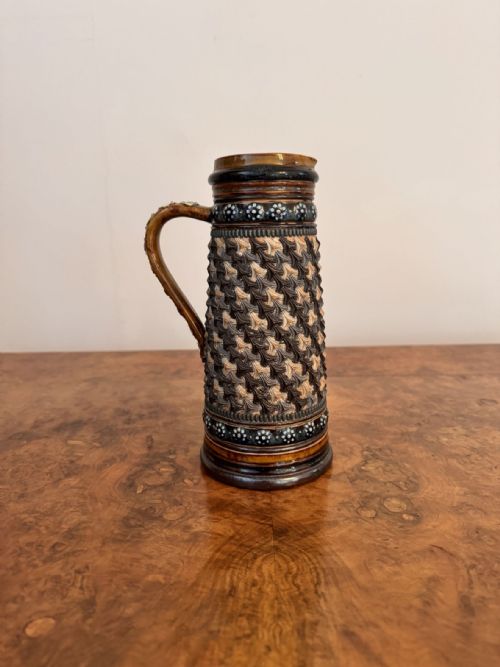
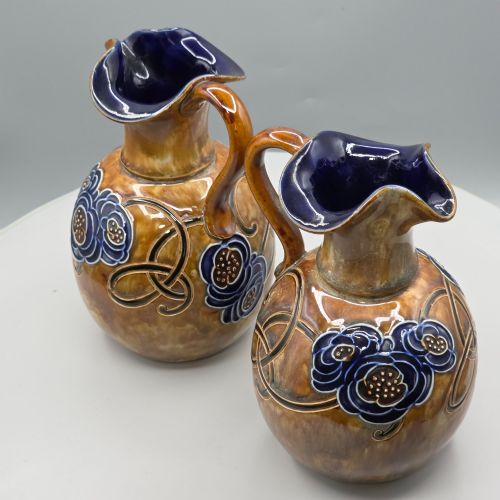
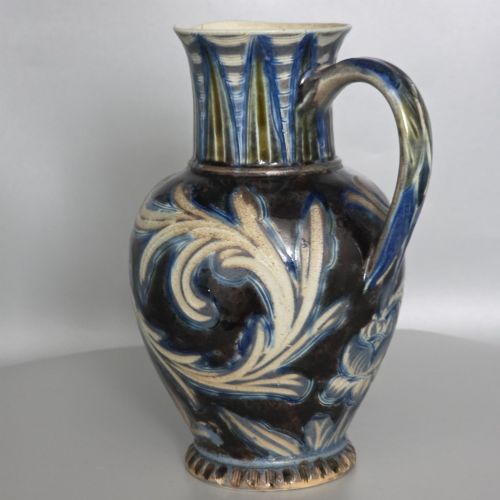
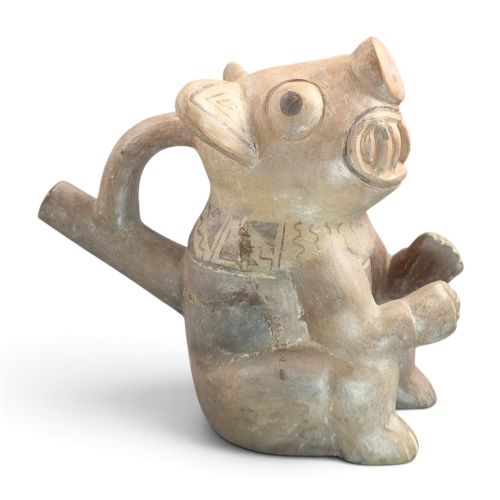
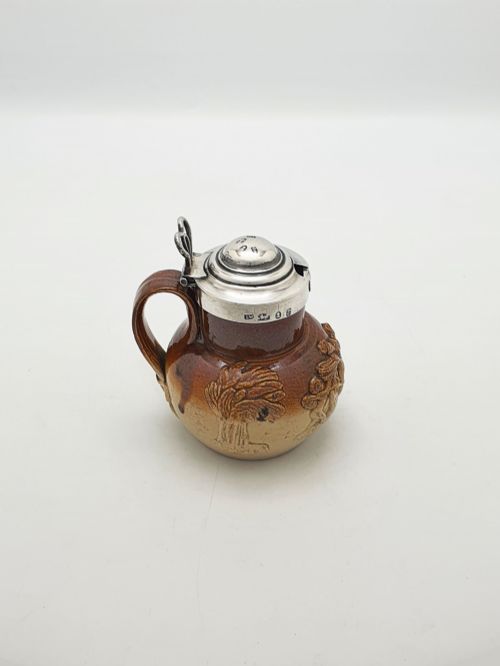
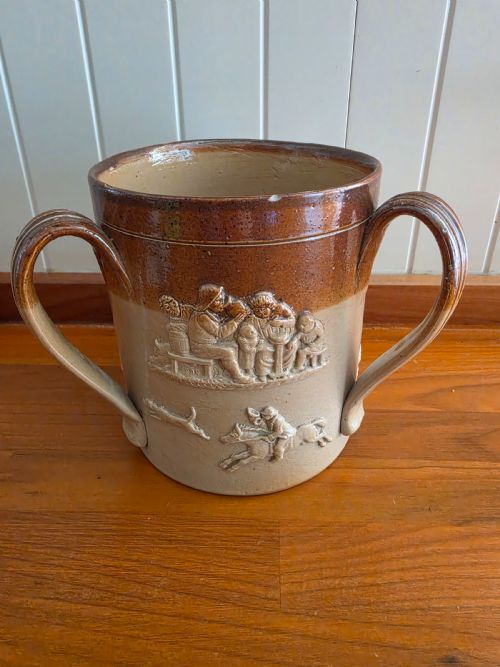
These brown pottery pitcher examples range from robust 17th-century slipware vessels to ornate Victorian salt glaze jugs.
Brown Pottery Pitcher
A brown pottery pitcher serves primarily as a liquid container, encompassing forms such as tavern jugs, harvest flagons, character Toby jugs, and ewers. When you search for this phrase, you encounter vessels produced across several centuries, from early earthenware pieces to late nineteenth-century stoneware.
The domestic and tavern origins of these objects dictate their stout proportions and sturdy handles. Many surviving pieces display utilitarian roots, though decorative varieties incorporating moulded figures and applied motifs also appear frequently on this page.
Makers utilised diverse regional traditions, creating everything from plain utility pitchers to elaborate presentation pieces featuring metal rims and botanical incising. The selection spans Georgian, Victorian, and Arts and Crafts aesthetics while retaining a grounded earthen palette.
Materials and construction methods
Potters shaped these vessels using earthenware, stoneware, and terracotta clays, often applying salt glazes or lead glazes to seal the porous bodies. Stoneware bodies required higher firing temperatures, resulting in denser walls capable of holding liquids securely without extensive internal glazing.
Surface decoration involved slip trailing, incised carving, and applied moulded reliefs depicting hunting scenes or botanical motifs. Workshops frequently added silver collars, pewter lids, or plated mounts to reinforce high-use rims and elevate the status of the vessel.
Brown Pottery Pitcher Retail Price Guide 2026
Typical asking prices for brown pottery pitcher among the pieces listed under this phrase on Sellingantiques today, from the lower quarter to the upper quarter. They describe what is for sale here now, not the wider market.
Listings feature stoneware, earthenware, and terracotta materials spanning from the seventeenth century through the twentieth century.
Distinguishing craftsmanship and fidelity
Quality separates standard utilitarian vessels from masterworks through the crispness of moulded details and the depth of incised decoration. Finer examples display balanced proportions, controlled glaze distribution, and deliberate artistic execution rather than hasty mass production.
The integration of precious metal mounts, such as sterling silver collars and hinged lids, signals a higher original grade of manufacture. Well-preserved maker stamps and clear attribution to known workshops significantly elevate the standing of a piece within its period.
Doulton Lambeth·Holdcroft·George Jones·Emma Shute
The Brown Pottery Pitcher Glossary
- Slipware
- Pottery decorated with slip, which is a liquid mixture of clay and water applied to the surface before firing. This technique creates contrasting patterns and linear designs.
- Salt Glaze
- A finish achieved by throwing common salt into the kiln during high-temperature firing, producing a distinctive textured surface resembling orange peel. It renders stoneware impervious to liquids.
- Toby Jug
- A pottery jug shaped as a full-seated person, typically depicted as a stout, jovial figure holding a mug of beer and a pipe. They emerged prominently during the eighteenth century.
- Puzzle Jug
- A vessel with a perforated neck that prevents normal pouring, requiring the user to drink through a hidden spout in the hollow handle. They served as tavern novelties.
- Ewer
- A large pitcher with a flared spout and a bulbous body, historically used for pouring water for hand washing. They frequently appear in decorative ceramic forms.
Brown Pottery Pitcher: Frequently Asked Questions
What distinguishes stoneware from earthenware?
Stoneware fires at higher temperatures than earthenware, producing a non-porous ceramic body that holds liquids safely without relying entirely on interior glazes.
Earthenware remains more porous and requires a complete glaze application to achieve waterproof qualities.
How do salt glazes form?
Potters introduce common salt into the kiln at the peak firing temperature, causing sodium to vaporise and react with the silica in the clay body.
This chemical reaction creates a hard, glossy surface characterised by a subtle orange-peel texture.
What was a puzzle jug used for?
Tavern patrons utilised puzzle jugs as drinking games, challenging drinkers to consume the contents without spilling through hidden perforations in the neck.
Success required covering specific secret holes on the hollow handle while drinking from the designated spout.
How should I display antique pitchers?
Position these vessels on stable shelving away from direct sunlight and areas subject to sudden temperature fluctuations to protect fragile glazes.
Avoid placing heavy items inside pitchers with historical metal mounts or delicate applied handles.