





Brown Plant Stand
These brown plant stand options bring elevated display surfaces to any room, offering sturdy support for indoor greenery and decorative items.
Brown Plant Stand
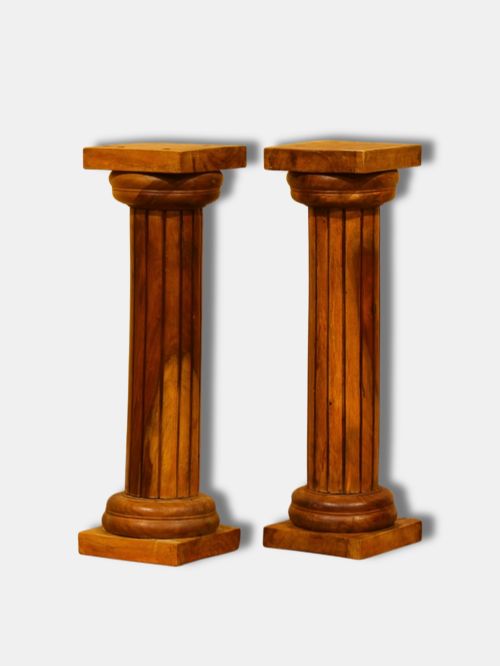
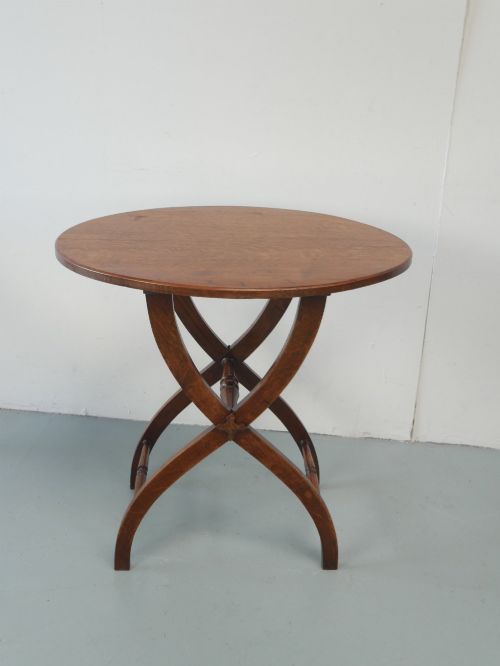
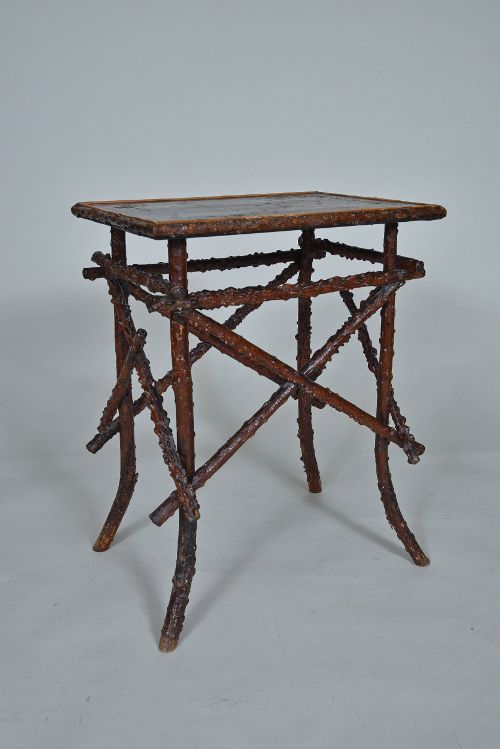
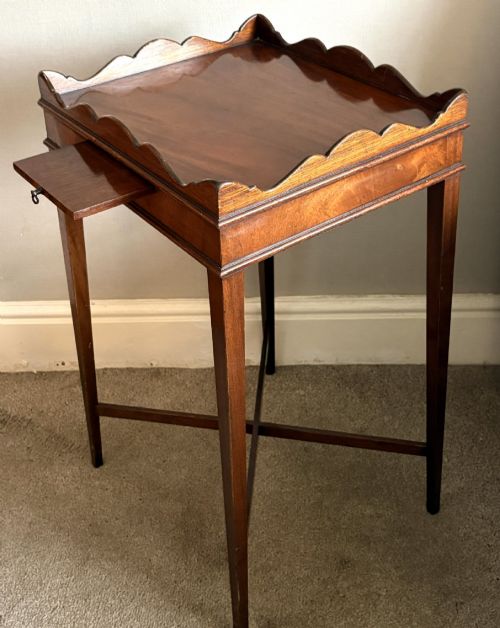
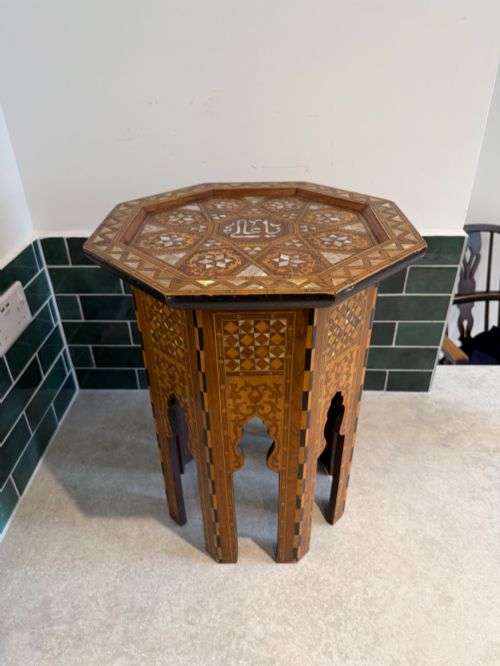
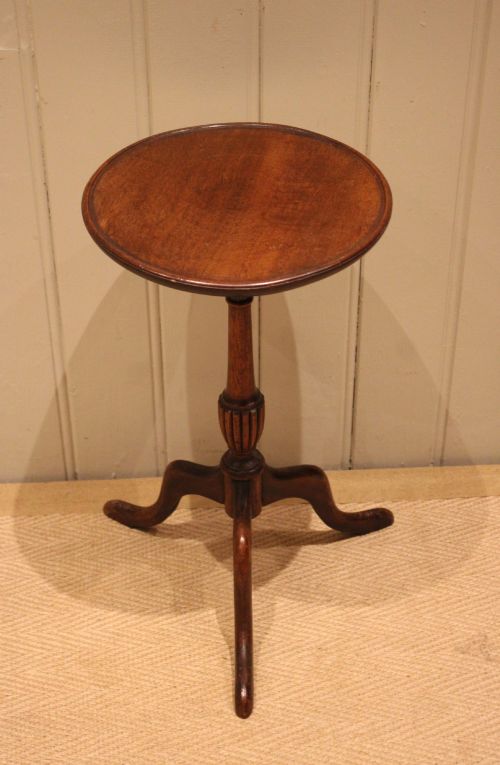
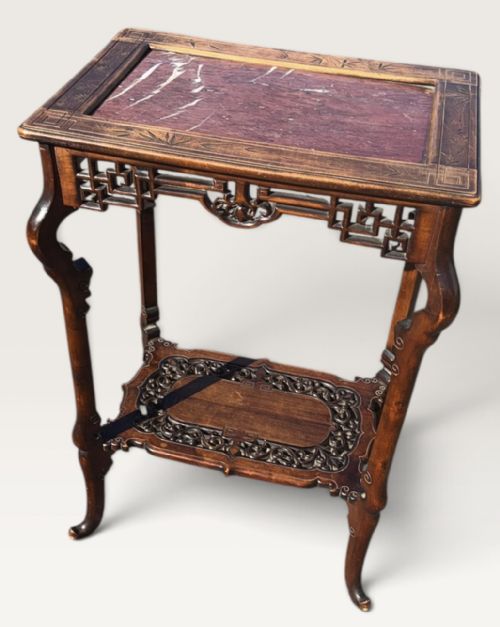
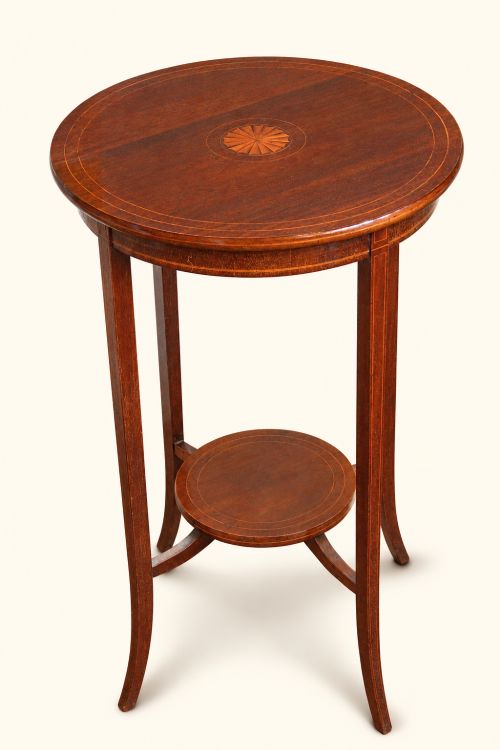
A brown plant stand fulfills a practical domestic need for elevated display, appearing frequently across Edwardian and Victorian inventories as pedestals, torcheres, and occasional tables. These pieces take various physical forms, including tall columnar pedestals, tiered lamp tables, and sturdy tripod stands designed to hold plants or decorative vessels.
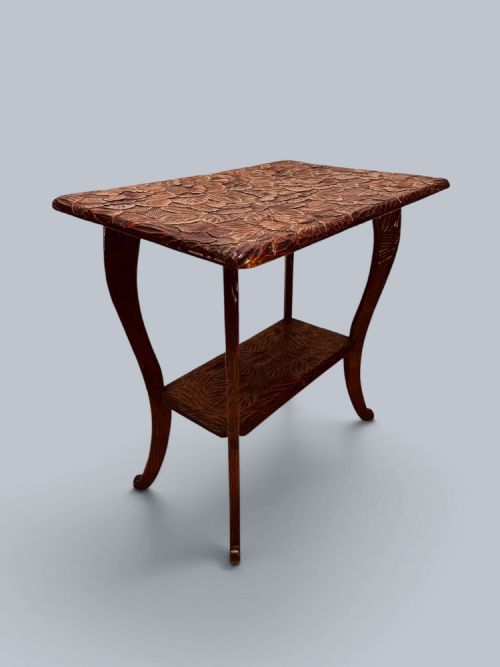
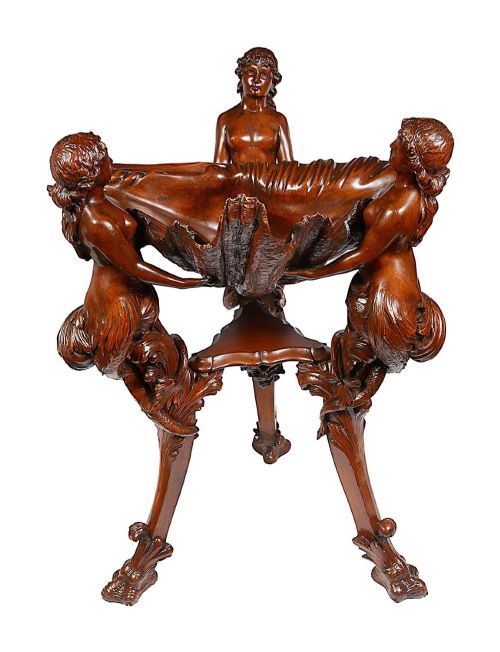
Regional and stylistic variations add distinct character to these items, encompassing Anglo-Indian solid rosewood, Dutch marquetry, Italian baroque revival carving, and Arts and Crafts simplicity. Whether selecting a tall torchere or a low occasional table, each piece serves to lift botanical displays or lamps off the floor.
Materials and Construction
Makers utilised a variety of woods including oak, mahogany, walnut, kingwood, and satinwood, frequently augmenting the primary timber with brass elements or intricate inlay work. Solid construction methods appear alongside decorative marquetry and carved details, particularly within Victorian and Edwardian workshops.
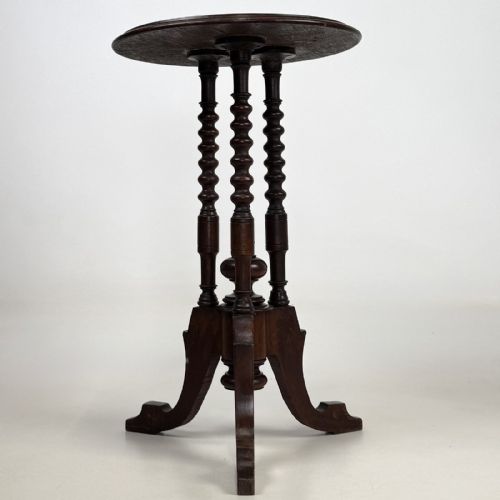
Structural variety defines these stands, utilising tripod bases, solomonic columns, octagonal tops, and multi-tiered shelving to balance weight and visual appeal. Surface ornamentation ranges from geometric Arts and Crafts carving to elaborate Italian and Dutch botanical motifs.
Brown Plant Stand Retail Price Guide 2026
Typical asking prices for brown plant stand among the pieces listed under this phrase on Sellingantiques today, from the lower quarter to the upper quarter. They describe what is for sale here now, not the wider market.
Solid rosewood elephants occasionally double as furniture, proving that Victorian living rooms welcomed a touch of exotic wildlife.
Assessing Quality
Quality rests upon the selection of timber and the precision of the joinery, distinguishing finely figured burr walnut or satinwood from standard utility pieces. The depth and execution of carved elements, such as those found on Arts and Crafts or Italian revival stands, signal the hand of a more skilled cabinetmaker.
Proportion and stability determine the success of the design, ensuring that tall pedestals and torcheres maintain balance while supporting weight. The presence of secondary timbers, thoughtful inlay, and integrated lower tiers indicates superior workshop execution.
Liberty & Co·Trevor Page & Co
The Brown Plant Stand Glossary
- Torchere
- A tall, slender stand designed to support a lamp or decorative object. These pieces frequently feature columnar or tripod supports.
- Jardiniere
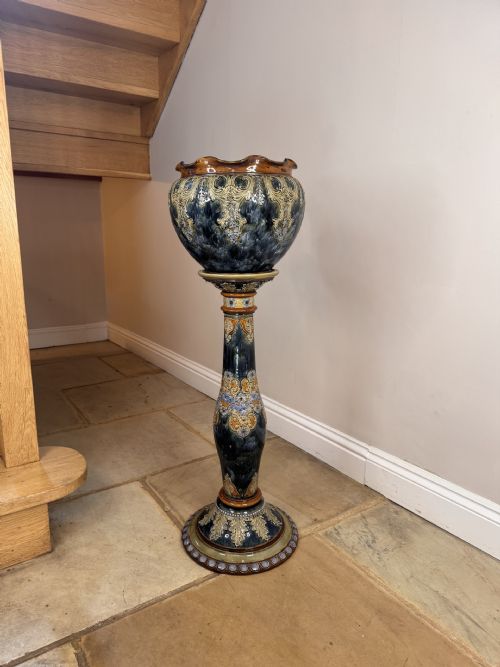
- An ornamental pot or stand for holding plants or flowers. They often incorporate ceramic majolica elements or wooden stands.
- Marquetry
- Decorative veneer work forming pictorial patterns on furniture surfaces. Craftsmen assemble contrasting woods to create intricate designs.
- Solomonic
- A column characterised by a helical twist or spiral shaft. This classical form appears on carved wooden pedestals.
Brown Plant Stand: Frequently Asked Questions
How do I style a brown plant stand?
Place a stand in an empty corner or beside seating to introduce vertical dimension to a room. Pair the wooden surface with trailing foliage or a ceramic jardiniere to balance the natural tones of the timber.
Ensure the weight of the plant matches the stability of the base, particularly with slender tripod or torchere designs. These pieces also function effectively as lamp tables or display surfaces for decorative objects.
What is the difference between a pedestal and a plant stand?
Pedestals typically feature a taller, columnar profile designed to elevate sculptures, urns, or display pieces to eye level. Plant stands often incorporate broader tops, lower shelves, or multi-tiered designs meant specifically for botanical display.
Both forms utilise similar timbers like oak, mahogany, and walnut across Victorian and Edwardian periods. The intended function and base stability usually distinguish one form from the other.
How do I date an antique plant stand?
Examine the wood species, construction methods, and prevailing style to establish a baseline period. Edwardian and Victorian pieces frequently utilise oak, walnut, or bamboo with characteristic machine-assisted or hand-finished joinery.
Earlier 18th-century examples display distinct hand-tool marks, heavier timber sections, and traditional joinery techniques. Stylistic markers such as Arts and Crafts simplicity or Dutch marquetry further narrow the era of production.
Are bamboo plant stands sturdy?
Victorian bamboo stands rely on specialised binding and internal bracing to achieve stability despite the lightweight nature of the material. These pieces were designed for indoor decorative use and comfortably support potted plants or small lamps.
Regular inspection of the bindings helps maintain the structural integrity of bamboo furniture over time. They offer a distinct aesthetic that contrasts with heavier solid oak or mahogany alternatives.