



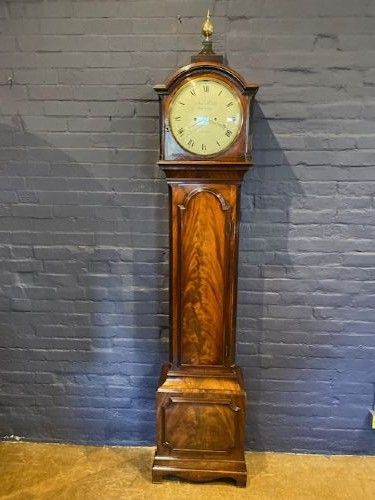
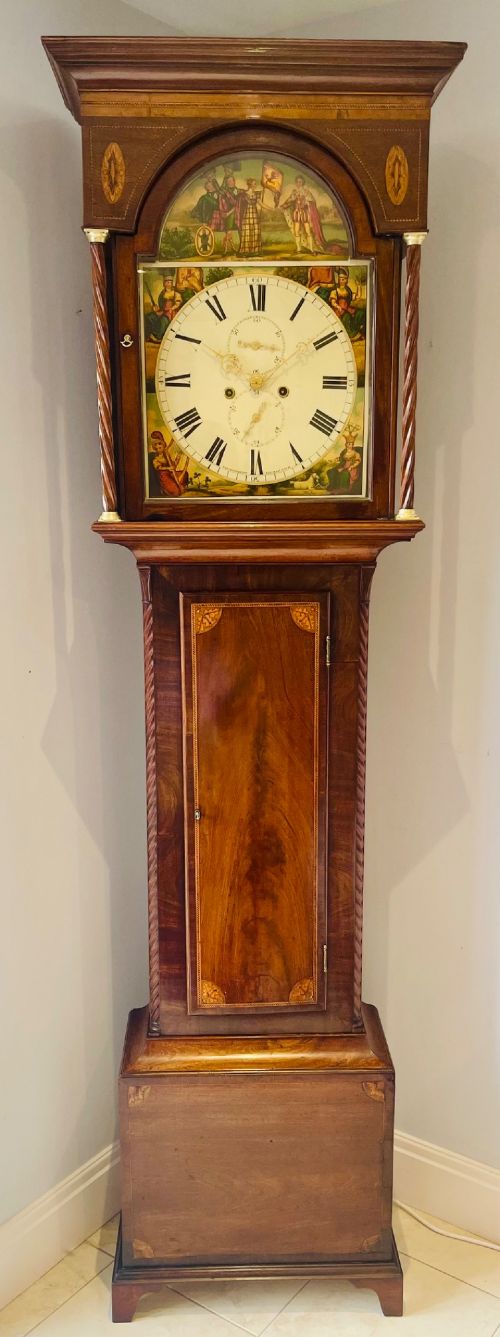
Brown Pendulum Clock
A brown pendulum clock is a mechanical timepiece driven by weights or a mainspring, bringing warmth of timber and steady motion into a room.
Brown Pendulum Clock
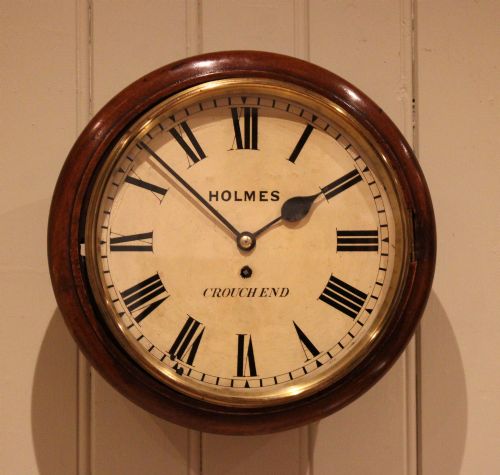
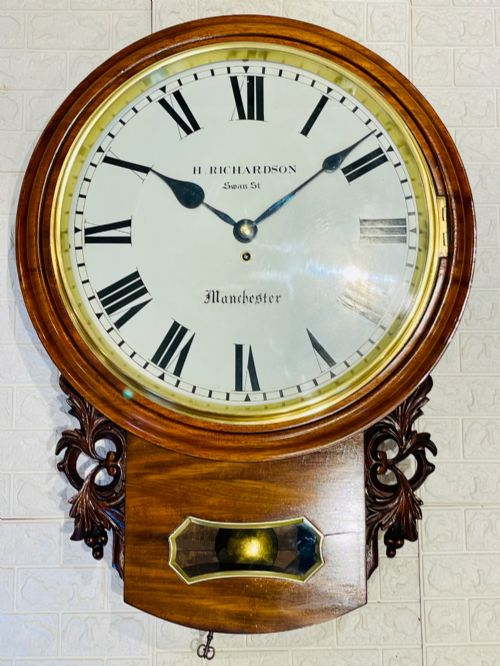
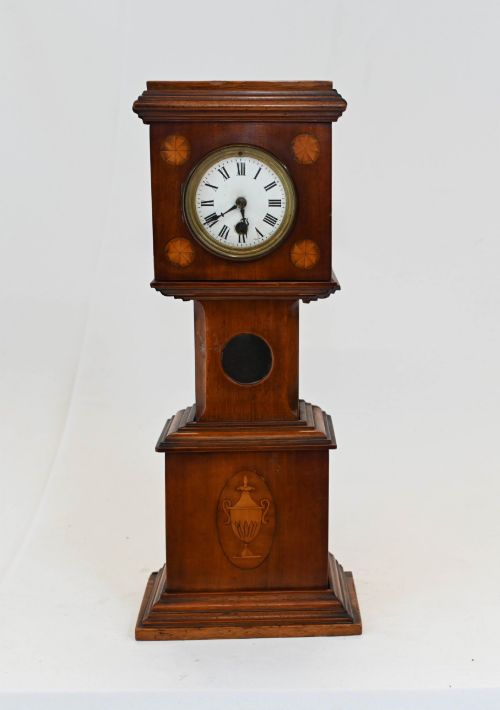
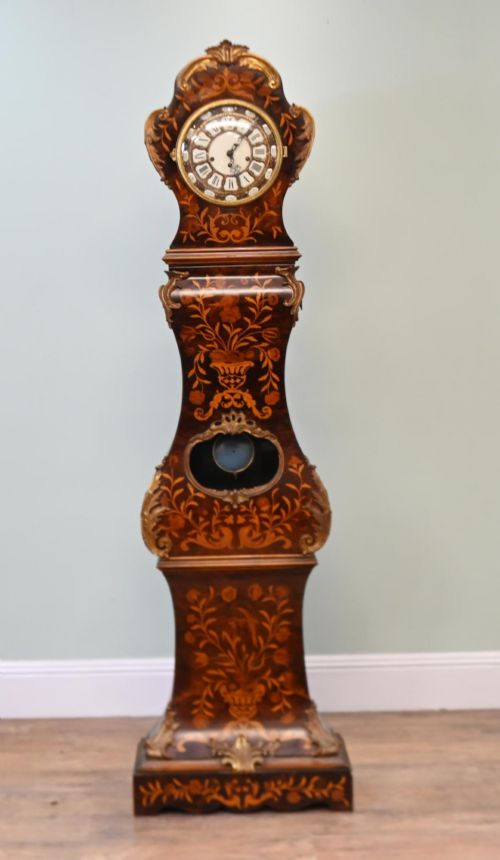
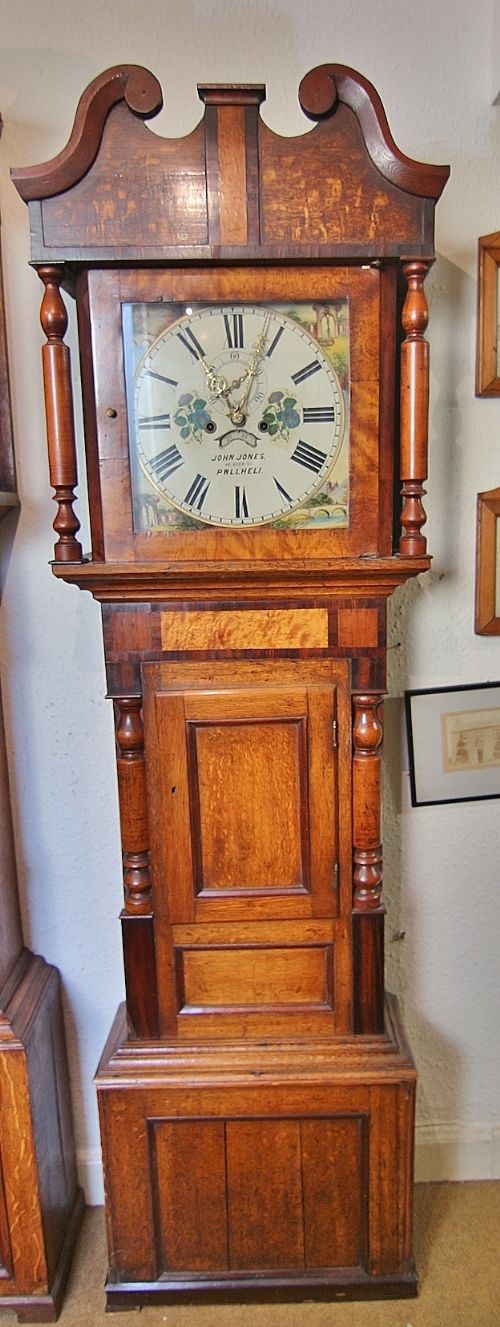
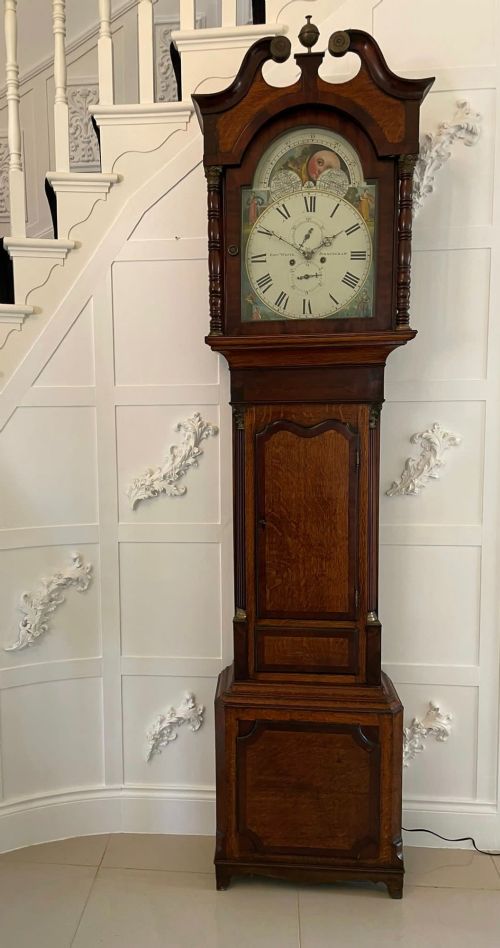
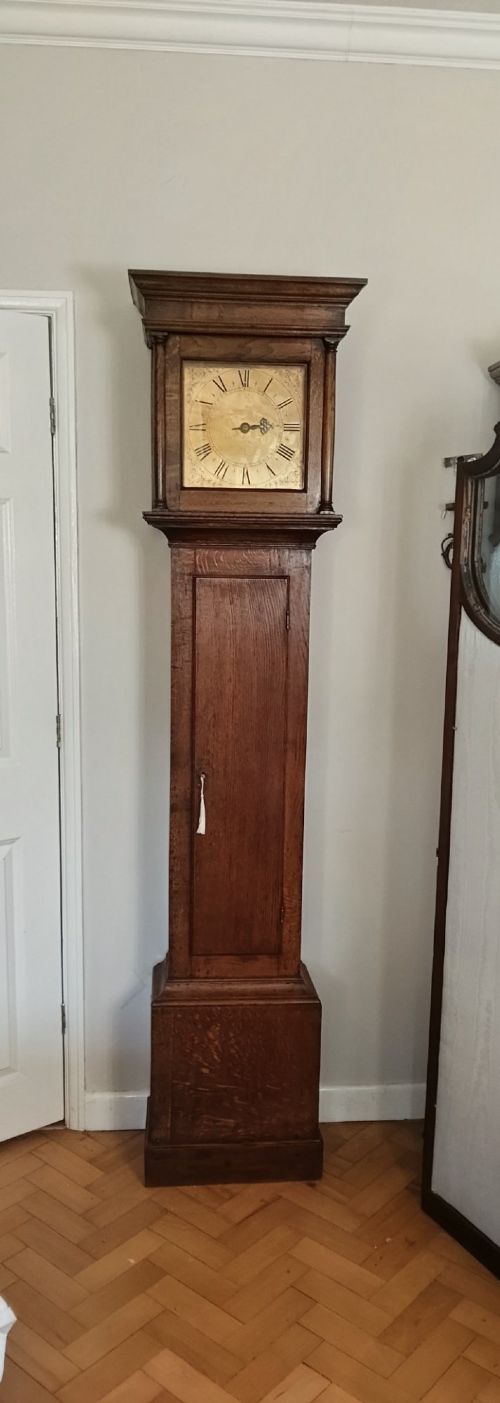
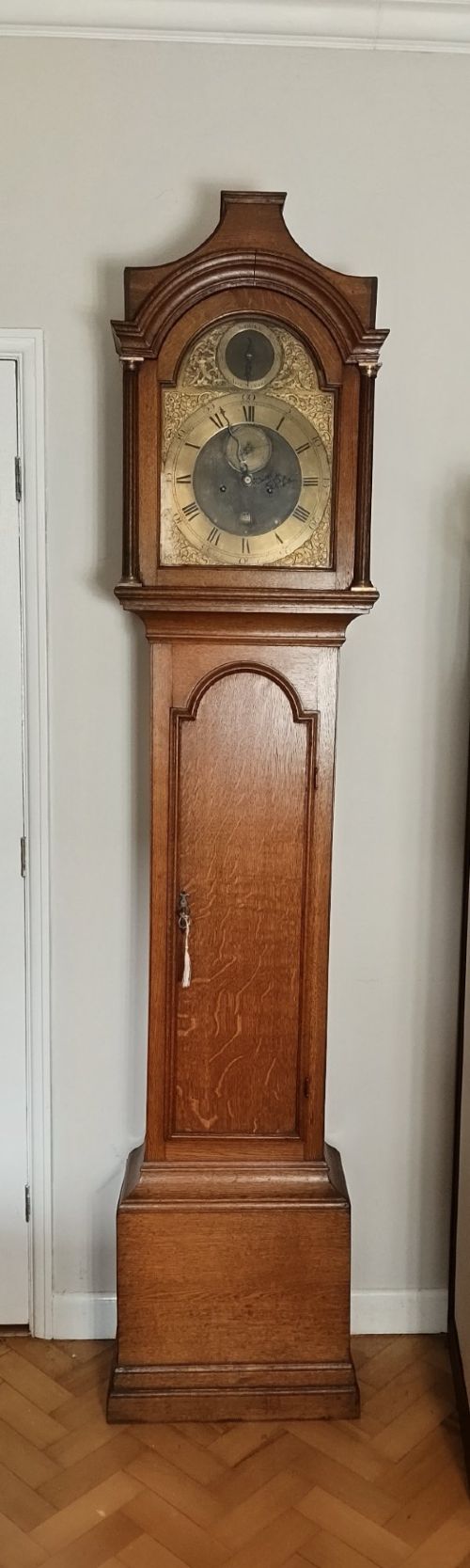
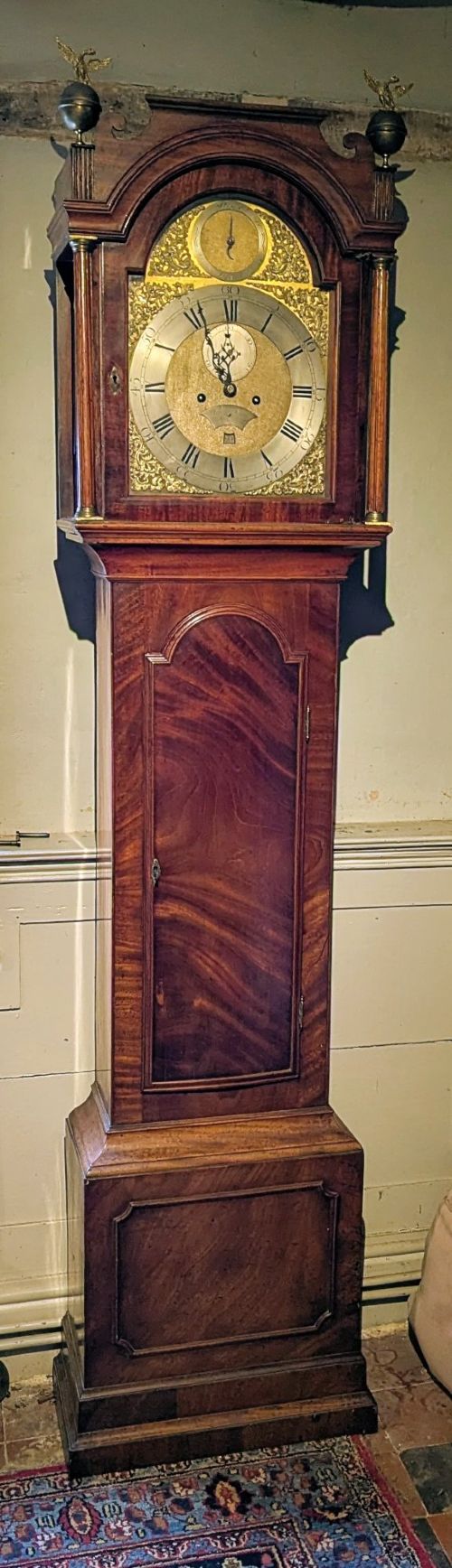
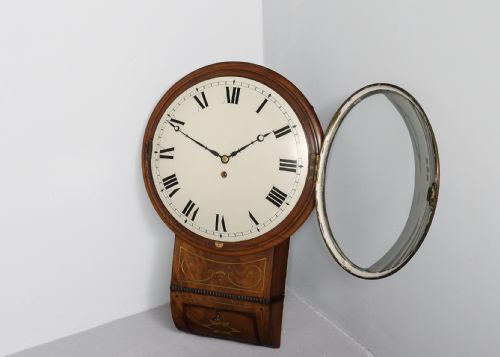
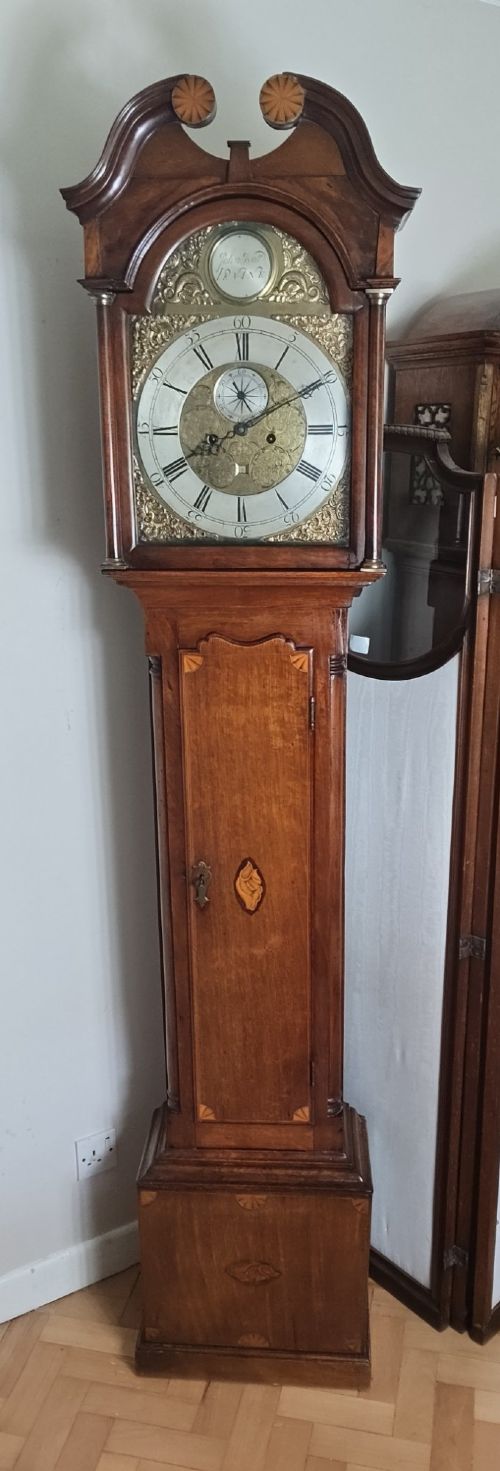
A brown pendulum clock spans tall floor-standing longcase examples in mahogany and oak, as well as wall-hanging fusee models and compact mantel pieces.
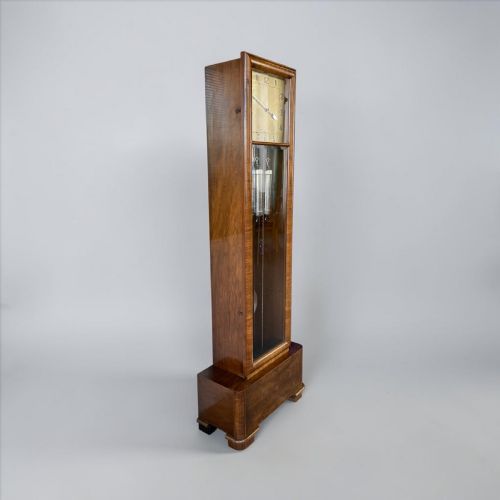
The selection here encompasses periods from the Georgian era through the Victorian age to Art Deco designs in walnut and golden oak.
Buyers encounter regional English, Scottish, and Welsh longcase clocks alongside French, German, and American wall and mantel timepieces.
How they were made
Case makers utilised cabinet timbers such as mahogany, oak, walnut, and sometimes inlaid brass or paterae details to house the movements.
Horologists constructed the internal gear trains from brass, iron, and steel, integrating weights, chains, or fusee mechanisms to regulate time.
Dials range from painted iron and brass to timber faces, often driven by eight-day, fourteen-day, or striking movements.
Brown Pendulum Clock Retail Price Guide 2026
Typical asking prices for brown pendulum clock among the pieces listed under this phrase on Sellingantiques today, from the lower quarter to the upper quarter. They describe what is for sale here now, not the wider market.
Some clocks feature rolling moons that quietly track the night sky from behind the dial.
What varies in quality
The refinement of the cabinetwork and the complexity of the movement set finer examples apart from domestic utilitarian timepieces.
The regional provenance and the documented signature of a known maker add distinction to the timber case and dial.
Edward White Birmingham·Green of Edinburgh·D Straiton Montrose·James McCabe·Matt Wylie Paisley·John Walker
The Brown Pendulum Clock Glossary
- Longcase clock
- A tall pendulum clock housed in a wooden floor-standing case, frequently called a grandfather clock.
- Fusee movement
- A conical pulley mechanism that ensures even tension on the clock train as the mainspring unwinds.
- Moon phase
- A dial display tracking the lunar cycle, commonly found on eighteenth and nineteenth-century longcase movements.
- Dial clock
- A round wall clock with a prominent face, often utilised in offices, railway stations, and domestic hallways.
- Grandmother clock
- A smaller, more slender version of the traditional longcase clock, popular in twentieth-century production.
Brown Pendulum Clock: Frequently Asked Questions
What is a brown pendulum clock?
A brown pendulum clock is a timekeeping device housed in a wooden case made of timbers such as mahogany, oak, or walnut, relying on a swinging pendulum to regulate time.
These pieces range from tall floor-standing longcase clocks to compact wall and mantel versions spanning Georgian to Art Deco periods.
How do I wind a longcase clock?
Winding typically involves inserting a key into the dial holes to pull the weights back up or tension the spring, depending on the movement.
Care must be taken not to over-wind the mechanism, ensuring the pendulum remains undisturbed during the process.
Where were these clocks made?
Production spans local British workshops in England, Scotland, and Wales, alongside continental European and American factories.
Regional makers often signed the dials, connecting the clock to specific towns and horological traditions.
How do I date a brown pendulum clock?
Dating relies on stylistic clues in the wooden case, such as Georgian proportions, Victorian carving, or Art Deco geometric lines.
Signatures on the dial or movement backplate often point directly to the maker and operational period.