


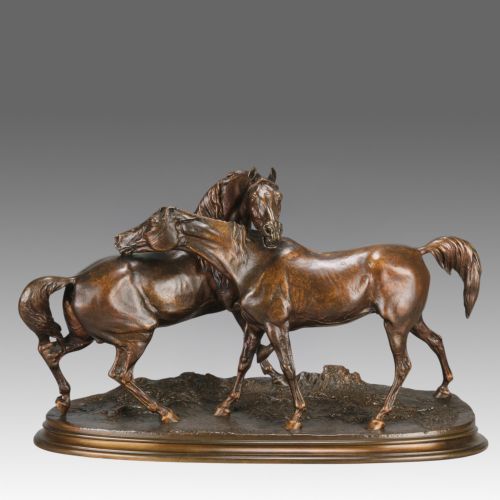
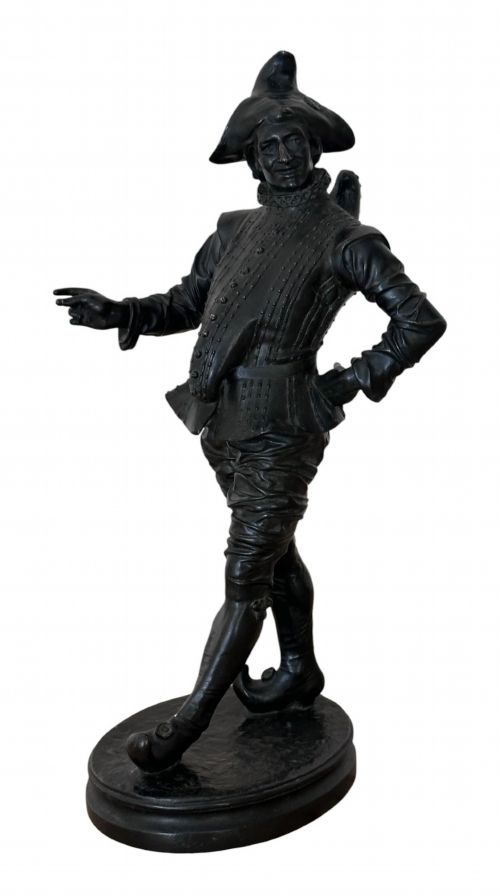
Brown Patinated Bronze Sculpture
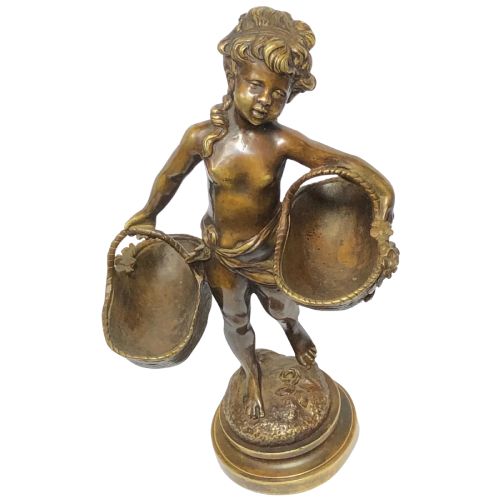
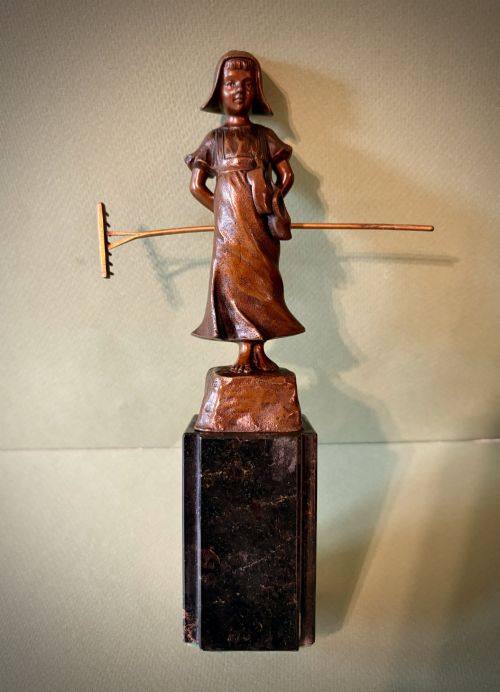
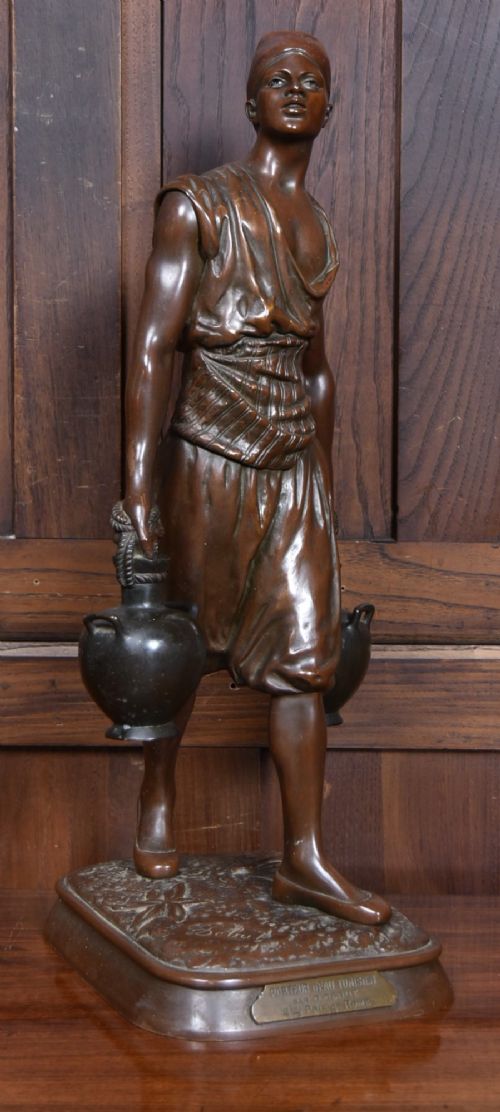
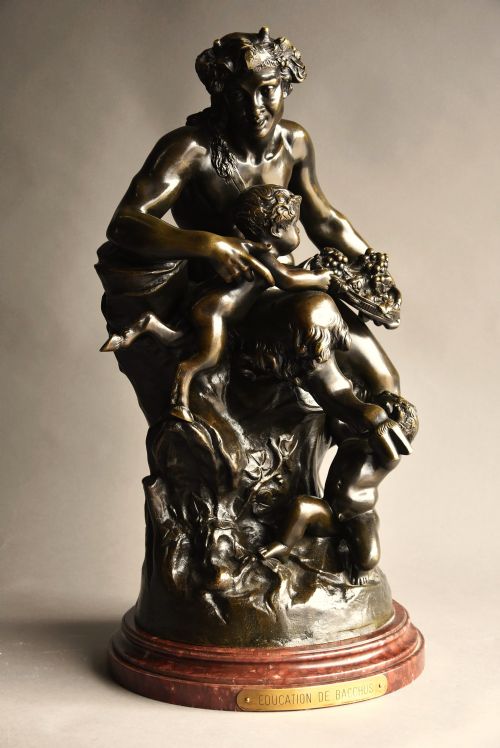
A brown patinated bronze sculpture brings nineteenth-century casting and classical form into a room.
Brown Patinated Bronze Sculpture
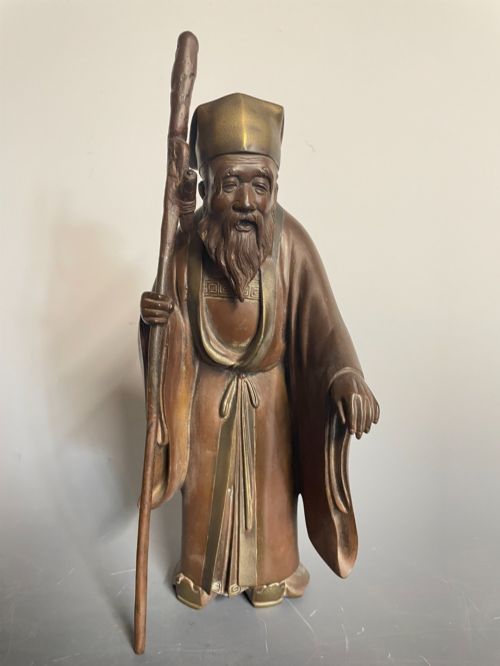
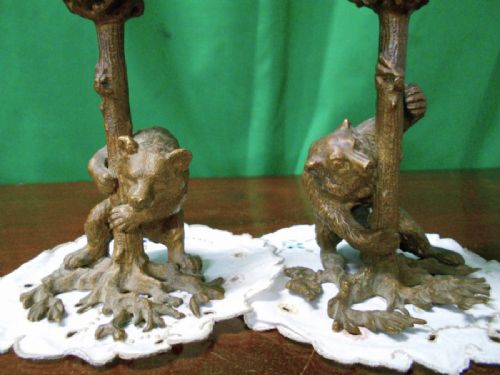
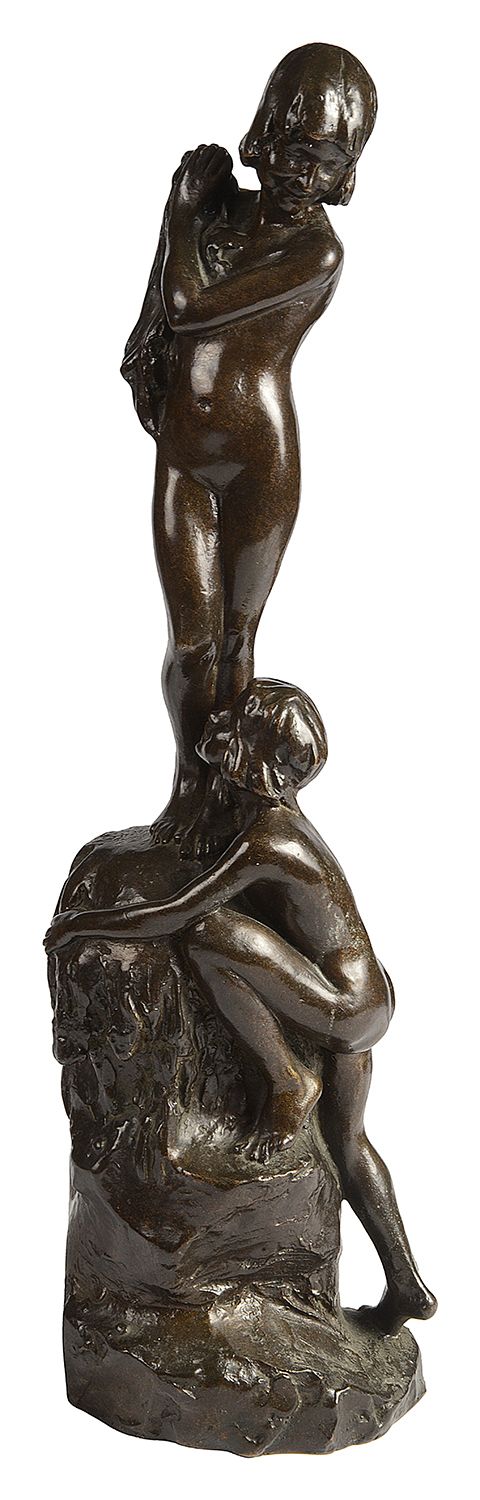
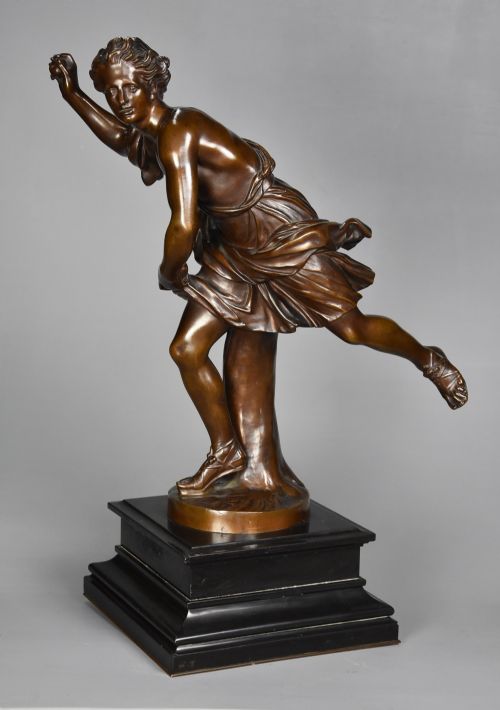
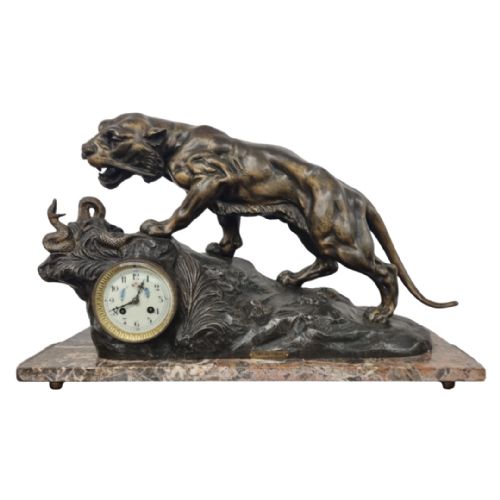
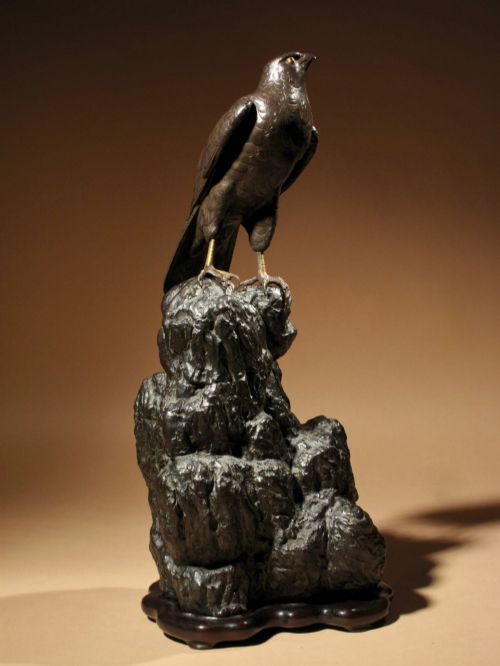
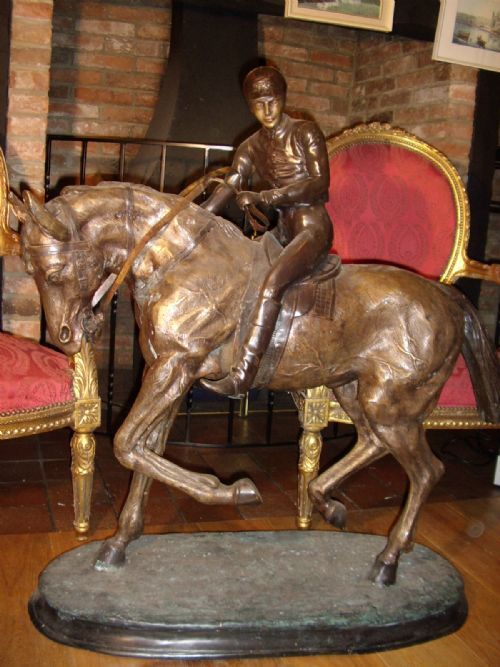
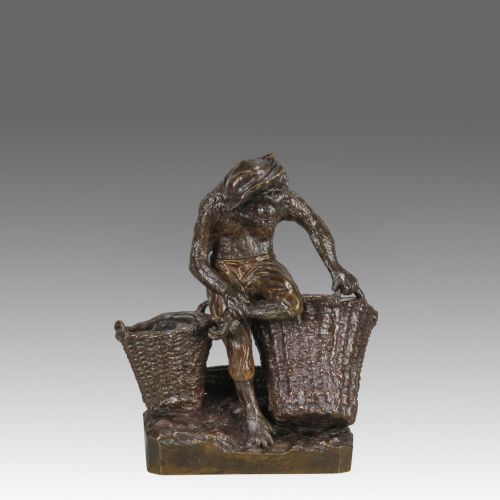
When you search for brown patinated bronze sculpture, you encounter figures, animals, busts and clocks originating primarily in nineteenth and early twentieth-century France, Austria and Japan. These pieces range from small animal studies to large classical figures and mantel clocks.
The version you are most likely to meet on this page is a French nineteenth-century cast, often associated with the Animalier movement or Neoclassical revivals. Subjects include dogs, horses, mythological figures and human portraits cast with detailed surface textures.
Makers and foundries stamped or signed many of these works, connecting individual pieces to known sculptors and workshops of the period. Alongside pure bronze, related materials such as marble bases, wood and patinated chalk appear within the listings.
Materials and casting methods
These works utilise bronze as the primary metal, cast using traditional foundry methods that capture intricate details from fur to drapery. Many pieces incorporate a chemical brown patination applied to the metal surface to alter its tone and highlight the modelling.
Foundations and pedestals frequently employ contrasting materials such as marble, ebonised wood or brass to support the heavy metal forms. Some related pieces combine patinated chalk or plaster with painted finishes.
Subjects span French Animalier figures, classical Grand Tour replicas, Japanese Meiji sculptures and Art Nouveau female busts.
Assessing quality in cast bronzes
Quality rests upon the crispness of the chase work and the depth achieved in the brown patination. A superior cast retains sharp details in hair, muscle and facial expression without softening from worn moulds.
The reputation of the foundry or the signature of the sculptor often distinguishes a standard production piece from an exceptional work. Heavier, more substantial metalwork and carefully finished marble mounts indicate superior execution.
Rudolf Küchler·Barbedienne·Pierre Jules Mène·Christophe Fratin·Alfred Barye·Emmanuel Villanis·Jean-Baptiste Carpeaux·Jules Dalou·Tsunemitsu·Jules Moigniez·Emile Louis Picault·Giuseppe Moretti·Maurice Guiraud Riviere
The Brown Patinated Bronze Sculpture Glossary
- Animalier
- A nineteenth-century artistic movement focused on the realistic depiction of animals, particularly dogs, horses and wild beasts. French sculptors popularised this genre in bronze.
- Patination
- The chemical or natural treatment applied to the surface of bronze to produce a specific brown or dark colour. This finish protects the metal and accentuates sculptural detail.
- Neoclassical
- A style inspired by the classical art and architecture of ancient Greece and Rome. Many nineteenth-century bronzes draw directly on these antique motifs.
- Grand Tour
- Souvenirs and classical replicas acquired by travellers journeying through Europe during the eighteenth and nineteenth centuries. These include miniature bronze figures of ancient statues.
- Lost-wax casting
- A traditional metal casting method where a wax model is melted away to leave a mould for molten bronze. This technique allows for complex forms and fine surface textures.
Brown Patinated Bronze Sculpture: Frequently Asked Questions
How do I clean a bronze sculpture?
Dust the surface gently with a soft, dry brush to prevent the accumulation of dirt within the patinated recesses. Avoid using water, soap or metal polishes, which can strip the brown patina.
Applying a very light coat of microcrystalline wax periodically helps protect the metal from atmospheric moisture. Buff the wax off thoroughly with a clean cloth to maintain a soft sheen.
Where should I place these bronzes?
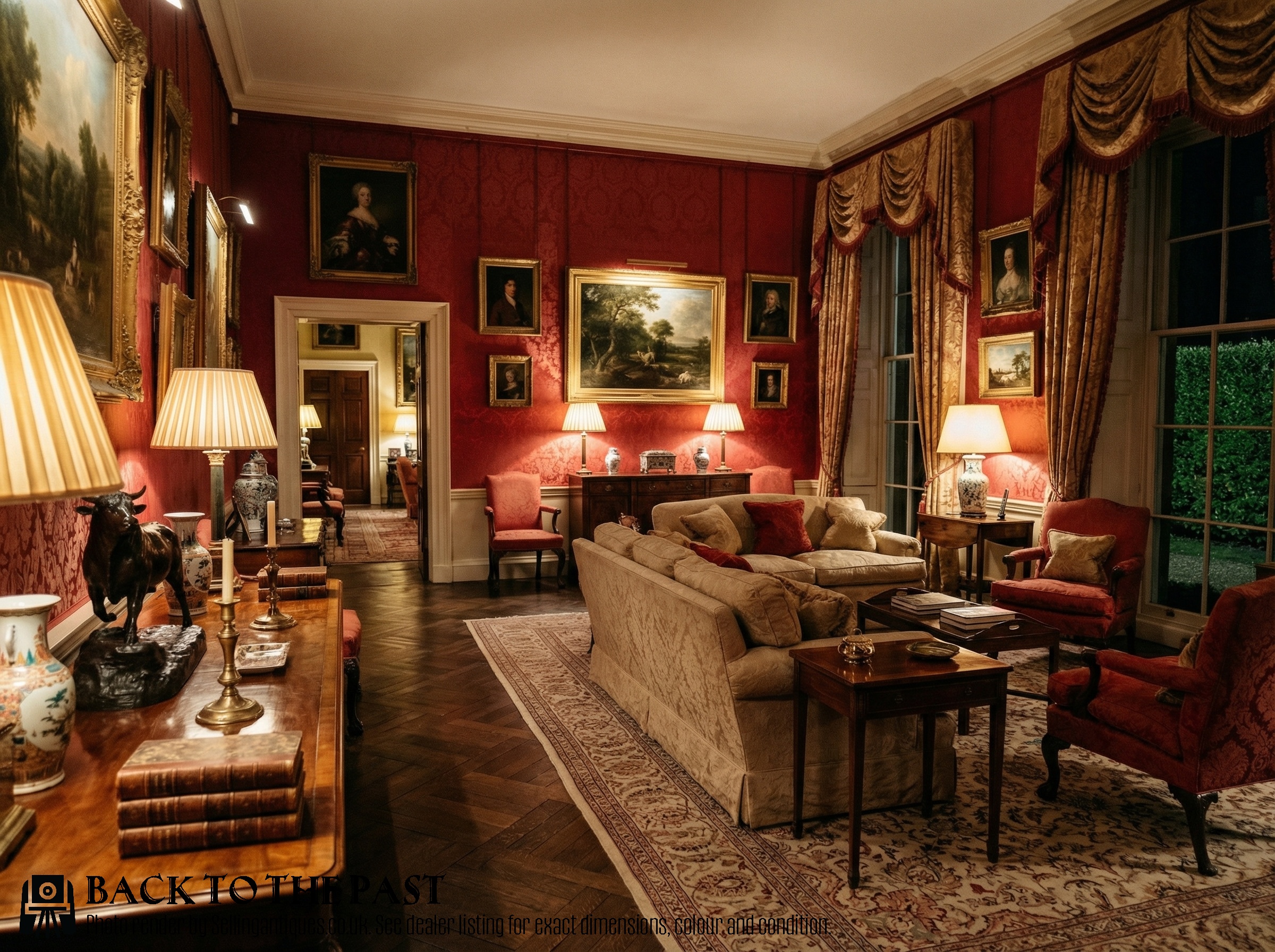
Position sculptures on stable surfaces such as wooden sideboards, marble-topped tables or mantelpieces where their weight is safely supported. Ensure they sit away from direct heat sources and strong sunlight to protect the patina.
Because many pieces feature detailed patination and fine appendages, place them out of high-traffic areas where they might be knocked or handled frequently.
How can I tell the period?
Examine the signature, foundry marks and the style of the base or mounting to establish the likely era of production. Nineteenth-century casts often display specific patination techniques and foundry stamps associated with French workshops.
Compare the subject matter and casting crispness with dated examples from the same movement, such as Animalier or Art Nouveau works. Heavier bronze composition and traditional patination generally point to the nineteenth or early twentieth century.
What does patinated mean?
Patination refers to the coloration achieved on the surface of the bronze through chemical treatments, heat or natural ageing. It transforms the raw metallic finish into rich brown, black or greenish tones.
This coloration not only provides aesthetic depth by accentuating shadows and muscles but also forms a protective barrier against oxidation.