
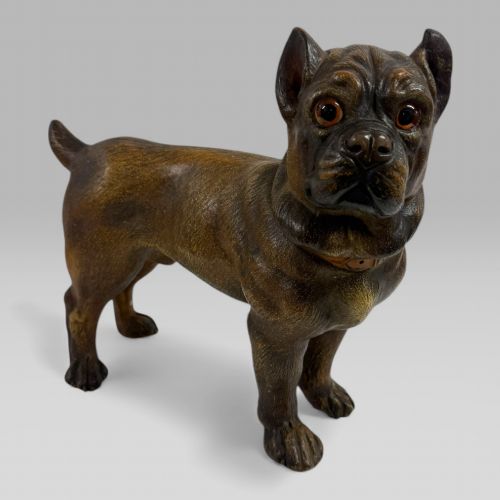


Victorian Animalier Sculpture
When you search for victorian animalier sculpture, you meet cast figures of hounds, stags, and lions designed by 19th-century makers.
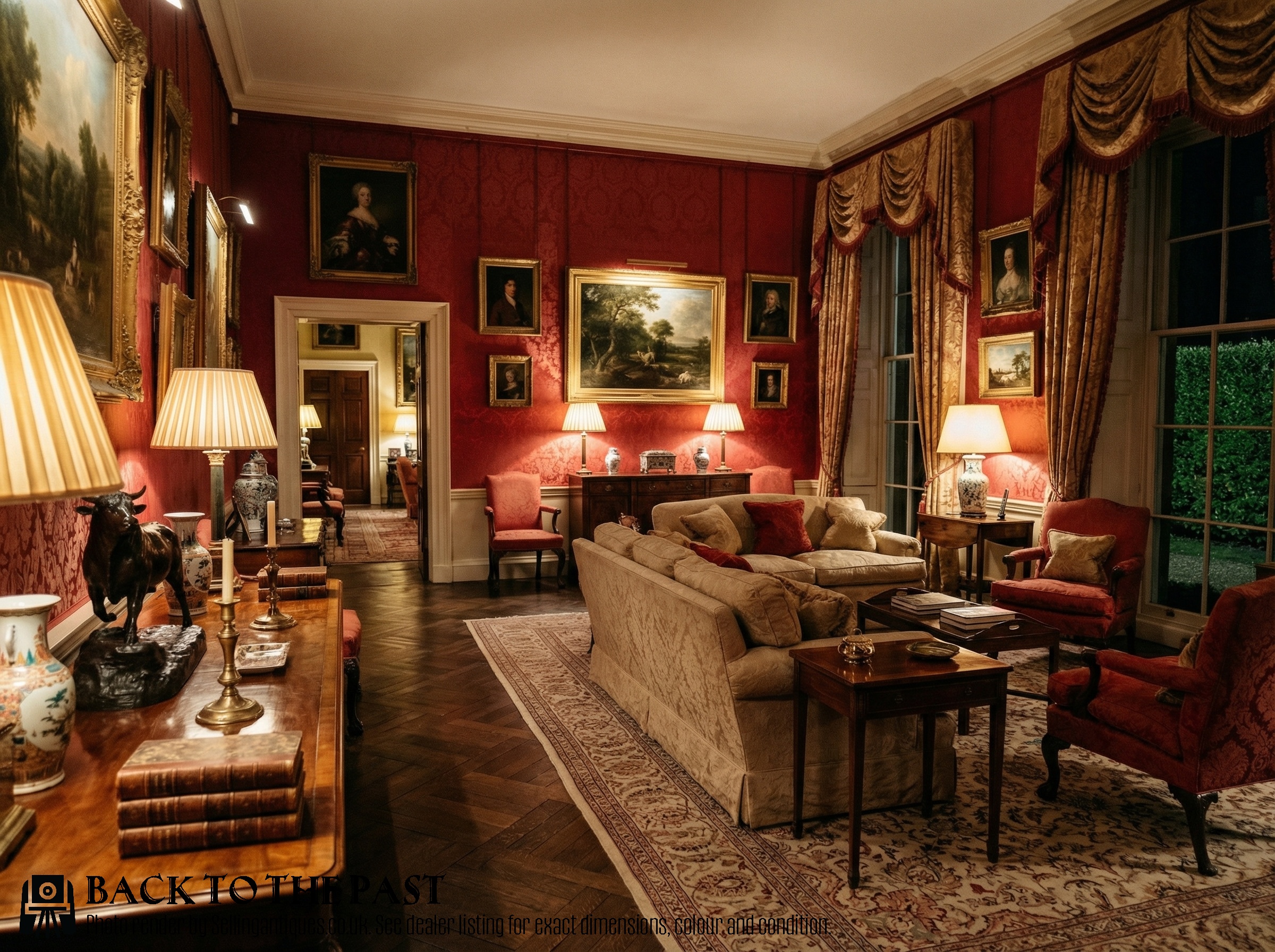
Victorian Animalier Sculpture
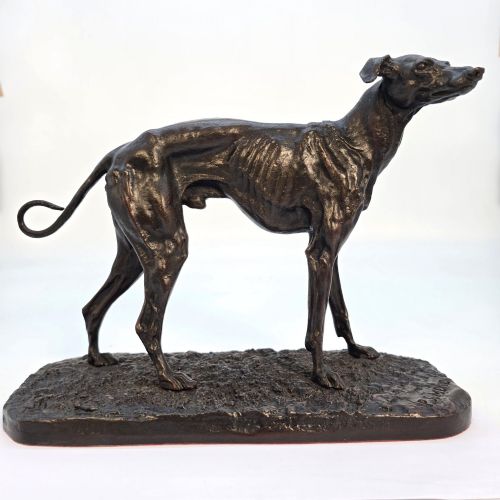
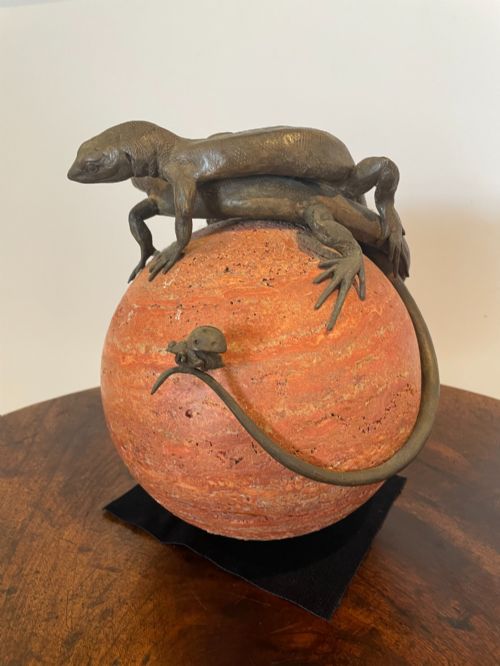
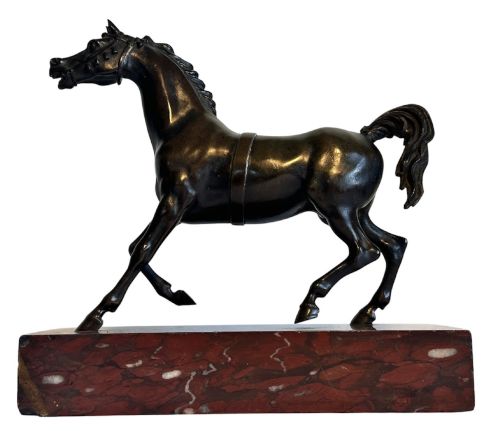
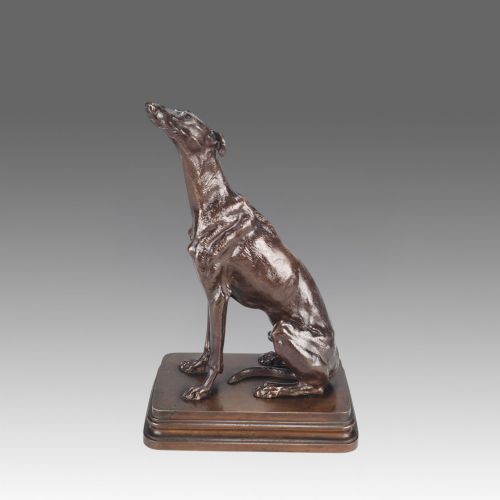
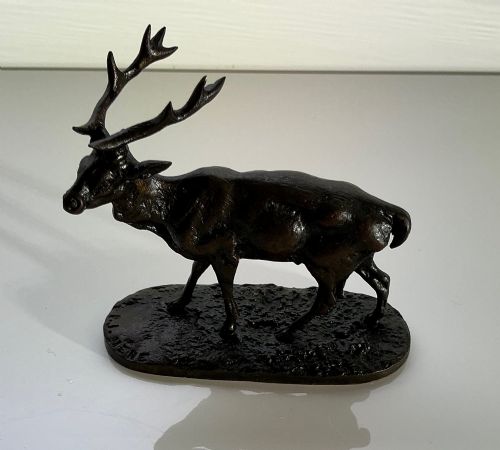
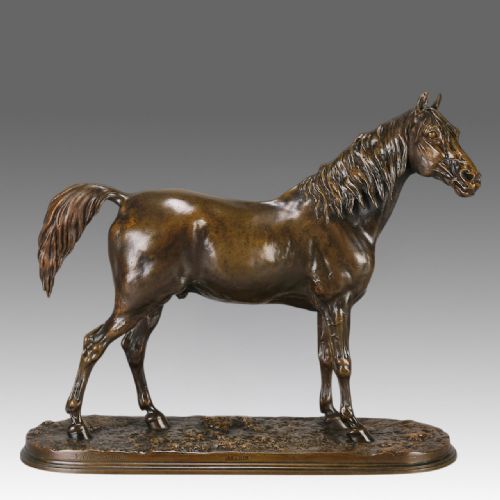
Victorian animalier sculpture encompasses depictions of dogs, birds, and farm animals cast in metal or modelled in terracotta during the 19th century. The pieces range from small paperweights and inkstands to large statues mounted on marble bases.
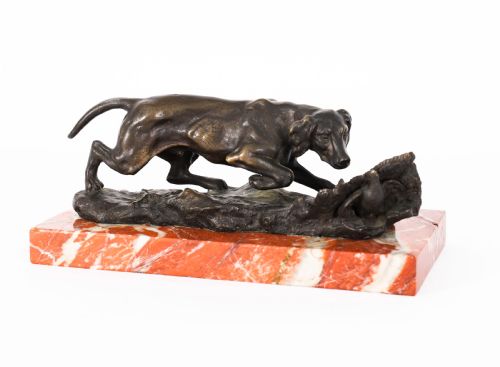
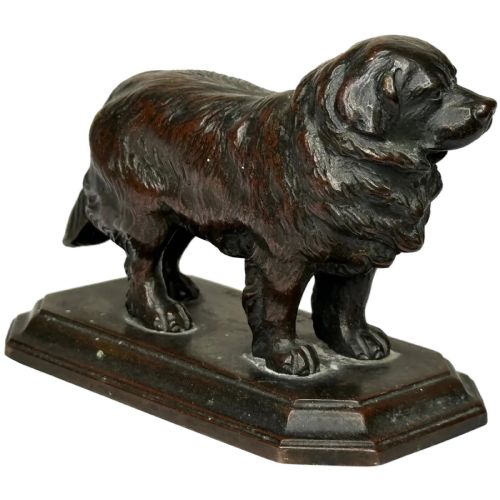
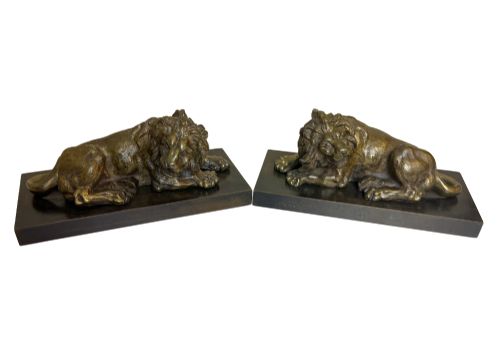
Most examples originate from French and Austrian workshops spanning the mid to late 19th century. Dogs, particularly hunting breeds, sighthounds, and pugs, appear most frequently alongside stags, lions, and horses.
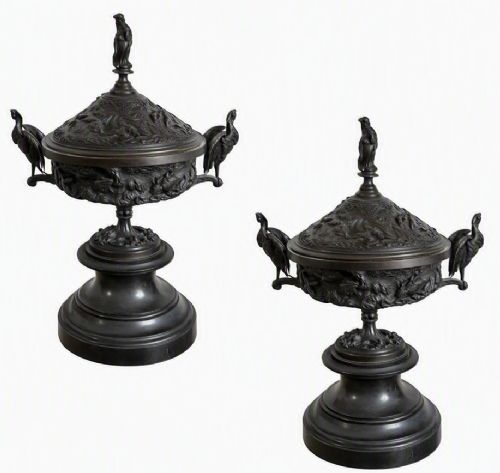
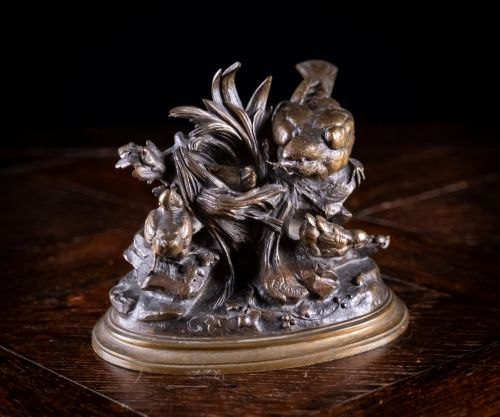
Functional items such as inkwells and desk tidies integrate animal figures into practical desktop accessories. Decorative sculptures utilise veined marble plinths or gilt bronze mounts to elevate the composition.
Materials and Techniques
Foundries employed the lost-wax casting method to capture anatomical detail in bronze, patinated bronze, and gilt bronze. Artisans then applied chemical patination or cold-painted pigments onto the metal surface.
Terracotta served as an alternative medium for life-size or substantial animal figures, shaped by hand or pressed into moulds. Marble bases were carved separately and polished to support heavy metal sculptures.
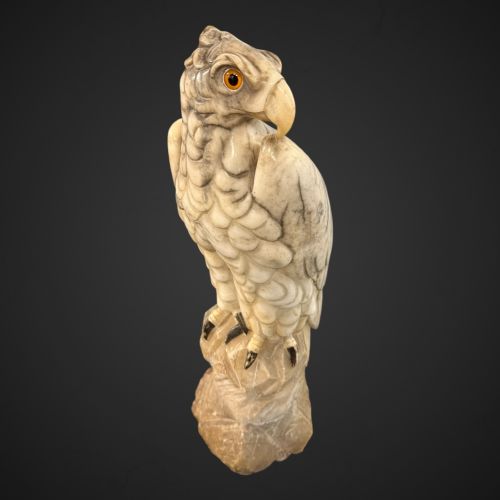
Glass eyes and ormolu accents feature in specific novelty pieces and inkstands to add contrasting texture and colour.
Listings feature 19th-century materials including patinated bronze, veined Carrara marble, terracotta, and ormolu.
Distinctions in Quality
The definition of the chasing work after casting distinguishes finer sculptures from ordinary commercial pieces. Crisp muscle tension, fur texture, and facial expression reveal the skill applied to the raw metal.
The integration of the figure with its base demonstrates compositional intent. High-quality pieces anchor heavy bronzes securely to veined marble plinths without visible gaps or poor joins.
Carl Kauba·Louis Emile Cana·Alfred Dubucand·PJ Mene·John Willis Good·Prosper Lecourtier·Jules Moigniez·Antoine Louis Barye·Isadore Bonheur·Auguste Nicholas Cain·Arthur Waagen·Joseph Francois Victor Chemin
The Victorian Animalier Sculpture Glossary
- Animalier
- A 19th-century artistic movement focused on the realistic portrayal of animals. Sculptors in this tradition studied anatomy extensively in menageries.
- Patinated Bronze
- Bronze treated with chemical solutions to produce a coloured surface layer. This finish protects the metal and highlights sculptural contours.
- Cold Painted
- A technique where paint is applied to cold metal without firing. It appears frequently on Austrian bronze animal figures.
- Ormolu
- Gilt bronze mounted onto decorative objects or furniture. The golden finish provides contrast against dark patinated bronze figures.
- Inkstand
- A desktop desk set incorporating inkwells and pen trays. Animalier examples often feature hounds, birds, or monkeys as the central ornament.
Victorian Animalier Sculpture: Frequently Asked Questions
What is animalier sculpture?
Animalier sculpture is a 19th-century genre dedicated to the realistic depiction of animals in bronze, terracotta, and iron. Artists focused on capturing natural movement and anatomical precision.
These pieces range from small decorative ornaments and paperweights to large desk inkstands and freestanding statues.
How were these bronzes finished?
Foundries used chemical patination to give bronze surfaces dark brown, green, or near-black tones. Some Austrian workshops applied cold paint directly onto the metal to create brightly coloured bird and dog figures.
Details like glass eyes were sometimes added to novelty inkwells and desktop sculptures for realism.
Where were these pieces made?
The majority of these sculptures originated in France and Austria during the 19th century. Prominent foundries and studios produced both small domestic ornaments and large exhibition pieces.
Export markets in Britain and across Europe distributed these works to collectors and kennel associations.
How do I display a bronze sculpture?
Heavy bronze and marble figures require stable furniture or desk surfaces capable of supporting their weight. Placing them away from direct moisture protects the metal patina and any attached marble bases.
Dusting with a soft dry cloth maintains the surface without stripping the chemical finish.