


Antique Bull Figurine
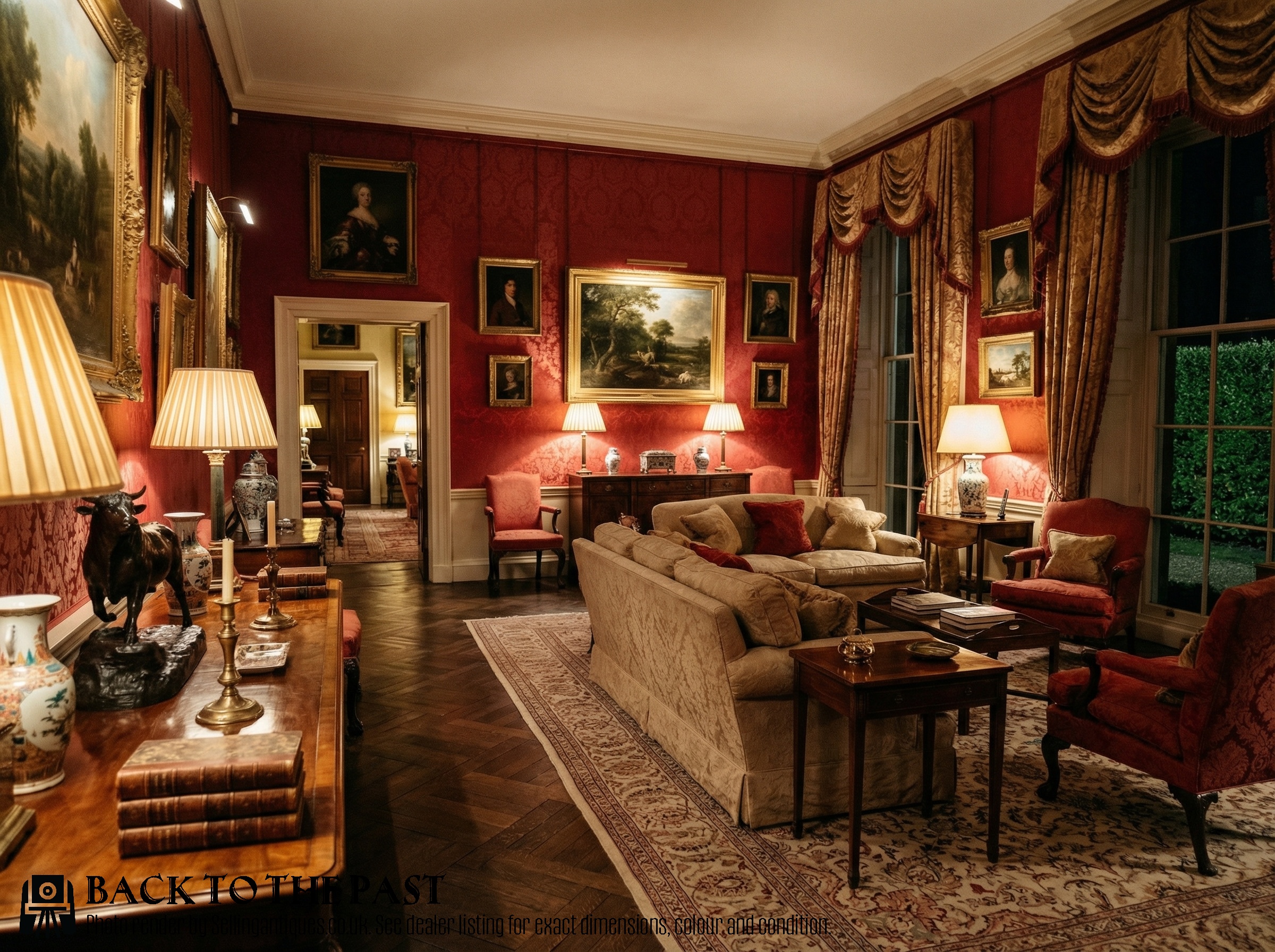
An antique bull figurine brings rugged power into a room, capturing the muscular tension and spirit of the animal through bronze, wood or leather.
Antique Bull Figurine
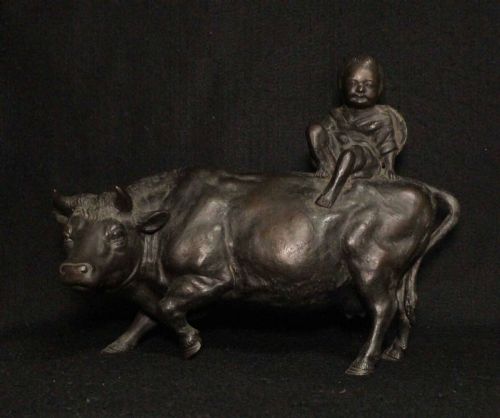
When you search for an antique bull figurine, you encounter a range of sculptural forms spanning European and Asian workshops from the seventeenth century through to the twentieth century. These pieces appear primarily as freestanding bronze sculptures, carved wood groups, and desk ornaments.
The nineteenth century dominates the available selection, particularly through French Animalier bronzes and Meiji period Japanese works. You are most likely to meet patinated bronze castings and detailed wood carvings on this page, reflecting the popularity of realistic animal studies among past collectors.
Materials and construction methods
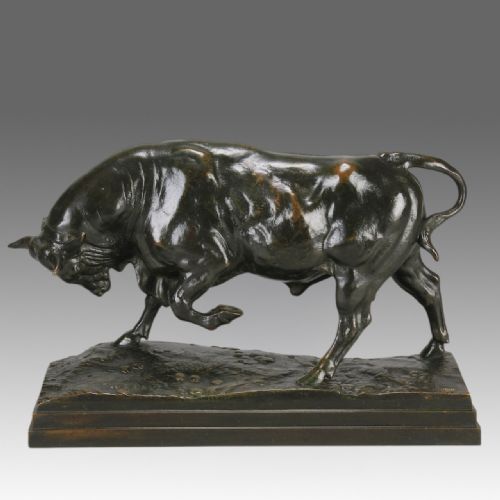
Foundry-cast bronze forms the backbone of these pieces, often finished with a dark patination to accentuate the musculature. Lost-wax casting allowed makers to capture fine anatomical details in metals and bronze-finish iron.
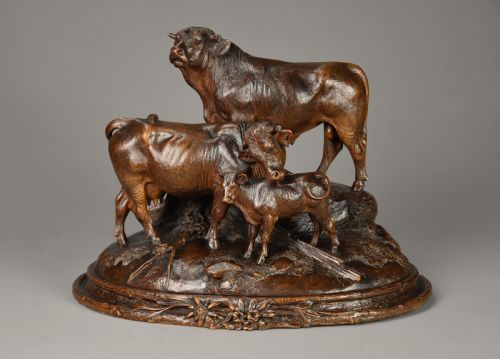
Wood pieces rely on hand carving, utilising linden wood and hardwood to render texture in cattle groups and water buffaloes. Leather models employ internal armatures wrapped and stitched to shape larger forms.
Even a desk ornament shaped from iron manages to look ready to bolt across the paperwork.
Assessing the workmanship
Quality rests upon the fidelity of the anatomical rendering and the crispness of the chasing on metal surfaces. Superior castings preserve the dynamic tension of a charging or pacing beast without softening the muscle contours.
In carved wood, the depth of the hand tool marks and the sensitivity of the facial expression distinguish master workshops from commercial production. Signature stamps by recognised sculptors elevate certain examples above unsigned foundry output.
Antoine Louis Barye·Isadore Bonheur·Albert Hussmann·Giambologna
The Antique Bull Figurine Glossary
- Animalier
- A nineteenth-century art movement dedicated to the realistic portrayal of animals, particularly in bronze sculpture. Practitioners focused on capturing the accurate anatomy and natural movement of beasts.
- Patinated Bronze
- Bronze treated with chemical solutions to produce a specific surface colour and tone. This finish protects the metal and highlights sculptural details.
- Black Forest
- A regional style of wood carving originating in Switzerland and Germany during the nineteenth century. These works typically depict animals carved from linden wood with high realism.
- Lost-wax casting
- A metalworking method where a molten metal is poured into a mould that has been created by means of a wax model. Once the wax is melted away, the metal fills the cavity to form the sculpture.
Antique Bull Figurine: Frequently Asked Questions
What is an animalier bronze?
An animalier bronze is a nineteenth-century sculpture focused on realistic animal subjects. These pieces capture beasts in motion or repose with careful attention to natural anatomy.
Artists within this tradition studied live animals in menageries to achieve lifelike postures in metal castings.
How do I care for bronze sculptures?
Bronze sculptures require minimal maintenance beyond occasional dusting with a soft, dry cloth. Avoid using harsh chemical cleaners or polishes that can strip the original patination.
Keeping the piece away from direct sunlight and excessive moisture preserves the stability of the metal finish.
Where were Black Forest carvings made?
Black Forest carvings originated in the wooded mountainous regions of central Europe, particularly Switzerland and Germany. Artisans in these areas specialised in carving local fauna from native woods like linden.
These pieces often served as decorative table ornaments or inkstands for nineteenth-century homes.
How can I tell a casting date?
Dating relies on stylistic markers, foundry marks, and the quality of the surface patination. Nineteenth-century works frequently display specific foundry stamps or artist signatures on the bronze base.
Comparing the casting sharpness with known period examples helps establish the likely era of production.