

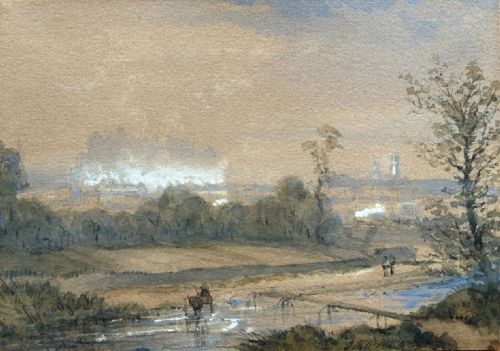
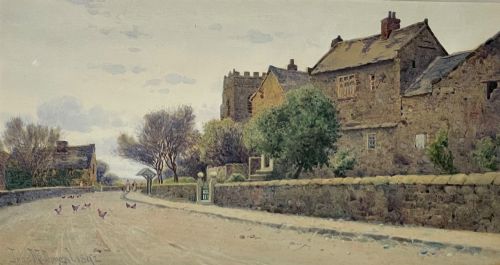
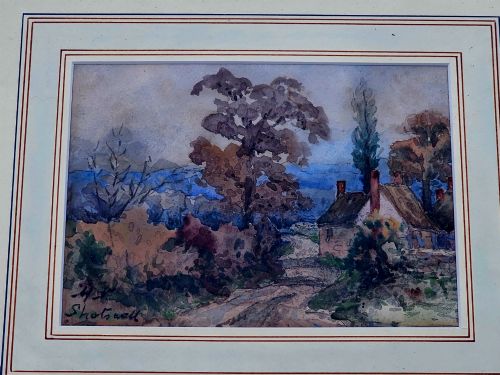
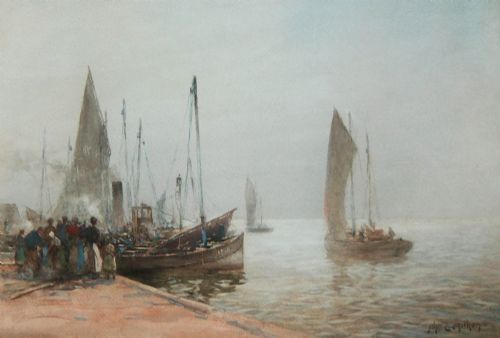



Brown Paper Landscape Painting
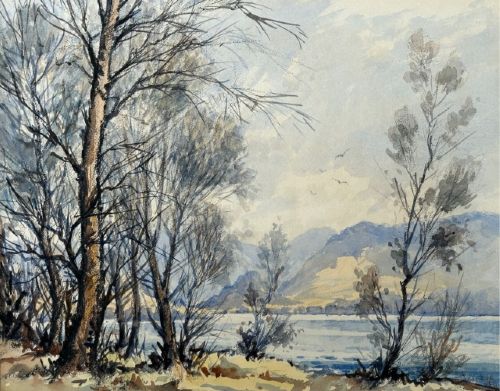
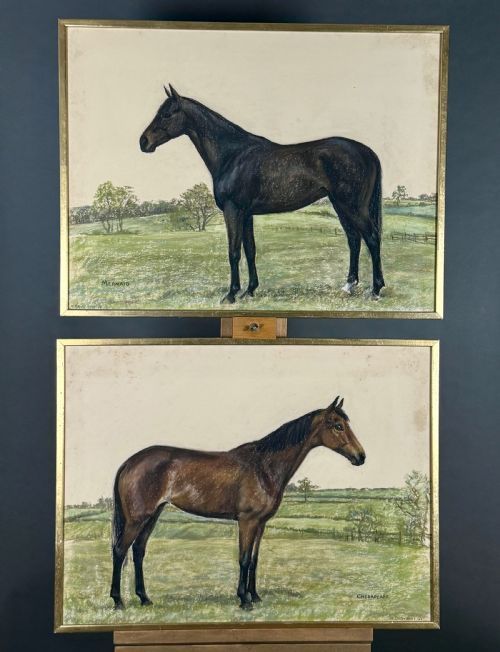
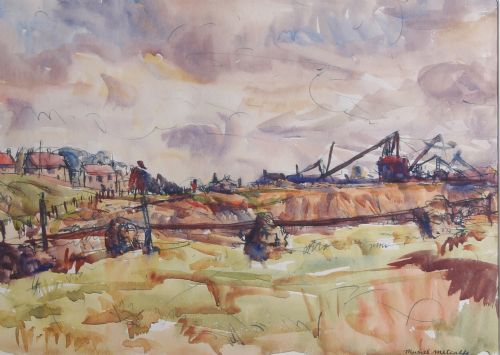
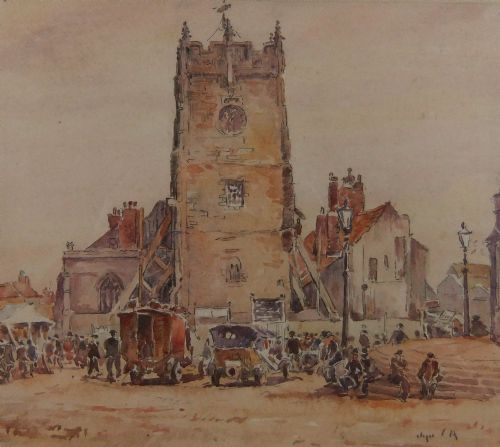
When you search for brown paper landscape painting, you find works executed in watercolour, ink and gouache on various paper grounds.
Brown Paper Landscape Painting
A brown paper landscape painting generally brings together regional views, coastal scenes and rural subjects captured by British artists during the nineteenth and twentieth centuries. These works span the Victorian, Edwardian and mid-century periods, recording villages, harbours and countryside views across England, Scotland and Wales.
The pieces on this page appear primarily as watercolours and gouache paintings on paper, often framed under glass with wood or gilt wood surrounds. They document specific locations such as Whitby, Yorkshire landscapes, Welsh valleys and Norfolk broads.
Collectors encounter works attributed to recognised regional painters, members of schools such as the Staithes group, and accomplished practitioners working within British impressionism. The subject matter ranges from quiet farm yards and thatched cottages to bustling fishing ports and coastal shipping.
Materials and techniques
Artists built these compositions using watercolour pigment and ink applied to paper grounds, sometimes incorporating gouache for opaque highlights. The absorbency and tone of the paper directly influenced how washes settled and dried.
Framing typically involved wood or gilt wood mouldings combined with protective glass to shield the water-soluble pigments from moisture and light exposure.
Some Victorian artists packed heavy wooden easels up Welsh mountains just to capture the mist over a lake.
Variations in quality
The quality of these landscapes rests upon the surety of the brushwork, the balance of light and shadow, and the artist's ability to capture atmospheric conditions without heavy-handed corrections. Stronger examples display confident handling of pigment and a clear sense of space.
Condition plays a role in overall merit, particularly regarding paper preservation, tonal stability, and the absence of heavy foxing or fading that might obscure the original detail.
James Orrock·John R Prentice·John McDougal·James E Aitken·Robert Leslie Howey·Muriel Metcalfe·John Smith Atherton·Hector Caffieri·Alfred George Morgan·Henry Charles Fox·Fred Lawson·Sir Thomas Newenham Dean·James William Booth·Thomas Bush Hardy·Tom Clough·John Atkinson·Louie Stanley Maurice Prince·Helena Maguire·John Syer·George Arthur Fripp·Harold Lawes·William Joseph Boyes·Frederick William Booty·Leslie Rackham·R P Noble
The Brown Paper Landscape Painting Glossary
- Watercolour
- A painting method in which the pigments are suspended in a water-based solution, traditionally applied to paper.
- Gouache
- An opaque water-based paint that includes a white pigment filler, producing a heavier and more solid colour than standard watercolour.
- Foxing
- Brown spots and discolouration that develop on older paper due to chemical reactions over time.
- Wash
- A fluid layer of diluted watercolour pigment spread across the paper to create broad areas of tone or sky.
Brown Paper Landscape Painting: Frequently Asked Questions
What periods do these paintings date from?
The works span from the mid-nineteenth century through the Edwardian era and into the mid-twentieth century. Most examples belong to the Victorian and early twentieth-century British schools.
Dates reflect the active working periods of the artists recorded in the listings, covering traditional landscape and marine subjects.
How should I frame and display a watercolour?
Watercolours require framing behind glass with acid-free mount board to prevent the paper from touching the glazing directly. This separation protects the pigments from atmospheric moisture.
Keep framed works away from direct sunlight to minimise fading of the original water-based pigments over time.
How do I identify different regional art schools?
Regional schools often share distinct geographic focuses, such as the Yorkshire coast for Staithes artists or specific river valleys for local watercolour societies. Signatures and inscribed titles on the reverse or front provide further context.
Stylistic traits, such as the looser brushwork of British impressionism, help differentiate twentieth-century pieces from mid-nineteenth-century works.
Are these paintings original works?
The selections consist of original paintings, watercolours and gouache studies created directly by the artists rather than later mechanical reproductions. Each piece carries unique brush marks and individual handling of the medium.
Many examples feature the artist's signature or contemporary inscriptions detailing the depicted location.