




Brown Painted Wooden Figure
A brown painted wooden figure brings handmade character and history into a room, spanning rustic folk traditions and commercial displays.
Brown Painted Wooden Figure
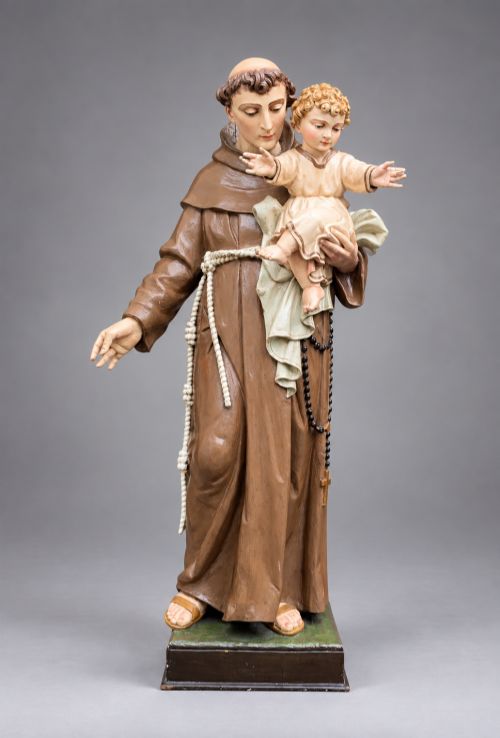
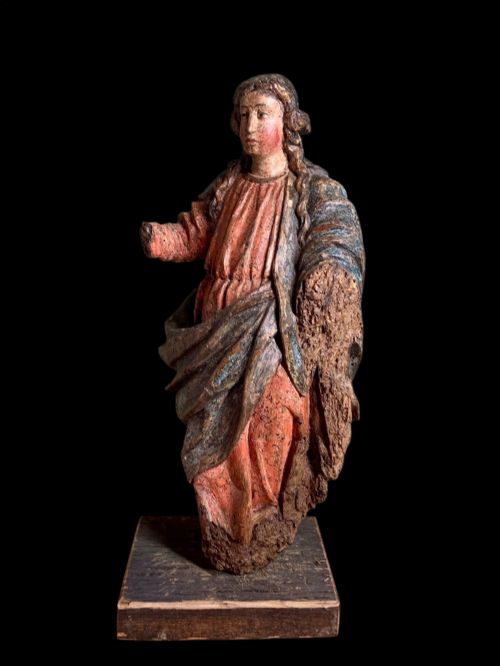
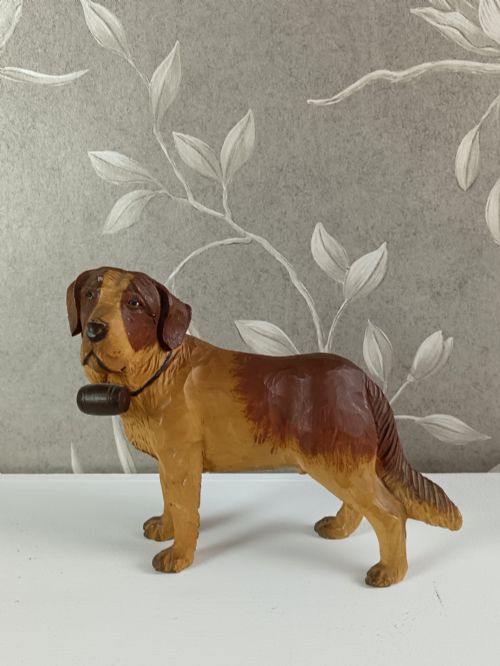
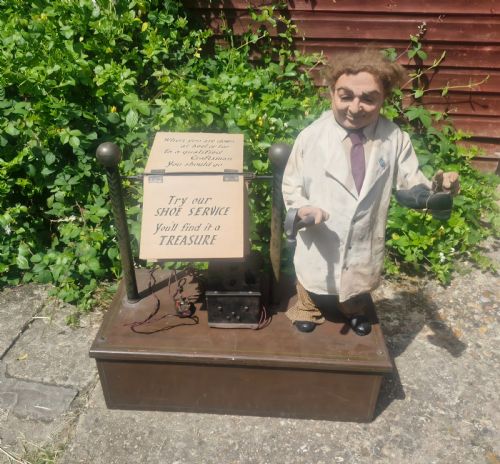
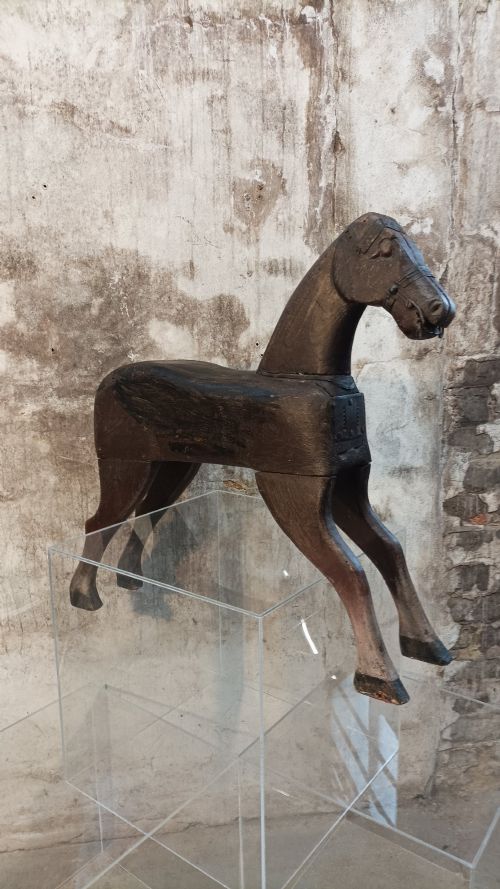
A brown painted wooden figure encompasses carved saints, shop displays, carousel animals, and folk art spanning the eighteenth century to the mid-twentieth century.
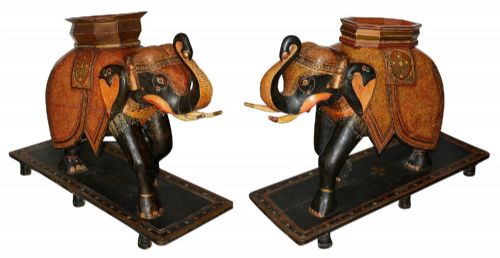
The pieces on this page range from alpine and Italian folk carvings to English shop display models, colonial lacquer elephants, and American whirligigs.
Materials and construction
Carved wood forms the structural base of these objects, shaped by hand into animals, human characters, and saints.
Makers applied gesso, oil paint, and polychrome pigments to the wooden surfaces, adding colour and detail to the grain.
Some pieces incorporate metal elements alongside wood and paint, particularly in mechanical or display models.
Brown Painted Wooden Figure Retail Price Guide 2026
Typical asking prices for brown painted wooden figure among the pieces listed under this phrase on Sellingantiques today, from the lower quarter to the upper quarter. They describe what is for sale here now, not the wider market.
One listed figure depicts a gentleman accompanied by a painted wooden monkey.
Assessing quality and execution
Quality rests in the expressive power of the carving and the survival of the original painted surface rather than sheer scale.
Works with undisturbed historic pigment and confident tool marks demonstrate superior craftsmanship compared to later or heavily restored examples.
Bohumil Kafka·William Tate·Joseph Wright of Derby
The Brown Painted Wooden Figure Glossary
- Polychrome paint
- Decoration applied in several colours to the surface of wood or gesso. This finish defines many historic religious statues and carousel figures.
- Dummy board
- A flat painted wooden figure cut out to life size and designed to stand in a room as a silent companion. These objects often date from the eighteenth and nineteenth centuries.
- Folk art
- Artistic work produced from an indigenous culture or peasant society without academic training. It includes naive carvings, toys, and shop models made by local craftspeople.
- Gesso
- A plaster mixture spread over a wooden support before painting to provide a smooth ground. It is commonly found beneath the oil or pigment layers on carved saints.
- Whirligig
- A wooden folk art figure with moving parts powered by the wind. These kinetic sculptures were typically used outdoors in American gardens.
Brown Painted Wooden Figure: Frequently Asked Questions
How do I care for polychrome wood?
Keep polychrome wooden figures away from direct sunlight and steady humidity to protect the fragile paint layers. Avoid using chemical cleaners or abrasive cloths on historic painted surfaces.
Dust the carvings gently with a soft, dry brush to preserve the original pigment and gesso beneath.
Are these figures carved by hand?
The majority of these pieces show direct evidence of hand carving using traditional woodworking tools. Makers shaped local timbers like pine and fruitwood before applying layers of paint or lacquer.
Tool marks and individual variations distinguish these handmade sculptures from mass-produced items.
Where were shop display models used?
Shop display models stood inside retail premises or outside trading floors to attract customers and advertise specific trades. Cobblers, grocers, and tobacconists utilised these eye-catching figures to draw trade.
Over time, these commercial survivors transitioned from working shop floors into private collections of folk art.